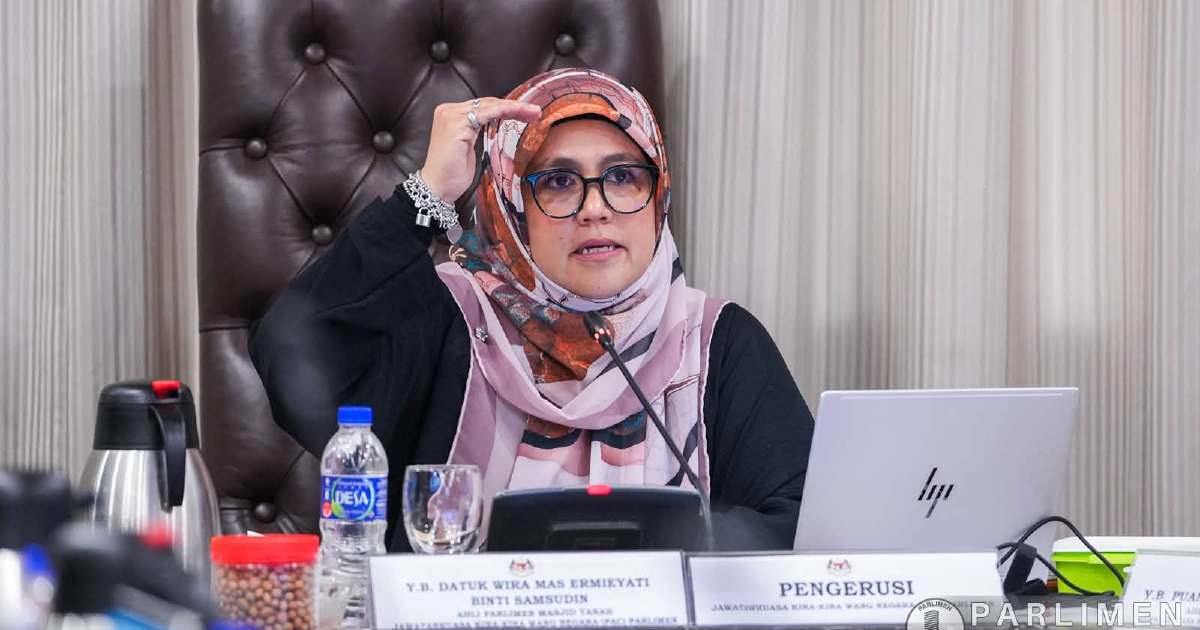
The Public Accounts Committee, Parliament's key oversight mechanism for government spending and administration, has taken a decisive step by unanimously endorsing an inquiry into the operational and financial conduct of Lembaga Tabung Haji. This marks a significant development in parliamentary scrutiny of one of Malaysia's largest financial institutions, which manages savings for millions of Muslim Malaysians intending to perform the Hajj pilgrimage.
The committee's decision signals growing concern about systemic weaknesses in how Tabung Haji administers its operations, handles investor capital, and manages its substantial portfolio of investments. Rather than superficial examination, the PAC's involvement indicates Parliament is prepared to undertake rigorous investigation into matters affecting the financial security of ordinary Malaysians who have entrusted their savings to the institution for decades.
Tabung Haji operates as a unique financial entity in Malaysia's landscape, serving as both a savings mechanism and investment vehicle for the country's Muslim population. The institution's mandate requires balancing fiduciary responsibility toward individual savers with prudent management of aggregate capital, a balance that has apparently come under question. The PAC inquiry will likely examine how institutional decisions have affected the accumulated savings of participating members and whether governance structures adequately protect stakeholder interests.
The unanimous nature of the committee's decision carries particular weight, suggesting cross-partisan political consensus that the investigation is warranted regardless of which party currently administers government. This bipartisan approach indicates the issues at stake transcend routine political disagreement and touch upon public confidence in a major financial institution serving Malaysian citizens from all political persuasions.
Investment performance represents a critical dimension of the inquiry. Tabung Haji manages extensive holdings across property, equities, and other asset classes, and questions about investment strategy and returns will likely feature prominently in PAC deliberations. Members will examine whether investment decisions have been made with appropriate due diligence, whether conflicts of interest existed, and whether returns adequately reflect market conditions and institutional capabilities.
Governance weaknesses form another substantive component of the impending investigation. The committee will scrutinize board-level decision-making processes, internal controls, risk management frameworks, and accountability mechanisms. Governance inquiries typically examine whether institutional leadership maintains adequate separation of powers, whether decision-making authority is properly distributed, and whether appropriate checks exist to prevent concentration of unilateral authority.
For Malaysian savers who have channeled funds toward Tabung Haji, the PAC inquiry represents a rare opportunity for systematic external evaluation of how their money is being managed. Many members have built substantial savings balances over decades, making the integrity of the institution crucial to their retirement planning and religious aspirations. The inquiry's findings could have direct implications for member confidence and institutional reform.
Tabung Haji's significance extends beyond individual savers to encompass broader economic considerations. The institution represents Malaysia's largest Shariah-compliant savings mechanism outside the conventional banking system and manages resources that could influence domestic investment patterns and capital allocation. Financial weakness or mismanagement at such a scale could have ripple effects throughout Malaysia's financial ecosystem.
The PAC typically operates by examining documents, interviewing witnesses, and producing detailed reports with recommendations for corrective action. Given the complexity of Tabung Haji's operations, the investigation could extend over several months and require substantial evidence gathering. The committee's final report will likely guide Parliamentary debate and influence potential regulatory changes or institutional reforms.
This inquiry reflects evolving standards of institutional accountability in Malaysia, where parliamentary committees have increasingly asserted their investigative mandate over large government-linked entities and statutory bodies. The PAC's willingness to undertake such examinations represents Parliament fulfilling its constitutional role as representative guardian of public interest and financial stewardship.
The implications for regional governance merit consideration as well. Malaysia's approach to scrutinizing major financial institutions can influence how other Southeast Asian democracies approach similar challenges. Transparent, methodical investigation into institutional failings demonstrates commitment to accountability mechanisms that ultimately strengthen rather than undermine public confidence in democratic institutions.
Stakeholders including Tabung Haji management, individual members, investment partners, and regulatory bodies will await the PAC's investigation with significant interest. The inquiry's scope, conduct, and ultimate findings could shape institutional governance for years ahead and establish precedent for how Parliament addresses governance questions involving other major financial entities and statutory bodies.

