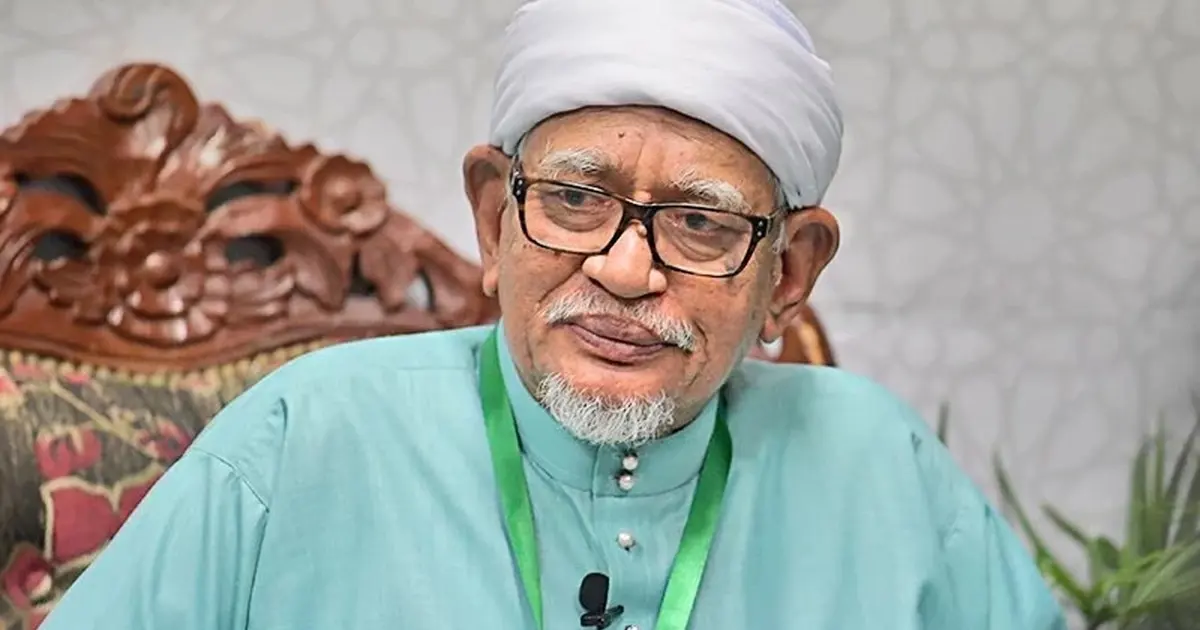
PAS President Hadi Awang has indicated that dialogue between his party and Barisan Nasional regarding the allocation of Melaka parliamentary seats is proceeding, with both coalitions taking stock of the political landscape that emerged from the 15th General Election. The negotiations, which seek to define the terms of cooperation between PAS and the long-established Malay-Muslim political alliance, will necessarily account for the significant shift that occurred when Barisan Nasional failed to secure any parliamentary representation from the state during the 2023 electoral contest.
The dynamics of seat distribution in Melaka have become increasingly complex following the 2023 general election, which reshaped the political configuration across multiple states. Barisan Nasional's complete inability to convert state support into parliamentary victories represents a departure from its historical dominance and signals changing voting patterns among the electorate. For PAS, which has emerged as a more formidable force in peninsular Malay-majority constituencies, this presents both an opportunity to expand its parliamentary footprint and a diplomatic challenge in managing expectations of its coalition partner.
The significance of these negotiations extends beyond mere seat-sharing arithmetic. They reflect the ongoing realignment of Malaysia's political landscape following Pakatan Harapan's loss of federal power and the subsequent formation of new governing coalitions. Melaka, as a state where both PAS and Barisan Nasional maintain presence and influence, has become a focal point for testing how these two components of the broader conservative political bloc can coexist and coordinate their electoral strategies.
Hadi's acknowledgment that BN's electoral performance in Melaka during GE15 will be factored into negotiations suggests a pragmatic approach grounded in electoral realities rather than historical entitlements. This represents a shift from the traditional seat allocation frameworks that often reflected fixed power-sharing arrangements established decades earlier. The 2023 election outcomes have effectively reset assumptions about which parties could reliably deliver parliamentary seats, forcing both PAS and BN to recalibrate their strategies based on contemporary voter preferences.
For Malaysian political analysts, these discussions carry implications for the broader question of coalition stability ahead of future electoral contests. The ability of PAS and Barisan Nasional to reach amicable arrangements on seat distribution will influence not only Melaka's political direction but also the sustainability of federal coalitions dependent on managing multiple partners with differing organizational strengths. Melaka, with its mixed urban and rural demographics, serves as a testing ground for whether traditional parties can adapt to new electoral dynamics while maintaining coalition unity.
The negotiations also underscore the complicated position of Barisan Nasional in the current political era. Once accustomed to commanding majority governments through superior party machinery and traditional support networks, the coalition now finds itself negotiating from a position where electoral performance rather than historical privilege determines seat allocations. This represents a fundamental shift in how Malaysian politics calculates political worth and bargaining power within coalitions.
From a Southeast Asian perspective, Malaysia's evolving political negotiation patterns reflect broader regional trends toward more volatile electoral outcomes and shifting coalition dynamics. The region has witnessed several instances where long-dominant political parties have experienced unexpected electoral setbacks, forcing them to renegotiate their positions within broader political frameworks. Melaka's situation mirrors challenges faced by other major political actors across Southeast Asia in adapting to more unpredictable voter behavior and the rise of competitive alternatives.
The timing of these ongoing negotiations is significant given the state-level political calendar. Melaka's future governance structure and the composition of its parliamentary representation will affect the state's ability to implement development priorities and manage governance during a period of broader national political transition. Both PAS and Barisan Nasional have incentives to reach agreement expeditiously, as protracted negotiations could signal weakness to electoral competitors and create space for other political forces to consolidate influence in state constituencies.
Hadi's statement also reflects the pragmatic nature of contemporary Malaysian coalition politics, where public acknowledgment of negotiating realities has become more commonplace. Rather than obscuring discussions behind closed-door negotiations, party leaders increasingly make calibrated public statements that both signal good-faith engagement and establish negotiating positions. This transparency, while potentially constraining negotiators' flexibility, also builds confidence among party bases that leadership is actively protecting their interests.
The broader context includes PAS's strengthened position following the 2023 election, where the party significantly improved its parliamentary presence despite overall Perikatan Nasional underperformance at the federal level. This enhanced parliamentary standing gives PAS greater leverage in negotiating seat allocations with traditional partners like Barisan Nasional. Meanwhile, BN's weakness in parliamentary representation, though less pronounced at state assembly level, necessitates careful management to prevent further erosion of its political position and relevance.
For Melaka voters and the wider Malaysian electorate, these negotiations will ultimately determine which candidates represent their parliamentary interests and what political directions the state pursues. The outcome will also signal whether PAS and Barisan Nasional can function effectively as coalition partners, a question with significant ramifications for national stability given the importance of these blocs to broader federal political calculations and the composition of future governments.
The ongoing dialogue between PAS and Barisan Nasional on Melaka's parliamentary seats exemplifies the complex negotiations now characterizing Malaysian politics in the post-2023 election environment. How these discussions conclude will provide important indicators regarding the sustainability of cross-coalition partnerships and the ability of traditional political actors to adapt to transformed electoral circumstances.

