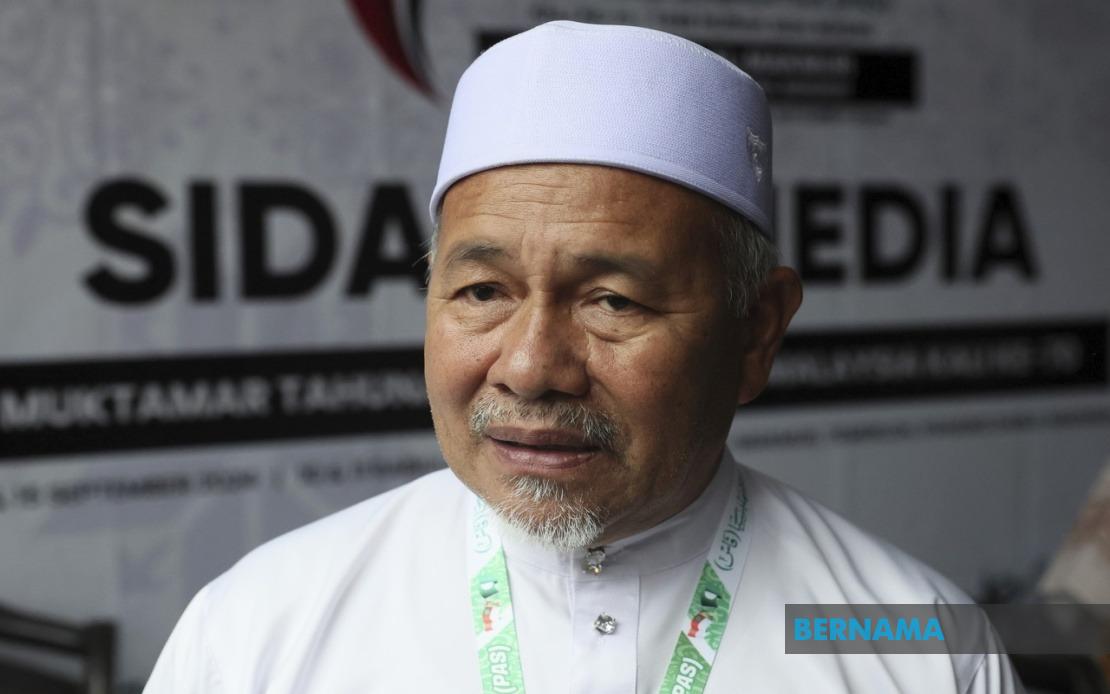
Malaysia's PAS party has escalated calls for the extradition and prosecution of fugitive businessman Low Taek Jho, better known as Jho Low, arguing that the country possesses sovereign authority to try him regardless of parallel international proceedings. Speaking at the Pasir Mas PAS division annual general meeting in Kota Bharu, deputy president Datuk Seri Tuan Ibrahim Tuan Man stressed that Malaysia should not defer to decisions made by the United States in relation to Jho Low's liability in the sprawling 1Malaysia Development Berhad scandal that has reverberated across the region's financial landscape since its exposure in 2015.
Tuan Ibrahim's remarks acquire particular weight given recent international speculation that Jho Low might feature among approximately 250 individuals being considered for presidential clemency by United States President Donald Trump as part of celebrations marking America's 250th Independence Day anniversary. The possibility of a pardon has intensified scrutiny of Malaysia's position in pursuing one of the most consequential white-collar crime cases affecting the nation's reputation and economy. By publicly rejecting the notion that Malaysia's legal course should hinge on American judicial or executive outcomes, the PAS leadership is signalling that domestic accountability mechanisms must operate independently.
The 1MDB affair stands as one of the largest financial frauds uncovered globally, with investigations revealing that billions of dollars were siphoned from the sovereign wealth fund through an elaborate web of shell companies, fraudulent transactions, and money laundering schemes. Jho Low, who cultivated a prominent lifestyle in Malaysia and internationally before disappearing as authorities closed in, has been central to unravelling this complex narrative. Malaysian courts, law enforcement agencies, and financial regulators have invested considerable institutional effort in building cases against him, and his absence from the country—his current whereabouts remaining unclear—has frustrated efforts to secure convictions and asset recovery.
Tuan Ibrahim's assertion that Malaysia qualifies as the jurisdiction most directly harmed by Jho Low's conduct reflects a broader diplomatic and legal principle: nations where crimes occur and where their consequences are felt most acutely possess legitimate grounds to prosecute perpetrators. The 1MDB debacle inflicted damage on Malaysia's international standing, destabilized government finances, and prompted reforms across institutional frameworks. These ripple effects provide compelling justification for Malaysian courts to exercise jurisdiction, independent of what other nations determine regarding his culpability or appropriate punishment.
Prime Minister Datuk Seri Anwar Ibrahim reiterated Malaysia's unwavering commitment to pursuing legal action against Jho Low in separate remarks made earlier this week, signalling government consensus on the priority of domestic prosecution. This consistency across political leadership reflects recognition that allowing international developments—whether pardons, settlements, or foreign convictions—to supersede Malaysian judicial processes would set a troubling precedent for the rule of law and national sovereignty. The government and opposition parties appear united in their conviction that Jho Low's trial in Malaysian courts remains non-negotiable.
Securing his extradition represents a formidable practical challenge, however, given that Jho Low's location remains uncertain and international cooperation depends on formal requests and bilateral agreements. Several countries, including the United States and Singapore, have pursued parallel investigations and charges. Any foreign pardon or settlement could theoretically complicate Malaysian extradition efforts, though legal scholars argue that a US presidential pardon addresses only charges brought under American law and does not diminish culpability under Malaysian statutes. Nevertheless, the practical mechanics of capture and return demand international coordination that could prove delicate if conflicting pressures emerge.
Tuan Ibrahim's call to accelerate the legal process, including expediting extradition proceedings, acknowledges that the machinery of international justice often moves with glacial speed. Years have elapsed since Jho Low's disappearance, during which time evidence may degrade, witnesses relocate, and public attention wanes. From Malaysia's perspective, every delay diminishes the momentum necessary to hold him accountable and recover misappropriated assets. The PAS leadership's public agitation for faster action may reflect frustration with the pace and complexity of transnational criminal prosecutions, whilst signalling to the electorate that political pressure remains focused on this emblematic case.
The broader context involves Malaysia's broader anti-corruption governance trajectory. The 1MDB scandal catalysed major institutional reforms, including changes to transparency requirements, financial oversight mechanisms, and procurement practices. Prosecuting Jho Low successfully in Malaysian courts would cement these reforms and demonstrate that even sophisticated international schemes cannot evade accountability within the national legal system. A contrasting outcome—permitting a foreign pardon to extinguish Malaysian charges—might suggest that the country's reform agenda lacks teeth when confronted with powerful external actors.
Regional implications merit consideration as well. The Association of Southeast Asian Nations collectively faces challenges in combating transnational financial crime, money laundering, and the movement of proceeds derived from corruption across borders. How Malaysia handles the Jho Low case signals to other regional governments whether determined pursuit of complex international fraud remains feasible despite obstacles. Conversely, allowing external developments to derail domestic prosecutions might encourage other fugitive white-collar offenders in the region to seek protection or refuge in jurisdictions beyond ASEAN's enforcement reach.
The timing of Tuan Ibrahim's intervention, coming as pardon speculation swirls, underscores how malleable international criminal justice can become when powerful nations exercise prerogatives that smaller ones lack. Malaysia cannot unilaterally prevent a US pardon, but it can refuse to treat such a pardon as legitimate within its own legal sphere and can continue pursuing extradition and prosecution. This distinction—between accepting foreign outcomes as binding versus maintaining independent authority—will likely define Malaysia's approach in coming months.

