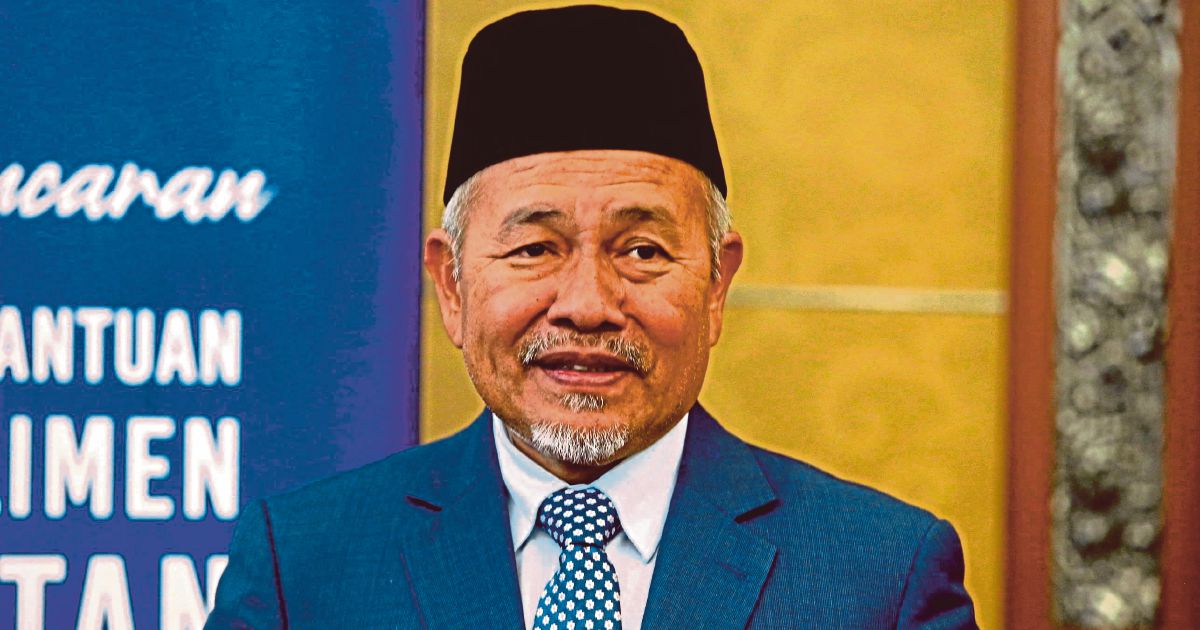
Datuk Seri Tuan Ibrahim Tuan Man, the deputy president of PAS, has commended Umno's decision to pull backing from the Negri Sembilan state administration, framing the move as displaying considerable political courage and potentially reshaping the political landscape in the state. Speaking in Seremban, Tuan Ibrahim suggested that the Umno initiative clears a pathway for meaningful voter engagement during the forthcoming Negri Sembilan state election, moving beyond predetermined political arrangements that typically characterize coalition politics in Malaysia.
The withdrawal by Umno, a longstanding member of the ruling Barisan Nasional coalition, represents a noteworthy fracture in what has historically been a carefully coordinated political arrangement. Such moves are relatively uncommon in Malaysia's political system, where established coalitions typically maintain cohesion through disciplined party structures and negotiated power-sharing agreements. The timing and reasoning behind Umno's decision merit closer examination, particularly given how coalition management has functioned since the 2018 political realignment and the subsequent formation of the Perikatan Nasional government at federal level.
PAS's characterization of this maneuver as bold reflects the Islamic party's recognition that predictable political outcomes, while ensuring stability, can erode public confidence in democratic processes. By describing the withdrawal as opening opportunities for voters, Tuan Ibrahim implicitly acknowledged a growing sentiment among Malaysian electorates that genuine electoral contests, rather than predetermined coalition outcomes, better serve democratic principles and accountability. This positioning also suggests PAS views itself as a beneficiary of increased competition or as aligned with forces disrupting traditional political calculations.
Negri Sembilan politics have operated within relatively stable parameters since the 2018 general election, with the Barisan Nasional coalition maintaining governance despite nationwide shifts toward Pakatan Harapan in many states. The state's political dynamics reflect broader Malaysian patterns, where federal and state-level alignments sometimes diverge, creating complex governance scenarios. Umno's decision to withdraw support injects uncertainty into these established arrangements, potentially triggering significant realignments among political actors within the state.
The implications for Malaysian federalism are substantial. State governments depend on maintaining legislative majorities, which requires sustained coalition discipline or commanding single-party dominance. When major coalition partners withdraw support without formal realignment frameworks, governments face potential collapse or forced negotiations to secure alternative support. In Negri Sembilan's context, Umno's move creates a vacuum that other parties, including PAS, may seek to fill through alternative political arrangements or electoral campaigns emphasizing their capacity to govern effectively.
For Malaysian voters, particularly in Negri Sembilan, the development suggests a departure from the consensus-based politics that characterized recent state elections. Genuine electoral competition requires clear policy differentiation and genuine uncertainty regarding outcomes—conditions that coalition fragmentation tends to produce. The prospect of multiple viable government formations emerging from a Negri Sembilan election would present voters with substantive choices rather than selecting between essentially predetermined outcomes.
Umno's calculus in withdrawing support likely involves multiple considerations beyond immediate tactical advantage. The party may be positioning itself to contest elections independently, signaling to its supporters that it retains political agency despite its role within larger coalitions. Alternatively, the move could reflect internal party pressures regarding the state government's performance or policy direction. Senior Umno figures may perceive greater electoral viability by distancing themselves from an incumbent administration facing potential unpopularity, calculating that opposition positioning during elections improves chances of renewed governing mandates post-election.
Tuan Ibrahim's grateful acknowledgment of Umno's withdrawal also reveals PAS's assessment of competitive advantages in an open electoral environment. The Islamic party has demonstrated electoral strength in certain constituencies and among specific demographic groups, and expanded competition might create opportunities for PAS to expand its footprint beyond traditional strongholds. The party's portrayal of the Umno decision as beneficial to voters—rather than merely advantageous to PAS—serves to frame the party as aligned with democratic principles and voter interests, a strategic positioning in Malaysia's increasingly complex political narrative.
Regionally, the Negri Sembilan situation reflects broader Southeast Asian patterns where established coalitions periodically fracture, requiring political actors to constantly negotiate and renegotiate governance arrangements. Malaysia's relatively stable democratic institutions and established party structures create environments where such realignments typically remain manageable, though they do generate periods of uncertainty and repositioning. The outcome in Negri Sembilan may influence how other state-level coalitions operate, particularly if Umno's withdrawal proves tactically successful or if it establishes precedent for coalition partners to unilaterally reassess their participation in incumbent governments.
Governance effectiveness during transition periods becomes crucial. If the Negri Sembilan state government loses its working majority following Umno's departure, the administration faces constraints in implementing policy initiatives and allocating resources for constituent services. This interim period, before any election and potential government formation, may expose the vulnerability of coalition-dependent governing arrangements and reinforce arguments for stronger institutional frameworks governing coalition stability and legislative support arrangements.

