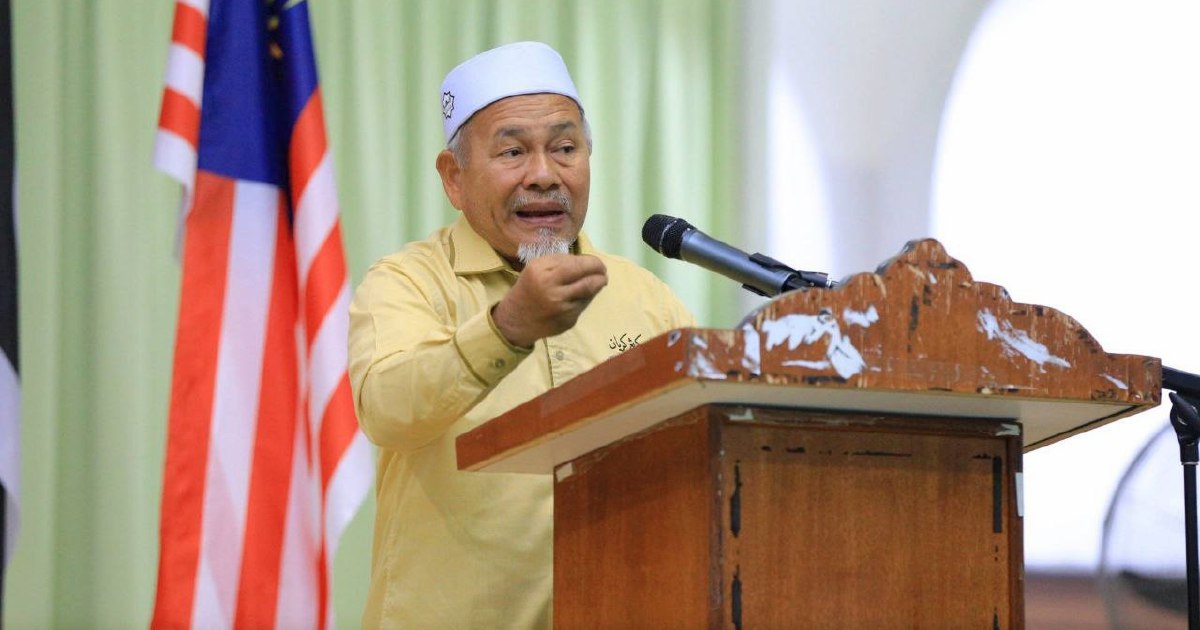
The Islamic party PAS has indicated it would be willing to explore arrangements involving the transfer of certain state and parliamentary constituencies to its coalition partner UMNO, provided that specific criteria are satisfied, according to a senior party official speaking in Temerloh this week. The announcement by Datuk Seri Tuan Ibrahim Tuan Man, who serves as deputy president of PAS, suggests the two Barisan Nasional components remain engaged in ongoing discussions about electoral strategy despite broader coalition complexities.
The prospect of seat reallocations between PAS and UMNO carries significant implications for Malaysian electoral politics, particularly given the traditional rivalry between the two Muslim-majority parties and their bases. Throughout their history, both organisations have competed fiercely for the same voter demographics and constituencies, making any collaborative approach a notable development that reflects broader coalition commitments. The current configuration of their partnership, formalized through the Barisan Nasional framework, represents an attempt to present unified Malay-Muslim representation against competing political alternatives.
Seat-swapping arrangements in Malaysian elections typically involve negotiations where one coalition partner cedes certain winnable constituencies to another in exchange for uncontested positioning elsewhere. Such deals are designed to maximise overall electoral success by concentrating party strengths in particular regions and avoiding internal candidate competition that could fragment support. The effectiveness of these arrangements depends heavily on detailed ground-level assessments of voter sentiment and demographic shifts within each constituency.
Tuan Ibrahim's comments underscore that any agreement would not be unconditional, indicating that PAS leadership has established particular benchmarks or requirements before finalising any transfers. These conditions likely relate to guarantees about demographic representation, resource allocation for contested seats, and assurances regarding party autonomy in campaign messaging within remaining constituencies. Such preconditions are standard in Malaysian political negotiations, where larger parties often demand specific assurances from smaller coalition members.
The timing of such discussions occurs within a broader context of coalition management in Malaysian politics. Both PAS and UMNO have experienced organisational changes and shifts in their respective voter bases over recent electoral cycles, requiring recalibration of their strategic positioning. The rise of competing political coalitions and the fragmentation of the electorate have made traditional two-party or coalition-based approaches increasingly complex, necessitating more sophisticated seat allocation strategies.
For Malaysian voters and observers, seat-swapping arrangements represent a practical dimension of coalition politics that often receives less public attention than high-level mergers or formal alliance announcements. However, these tactical agreements directly influence electoral outcomes and the composition of state legislatures and parliament. Constituencies that might otherwise be contested between coalition partners can instead be directed toward whichever component party possesses stronger organisational capacity or regional appeal in that particular area.
Regional observers across Southeast Asia have noted the intricate nature of Malaysian coalition management as a model—both positive and concerning—for how multi-party systems navigate competitive elections. The willingness of parties to engage in seat negotiations suggests institutional maturity in some respects, though critics argue such arrangements can reduce voter choice and electoral competitiveness. The PAS-UMNO discussions exemplify ongoing tensions between coalition efficiency and democratic principles of open competition.
Previous electoral cycles have seen similar seat-swapping discussions between various Malaysian political coalitions, though the outcomes have varied considerably depending on ground-level conditions and voter sentiment. The success of any arrangement ultimately depends on whether the designated party in each constituency can mobilise its supporter base effectively and respond to local concerns that may differ from national campaign messaging. Constituencies where demographic changes have altered voter preferences may require different strategic approaches than those where traditional support patterns remain stable.
For PAS specifically, discussions with UMNO represent a balancing act between preserving organisational autonomy and maximising electoral influence through coalition partnership. The party's base includes voters with varying degrees of commitment to coalition frameworks, with some constituencies representing particularly strong PAS support where surrendering seats might face internal resistance. The conditions Tuan Ibrahim referenced likely include safeguards ensuring that seat transfers occur only in constituencies where UMNO possesses clear competitive advantages.
The broader implications for the Malaysian political landscape include questions about how traditional Barisan Nasional coalitions continue to adapt amid competition from rival groupings and changing voter preferences. Seat-swapping negotiations demonstrate that despite public focus on coalition mergers and ideological positioning, the practical work of electoral competition remains rooted in detailed negotiations about constituency allocation and resource distribution. These behind-the-scenes discussions, though less visible than leadership addresses or manifesto launches, often prove decisive in determining election outcomes.
Moving forward, observers should monitor not only whether PAS and UMNO formalise seat-swapping arrangements but also which specific constituencies become subjects of negotiation. The geographic distribution of swapped seats may reveal strategic judgments about regional voter trends and each party's confidence in particular demographic groups. Such patterns can indicate underlying shifts in party positioning and provide insights into how coalition members assess changing electoral dynamics.

