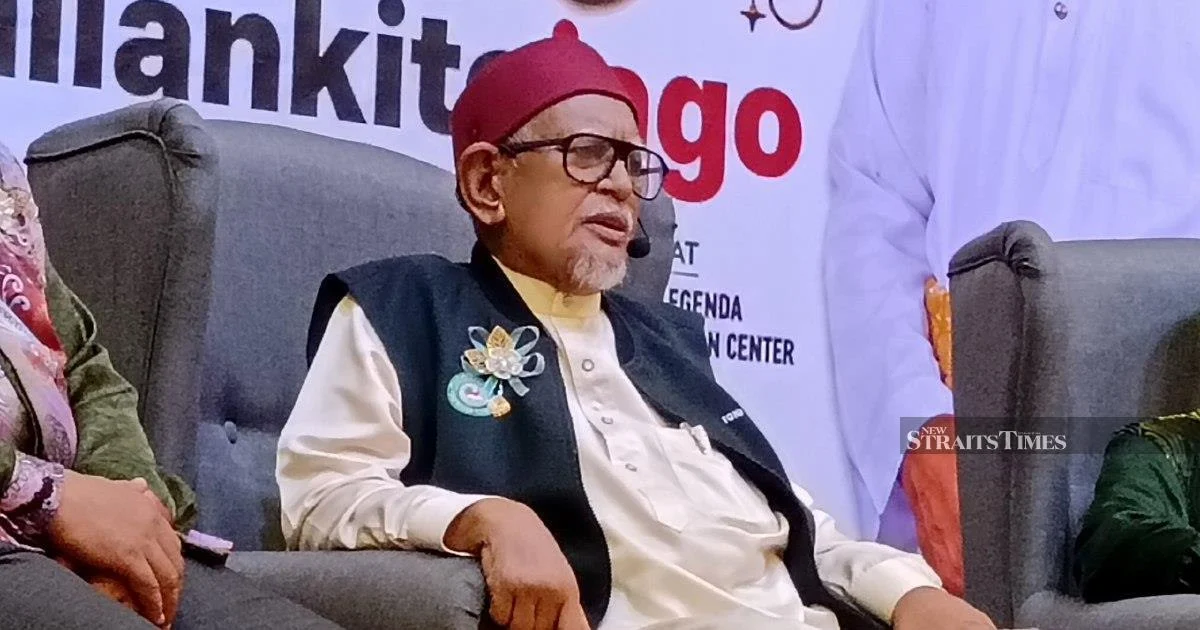
The Islamic party has signalled strategic flexibility in Negeri Sembilan's upcoming state election by expressing readiness to back an Umno leader for the chief minister role, provided negotiations on seat distribution between the two parties reach completion before voters go to the polls on August 1. This development reveals how Malaysia's political coalitions continue reshaping at state level, with traditional partners willing to adjust leadership arrangements to maintain electoral competitiveness.
The statement underscores the pragmatic approach increasingly adopted by PAS in state-level politics, particularly in regions where Umno maintains stronger organisational presence or demographic support. Rather than insisting on fielding its own menteri besar candidate, the party is prioritising coalition cohesion and seat optimisation—a calculated move that reflects both the competitive electoral landscape and the need to present a unified front against opposing alliances. This flexibility has become a recurring pattern as parties recognise that electoral mathematics often demand compromise on candidate positions.
Negeri Sembilan presents a uniquely competitive battleground where neither coalition can claim commanding dominance. The state's diverse electoral composition, spanning urban areas around Seremban and rural constituencies in districts like Jelebu and Tampin, requires nuanced coalition strategies that balance representation across different demographics and regions. By potentially ceding the menteri besar position to Umno while securing other ministerial portfolios and parliamentary representation, PAS could strengthen its overall position within the state government structure.
The August 1 election arrives amid shifting dynamics within Malaysia's broader political landscape. The willingness of parties to negotiate leadership roles demonstrates how post-2022 political realignments continue evolving, with coalitions becoming less about rigid hierarchy and more about maximising collective electoral gains. Umno's presence as a potential menteri besar candidate carries particular weight in Negeri Sembilan, where the party retains historical organisational networks and support among certain voter segments, particularly in rural constituencies.
Seat negotiations between major coalition partners typically involve complex calculations extending beyond simple numerical arithmetic. Parties must weigh not only how many seats each will contest, but also which constituencies offer the strongest chances of victory, how many seats can reasonably be defended, and what coalition positions—including ministerial portfolios—flow from electoral results. In Negeri Sembilan's context, discussions likely focus on whether PAS can secure adequate representation in state assembly seats to justify accepting an Umno menteri besar candidate to their grassroots supporters.
The timing of such announcements matters significantly in Malaysian state politics. By publicly indicating willingness to accept Umno leadership before finalising seat details, PAS attempts to frame negotiations as one party deferring to another's preference rather than being forced into an unfavourable position. This narrative management proves important for managing internal party expectations and maintaining credibility with voters who expect their representatives to negotiate assertively on their behalf.
For Umno, securing the menteri besar position in Negeri Sembilan would represent a meaningful political victory, particularly as the party continues rebuilding influence across state-level governance following its 2018 electoral losses. The position carries symbolic weight beyond administrative responsibilities, signalling Umno's capacity to lead and govern in territories beyond its traditional strongholds. However, this depends entirely on completing seat negotiations and translating agreed arrangements into actual electoral victories on August 1.
The broader coalition environment facing both parties adds urgency to finalising arrangements. Opposition alliances continue consolidating strength in several states, and Negeri Sembilan offers no guarantee of victory regardless of internal coalition harmony. The August 1 election will test whether carefully negotiated seat distributions and leadership compromises translate into voter support or whether electoral dynamics ultimately determine the coalition's performance independently of pre-election agreements.
For Malaysian voters and political observers, these negotiations highlight how contemporary coalition politics operates at granular levels. Rather than broad ideological alliances or settled partnership arrangements, modern Malaysian political coalitions increasingly function as flexible frameworks where parties constantly renegotiate terms, positions, and candidate selections based on evolving electoral calculations. The PAS-Umno arrangement in Negeri Sembilan exemplifies this reality—parties cooperate not from unchanging commitment but from mutual recognition that electoral division would harm both their interests.
The success of such arrangements ultimately hinges on actual electoral performance. Seat agreements mean little if parties cannot convert contested constituencies into victories. August 1 will reveal whether the flexibility PAS displays on leadership questions translates into voter confidence in the coalition's ability to govern Negeri Sembilan effectively. Until then, observers can expect continued refinement of these arrangements as parties seek optimal configurations balancing internal satisfaction with electoral viability.

