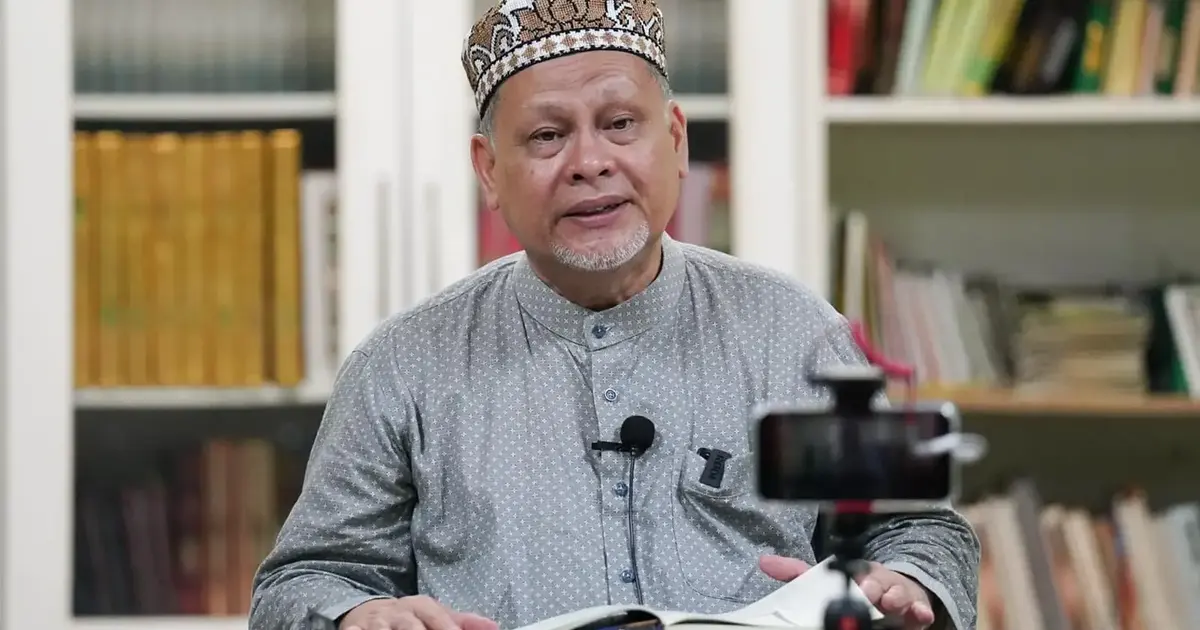
PAS vice-president Amar Abdullah has indicated that his party stands prepared to contest directly against Bersatu in Negeri Sembilan's upcoming state elections should both Perikatan Nasional components find themselves competing for identical parliamentary seats. The statement marks a candid acknowledgment of potential internal tensions within the opposition coalition as both parties manoeuvre for electoral positioning in the state.
The prospect of intra-coalition competition underscores the delicate balance that Perikatan Nasional must maintain across its constituent parties. While the alliance functions as a unified electoral force at the national level, state-level contests frequently generate disputes over seat allocations, particularly in constituencies viewed as winnable or strategically significant. Amar Abdullah's forthright remarks suggest that PAS, despite its partnership with Bersatu, will not compromise its competitive interests for the sake of coalition harmony if negotiated seat distributions prove unsatisfactory.
Negeri Sembilan represents terrain where multiple political forces vie for influence, making seat allocation contentious. The state has historically demonstrated electoral volatility, with control shifting between different governing coalitions. For both PAS and Bersatu, performance in Negeri Sembilan carries implications beyond the state itself, potentially influencing their respective standings within Perikatan Nasional's internal hierarchy and their broader relevance to Malaysian politics.
Bersatu's position within Perikatan Nasional differs fundamentally from PAS's. As the party formed by former Prime Minister Muhyiddin Yassin, Bersatu carries considerable weight despite commanding smaller grassroots membership than PAS. The party has sought to position itself as Perikatan Nasional's leading component and primary claimant to the prime ministerial position should the coalition secure federal power. PAS, conversely, commands substantially larger membership and deeper roots in Malay-Muslim communities, yet has historically accepted secondary roles within coalition arrangements.
Amar Abdullah's willingness to entertain competition against Bersatu suggests growing assertiveness within PAS regarding its political standing. The statement reflects shifting dynamics wherein PAS increasingly contests seats traditionally considered Bersatu territory, rather than deferring to its coalition partner's preferences. This competitive posture may reflect PAS's confidence in its grassroots mobilisation capabilities and voter appeal, particularly among rural and semi-urban constituencies where both parties compete.
The practical implications for Negeri Sembilan's political landscape are substantial. If both PAS and Bersatu submit separate candidate lists for identical seats, Perikatan Nasional's vote could fragment, potentially advantaging opposition parties. Conversely, if the coalition negotiates acceptable compromises, unified candidacies strengthen Perikatan Nasional's competitive position against rival coalitions. The negotiation process between these two components will likely prove determinative for opposition performance in the state.
For Malaysian political observers, such intra-coalition tensions have become increasingly routine. The Barisan Nasional coalition historically managed similar disputes through hierarchical structures and established protocols governing seat distributions. Perikatan Nasional, by contrast, operates with less institutional stability and clearer power gradations, making coalition management more challenging. Disagreements over seat allocations frequently manifest as public statements wherein component party leaders telegraph their readiness for independent action, effectively pressuring coalition leadership toward favourable terms.
Amar Abdullah's remarks also carry significance regarding PAS's strategic orientation. By publicly stating willingness to compete against Bersatu, the party signals to its supporters that coalition partnerships will not constrain its electoral ambitions. This messaging proves important for PAS's base, which expects the party to maximise its parliamentary representation rather than subordinating interests to broader coalition arrangements. The statement simultaneously communicates to Perikatan Nasional's leadership that PAS warrants equitable treatment in seat distributions.
The Negeri Sembilan contest occurs within a broader context of Malaysia's evolving coalition politics. The 2023 federal elections produced parliamentary fragmentation that persists into state-level contests. Neither Perikatan Nasional nor Pakatan Harapan commands overwhelming majorities in most states, rendering seat allocation and coalition management perpetually contentious. States like Negeri Sembilan, where multiple coalition components compete for limited parliamentary positions, exemplify these challenges.
Bersatu's response to Amar Abdullah's statement will prove revealing regarding coalition cohesion. Should Bersatu leadership respond defensively or dismissively, intra-coalition tensions may intensify. Conversely, pragmatic acknowledgment that competition may occur within parameters acceptable to both parties could facilitate negotiations. Perikatan Nasional's central leadership, presumably headed by Muhyiddin Yassin, may attempt mediating such disputes through established coordination mechanisms.
For Negeri Sembilan voters, potential PAS-Bersatu competition offers tactical opportunities. Constituencies where both Perikatan Nasional components field candidates witness split opposition voting that might benefit incumbent or alternative candidates. Sophisticated voters may strategically support candidates regardless of party affiliation, while others may view contested constituencies as genuinely competitive rather than predetermined outcomes.
Looking forward, Amar Abdullah's statement establishes negotiating parameters for forthcoming seat allocation discussions. By publicly stating willingness to contest against Bersatu, PAS effectively signals that inadequate seat offerings would trigger independent candidacies. This positioning strengthens PAS's negotiating hand, likely yielding more favourable allocations than might otherwise materialise. The ultimate configuration of PAS and Bersatu candidacies in Negeri Sembilan will reflect the coalition's internal power dynamics and parties' respective assessments of electoral viability across different constituencies.

