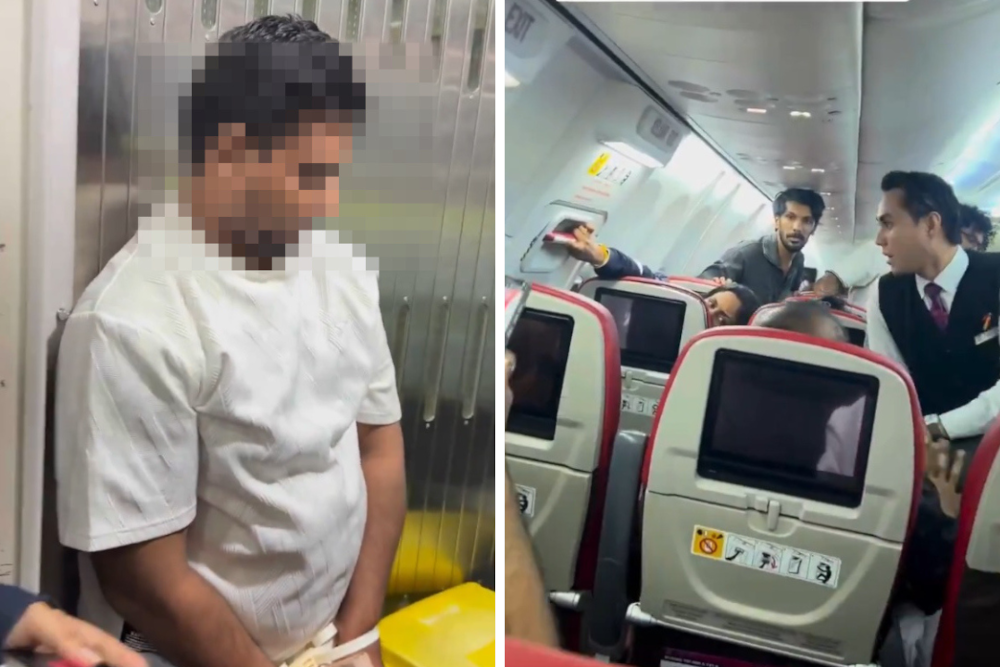
A man has been arrested following an incident aboard a Batik Air flight in which he allegedly attempted to open an emergency exit door while the aircraft was airborne at cruising altitude between Malaysia and India. The dramatic event, which occurred at 9,144 metres above ground level, has prompted fresh scrutiny of in-flight security measures and passenger behaviour protocols on regional carriers operating in Southeast Asia.
The arrest marks another concerning episode in a series of disruptive passenger incidents that have affected aviation safety across the region. Such occurrences place immediate pressure on flight crew members who must balance passenger safety with de-escalation techniques, all while maintaining the aircraft's operational integrity. The incident underscores the critical importance of trained personnel and rapid response procedures aboard commercial flights.
Emergency exit doors on commercial aircraft are equipped with sophisticated locking mechanisms specifically designed to prevent accidental or intentional opening during flight. The physics of cabin pressurisation means that at cruising altitude, the internal air pressure differential makes it virtually impossible for a person to force open such doors, a fundamental safety feature built into modern aircraft design. Nevertheless, attempts to tamper with emergency exits create severe disruption and pose psychological threats to other passengers.
Batik Air, the low-cost carrier subsidiary of Malaysia Airlines, operates extensive regional networks connecting Malaysia with destinations across South Asia, Southeast Asia, and the Middle East. The airline's fleet primarily consists of Boeing 737 aircraft, which are among the most commonly operated commercial jets worldwide. Incidents involving passenger misconduct on any flight require immediate reporting to aviation authorities and can result in significant operational and reputational consequences for airlines.
The response to such incidents typically involves coordination between flight crew, cabin personnel, and ground authorities. Modern aircraft are equipped with communication systems enabling pilots to alert ground control and divert if necessary, though such measures are rarely required for isolated disruptive behaviour. In this case, the passenger was apprehended before any threat to flight safety materialised, demonstrating the effectiveness of crew training and in-cabin safety protocols.
Passenger misconduct has emerged as an increasingly prominent concern for airlines operating in the Asia-Pacific region. Contributing factors include crowded cabins, extended flight times, varying passenger familiarity with aviation protocols, and occasionally the influence of alcohol or other substances. Airlines have implemented stricter policies regarding disruptive behaviour, including potential bans from future flights and cooperation with law enforcement authorities.
The legal framework governing in-flight incidents varies across jurisdictions, but most countries classify attempts to interfere with aircraft safety equipment as serious criminal offences. Malaysia, India, and the airspace traversed between the two nations all have robust legislation addressing aviation security violations. Perpetrators of such acts typically face substantial penalties including lengthy imprisonment, hefty fines, and permanent prohibition from commercial aviation.
This incident arrives amid broader conversations about aviation security in Southeast Asia. While the region has maintained strong safety records compared to global averages, isolated events such as this remind stakeholders—including airlines, regulators, and airport operators—of the necessity for continuous vigilance and investment in security infrastructure and personnel training.
For Malaysian travellers, such incidents carry particular relevance given Malaysia's role as a major aviation hub serving millions of passengers annually across Kuala Lumpur International Airport and other regional gateways. The incident serves as a reminder of the importance of compliance with crew instructions and awareness that violations of aviation regulations carry serious consequences.
Airlines operating regional routes have responded to increasing passenger misconduct by enhancing crew training programmes, implementing strict cabin service policies, and establishing clear communication protocols with ground authorities. Some carriers have also deployed additional security personnel on high-risk routes or implemented behavioural assessment procedures during check-in processes.
The investigation into this specific incident will likely examine the passenger's motivations, any contributing factors such as medical emergencies or psychological distress, and whether the individual faced any prior incidents of disruptive behaviour. Aviation authorities in both Malaysia and India will coordinate to ensure comprehensive documentation and appropriate follow-up action.
Moving forward, this incident reinforces the critical role that passenger awareness and crew professionalism play in maintaining aviation safety. For the broader travelling public in Southeast Asia, cooperation with crew members and adherence to safety regulations remain essential for ensuring that regional air travel continues to serve as a safe, efficient, and reliable transportation option for millions of daily passengers.

