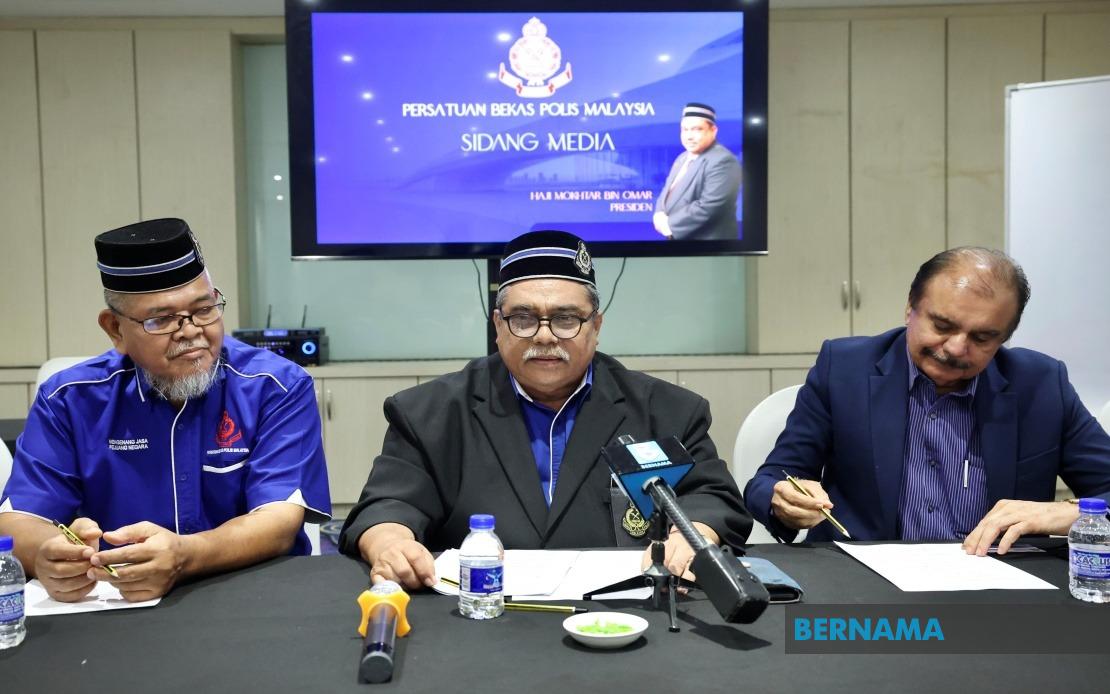
The Malaysian Ex-Police Association (PBPM) has launched a formal appeal to the federal government, requesting the establishment of a monthly cost-of-living allowance scheme targeting non-pensionable former police personnel. The initiative reflects growing concern about the financial vulnerability of a significant cohort of retired officers who contributed to national security but were not entitled to pension benefits upon leaving service. Association president Mokhtar Omar revealed that approximately 40,000 of the organization's 86,000 registered members fall into this category, based on documented records extending back to 1972.
The non-pensionable group encompasses officers from diverse operational backgrounds and historical periods. Many served during Malaysia's Emergency era, while others were recruited as contract inspectors, members of the Special Squad, or personnel within the Home Guard structure. These roles were critical to maintaining public order and national security during turbulent chapters of the nation's history. Despite their contributions to safeguarding the country, these individuals were excluded from formal pension arrangements, creating a pension gap that has become increasingly problematic as they advance in age and face mounting healthcare and living expenses.
Officers in this category now confront genuine financial strain following the loss of regular employment income. Rising costs of living across Malaysia have compounded their predicament, affecting purchasing power for essentials including food, medicine, and utilities. Many are elderly or approaching advanced age, making reemployment impractical and reducing alternative income-generating opportunities. This demographic reality underscores the urgency of the PBPM's appeal, as the window for providing meaningful support to this aging population continues to narrow with each passing year.
The PBPM has proposed a specific financial framework to address this challenge. The organization has recommended establishing a monthly special allowance ranging from RM300 to RM500 for eligible recipients. While modest by contemporary standards, such an allocation would provide meaningful supplementation to basic living costs and help bridge the gap between necessity and available resources. Mokhtar emphasized that providing such assistance would not impose unreasonable fiscal burdens on the federal government, particularly given the relatively small and diminishing size of this beneficiary population.
Beyond the core allowance proposal, the PBPM has outlined a broader agenda for enhancing support structures for former police personnel. The association advocates for a comprehensive review of the Police Heritage Trust Fund (TAWP), which currently administers welfare assistance to this constituency. This review would seek to increase the quantum of assistance provided through existing channels while simultaneously expanding the scope of welfare coverage. The proposed expansion would encompass educational support for dependents, healthcare assistance including subsidized medical services, and emergency relief during disasters—addressing multiple dimensions of vulnerability beyond basic subsistence.
The welfare aspirations of the non-pensionable group reflect systemic gaps in Malaysia's social safety net for certain categories of public servants. Unlike pensionable officers who receive structured retirement income, non-pensionable personnel lack institutionalized long-term financial security. This distinction creates a two-tiered retirement outcome within the same profession, where service duration and sacrifice do not always correlate with retirement benefits. Addressing this disparity would align with broader principles of equitable treatment and recognition of national service.
Recognizing the limitations of government resources and the need for supplementary funding mechanisms, PBPM Information Chief Datuk Dr Basant Singh Sidhu announced plans to organize a fundraising dinner in October. This initiative aims to mobilize corporate sector participation and generate RM1 million through contributions from multinational enterprises, private organizations, and concerned individuals. The fundraising approach acknowledges shared responsibility for welfare provision, distributing the burden across government, business, and civil society rather than concentrating it entirely on the state budget.
The anticipated revenue from the October fundraising event would be directed toward immediate welfare needs of association members experiencing hardship. The distribution strategy targets practical requirements including medical equipment provision, wheelchairs for mobility-impaired individuals, nutritional supplements such as milk, and auditory devices for those with hearing impairments. This targeted approach addresses tangible health and mobility challenges rather than dispersing funds broadly, ensuring resources reach those with acute needs.
The PBPM's dual-track approach—combining government advocacy with community-based fundraising—reflects pragmatism about the contemporary fiscal environment. Malaysian budgetary constraints and competing demands for social expenditure create realistic limits on what government can unilaterally provide. By mobilizing business sector engagement and public goodwill, the association creates supplementary funding streams while simultaneously elevating public awareness about this vulnerable demographic's circumstances. This strategy potentially creates momentum for eventual government action by demonstrating sustained commitment and building broader stakeholder recognition of the issue.
For Malaysia's growing demographic of elderly former public servants, the PBPM initiative carries broader significance beyond the immediate police personnel constituency. Success in establishing formal support mechanisms for non-pensionable former police could establish precedent and template for addressing similar gaps affecting other occupation groups lacking adequate retirement provisions. The outcome may influence policy discussions regarding universal pension coverage, retirement security, and government responsibility toward aging former employees across multiple sectors.
The underlying tension between financial constraint and equity obligation remains central to this policy discussion. Non-pensionable former police officers represent individuals whose career choices and service predated current pension legislation, yet face consequences of earlier regulatory frameworks. Addressing historical inequities in benefit distribution presents both a moral imperative and practical governance challenge. The PBPM's advocacy, combined with independent fundraising efforts, represents an attempt to bridge this gap through multi-stakeholder engagement rather than singular government responsibility.
Moving forward, the reception of these proposals within government circles will reveal policy priorities regarding aging populations and public sector welfare obligations. The RM300-RM500 monthly allowance figure, while significant for beneficiaries, represents a relatively contained fiscal commitment for the federal budget. Whether government responds affirmatively may depend partly on broader fiscal conditions and competing budget priorities, as well as political assessment of veteran constituencies' electoral significance and social cohesion considerations.

