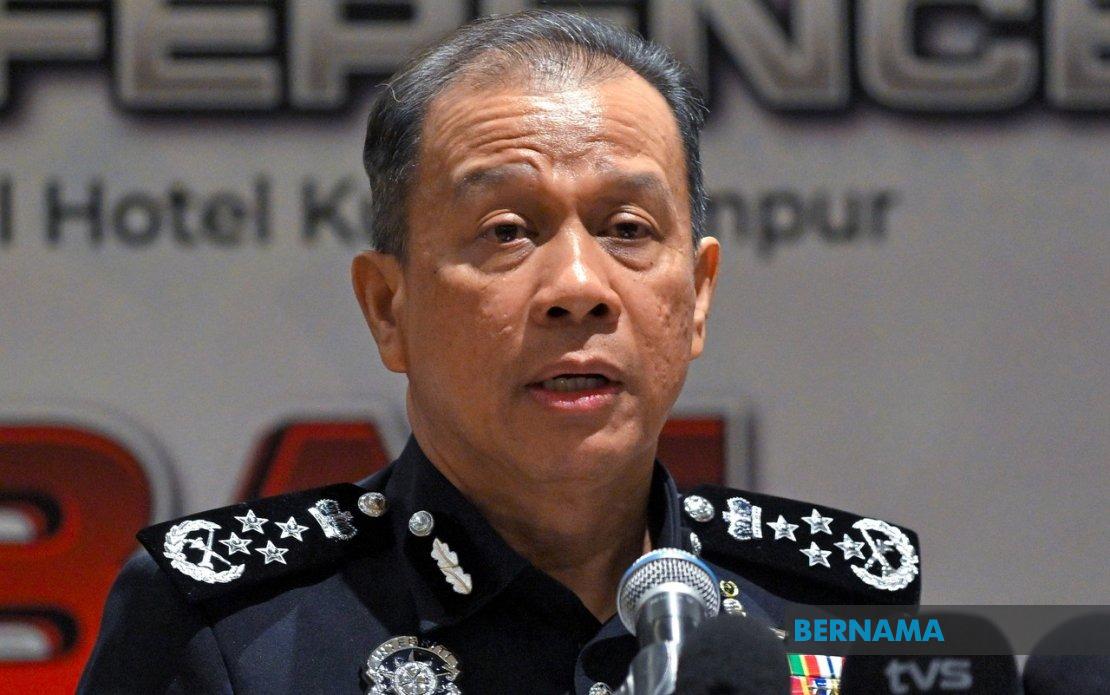
The Royal Malaysia Police has pledged full cooperation with a Cabinet decision to integrate police personnel into the country's Aviation Security (AVSEC) framework, marking a significant shift in how Malaysia secures its airport infrastructure. Inspector-General Tan Sri Mohd Khalid Ismail confirmed the force's commitment to the initiative, which represents an immediate action to bolster security controls at aviation facilities across the nation.
The decision emerges amid heightened scrutiny of airport operations following recent incidents, including the detention of a Malaysian pilot in Indonesia on drug smuggling allegations. This case highlighted potential vulnerabilities in existing security procedures and prompted the government to consider more robust measures. The Cabinet's directive reflects broader concerns about safeguarding Malaysia's aviation ecosystem from emerging threats, whether criminal exploitation or security breaches.
According to the Inspector-General, PDRM is currently working alongside the Home Ministry, Ministry of Transport, and other relevant agencies to develop comprehensive implementation guidelines. These discussions encompass critical operational dimensions including officer deployment locations, personnel requirements, specific assignment scopes, departmental responsibilities, and mechanisms for coordinating actions across multiple security layers. The detailed planning phase signals a structured approach rather than hasty deployment, ensuring police integration addresses genuine security gaps.
The proposed arrangement would leverage police capabilities in intelligence gathering and sharing—a capacity that civilian aviation security staff may lack in isolation. By positioning uniformed officers within the AVSEC framework, Malaysian authorities aim to enhance early threat detection, coordinate law enforcement responses more effectively, and create deterrence against individuals or groups attempting to misuse airport facilities for illicit purposes. This intelligence-centric approach reflects international best practices where security agencies work within integrated command structures.
The strengthened aviation security system envisions multiple protective layers working in concert. Beyond police deployment, the enhanced framework includes tightened access control procedures, improved passenger and baggage screening protocols, upgraded risk assessment mechanisms, and strengthened cooperation between airport operators, customs, immigration, and security agencies. This comprehensive approach acknowledges that no single measure can eliminate aviation risks; instead, layered defences create resilience against diverse threat vectors.
Inspector-General Mohd Khalid emphasized that intelligence-led, integrated security controls are expected to significantly reduce exploitable gaps while improving the system's preventive capacity. The focus on preventive measures rather than reactive enforcement aligns with modern security doctrine, which prioritizes identifying and neutralizing threats before they materialise. This approach typically proves more cost-effective than managing incidents after they occur.
The government's emphasis on flight safety and border security reflects Malaysia's critical role as a regional aviation hub. Kuala Lumpur International Airport and other major facilities process millions of passengers annually, making them potential targets for trafficking, smuggling, or other criminal enterprises. Maintaining passenger confidence in airport security is essential for Malaysia's tourism and trade sectors, which depend on secure, efficient air transport infrastructure.
The PDRM's assurance that aviation security will not be compromised underscores institutional commitment to the initiative. The force's statement that any attempt to exploit aviation for criminal purposes will be met with decisive action projects both capability and resolve. This messaging is directed toward both potential offenders and the travelling public, signalling that Malaysia takes aviation security seriously and possesses the capacity to enforce it.
Implementation timelines and resource allocation remain to be finalized through interagency coordination. The complexity of integrating police personnel into existing AVSEC operations—including training requirements, command structures, and legal authority—necessitates careful planning. Delays in working through these logistical and procedural details are normal and reflect the government's determination to execute the initiative properly rather than superficially.
For Malaysian and Southeast Asian observers, this development signals a broader security reassessment within the region. As transnational crime networks exploit air transport corridors and aviation security threats evolve, governments increasingly recognize that civilian security personnel alone may require support from law enforcement expertise. Malaysia's move may establish a template for other regional nations considering similar enhancements.
The initiative also reflects domestic political responsiveness, with the government demonstrating agility in addressing public concerns raised by high-profile incidents. By moving quickly to announce concrete measures while maintaining systematic implementation planning, authorities balance the need for visible action with the requirement for operational soundness. This approach can restore public confidence if execution matches the announced commitment.

