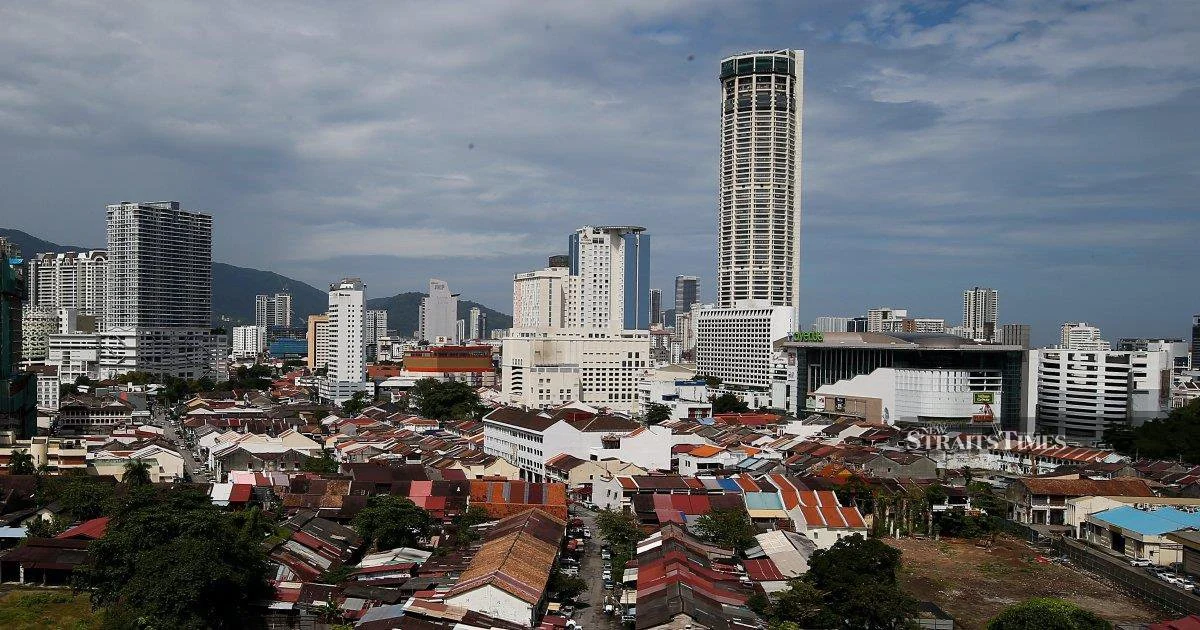
The Penang DAP Socialist Youth, commonly known as Dapsy, has dismissed the environmental movement's characterisation of the Penang South Reclamation project as an "illegal island," framing such language as deliberate political propaganda designed to undermine the state government's development ambitions. The rebuke comes in the aftermath of Sahabat Alam Malaysia's unsuccessful judicial appeal, which represents a significant setback for those seeking to halt the controversial waterfront expansion initiative.
Sahabat Alam Malaysia, one of Southeast Asia's longest-established environmental advocacy organisations, had mounted a legal challenge to the reclamation scheme, but the court's decision to reject the appeal provides political ammunition for project supporters. The ruling effectively removes a major institutional obstacle to the development, strengthening the hand of state authorities who view the reclamation as essential infrastructure for Penang's economic growth and urban expansion.
The dispute over terminology reveals a deeper ideological battle between those who prioritise economic development and those emphasising environmental conservation. By labelling the NGO's language as propaganda, Dapsy suggests that opponents of the project are employing inflammatory rhetoric rather than engaging substantively with the technical and legal merits of the reclamation initiative. This framing seeks to delegitimise environmental concerns as mere political posturing rather than legitimate scientific or ecological critiques.
Penang's reclamation projects have become emblematic of broader tensions in Malaysia between rapid urbanisation and environmental stewardship. For the state government and its supporters, such developments represent necessary infrastructure investments to accommodate a growing population and expand the state's competitive advantages as a major urban and manufacturing hub in the northern corridor. The Penang South Reclamation specifically is envisioned as addressing housing shortages and creating new economic zones to generate employment.
The court's decision to reject Sahabat Alam Malaysia's appeal carries significant implications beyond the immediate project. It may embolden state authorities to accelerate other contentious development plans, while simultaneously demoralising environmental groups that rely on judicial intervention to halt or modify projects they consider ecologically damaging. The outcome also influences how future environmental challenges in Penang—and potentially across Malaysia—may be resolved through the courts.
Environmental experts and international observers have raised concerns about the ecological impact of extensive coastal reclamation on marine ecosystems, fishing communities, and long-term coastal stability. However, the legal framework governing such developments in Malaysia has consistently favoured state authority over environmental NGO objections, provided procedural requirements are formally satisfied. This structural imbalance between development prerogatives and conservation interests remains a contentious feature of Malaysian environmental governance.
The Dapsy response reflects a strategic choice by ruling party youth wings to actively defend controversial policies against criticism. Rather than remaining neutral or allowing the court decision to speak for itself, party activists have chosen to delegitimise the opposition's language and framing, suggesting that the real issue is not environmental integrity but political motivation. This rhetorical strategy aims to shift debate away from substantive environmental questions toward questions of legitimacy and political credibility.
For Malaysian readers, particularly those in Penang and the surrounding region, the implications extend to long-term urban planning and coastal management. Reclamation projects reshape waterfront geography permanently, affecting fisheries, tourism, and community spaces. The Penang South Reclamation decision may establish precedents that influence how state governments approach similar initiatives, potentially reducing scrutiny of environmental assessments and community consultation processes.
Sahabat Alam Malaysia's unsuccessful legal challenge demonstrates the limitations facing environmental organisations operating within Malaysia's existing institutional framework. While the NGO can mobilise public concern and technical expertise, the courts have not proven reliably responsive to environmental arguments when development proponents can demonstrate procedural compliance and state interest. This pattern suggests that environmental protection in Malaysia ultimately depends more on executive decision-making and political will than on judicial intervention.
Looking forward, the dispute over the Penang South Reclamation project will likely continue beyond the courts, with environmental groups potentially shifting focus toward public pressure campaigns, stakeholder engagement, and community-based resistance. The Dapsy response indicates that state authorities anticipate continued criticism and are preparing rhetorical and political defences in advance.
For Southeast Asia broadly, Penang's reclamation trajectory reflects broader regional patterns where economic development priorities consistently override environmental considerations when these collide. The outcome resonates beyond Penang's borders, potentially influencing how other Malaysian states and neighbouring countries approach coastal development decisions and environmental governance.

