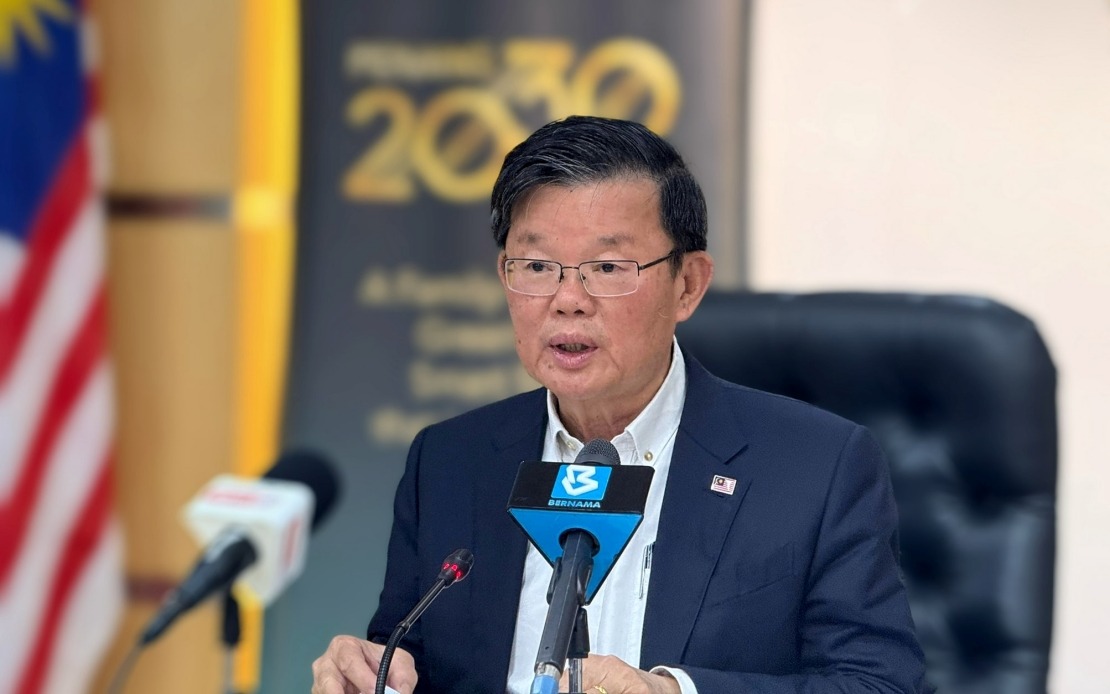
Penang's Pakatan Harapan leadership has initiated a systematic overhaul of its electoral machinery, with coalition chairman Chow Kon Yeow directing all state-level subcommittees to evaluate their work and submit detailed progress assessments during early August. The move signals intensified preparations for the upcoming general election, reflecting the coalition's determination to maintain its position as the preferred choice among Penang voters.
Spoken during a George Town media briefing, Chow's directive encompasses a broad-based examination of the coalition's operational structures and campaign frameworks. The process is designed to identify organisational shortcomings whilst simultaneously capitalising on existing competitive advantages. This dual approach—remedying vulnerabilities whilst reinforcing strengths—represents a pragmatic acknowledgment that electoral success demands continuous adaptation rather than complacency.
The Chief Minister emphasised that the coalition welcomes external input and constructive criticism as integral components of this refinement process. By explicitly inviting feedback from stakeholders and party members, PH appears to be adopting a more inclusive strategic methodology rather than relying solely on internal deliberation. This openness to diverse perspectives could prove advantageous in addressing blind spots that senior leadership might otherwise overlook.
Chow's statement underscores a critical distinction in Malaysian electoral politics: success in one election cycle does not guarantee similar outcomes in subsequent contests. The coalition's willingness to conduct systematic reviews demonstrates awareness of shifting voter preferences and changing political dynamics. For a government that achieved dominant representation in the 2023 Penang state election, such proactive measures suggest leadership cognisant of the perpetual need to earn voter confidence rather than assume it.
The governance stability within Penang's Unity Government framework appears robust, according to Chow, with no reported friction among the coalition's component parties. The Chief Minister's assertion that cooperation between DAP, PKR, Amanah, and BN representatives continues without complications provides reassurance to investors and residents concerned about potential governmental instability. This harmony stands in contrast to tensions observed in other Malaysian states, where coalition partners have occasionally clashed over seat allocations and ministerial appointments.
The composition of Penang's 2023 electoral victory remains significant for understanding the coalition's current strategic position. DAP's sweep of all 19 contested seats consolidated its grip on state politics, whilst PKR's seven seats and Amanah's single seat provided broader coalition credentials. BN's two-seat allocation, despite its reduced presence, symbolically represents the Unity Government concept championed at the federal level. This distribution of power creates both opportunities and constraints for PH's future campaign strategy.
For Malaysian observers tracking broader political trends, Penang's preparatory activities offer insight into how ruling coalitions approach re-election challenges in a competitive environment. Unlike states where governments face declining popularity or internal discord, PH's situation in Penang appears characterised by organisational consolidation rather than crisis management. The decision to demand detailed subcommittee reports by early August suggests a structured timeline for translating assessments into tactical adjustments.
The implications for Southeast Asian political dynamics extend beyond Penang's borders. As Malaysia's most developed state and a bellwether for progressive governance in the region, Penang's electoral performance influences perceptions of PH's viability as a national governing coalition. The state's economic strength and multinational business presence mean that political stability there carries weight among international investors evaluating Malaysia's broader institutional health.
Chow's framing of the strategic review process emphasises organisational renewal rather than existential repositioning. This language choice matters significantly in Malaysian politics, where sudden strategic shifts can signal weakness or loss of voter confidence. By presenting the review as routine calibration—adjusting to address weaknesses and reinforce strengths—PH frames the exercise as evidence of confident, capable governance rather than desperate remediation.
The early August reporting deadline creates accountability mechanisms within the coalition structure. Subcommittees will need to articulate specific findings and recommendations, transforming abstract discussion of organisational health into concrete deliverables. This timeline also positions the coalition to refine campaign strategies and messaging well before any formal election call, providing multiple months for testing revised approaches and securing voter endorsement.
Looking forward, the extent to which this strategic review translates into tangible improvements in electoral operations will determine its practical significance. Many Malaysian political organisations undertake similar exercises that ultimately yield modest operational changes, with core strategies remaining substantially unchanged. The real test will emerge in campaign performance and voter response once the next general election campaign commences.
For Malaysian readers assessing political developments, Penang's preparation process exemplifies the mechanics of modern electoral competition in democracy systems. The coalition's combination of confident messaging about unity, openness to critical evaluation, and structured organisational procedures reflects competent political management. Whether these preparations prove sufficient to defend PH's position against potential opposition challenges will become clearer as election preparations accelerate throughout the coming months.

