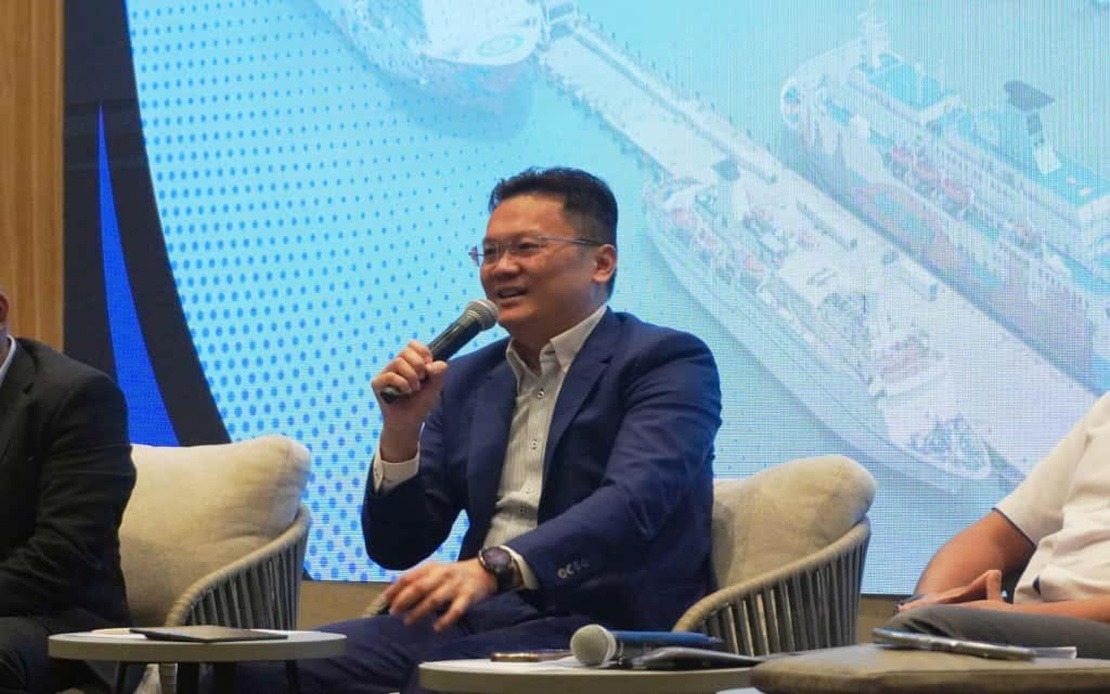
The Penang Port Commission has introduced a comprehensive Standard Operating Procedure governing the handling of ship-generated waste across all port terminals, marking a significant step in the authority's commitment to environmental stewardship and sustainable port operations. According to Datuk Yeoh Soon Hin, the Commission's chairman, the new framework establishes uniform protocols for waste management while ensuring strict compliance with Malaysian environmental and maritime regulations. This development reflects growing regional pressure to address marine pollution and aligns Penang Port's operational standards with international best practices for environmental protection.
The implementation of this SOP responds to broader policy directives from Transport Minister Anthony Loke, whose Green Port vision seeks to transform Malaysia's maritime infrastructure into environmentally responsible economic hubs. By establishing clear procedural guidelines, Penang Port Commission aims to eliminate inconsistencies in waste handling practices that have historically created regulatory gaps and environmental risks. The move demonstrates how a major regional port is operationalising national sustainability commitments through concrete operational measures, providing a potential model for other Malaysian port authorities seeking to balance commercial activity with environmental protection.
Under the new framework, all waste management companies must navigate a multi-agency approval process before commencing operations. Prospective operators require valid licensing from Penang Port Commission itself, coupled with separate approvals from the Department of Environment, the National Water Services Commission (SPAN), the Royal Malaysian Customs Department, and relevant local authorities. This layered approach reflects Malaysia's complex environmental governance structure, where port operations intersect with water quality management, customs controls, and municipal regulations. While comprehensive, such multi-agency requirements can create administrative burdens for operators, particularly smaller service providers unfamiliar with Malaysia's bureaucratic landscape.
The SOP establishes three distinct waste categories requiring differentiated handling protocols: scheduled waste originating from vessel operations, domestic waste including ship-generated dunnage materials, and sewage discharge from maritime traffic. Each category carries distinct environmental and public health implications, necessitating separate disposal pathways and technical management approaches. Operators must verify waste quantities in coordination with vessel representatives and subsequently submit detailed documentation including disposal certificates and discharge permits to both Penang Port Commission and relevant regulatory bodies. This documentation requirement creates an auditable trail, enabling authorities to track waste flows and identify potential violations of disposal standards.
Operators bear full responsibility for ensuring that all waste handling activities conform to prescribed safety and environmental standards outlined in the circular. This allocation of liability incentivizes private waste management companies to invest in appropriate facilities, training, and quality assurance mechanisms rather than relying on port authority oversight alone. However, the enforcement effectiveness depends upon Penang Port Commission's capacity to conduct regular inspections and audits—a resource-intensive undertaking that requires sustained budgetary commitment. The circular's success ultimately hinges on whether the regulatory framework translates into genuine environmental improvements or becomes merely a paper compliance exercise.
The initiative directly supports the port's transition toward lower-carbon operations and more sustainable business models. Environmental degradation from maritime activities—particularly inadequate waste handling—imposes significant costs on coastal ecosystems, fisheries, and public health in surrounding communities. By institutionalising responsible waste management practices, Penang Port acknowledges its role within the broader environmental footprint of Malaysia's maritime sector. This approach reflects evolving international maritime norms, where port authorities increasingly function as environmental stewards rather than purely commercial facilitators, a shift that carries implications for competitiveness and regulatory standing within global shipping networks.
The SOP reinforces existing pollution prevention mechanisms while introducing enhanced monitoring and verification procedures. By mandating the use of approved disposal facilities and comprehensive post-operation reporting, the Commission creates multiple checkpoints for identifying and addressing environmental violations. Regular inspections and audits enable authorities to identify emerging compliance issues before they escalate into serious environmental incidents. Additionally, the framework encourages the adoption of emerging technologies and proven best practices that reduce waste generation and expand recycling opportunities, acknowledging that regulatory compliance alone proves insufficient for achieving genuine sustainability.
For Malaysian readers and businesses engaged in maritime commerce, this development carries both operational and strategic implications. Shipping companies and waste management service providers must now navigate more stringent procedural requirements, potentially increasing compliance costs in the short term. However, standardised procedures also reduce regulatory uncertainty and create a more level competitive playing field among legitimate operators, potentially displacing informal or non-compliant service providers. Port users may experience slightly longer terminal processing times as vessels and operators complete additional documentation and verification procedures, though such minor delays represent acceptable trade-offs for enhanced environmental protection.
Penang Port's positioning as a environmentally-conscious maritime hub carries commercial advantages within an increasingly sustainability-conscious global shipping industry. Major international shipping lines and cargo owners increasingly prefer ports demonstrating robust environmental credentials, viewing such facilities as lower-risk operating environments. By implementing comprehensive waste management standards, Penang Port enhances its attractiveness to environmentally-conscious operators while potentially qualifying for preferred designation within certain shipping networks' sustainability initiatives. This competitive dimension suggests that the SOP represents not merely a regulatory burden but a strategic investment in the port's long-term commercial viability and regional market positioning.
The regulatory framework also addresses growing public and community concerns regarding environmental quality in port vicinity areas. Coastal communities surrounding Penang Port have increasingly articulated concerns about marine pollution, water quality degradation, and ecosystem impacts from maritime activities. By visibly implementing comprehensive waste management protocols, Penang Port Commission responds to community expectations and reduces potential conflicts between port operations and residential interests. This stakeholder engagement dimension proves particularly significant in Malaysian port contexts, where competing demands for coastal space and resources frequently generate friction between economic development and environmental protection advocates.
Moving forward, Penang Port Commission's effectiveness in implementing this SOP will depend upon consistent resource allocation, sustained inter-agency coordination, and genuine commitment to enforcement. The framework's existence alone provides no guarantee of improved environmental outcomes; rather, implementation quality determines actual environmental impact. Malaysian policymakers and port stakeholders should monitor whether the SOP achieves its stated objectives of reducing marine pollution, promoting responsible waste management, and advancing recycling practices, or whether implementation proves inconsistent or subject to informal circumvention. The port's experience may generate valuable lessons for other Malaysian maritime authorities considering similar environmental management frameworks.

