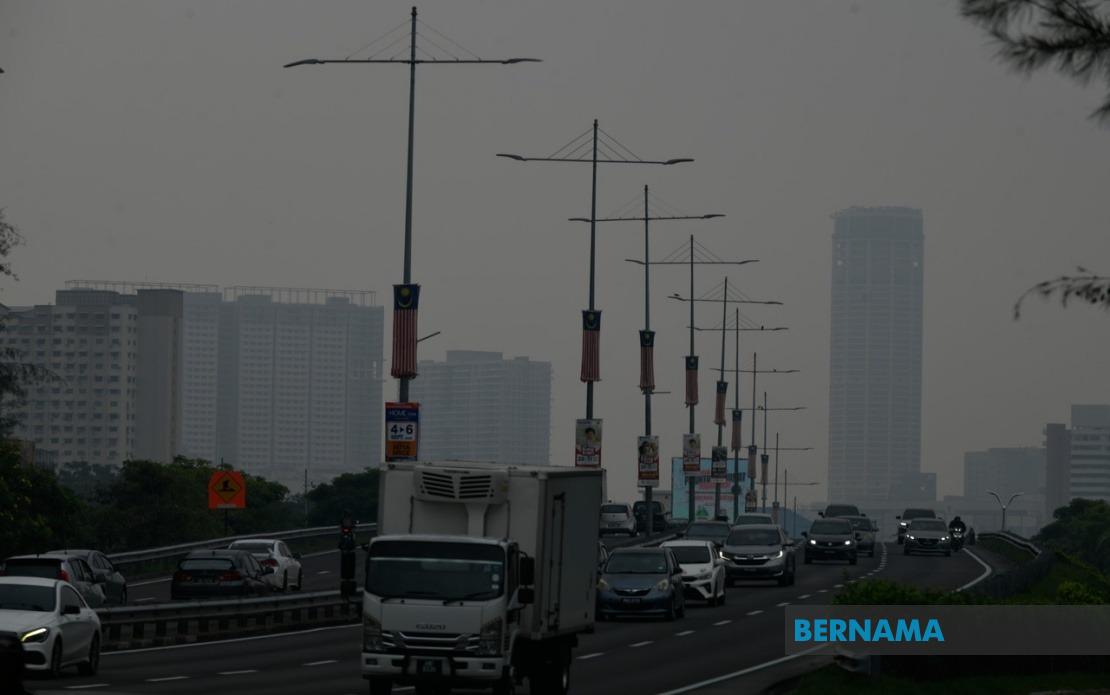
The Penang Education Department has escalated its directives to all schools and district education offices across the state, requiring immediate improvements to their preparedness systems as atmospheric haze conditions continue to deteriorate. The heightened alert underscores growing concerns about air quality impacts on students and staff, particularly as the situation develops across multiple locations in Penang and beyond.
Central to the new protocols is a tiered response framework tied to Air Pollutant Index readings, which serves as the primary metric for decision-making. When API measurements reach 100, schools must immediately cease all outdoor activities including sports, outdoor classes, and recreational programmes. This threshold reflects the point at which air quality becomes unhealthy for vulnerable populations. The directive creates a clear operational trigger that removes guesswork from administrative decision-making at individual school levels.
The situation escalates further at higher pollution levels. Once the API exceeds 200, schools face mandatory closure requirements, forcing a complete suspension of face-to-face operations. This threshold represents hazardous air quality conditions where even healthy individuals may experience respiratory distress. The third and most severe level occurs when API readings surpass 500, at which point teachers and school personnel are explicitly exempted from reporting to their workplaces, signalling a public health emergency of significant proportions.
Beyond the API-based framework, the education department has mandated a suite of preventative measures for student welfare. Schools must guarantee adequate drinking water availability and actively encourage students to maintain proper hydration, a critical health factor during periods of poor air quality. The department has also instructed administrators to reduce student exposure to outdoor air where feasible, suggesting modifications to class schedules, increased use of indoor facilities, and careful ventilation management within school buildings.
Special consideration has been directed towards vulnerable student populations, particularly those with pre-existing health conditions or those displaying symptoms of illness. Schools are required to monitor these students closely and take appropriate protective actions, which may include allowing them to remain indoors during recess periods or exempting them from outdoor physical education classes. The use of protective face masks has been encouraged for both students and staff, though implementation remains at the discretion of individual schools based on their specific circumstances.
The monitoring responsibilities extend beyond school walls into a coordinated state-level system. Each school must continuously track API readings using official Department of Environment data and maintain constant vigilance for updated warnings and alerts. More importantly, schools are required to report their environmental observations and the specific measures they implement back to their respective District Education Offices and the central Penang Education Department. This feedback loop enables authorities to compile comprehensive real-time data on haze impacts across the state and coordinate resources more effectively.
The timing of these directives reflects immediate ground-level concerns in Penang. As of the afternoon of August 25, the Department of Environment recorded unhealthy air quality readings across 29 locations nationwide, with several Penang areas among the affected zones. Minden, Seberang Perai, and Balik Pulau were specifically identified as recording unhealthy API levels, indicating that the problem was already materialising in multiple districts rather than remaining confined to isolated pockets.
For Malaysian educators and administrators in other states, Penang's systematic approach offers a model for comprehensive haze management. The framework combines quantifiable decision-making criteria with human-centred welfare considerations, recognising that school closures and activity suspensions carry educational and social costs that must be weighed against health risks. The requirement for continuous monitoring and upward reporting also establishes accountability mechanisms that make environmental management a shared responsibility rather than leaving decisions solely to individual school principals.
The escalation in preparedness measures reflects a broader regional pattern of air quality challenges during certain seasons, a phenomenon that has affected Southeast Asia repeatedly over the past two decades. Schools across Malaysia, Singapore, and Indonesia have increasingly adopted similar protocols, though coordination remains inconsistent. Penang's centralised directive represents an effort to standardise responses and prevent the ad hoc decision-making that can leave some students and staff at greater risk.
For parents and students, these protocols signal both reassurance and disruption. While systematic safeguards provide comfort that authorities are taking health concerns seriously, the possibility of sudden activity suspensions or full closures requires families to maintain contingency plans. Parents of children with respiratory conditions should proactively engage with their schools to ensure adequate protective measures are in place before crisis-level pollution occurs. Similarly, students and staff should familiarise themselves with the API thresholds and understand how readings translate into operational changes at their specific institutions.
The effectiveness of these measures ultimately depends on schools' actual implementation capacity. Ensuring adequate drinking water supplies, managing indoor air quality through proper ventilation, and accurately monitoring API readings all require resources and administrative attention. Schools in less-resourced areas may face challenges meeting these requirements comprehensively, potentially creating equity gaps in haze protection. The education department's role in providing technical support and oversight thus becomes critical for consistent implementation across socioeconomically diverse schools.
Looking ahead, continued atmospheric monitoring will determine whether these precautionary measures remain sufficient or require further escalation. The development of regional haze is complex, influenced by transboundary air movements and seasonal climate patterns. Penang's preparedness framework, while well-structured, is ultimately reactive to weather and environmental conditions beyond Malaysia's direct control, underscoring the importance of regional cooperation on air quality management.

