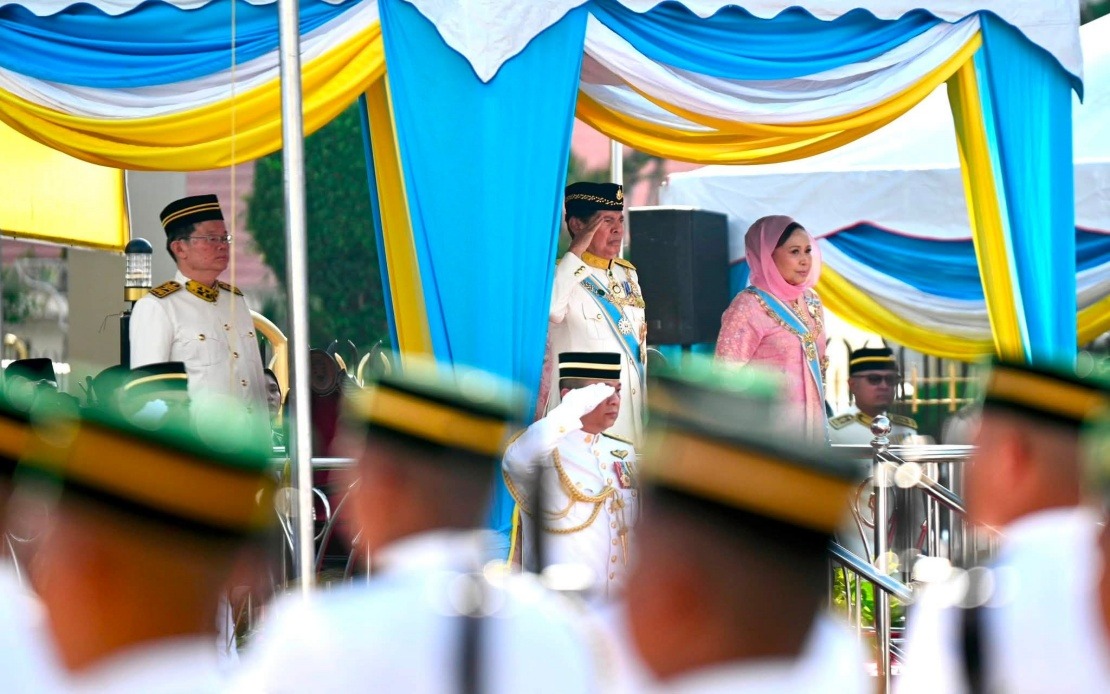
Penang is taking a significant step towards becoming the first state in Peninsular Malaysia to secure formal recognition under the East Asian–Australasian Flyway (EAAF) network by establishing the Penaga mudflats as a protected sanctuary for birds traversing the region's critical migration corridors. Chief Minister Chow Kon Yeow announced this conservation initiative during the state honours investiture ceremony marking the Yang di-Pertua Negeri's 85th birthday, framing the designation as integral to Penang's broader environmental stewardship agenda. The move represents a deliberate effort to harmonise economic development with ecological preservation, addressing the growing imperative for Asian economies to integrate nature conservation into their growth strategies.
The EAAF network encompasses one of the world's most important bird migration systems, stretching from northeastern Siberia to Australia and encompassing crucial stopover sites across East Asia and Southeast Asia. For Penang, recognition within this framework would validate its commitment to maintaining habitat corridors essential for species that depend on the state's coastal ecosystems during their annual journeys. The Penaga mudflats, located along the state's coastline, serve as a critical resting and feeding ground for migratory shorebirds and waterfowl, many of which face declining populations due to wetland loss across Asia. By formalising protection of these mudflats, Penang joins a select number of Malaysian sites already designated under the EAAF network, including several in Sarawak and peninsular sites that have gained this status in recent years.
Chow articulated the designation as a manifestation of Penang 2030, the state's long-term vision framework that prioritises development alongside environmental sustainability and quality of life. Rather than positioning conservation as an obstacle to progress, the Chief Minister presented it as foundational to the state's competitive advantage in attracting sustainable investment and maintaining livability for residents. This framing resonates with broader regional trends where states and corporations increasingly recognise that ecological degradation imposes substantial economic costs through climate impacts, resource depletion, and loss of ecosystem services. For Penang, which faces significant coastal vulnerability given its geography and concentration of manufacturing and tourism sectors, biodiversity protection and climate adaptation are interconnected priorities rather than competing objectives.
The state's forest conservation portfolio has expanded considerably, with permanent forest reserves now covering 6,509.21 hectares. Within this portfolio, 3,640 hectares have been formally gazetted as water catchment areas, representing a strategic investment in long-term water security. This designation protects headwater forests that regulate water flow, maintain aquifer recharge, and filter runoff before it reaches reservoirs and treatment facilities. For a state that historically faced water scarcity and remains vulnerable to droughts exacerbated by climate variability, maintaining forested catchments is economically rational alongside being environmentally beneficial. The connection between forest conservation and water security is particularly salient for Malaysian readers, as water supply remains a contentious policy issue across the peninsula, with several states periodically experiencing restrictions during dry seasons.
Penang's climate adaptation strategy extends beyond forest protection to embrace nature-based solutions that provide multiple co-benefits. The state has mobilised USD1.95 million in international climate financing to implement the Penang Nature-based Climate Adaptation Programme, reflecting growing recognition among development institutions that ecosystems can serve as infrastructure for climate resilience. Initiatives including the Blue-Green Corridor, flood retention basins, and water absorption systems function simultaneously as flood management infrastructure, urban greening, and habitat corridors. These multifunctional approaches represent a departure from conventional engineered solutions, offering cost-effective adaptation while enhancing urban aesthetics and recreational opportunities. The financing secured for these programmes demonstrates that Penang's environmental positioning has translated into tangible resource acquisition from international sources.
Water security emerges as a dominant concern in Chow's articulation of state priorities, reflecting both demographic realities and climate vulnerabilities. The Rantau Panjang barrage on Sungai Muda represents a major infrastructure investment designed to augment water availability during periods of low river flow, with completion targeted for 2027. Complementing this structural intervention, the Penang Water Supply Corporation's Water Contingency Plan 2030 entails RM1.185 billion in capital expenditure aimed at expanding treatment capacity and distribution networks. The aggregate investment underscores recognition that sustainable development requires substantial commitment to foundational services, with water security positioned as prerequisite rather than amenity. For Malaysian observers, Penang's proactive water planning contrasts with reactive approaches that characterise water management in some other states, suggesting that anticipatory infrastructure investment remains essential regardless of development level.
Social welfare policy represents the third pillar of Chow's stated agenda, with the i-Sejahtera programme serving as the flagship mechanism for supporting vulnerable populations. During Phase 1 of 2026 alone, RM53.87 million was distributed across six distinct schemes benefiting 285,370 recipients. Over the programme's 16-year operational history, total disbursements have reached RM639 million, demonstrating sustained commitment to poverty alleviation and social protection. The scale and longevity of this investment indicates that Penang's state government views social inclusion as integral to its development model rather than discretionary spending subject to budgetary fluctuations. For Malaysian policymakers and observers tracking social protection mechanisms, Penang's experience offers insight into the resource requirements and administrative structures necessary for sustained support to marginalised groups, particularly as economic transformations create winners and losers requiring targeted support.
The integration of environmental conservation, infrastructure investment, and social welfare within a single policy framework reflects a sophisticated understanding that sustainable development cannot disaggregate these domains. Chief Minister Chow's positioning of these initiatives as mutually reinforcing rather than competitive suggests that Penang's governance model attempts to address multiple dimensions of development simultaneously. The Penaga mudflats designation must thus be understood not merely as a conservation gesture but as part of a comprehensive strategy to establish Penang as a jurisdiction that balances growth with ecological stewardship and social equity. This holistic framing carries implications for how Malaysian states approach developmental challenges and may influence policy discussions at federal and other state levels regarding how environmental protection integrates with broader development objectives.
The timing of this announcement, during an honours ceremony celebrating the Yang di-Pertua Negeri, carries symbolic weight within Malaysia's constitutional framework. By embedding the conservation initiative within formal state occasions, Penang's leadership elevated environmental policy to ceremonial significance, signalling that ecological stewardship constitutes a core element of state identity and governance philosophy. For other Malaysian states and federal policymakers observing Penang's trajectory, the consistent articulation of environmental protection as central to state development strategy and identity may influence policy approaches elsewhere. The EAAF recognition, should it materialise, would position Penang within an international framework of conservation excellence, potentially enhancing its reputation for sustainable governance and attracting investment from corporations prioritising environmental performance.

