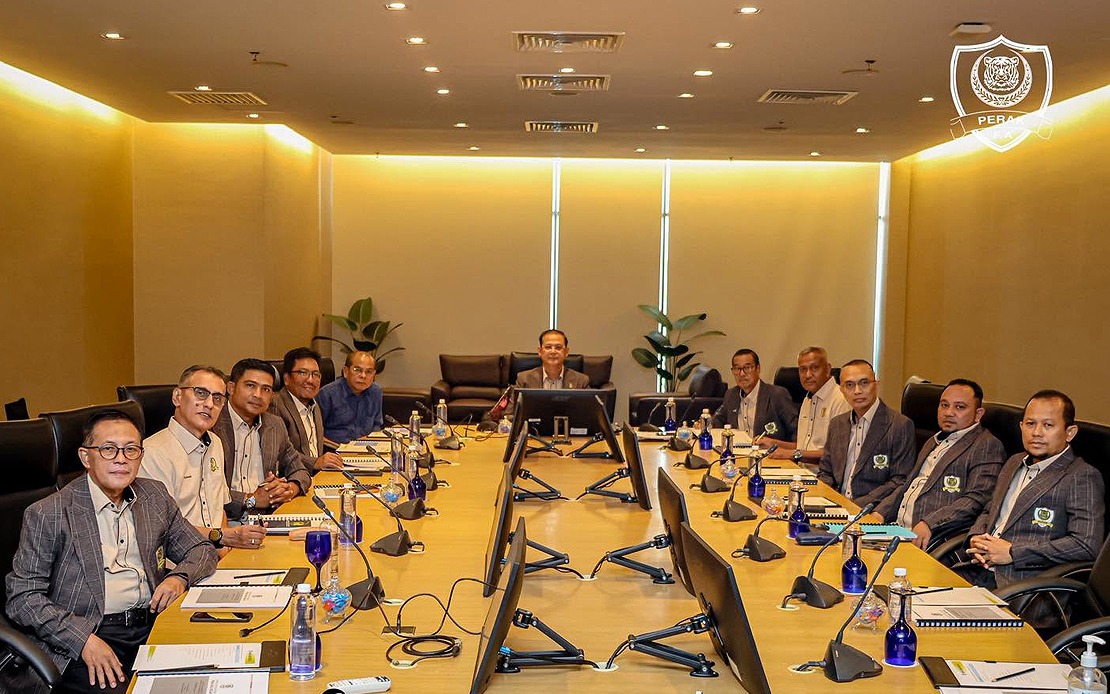
The Perak Football Association has initiated a search for a new head coach to lead the state's football team through the upcoming 2026-2027 Liga A1 Semi-Pro season, marking a significant shift in the organization's technical leadership structure. The decision stems from a newly implemented directive by the Amateur Football League that requires all participating teams to employ head coaches holding the AFC Pro Diploma Coaching License, establishing a baseline professional standard across the league. This regulatory change reflects the football community's commitment to elevating coaching standards and ensuring consistent quality in player development and tactical implementation across Malaysia's semi-professional tier.
In defining the specifications for their new coaching hire, the Perak Football Association has outlined a comprehensive candidate profile that extends well beyond the mandatory licensing requirement. The desired candidate will bring demonstrable expertise in grassroots football development, contemporary coaching methodologies, and a substantial resume spanning state, national, and international competitions. This emphasis on grassroots experience signals the association's strategic focus on building sustainable talent pipelines rather than relying solely on established names. By prioritizing coaches with grassroots credentials, Perak aims to cultivate a development-focused culture that strengthens the foundation of their football program across all age groups and performance levels.
The hiring decision also reflects alignment with the state government's broader development vision. The Perak Football Association has explicitly tied the coaching appointment to the Perak Sejahtera 2030 Plan, indicating that football development forms part of the state's wider prosperity agenda. This positioning elevates football from a recreational pursuit to a strategic economic and social development tool, consistent with how many Southeast Asian governments are increasingly leveraging sports to build community cohesion and national talent pools. Menteri Besar Datuk Saarani Mohamad's continued backing of these initiatives demonstrates political commitment to the sector, which often translates into sustained funding and resource allocation.
The outgoing coach, Syamsul Saad, delivered respectable results during his tenure, guiding Perak to a fifth-place finish in the league standings while achieving semifinal status in the MFL Challenge Cup and reaching the Malaysia Cup quarterfinals. These achievements, while solid, appear to have prompted organizational reflection about the potential benefits of a fresh coaching perspective and a coach whose professional credentials strictly comply with the new AFC requirements. Rather than characterizing this transition as a dismissal, the association has framed it as an opportunity to strengthen the technical structure while building continuity into the coaching ecosystem.
Crucially, the Perak Football Association has committed to retaining the existing coaching support staff rather than implementing wholesale changes. This decision recognizes the institutional knowledge, player relationships, and tactical familiarity that assistant coaches and support personnel have developed. By pairing the new head coach with experienced support staff, the organization intends to balance fresh leadership perspectives with continuity in player management and development. This integrated approach to coaching transitions is increasingly recognized as best practice, allowing organizations to implement new ideas while preserving organizational memory and stability.
Contracted players from the previous season who met performance evaluation criteria will be offered renewed agreements, ensuring roster stability and rewarding consistent performers. This retention policy signals predictability to players and demonstrates that performance-based decisions guide the association's personnel approach. For young athletes navigating semi-professional football, contract security encourages commitment to training and development rather than constantly pursuing transfers. The approach also reduces turnover-related disruptions that can destabilize team chemistry and playing patterns.
Beyond the primary Liga A1 Semi-Pro competition, Perak will extend their competitive reach through participation in the Liga A2 Amateur and the President's Cup during the season. These parallel competitions serve a specific developmental function, providing younger and emerging talents with competitive exposure outside the pressurized environment of the top-tier semi-professional league. Such multi-tiered competition structures allow coaches to evaluate players across varying performance levels and identify prospects ready for elevation to higher competition or, conversely, to identify areas requiring additional development time.
The federation has credited its comprehensive development architecture with producing approximately seventy players aged eighteen to twenty-four in recent years, drawing talent from Malaysia Games competition, Liga A1 Semi-Pro matches, and the newly established Liga Perak Sejahtera 2030. This numerical output demonstrates that systematic development frameworks generate measurable player production. For a state competing within Malaysia's football ecosystem, producing seventy elite-age-group players represents significant human capital development and suggests that the federation's strategic investments in grassroots infrastructure are yielding quantifiable returns.
The Liga Perak Sejahtera 2030 specifically warrants attention as an innovation designed to create additional competitive pathways aligned with state development goals. By naming a league after the broader development plan, the federation has institutionalized football within state governance frameworks, ensuring that coaching investments and player development directly support articulated policy objectives. This integration of sport into broader state planning represents sophisticated policy thinking, positioning football as a lever for achieving multiple simultaneous goals including youth employment, community engagement, and national representation.
For Malaysian football observers and stakeholders across Southeast Asia, Perak's appointment process illustrates how regulatory standardization through licensing requirements is reshaping opportunities in the region's semi-professional and amateur leagues. The AFC Pro Diploma requirement, while seemingly technical, effectively influences hiring decisions and forces associations to seek internationally-trained coaches or coaches willing to pursue advanced certification. This creates both barriers for traditionally-trained coaches and opportunities for the expanding pool of AFC-certified professionals throughout the region. Smaller states and less-resourced associations may face particular challenges in competing for AFC-qualified coaches, potentially widening competitive disparities unless developmental support is provided.
The appointment represents a transitional moment for Perak football, embodying the tension between maintaining continuity and pursuing professional standards through credential requirements. How successfully the new coaching regime integrates with existing staff, connects with the established player cohort, and advances the state's competitive position will provide valuable lessons for other Malaysian associations managing similar transitions under the new AFC licensing mandate. The coming season will reveal whether elevated coaching credentials translate into improved on-field performance and accelerated player development, metrics by which this organizational investment will ultimately be judged.

