Education authorities in Perak have called for collaborative resolution of a workplace bullying dispute between a school administration and a teacher, emphasizing that both parties must prioritize students' interests over blame-shifting. The appeal comes as investigations into allegations of psychological pressure and workplace intimidation at a Chemor school have reached completion, with officials insisting that harmony and transparency guide the path forward.
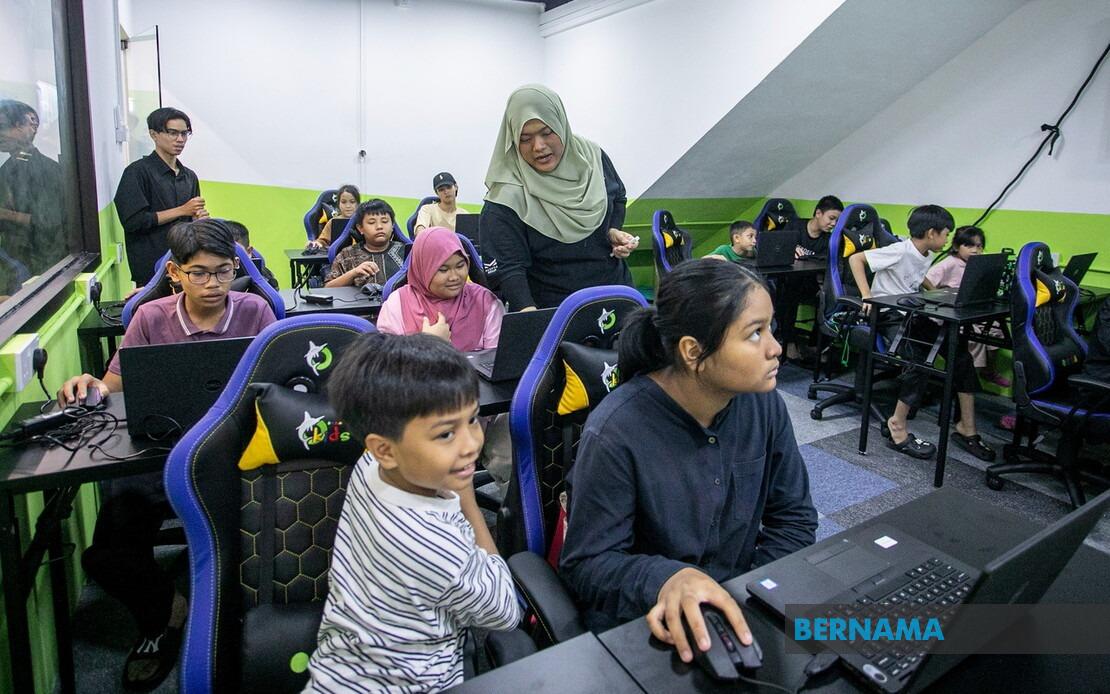
Datuk Khairudin Abu Hanipah, chairman of the Perak Education, Higher Education, Youth and Sports Committee, underscored the importance of adopting a conciliatory stance in addressing the matter. Speaking after inaugurating the Todak Academy Digital Education Hub in Ipoh on August 8, Khairudin emphasized that both the school administration and the teacher must recognize that their mutual responsibility extends beyond individual grievances to the welfare of the student body. Rather than focusing on determining fault, he suggested that the two sides should direct their energies toward finding constructive solutions that restore a healthy working environment.
The complaint surfaced publicly after a Chemor teacher alleged experiencing bullying, intimidation, and emotional distress during a three-month period spanning March through May. The allegations gained wider attention following social media discussions, prompting official intervention. The District Education Office and the Perak Education Department subsequently launched formal inquiries to establish the facts and circumstances surrounding the claims. Khairudin confirmed that the investigation had been completed and that he had reviewed the comprehensive findings submitted through the Public Complaints Management System.
Crucially, Khairudin resisted attributing blame to either party, acknowledging that both the school administration and the teacher bring legitimate perspectives to the dispute. He highlighted that the administration operates within regulatory frameworks and established circulars set by the Ministry of Education, creating specific operational constraints, while simultaneously insisting that the teacher must also comply with prescribed procedures rather than circumventing formal channels. This dual recognition suggests that the resolution will require both parties to understand the constraints under which the other operates while seeking common ground.
One aspect requiring further clarification involves the teacher's assertion that the stress and distress triggered seizures. Khairudin indicated that such medical claims cannot be accepted at face value but must be verified through proper clinical evaluation. He noted that since the teacher has already sought medical treatment, the appropriate course is to await the doctor's formal report and medical documentation before drawing conclusions about the health impact of the workplace situation. This measured approach avoids speculation while establishing an evidence-based foundation for understanding the severity of the alleged harm.
Perak Education Director Zulkafli Mohamed Mokhtar reaffirmed in a formal statement that the state education department treats all complaints with appropriate seriousness and remains dedicated to handling grievances through professional and transparent mechanisms. The department has consistently emphasized its obligation to safeguard the welfare and dignity of teaching staff while maintaining institutional integrity. Zulkafli underlined the Perak JPN's commitment to applying departmental regulations and established procedures uniformly, without deviation or favoritism.
Following the teacher's initial complaint in March, the Perak Education Department and the District Education Office initiated multiple follow-up measures designed to address the underlying issues systematically. These interventions encompassed structured engagement sessions between the parties involved, comprehensive reviews of workplace dynamics, ongoing monitoring to ensure compliance with recommendations, and coordination among relevant authorities to ensure all grievances received appropriate attention. The extended timeline of engagement activities reflects an institutional effort to move beyond the initial complaint toward sustainable resolution.
The department's statement reaffirmed its primary commitment to preserving both the welfare of all individuals within the school environment and the operational stability necessary for education to proceed effectively. This dual mandate reflects the complexity inherent in workplace disputes within educational institutions, where resolution must balance individual justice with institutional functionality. Zulkafli emphasized that the Perak JPN would continue prioritizing the interests of the entire education community, acting with integrity and clear accountability.
For Malaysian educational institutions facing similar interpersonal conflicts, this case underscores the importance of establishing robust mechanisms for addressing workplace grievances before tensions escalate to public complaint. The involvement of multiple layers of the education bureaucracy—from district offices to state departments to committee oversight—demonstrates the institutional architecture available to mediate such disputes, though such involvement also indicates systemic delays in resolution. The emphasis on procedural compliance and formal investigation reflects a bureaucratic approach that prioritizes documentation and regulatory adherence, which can sometimes appear to move slowly when individuals are experiencing genuine workplace distress.
The resolution of this Chemor school matter carries implications beyond the immediate parties involved. How education authorities manage such conflicts influences workplace culture across Perak schools and sets precedent for teacher-administration relations elsewhere in Malaysia. The explicit call for conciliation rather than disciplinary action suggests a preference within state education leadership for restorative approaches that attempt to preserve relationships and institutional coherence. This philosophy contrasts with more adversarial models that might culminate in transfers, dismissals, or formal disciplinary records.
Moving forward, both the school administration and the teacher face a choice between entrenching their positions or engaging constructively with mediation efforts. Official statements have made clear that the machinery of institutional accountability will continue operating and that all actions must conform to Ministry of Education guidelines. The completion of investigations removes uncertainty about whether complaints will be formally examined; the next phase requires both parties to demonstrate genuine commitment to working within established frameworks rather than seeking validation through public pressure or social media campaigns.

