The Ministry of Education is channelling RM12.3 million across 123 selected schools in Perak to drive a comprehensive overhaul of educational quality and student outcomes. Each institution, comprising 60 secondary and 63 primary schools, will receive RM100,000 to execute carefully planned, high-impact initiatives that address pressing challenges in the nation's education system. The funding mechanism forms a critical component of the ministry's broader school reform agenda, aligned with the Malaysian Education Blueprint 2026-2035, signalling a sustained commitment to transforming schools into centres of academic and character excellence.
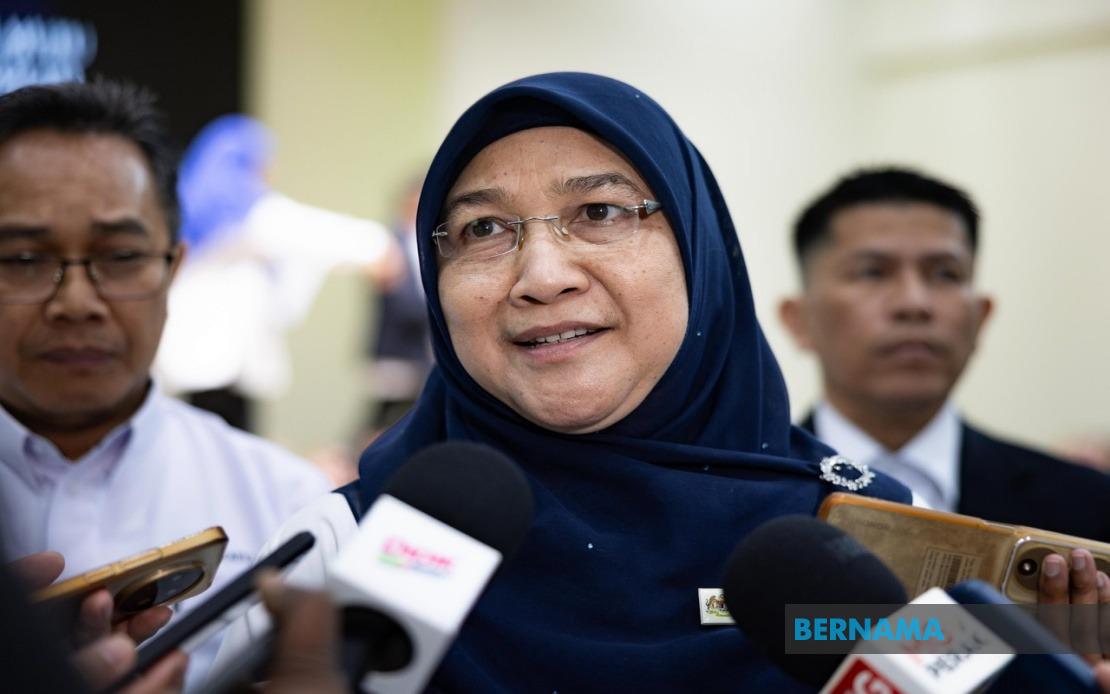
According to Salmah Abd Murad, deputy director of the MOE Daily School Management Section, the allocation represents more than simple financial support—it represents institutional permission for schools to scale up programmes that were previously constrained by budgetary limitations. Schools had already conceived of these initiatives through their internal planning processes, but lacked the resources to implement them with meaningful reach. The funding removes that barrier, enabling each school to deploy programmes at scale that can generate measurable, institution-wide impact rather than affecting isolated classrooms or year groups.
The range of targeted improvement areas reflects the ministry's holistic understanding of educational quality. Beyond the traditional metrics of student achievement, the initiative prioritises strengthening school leadership structures, elevating teacher professionalism through continuous development, and fundamentally transforming the learning environment itself. This multidimensional approach acknowledges that test scores alone do not capture educational success; schools must also cultivate engaged learners within inspiring physical and intellectual spaces.
The focus on Bahasa Melayu, English, and STEM subjects addresses documented national priorities. Proficiency in these domains forms the foundation for both academic progression and economic competitiveness in an increasingly technology-driven global economy. By concentrating resources on these critical subjects, the ministry is targeting intervention where it will yield the greatest returns for both individual student trajectories and broader national development objectives.
The flexibility afforded to schools in programme design represents a notable departure from top-down, one-size-fits-all educational reform. Each school receives guidance on priority areas—improved pedagogical quality, enhanced leadership, teacher development, and student outcomes—but retains autonomy to shape programmes according to their specific context, student demographics, and institutional strengths. This adaptive approach recognises that rural and urban schools, those serving affluent communities and those in disadvantaged areas, face distinct challenges requiring customised solutions.
Character development emerges as an equally weighted priority alongside academic achievement, reflecting growing recognition that schools must nurture well-rounded citizens capable of ethical decision-making and community contribution. Initiatives to beautify school environments and classrooms serve a practical pedagogical function beyond aesthetic improvement; research consistently demonstrates that attractive, well-maintained learning spaces correlate with improved attendance and student engagement. This investment signals that the ministry understands how physical environment shapes psychological readiness for learning.
School selection followed rigorous assessment using the Malaysian Education Quality Standard (SKPM), ensuring that allocated resources reach institutions positioned to implement programmes effectively. This merit-based approach avoids indiscriminate distribution and concentrates support where institutional readiness and capacity exist to translate funding into tangible improvements. The identification process therefore serves as quality assurance, directing resources toward schools with demonstrated potential for successful programme execution.
A particularly innovative dimension of the initiative involves fostering inter-school knowledge exchange and peer learning networks. Excellence in one school becomes a resource for broader educational improvement as exemplary teachers and schools with documented best practices share insights with recipient institutions. This collaborative architecture avoids siloing innovation within individual schools and instead positions the education system as an interconnected ecosystem where quality improvement in one school creates positive spillover effects across the network.
The broader national context amplifies the significance of Perak's allocation. Across Malaysia, 1,500 schools nationwide are participating in this initiative, representing substantial investment in systemic educational transformation. The staggered rollout of allocations from August through to year-end allows schools adequate time for purposeful planning and implementation rather than rushed execution that often characterises hastily-deployed government funding. By setting a clear year-end utilisation deadline, the ministry creates accountability while providing sufficient runway for thoughtful programme execution.
For Malaysian policymakers and educational administrators, this initiative offers an instructive model of targeted intervention designed to improve quality without imposing uniformity. By combining financial support with programmatic flexibility, merit-based selection with collaborative knowledge-sharing, and academic rigour with developmental holism, the MOE is attempting to address fundamental challenges within the education system. Success in Perak and across the 1,500 participating schools nationwide will provide empirical evidence regarding whether such multi-dimensional, locally-adapted interventions can generate sustainable improvements in student outcomes—a question of profound importance given Malaysia's aspiration to develop a world-class education system capable of preparing citizens for the demands of a rapidly evolving twenty-first-century economy and society.

