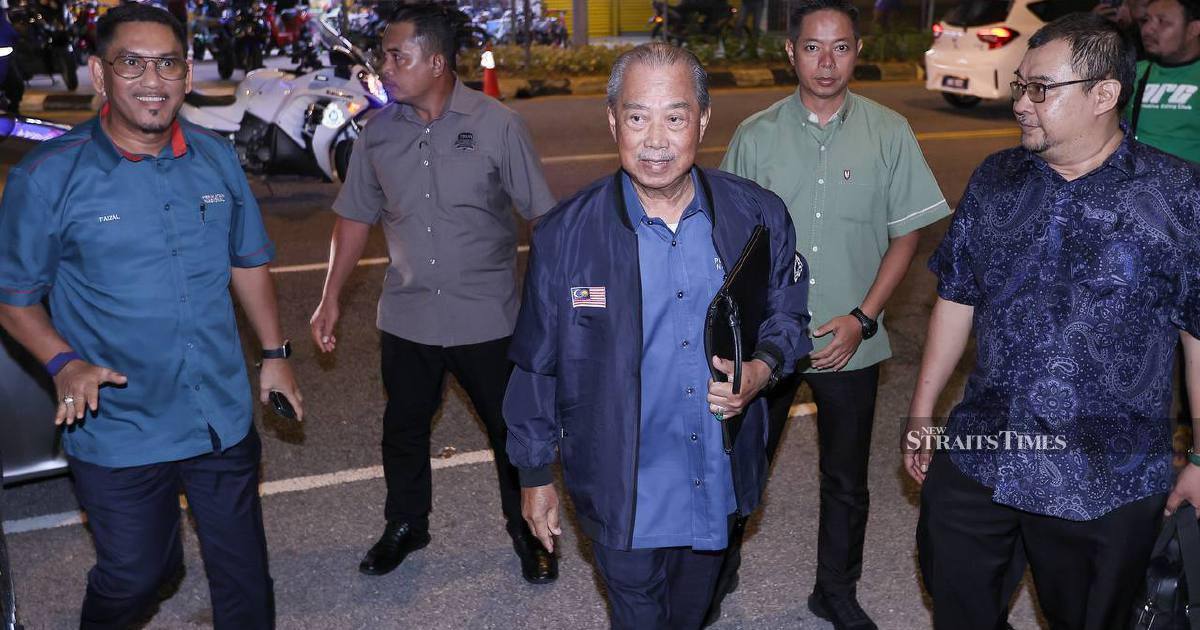
The opposition coalition Perikatan Nasional convened an unexpected Supreme Council session at PAS headquarters in Kuala Lumpur this evening, a move that underscores escalating tensions within the bloc or urgent tactical decisions requiring senior leadership alignment. The timing of such emergency gatherings typically indicates either internal disputes demanding resolution or external pressures forcing the coalition to recalibrate its political strategy in response to government actions or shifting parliamentary dynamics.
PN operates as an informal alliance comprising the Islamic Party of Malaysia (PAS), the Malaysian United Indigenous Party (BERSATU), the Pan-Malaysian Islamic Party splinter group (HAMIM), and several smaller regional parties. As the principal opposition formation in Parliament, the coalition's internal stability directly influences its capacity to effectively scrutinise government policies and mobilise sufficient legislative votes on critical matters. The decision to escalate discussions to Supreme Council level rather than standard party mechanisms suggests concerns transcending routine administrative or political disagreements.
The gathering at PAS headquarters carries symbolic weight, reflecting the Islamic party's dominant position within the broader alliance structure. PAS has historically served as the ideological anchor of Islamist politics in Malaysian opposition movements, and its facilities hosting a coalition-wide emergency session underscores both institutional hierarchies and the urgency with which senior figures view the current situation. The choice of venue may also signal consensus-building efforts, as neutral ground helps facilitate open dialogue among coalition partners with sometimes competing interests and constituencies.
Emergency Supreme Council meetings in Malaysian opposition politics typically address scenarios involving parliamentary crises, defections threatening coalition strength, internal leadership disputes, or strategic pivots necessitating unanimous agreement among major partners. Given Malaysia's current political environment, several scenarios warrant consideration. Coalition tensions may stem from disagreements over positioning ahead of potential constitutional developments, disputes regarding parliamentary tactics on government legislation, or internal conflicts regarding resource allocation and ministerial aspirations that periodically destabilise opposition alliances.
The coalition's stability carries broader implications for Malaysian parliamentary democracy. A unified, coherent opposition enhances legislative scrutiny and forces governments to justify policy decisions more rigorously. Conversely, fractured opposition coalitions weaken parliamentary checks and balances, potentially enabling executive overreach. For Southeast Asian observers, Malaysia's opposition dynamics serve as a barometer for democratic resilience within the region's democratic systems, particularly given the country's sophisticated but occasionally contentious electoral and parliamentary mechanics.
Historically, PN has experienced periodic structural challenges since its consolidation following the 2020 elections. Coalition members occasionally clash over ideological priorities, representation in parliamentary committees, or responses to government initiatives affecting their specific constituencies. BERSATU, as a relative newcomer to opposition politics, sometimes navigates divergent interests from longer-established partners. Previous emergency sessions have frequently preceded significant coalition announcements or tactical recalibrations in parliamentary strategy, suggesting tonight's meeting may presage important forthcoming developments.
The emergency convening reflects PN's recognition that intra-coalition coordination requires proactive management, particularly during periods of political volatility. Malaysia's political system, characterised by narrow parliamentary majorities and occasional cross-party manoeuvring, creates incentives for both government and opposition to maintain internal unity and prevent defections. Emergency mechanisms allow coalition leadership to prevent potential breakaways, address grievances before they calcify into permanent divisions, or enforce collective decisions ensuring unified public positioning.
For Malaysian political observers, such meetings carry predictive value regarding subsequent parliamentary conduct and public statements. Opposition coalitions typically emerge from emergency sessions with coordinated messaging strategies, unified voting positions on upcoming legislation, or clarified hierarchical arrangements settling internal disputes. The immediate aftermath of tonight's meeting will likely generate considerable political commentary as analysts parse official statements for clues regarding which issues prompted the urgent gathering and how coalition partners intend to respond.
PN's capacity to maintain internal cohesion while executing effective opposition oversight fundamentally shapes parliamentary dynamics and government accountability. Emergency meetings, while occasionally reflecting weakness or dysfunction, equally demonstrate coalition leadership's commitment to conflict resolution rather than allowing tensions to metastasise into public recriminations and parliamentary fracture. The breadth of issues potentially addressed—from immediate legislative priorities to longer-term positioning ahead of eventual elections—underscores the complexity of maintaining coalition discipline across ideologically and regionally diverse partner organisations.
The gathering tonight represents a critical moment for the opposition alliance, one that will likely influence coming weeks of parliamentary activity, public positioning on emerging issues, and potentially longer-term coalition stability. How coalition leaders emerge from these discussions and what they communicate to supporters and the broader public will provide essential context for understanding contemporary Malaysian opposition politics and the evolving balance of parliamentary forces.