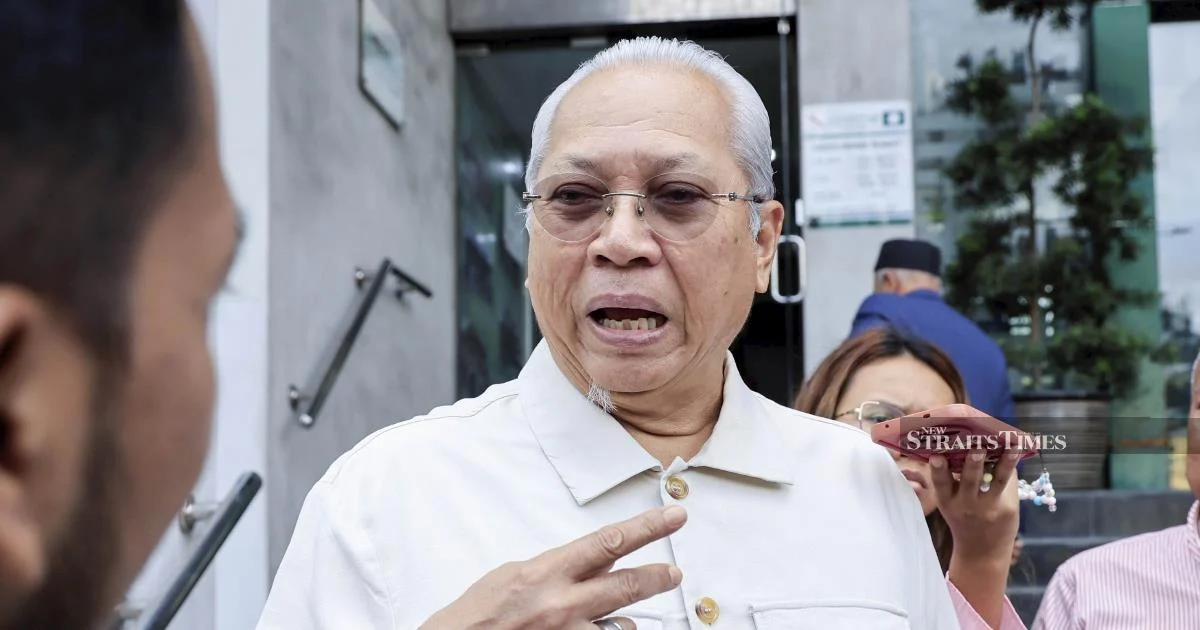
The Perikatan Nasional coalition has moved past a potentially contentious phase in its electoral preparation after senior party officials emerged from negotiations at PAS headquarters in Kuala Lumpur projecting satisfaction with concluded discussions on seat allocation for the forthcoming Johor state election.
The completion of these seat-sharing deliberations marks a significant milestone for the coalition, which brings together parties with distinct political bases and regional strongholds. Rather than the fractious negotiations that have historically plagued opposition alliances in Malaysian politics, the upbeat demeanour of departing leaders suggested a smoother consensus-building process this time around. This stands in contrast to previous electoral cycles where disagreements over constituency divisions have strained multiparty coalitions and created public perception problems.
The resolution of seat negotiations before the formal campaign commencement demonstrates organisational discipline within the PN framework. Such early clarity allows constituent parties to activate grassroots machinery, identify and vet candidates, and mobilise volunteer networks across their allocated constituencies without last-minute disruptions. For voters observing coalition dynamics, the absence of visible discord sends a message of preparedness and internal alignment—factors that influence electoral confidence.
Johor occupies particular strategic importance within Malaysian electoral geography. As the country's second-most populous state and a historical stronghold of different political forces across electoral cycles, the state election carries implications beyond its own legislative assembly. Strong performance here can amplify momentum for subsequent contests, while poor outcomes may necessitate coalition recalibration. The unified messaging from PN delegations following these talks suggests leadership confidence in the alliance's competitiveness in this decisive state.
The role of PAS as the talks venue merits attention. The Islamic party's hosting of negotiations underscores its position as the largest PN component and de facto convener of coalition deliberations. This structural arrangement reflects demographic and electoral realities: PAS maintains entrenched support in specific constituencies and represents organisational capacity that newer or smaller alliance members cannot independently match. Yet the positive atmosphere reported by departing leaders indicates that larger parties respected the negotiating positions of smaller coalition members rather than imposing terms unilaterally.
For Malaysian observers tracking coalition politics, the visible harmony contrasts sharply with the often-volatile dynamics within the previous opposition alliance configuration. That earlier grouping frequently generated headlines about friction, with disagreements over seat distribution sometimes spilling into public recriminations. The PN's demonstration of orderly internal processes, by comparison, may appeal to voters concerned about governmental chaos and administrative dysfunction in a hypothetical administration emerging from electoral success.
The timing of seat finalisation also reflects electoral calendar pressures. State polls require months of preparation: candidate vetting, campaign finance arrangement, messaging development, and volunteer mobilisation all benefit from confirmed seat allocations. By resolving these matters promptly, PN parties avoid the rushed improvisation that sometimes characterises late-stage coalition adjustments, which frequently introduce instability into campaign execution.
For Johor specifically, seat distribution within PN carries implications for representation and resource allocation. Constituencies vary enormously in demographic composition, infrastructure development needs, and historical voting patterns. How the coalition divides seats between PAS, its partners, and independent candidates aligned with PN signals assumptions about which areas merit concentrated campaigning and which party components are trusted with contested districts versus safer havens.
The Malaysian electoral landscape has shifted considerably since earlier coalition configurations dominated opposition politics. Regional party systems remain influential, but urbanisation, demographic change, and generational political realignment have created new competitive dynamics. PN's positioning in Johor—a state where Malay-Muslim concerns intersect with broader economic grievances and development priorities—requires careful calibration of messaging and candidate selection. Finalised seat allocations enable parties to match candidate profiles and campaign strategies to specific constituency demographics and voter concerns.
Regional implications extend beyond Johor boundaries. Southeast Asian democracies frequently witness spillover effects from significant state-level contests, with results influencing multiparty coalition dynamics, leadership confidence within alliances, and electoral momentum. How PN performs in Johor will likely shape subsequent coalition partner engagement in forthcoming federal or other state elections, influencing whether alliance architecture remains stable or undergoes realignment.
The broader context of Malaysian coalition politics involves recurring tensions between larger and smaller parties, between urban and rural constituencies, between different interpretations of Islamic governance, and between national and regional political identities. That PN leadership emerged from negotiations maintaining unified public messaging suggests these tensions, while present, did not override shared electoral interests or coalition discipline mechanisms. Whether this harmony persists through the campaign period and beyond poll outcomes remains a question for continued observation.
As Johor moves toward its electoral test, the PN coalition's demonstrated capacity for orderly negotiation and coalition management represents one dimension shaping electoral competitiveness. Ultimately, voter preferences, ground-level campaign execution, and evolving political narratives will determine electoral outcomes. Yet the absence of visible acrimony among coalition leadership heading into this critical contest positions PN differently from opposition configurations of recent electoral history, potentially altering voter perceptions of alliance stability and administrative readiness.

