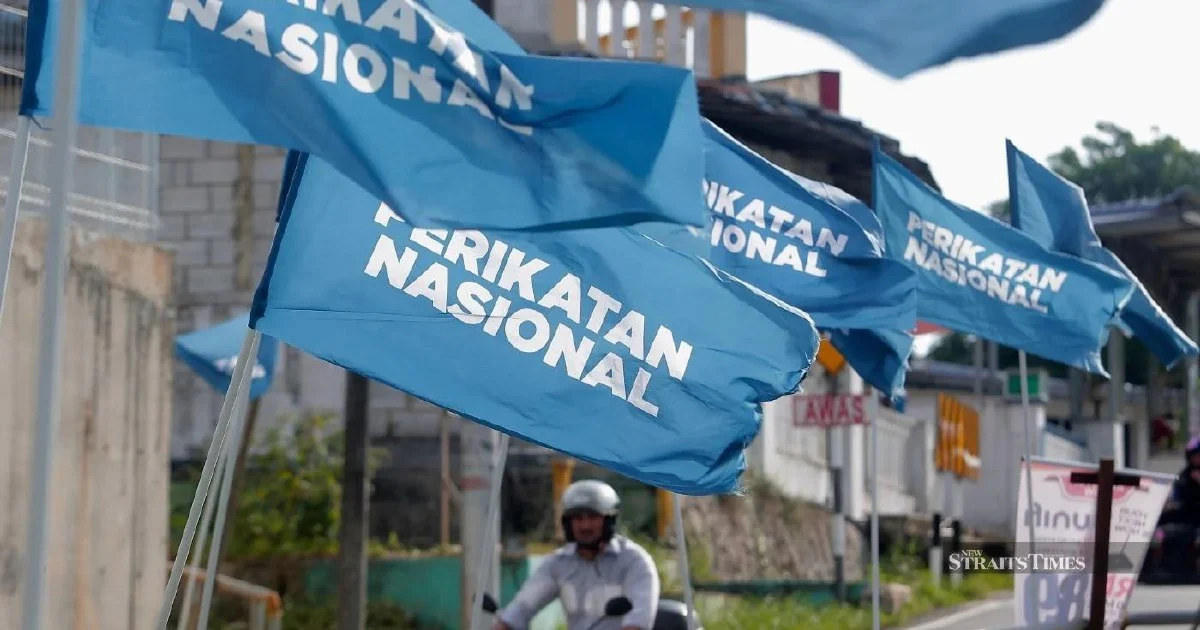
The Perikatan Nasional (PN) coalition is likely managing its internal dynamics carefully to prevent conflict with Bersatu during the crucial lead-up to state elections in Johor and Negri Sembilan, political observers have suggested, highlighting the delicate balance required to maintain coalition cohesion ahead of these pivotal contests.
The timing of these electoral battles represents a critical juncture for PN's trajectory across the peninsula. Any significant rift within the coalition at this moment could expose vulnerabilities that opposing camps might exploit, making it strategically prudent for PN to project unity despite whatever underlying tensions may exist between its component parties.
Analysts have pointed out that the costs of a coalition breakdown ahead of state-level polling would be substantial. A visible rupture could demoralize grassroots supporters, create messaging confusion among voters, and hand opposition parties a narrative advantage at precisely the moment when coalition candidates require maximum momentum. The electoral mathematics in both states demand that PN preserve its combined numerical strength and voter appeal.
Bersatu's position within PN represents a complex political calculation. The party has become increasingly central to the coalition's credibility and appeal, particularly in capturing Malay-Muslim votes and maintaining influence in key constituencies. Losing Bersatu or experiencing a significant deterioration in their partnership would undermine PN's competitiveness, particularly if such divisions became public knowledge before polling day.
The strategic necessity of maintaining unity transcends normal inter-party relations. Election campaigns require coordinated campaign machinery, unified messaging on policy platforms, and collaborative deployment of campaign resources. A fractious coalition struggles to execute these fundamentals effectively, whereas a unified front projects confidence and organizational strength to voters who remain undecided.
Observers note that PN leadership understands the window for addressing internal differences exists before and after elections, not during them. By compartmentalizing disagreements and deferring substantive discussions about coalition governance or benefit-sharing until after the Johor and Negri Sembilan contests, PN maintains the appearance and operational reality of cohesion when it matters most electorally.
The implications for both states are considerable. Johor, as Malaysia's second-most populous state and historically significant political battleground, will serve as a barometer of PN's capacity to translate its peninsula-wide organizational presence into electoral performance. Negri Sembilan, while smaller, represents testing ground for PN strategies and provides additional seats that could influence overall coalition strength in Parliament indirectly through state-level results.
Regional observers are monitoring how PN manages this balancing act, as the coalition's approach to maintaining Bersatu engagement may establish patterns relevant to future partnerships across Southeast Asia where coalition politics frequently requires managing relationships among parties with distinct ideological emphases and regional strongholds. The sophistication with which PN manages these internal dynamics could influence perceptions of its long-term viability as a political force.
For Malaysian voters in Johor and Negri Sembilan, PN's apparent commitment to coalition stability carries implications for governance if the coalition wins control in either state. A cohesive PN entering office with clear internal agreements would be better positioned to implement policy agendas than a coalition where previously suppressed tensions resurface once electoral victory is secured and power-sharing arrangements require concrete definition.
The current phase also tests whether PN can transcend the coalition-building challenges that have historically plagued Malaysian political alliances. Previous coalitions have frequently fractured shortly after elections or continued to harbor internal disputes that undermined administrative effectiveness. Whether PN demonstrates greater capacity for sustained partnership will shape the political landscape beyond these immediate contests.
Despite the apparent unity on public display, analysts recognize that coalition partners inevitably harbor distinct interests and disagreements. The sophistication lies in managing these differences through internal mechanisms that prevent their escalation into public disputes that could damage collective electoral prospects. This compartmentalization, while necessary, creates pressure points that typically emerge after elections when partners must translate coalition victory into actual power-sharing arrangements and policy implementation.