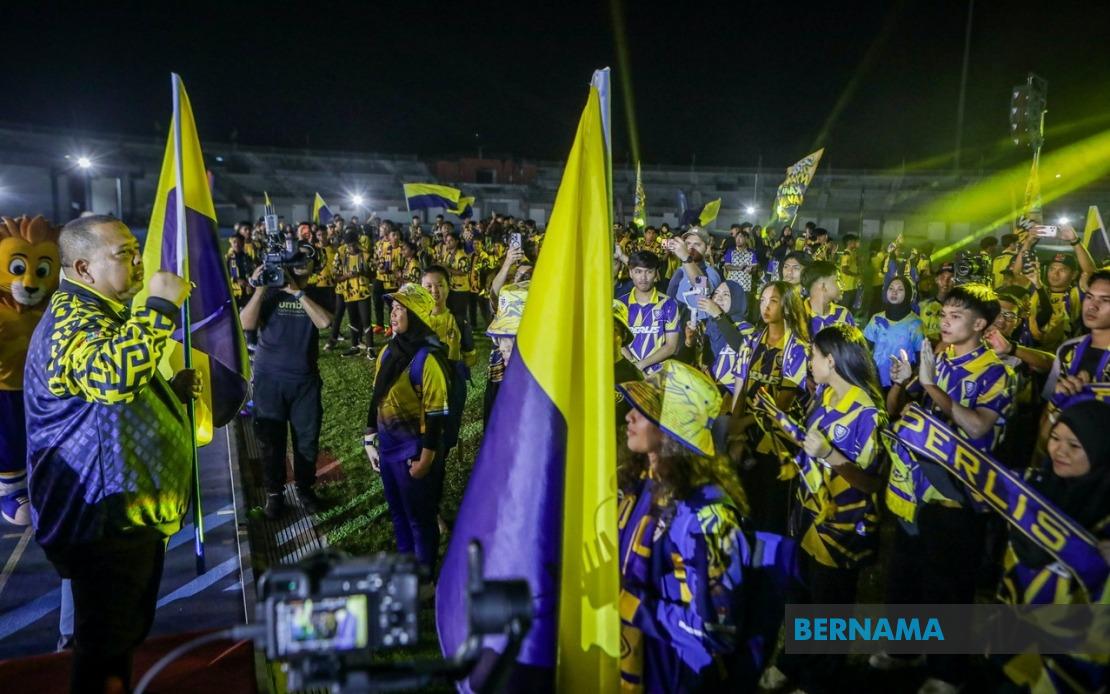
Perlis has etched a milestone in its sporting history by capturing 17 gold medals at the Malaysia Games (SUKMA 2026) held in Selangor, surpassing all previous performances by the state delegation at the biennial national sporting festival. The achievement underscores the tangible benefits of sustained investment and strategic planning in the state's athletic infrastructure and talent identification programmes. Menteri Besar Abu Bakar Hamzah characterised the result as vindication of the collaborative approach adopted by the state government, working in concert with athletes, coaching staff, sports associations, and the State Sports Council to build a competitive sporting ecosystem within Perlis.
The northern state's overall medal haul at SUKMA Selangor 2026 comprised 42 medals in total—17 gold, seven silver, and 18 bronze—demonstrating breadth across multiple disciplines. Among the standout performances was Perlis's weightlifting contingent, which claimed the overall championship title in that sport, while track and field contributed notably when local athletes shattered the games' record in the shot put category. These individual victories aggregate into a narrative of systematic improvement, suggesting that Perlis's sports system has begun to yield competitive returns at the national level.
The state's investment in grassroots development and elite athlete support has become increasingly visible at major competitions. Abu Bakar's public acknowledgement of the achievement during a press conference following an Exco meeting at Kompleks Seri Putra in Kangar signals the political importance placed on sporting success within the state administration. While some states in Malaysia have long-established traditions of athletic dominance, Perlis's ascent reflects newer, more targeted approaches to sports governance that prioritise systematic talent development rather than relying on historical momentum.
The pathway to this success involved deliberate resource allocation across multiple support pillars. High-performance training programmes have become central to Perlis's strategy, alongside continued emphasis on coaching quality and sports science integration. The state government has recognised that contemporary competitive sport demands more than enthusiasm; it requires specialised expertise in athlete conditioning, nutrition, biomechanics analysis, and sports psychology. By institutionalising these elements, Perlis has positioned itself to compete effectively against larger, wealthier states that have historically dominated SUKMA medal tables.
Athletes' welfare remains a critical component of the state's sporting vision going forward. Abu Bakar indicated that the government is formulating incentive structures for medallists, with formal recognition ceremonies planned following the conclusion of Para SUKMA Selangor 2026. Such recognition serves multiple functions—it validates athlete sacrifice, attracts future talent into competitive pathways, and builds community investment in sporting achievement. For smaller states with limited population bases, creating attractive incentive frameworks can significantly influence whether emerging talent remains within the state or seeks opportunities elsewhere.
Facility development also underpins Perlis's competitive improvement. Modern training venues with appropriate equipment, technology, and environmental controls directly impact athlete performance levels. The state's commitment to upgrading sporting infrastructure reflects understanding that world-class results require world-class training environments. This applies particularly in technical sports where equipment standards and facility specifications directly correlate with measurable performance outcomes.
Looking forward, Abu Bakar signalled the state government's intention to build upon the SUKMA 2026 foundation by maintaining focus on talent identification and nurturing emerging athletes. The challenge facing Perlis, as with other smaller Malaysian states, involves sustaining this momentum across Olympic cycles and successive SUKMA iterations. Initial breakthroughs often prove difficult to consolidate, particularly when competing for national selection against larger contingents. Perlis's ability to retain momentum will depend on consistent resource commitment and strategic refinement of sports governance structures.
The SUKMA platform remains crucial for Malaysian states to showcase athletic capability and secure regional prominence. For Perlis, the 2026 performance carries significance beyond mere medal tallies—it validates the state's approach to sports development and provides evidence for policy continuity. Voters and stakeholders can point to concrete results from government investment in athletic programmes, enhancing political capital for sports ministers and administrators responsible for the sector.
Regionally, Perlis's emergence as a competitive SUKMA performer contributes to the broader narrative of Malaysian sports development. While larger economies like Selangor, Kuala Lumpur, and Johor have historically dominated medals, peripheral states achieving breakthrough performances indicates healthy dispersal of sporting capability across the federation. This decentralisation of excellence strengthens the overall competitive environment and provides inspiration for other states pursuing sporting advancement.

