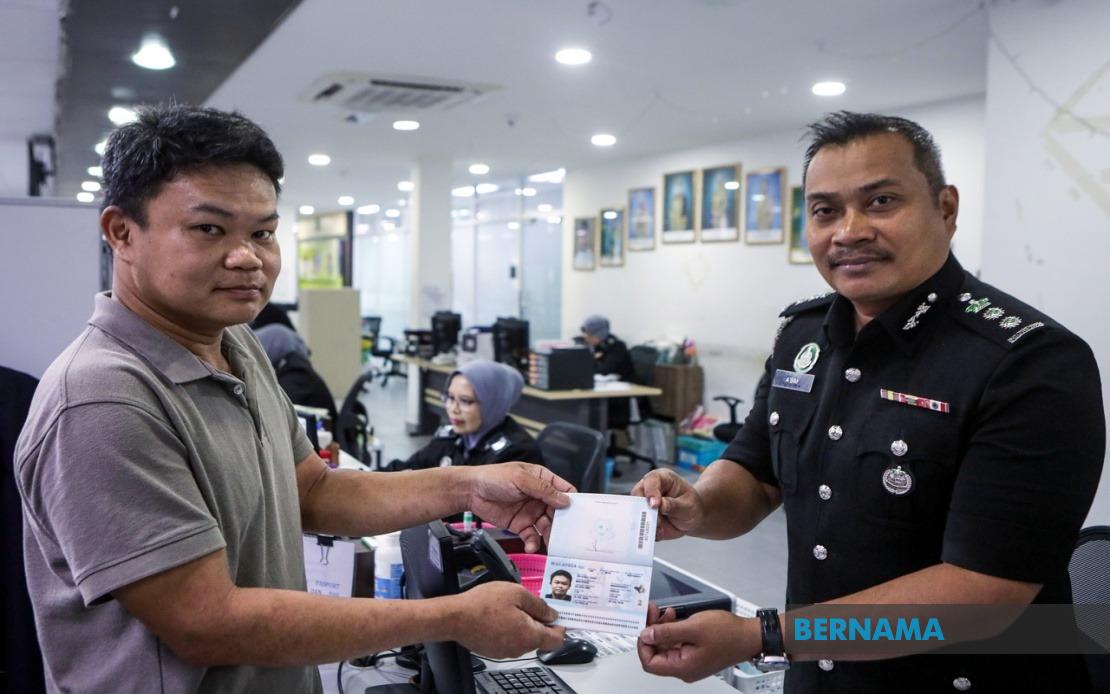
The Perlis Immigration Department has begun distributing the newly designed Malaysian International Passport, marking a significant advancement in the nation's travel document security infrastructure. The rollout commenced at the Immigration Office housed within the Kangar Urban Transformation Centre, equipped with a recently installed passport printing machine that enables the immediate production of travel documents with enhanced protective measures.
The redesigned passport incorporates 94 distinct security features designed to combat forgery and strengthen the integrity of Malaysia's travel documentation system. According to Perlis Immigration director Mohammad A'sim Md Ali, the initiative represents a substantial upgrade from previous iterations, reflecting the country's commitment to modernising its border security apparatus in line with contemporary international standards. The advancement addresses growing concerns about document fraud while simultaneously improving the user experience for Malaysian travellers.
Prime Minister Datuk Seri Anwar Ibrahim formally unveiled the new Malaysian International Passport on June 30, with the public application window opening on July 1. Malaysian citizens aged 18 and above are now eligible to apply for the modernised travel document. A noteworthy feature of the new system is the flexibility offered to applicants regarding passport validity periods, allowing individuals to select between five-year and ten-year durations according to their travel requirements and personal circumstances.
The Kangar UTC location currently serves as the sole operational facility for printing the new passports in Perlis state. Authorities have outlined plans to establish an additional printing capability at the Perlis Ministry of Home Affairs complex, contingent upon completion of essential building upgrades and counter renovations. The targeted implementation window for this secondary facility extends into October, which will substantially enhance accessibility for residents across the state and reduce processing bottlenecks.
Initial uptake has exceeded expectations, with immigration officials reporting encouraging public response during the first days of implementation in Perlis. This enthusiasm reflects broader Malaysian recognition of the security improvements and convenience enhancements embedded within the new document design. The positive reception suggests that citizens appreciate the modernisation effort and the expanded passport validity options available to them.
Statistical data from the Perlis Immigration Department underscores the sustained demand for travel documentation throughout 2024. Between January 1 and July 17, the department processed 31,722 travel documents in total, encompassing 6,918 standard passports alongside 72 Restricted Travel Documents and 24,732 Border Passes. This volume demonstrates the consistent requirement for Malaysian travel credentials and the ongoing operational pressures faced by immigration services across the country.
The introduction of the enhanced passport represents more than a simple security upgrade; it embodies a comprehensive transformation in how Malaysia manages its international travel documentation ecosystem. The 94 security features incorporated into the design address vulnerabilities identified in previous generations of passports whilst introducing technological innovations that align with global best practices. These enhancements position Malaysia alongside other advanced nations in its commitment to preventing identity fraud and protecting citizen security.
For Malaysian travellers, the new passport offers tangible benefits beyond enhanced security. The flexibility to choose validity periods accommodates diverse travel patterns, enabling frequent international travellers to opt for longer validity periods whilst allowing less frequent travellers to select shorter durations. This customisation acknowledges the varied mobility patterns within Malaysia's diverse population and provides practical advantages for travel planning and financial management.
The phased rollout across immigration offices throughout Malaysia reflects a strategic approach to implementation, with regional facilities receiving printing equipment progressively. This measured deployment ensures quality control, staff training, and system stability whilst gradually expanding capacity to meet nationwide demand. The Perlis experience serves as an operational model for other states preparing to introduce the new passport systems.
For Southeast Asian readers, Malaysia's passport modernisation illustrates the region's broader engagement with document security innovations. As international travel intensifies across the region and security concerns mount, countries throughout Southeast Asia increasingly prioritise advanced authentication technologies. Malaysia's initiative may influence neighbouring nations' approaches to travel document enhancement and demonstrates commitment to regional security cooperation standards.
The transition to the new Malaysian International Passport also carries administrative implications for existing passport holders. While the new system commenced in July, current passport holders retain valid documentation until expiration. Authorities have established clear pathways for individuals to transition to the new format, whether through routine renewal or voluntary early application, enabling a gradual shift rather than requiring wholesale simultaneous replacement.
Looking forward, successful implementation across all Malaysian states will require sustained infrastructure investment and workforce training. The Immigration Department's performance in Perlis will inform deployment strategies nationwide, with particular attention to processing capacity, customer service standards, and technical system reliability. This foundational work in Perlis contributes to establishing optimal protocols that subsequent state implementations can reference and refine.

