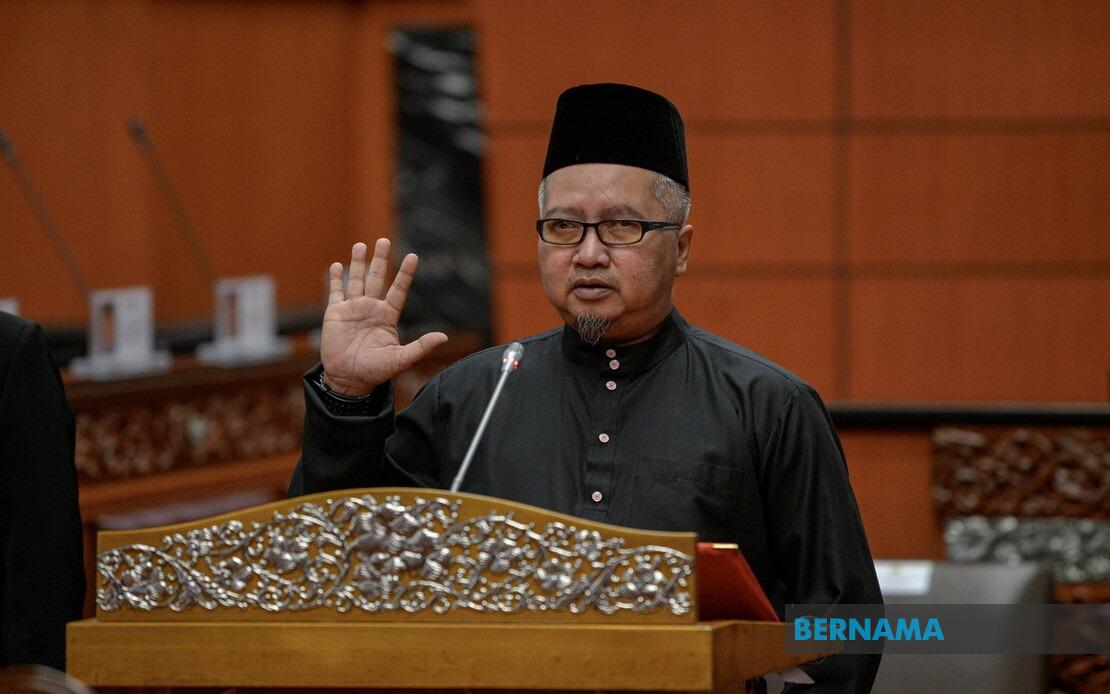
Senator Azahar Hassan, who served as secretary of Parti Pribumi Bersatu Malaysia in Perlis, has stepped down from his position and all affiliated party roles, a decision announced in Kangar on July 9. The resignation takes effect immediately, marking another departure from the Bersatu leadership structure in the northern state. Azahar's exit comes as the party continues to navigate shifting political dynamics in Malaysia's federal landscape, where Bersatu has faced internal realignments and competition from other coalition partners.
In his formal statement, Azahar attributed the move to a comprehensive assessment of recent political developments and a recalibration of his personal direction. He emphasised that the decision reflected his core convictions and long-held beliefs about the trajectory of political struggle he wishes to pursue. While he did not elaborate extensively on specific grievances or policy disagreements, his framing suggests the resignation stemmed from a fundamental divergence between his vision and the party's current positioning rather than an isolated dispute.
The timing of Azahar's departure warrants scrutiny within the context of Bersatu's broader evolution. The party, which emerged as a splinter faction led by former Prime Minister Mahathir Mohamad, has undergone significant organisational changes since its formation. In Perlis specifically, Bersatu has operated within a more complex political ecosystem where smaller states often experience outsized influence from national party directives and coalition negotiations. Azahar's exit may signal frustration with decisions made at the federal level that filter down to state operations, a common source of tension in Malaysia's hierarchical party structures.
Notably, Azahar secured his position as Senator through an appointment made by the Perlis State Legislative Assembly on October 10, 2024—a relatively recent elevation that makes his exit particularly striking. This suggests his tenure as a senior party figure in the state lasted only months before substantive disagreements emerged. The speed of this transition raises questions about whether initial expectations regarding his role diverged from reality once he assumed office, or whether intervening national developments prompted a reassessment of his commitment to Bersatu's direction.
Azahar's decision to retain his Dewan Negara seat while abandoning his party affiliation represents a pragmatic approach to managing his political career. By maintaining his senatorial position, he preserves his direct link to governance and policy influence while no longer bearing the constraints of party discipline or the obligation to align with Bersatu's organisational decisions. This distinction is significant for Malaysian politics, where senators operate with greater independence than members of parliament, though they lack the electoral legitimacy that comes with direct constituency representation.
The resignation underscores a pattern of fluidity affecting second-tier parties within Malaysia's coalition governments. While larger entities like the United Malays National Organisation and Democratic Action Party maintain relatively stable internal hierarchies, smaller partners such as Bersatu experience more pronounced turnover among key office-holders. This volatility can reflect both the pressures of maintaining relevance within crowded coalitions and the difficulty of managing expectations among senior members who may harbour ambitious visions that strain against party resources or political positioning.
For Perlis specifically, Azahar's departure affects the state chapter's leadership depth at a moment when several Malaysian states are recalibrating their political alignments ahead of potential elections. Bersatu's foothold in Perlis, never as dominant as in certain other states, could face operational challenges if his exit triggers additional resignations or demoralisation within the state structure. The party will need to regroup quickly to maintain organisational presence in a state where the political ground is more contested than in several others.
The broader implications for Bersatu's stability remain significant. Leadership resignations, even at state or organisational levels, can accumulate into narratives about internal discord or failed strategies. If Azahar's departure is followed by similar exits among other party figures, it may signal deeper structural issues that party leadership cannot contain. Conversely, if his case remains isolated, it may be absorbed as a routine political adjustment in a party already accustomed to managing internal transitions.
For Malaysian readers, this episode illustrates how coalition politics and party discipline interact with personal conviction and career management. Political figures navigate competing pressures: loyalty to party structures, fidelity to their stated principles, and recognition of how association with certain organisations affects their individual trajectories and influence. Azahar's choice to separate from Bersatu while maintaining his senatorial platform exemplifies how Malaysian politicians increasingly manage these competing demands by unbundling their various roles and commitments rather than submitting entirely to organisational hierarchies. This flexibility, while pragmatic, also reflects a shift toward more transactional and less ideologically grounded political engagement across Malaysia's party system.

