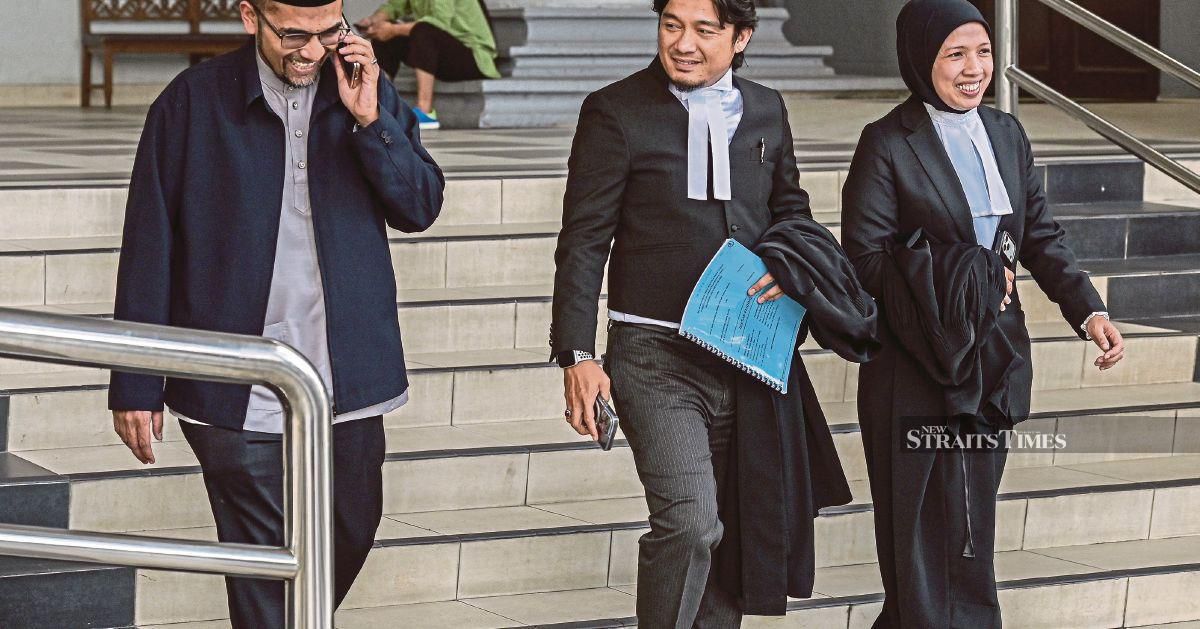
Datuk Dr Mohd Asri Zainul Abidin, the Mufti of Perlis, has obtained a significant legal victory in the High Court, securing RM250,000 in damages following his defamation action against the proprietor of a Facebook account. The ruling centred on a series of posts that had been published on the social media platform, which the court determined had falsely associated the prominent religious figure with GISB Holdings Sdn Bhd (GISBH), a company at the centre of previous controversies.
The High Court's decision represents a notable outcome in the intersection of defamation law and social media liability in Malaysia, a jurisdiction that has become increasingly focused on protecting individuals from damaging online content. The court found merit in the mufti's contention that the posts in question had caused harm to his reputation and standing, sufficient to warrant substantial monetary compensation. This judgment underscores the courts' recognition that Facebook, as a platform hosting user-generated content, does not shield account owners from liability for defamatory material they publish or distribute.
GISB Holdings had previously generated significant public concern and regulatory scrutiny, making any association with the company—whether accurate or fabricated—potentially damaging to professional reputation. For a senior Islamic scholar and government official such as Datuk Dr Mohd Asri, the reputational stakes were particularly high, given his role as a leading voice on religious and moral matters within Perlis and beyond. The defamatory nature of the Facebook posts lay in their assertion of a connection that the court found to be without factual basis and calculated to diminish the mufti's credibility.
The case highlights evolving legal principles regarding personal accountability in digital spaces. Malaysian courts have demonstrated growing willingness to hold individual social media users liable for content they post, recognising that the internet does not constitute a lawless frontier where defamatory statements can be made with impunity. The judgment sends a clear message that Facebook pages and accounts remain subject to established tort law, and users cannot rely on the semi-anonymous nature of online platforms to escape legal consequences for false and damaging allegations.
Defamation suits in Malaysia typically require plaintiffs to establish that the defendant published a statement, that the statement was false, that it was defamatory in nature, and that it caused identifiable damage to reputation. In this instance, the High Court evidently found all these elements present, resulting in the RM250,000 award. This sum represents a meaningful but not exceptional damages figure in Malaysian defamation cases involving public figures, reflecting the court's assessment of the scope and severity of the harm caused.
The outcome carries implications for how religious and government officials navigate their public profiles and reputations in an age of instantaneous information dissemination. Social media has democratised the capacity to reach large audiences, but that power comes with legal obligations. The ruling suggests that those who wield that power irresponsibly—by making false, damaging claims about identifiable individuals—face genuine legal exposure and financial consequences. This is particularly significant in Malaysia, where religious leadership commands considerable social influence and respect.
For Datuk Dr Mohd Asri specifically, the judgment vindicates his decision to pursue legal redress rather than allowing the defamatory posts to remain unchallenged and potentially to spread further. His willingness to litigate sends a signal to others that false allegations will not be tolerated and that the courts remain an effective mechanism for protecting reputation, even in the digital age. The award also provides him with a degree of financial recompense for the harm to his professional standing and personal dignity.
The case also raises broader questions about Facebook's role and responsibilities in moderating content and responding to complaints about defamatory material. While individual users bear primary responsibility for what they post, social media platforms increasingly face pressure—both legally and ethically—to remove content that violates community standards or laws. In Malaysia, where defamation law applies regardless of medium, platforms hosting such content can themselves face legal exposure if they fail to respond appropriately to takedown requests or reports of illegal activity.
Beyond the immediate parties involved, this ruling will likely influence how Malaysians approaching social media conduct themselves, particularly those tempted to make serious accusations against public figures without solid factual foundation. The precedent demonstrates that courts take defamation claims seriously, even when they arise from social media posts that may seem ephemeral or informal in nature. The digital medium offers no escape from the legal principles that have long governed speech and publication in Malaysia.
The judgment also reflects the courts' recognition of the distinct vulnerability of public officials and religious scholars to reputational injury. A false claim linking such a person to a controversial business entity carries particular force and potential for harm, given the heightened expectations placed on individuals in these roles. Courts have consistently recognised that those in positions of trust and authority deserve robust legal protection against baseless attacks on their integrity.
Moving forward, the case may serve as a catalyst for greater circumspection among social media users before they share or publish allegations against identified individuals, particularly prominent ones. The knowledge that defamation suits can succeed and result in substantial damages creates a powerful incentive for due diligence and factual accuracy. While this does not infringe on legitimate freedom of expression or fair criticism, it does discourage the reckless dissemination of false, damaging claims that serve no public interest.
The High Court's decision ultimately affirms that reputation remains a protected interest under Malaysian law, and that social media does not exempt users from the fundamental principles of civil liability that have evolved over centuries of common law tradition. The RM250,000 award sends a proportionate message: respect others' reputations online, or face the consequences.

