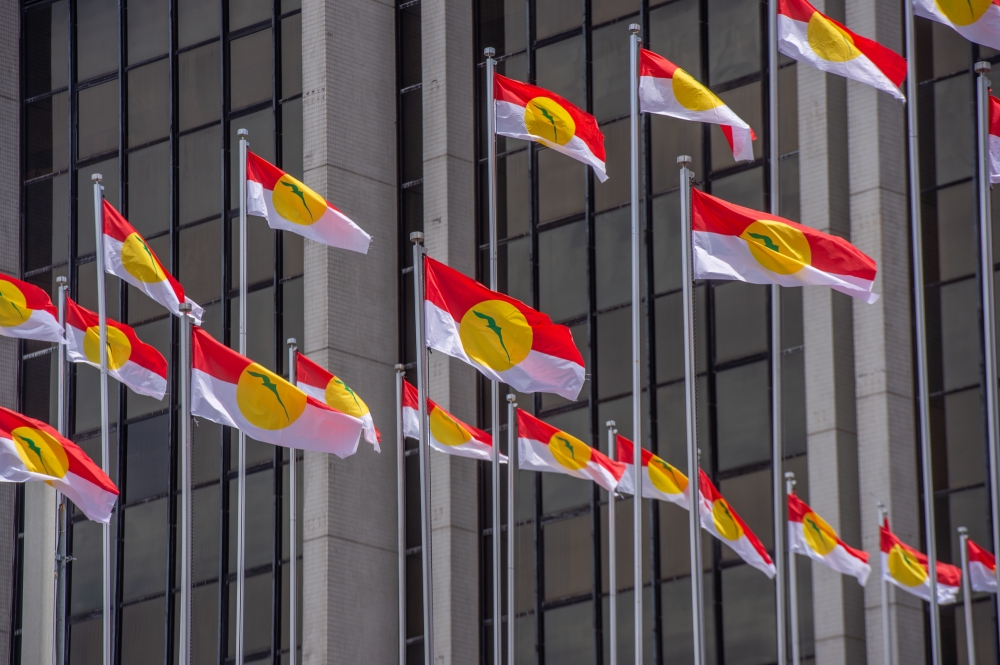
Perlis Umno is preparing to field candidates across the entire electoral map in the northern state, signalling a notable shift in the party's approach to coalition politics and its confidence in competing as a standalone force. The party leadership in the state intends to contest all 15 state assembly seats and the three parliamentary constituencies in Perlis without relying on partnership arrangements with other political entities, according to recent statements from party officials in Arau.
This move represents a departure from the established pattern of electoral cooperation that has characterized Malaysian politics for decades. Historically, Umno has operated within the Barisan Nasional framework and later the Perikatan Nasional coalition, sharing seat allocations with partners like MCA, MIC, and various component parties depending on the electoral phase. The decision by the Perlis branch to pursue a solo strategy reflects internal confidence about the party's organizational capacity and electoral appeal within the state.
The timing of this announcement carries significance amid broader realignments within the Malaysian political landscape. Following the 2022 general election and subsequent state elections, the balance of power has shifted in various states, with Umno reassessing its position within national coalitions. Perlis, traditionally one of Umno's strongholds in the northern region, appears to be testing whether the party can maximize its representation without the constraints of seat-sharing agreements.
Party machinery in Perlis has reportedly been strengthened in preparation for this electoral challenge. Organizational structures have been reviewed, candidate selection processes are underway, and grassroots mobilization efforts have intensified. The state party is working to ensure that all 18 positions—encompassing both state and federal constituencies—are adequately resourced and managed by experienced operatives capable of mounting effective campaigns.
The implications for Umno's national coalition strategy warrant careful observation. If the Perlis experiment succeeds and delivers stronger representation than previous coalition-based approaches, it could influence similar thinking in other states. Conversely, if the solo approach results in seat losses compared to historical performance, it may prompt reconsideration of partnership arrangements elsewhere. This decision also affects the calculations of potential coalition partners, who must reassess their own positioning without guaranteed seat allocations in Perlis.
Regionally, this development reflects broader trends of political realignment affecting Southeast Asia's coalitional systems. The erosion of traditional grand coalitions in favour of more flexible, localized electoral strategies mirrors patterns observed in other ASEAN nations where dominant parties increasingly test independent contention. For Malaysian politics, the Perlis case study will inform debates about coalition efficacy and party autonomy.
The timing also intersects with demographic and economic considerations specific to Perlis. As a smaller state with distinctive characteristics—including a younger electorate in certain constituencies and specific economic concerns—the party may believe that a focused, state-centric campaign message performs better than messaging coordinated across coalition partners with divergent regional priorities.
Opposition coalitions will closely monitor this development, as they seek to exploit any fragmentation or strategic vulnerabilities that emerge from Umno's independent push. If Umno contests all seats unopposed by coalition partners, opposition alliances may find unexpected opportunities in constituencies that would ordinarily face divided non-Umno opposition votes. The strategic calculation fundamentally changes when three-cornered or multi-cornered contests replace two-sided battles.
The financial and logistical implications of contesting all seats solo are substantial. Party resources must stretch across the entire state without subsidization or burden-sharing with coalition components. Candidate recruitment becomes more challenging when the party cannot offer seat guarantees to allies or negotiate settlements with smaller parties. Campaign coordination requires sophisticated management systems to maintain message consistency while addressing localized concerns across geographically dispersed constituencies.
Umno's historical dominance in Perlis provides some foundation for confidence in this approach. The party has commanded electoral majorities in the state throughout most of the post-independence period, though margin fluctuations have occurred during periods of national political turbulence. Whether current organizational strength and leadership popularity justify abandoning coalition insurance remains an open question that will be answered only when voters cast their ballots.
This strategic choice also reflects internal party dynamics within Umno's Perlis branch, suggesting that state-level leadership believes it possesses sufficient mandate and support to compete effectively without external reinforcement. Such confidence often correlates with strong local party structures, popular leadership, and perceived delivery on state development issues that resonate with voters.
The next electoral cycle will provide crucial data about whether localized, state-focused independent strategies outperform traditional grand coalition approaches in Malaysia's context. Perlis serves as the testing ground for this evolving question about party autonomy, electoral efficiency, and the future architecture of Malaysian political competition.

