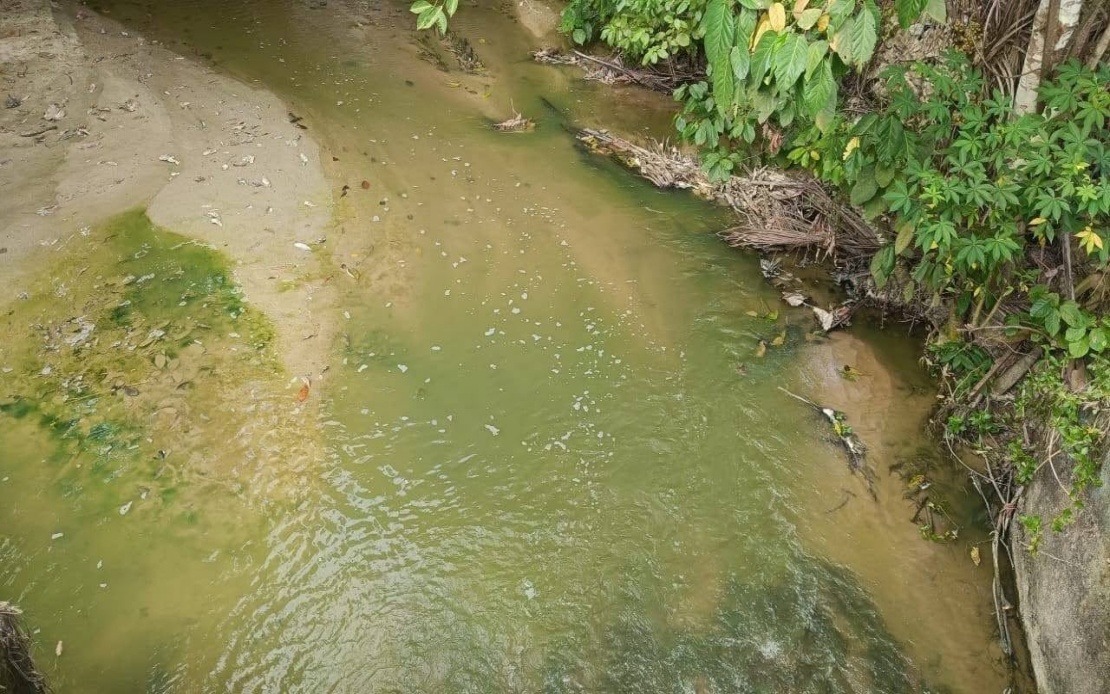
The Pertang River in Mukim Pertang, Jelebu, has turned conspicuously green following weeks of sweltering heat and minimal precipitation, but authorities have ruled out contamination as the culprit. The Negeri Sembilan Department of Fisheries investigated the phenomenon after social media users expressed concern over images of the discoloured waterway, with many suspecting industrial discharge or chemical runoff. Department director Kasim Tawe clarified that the verdant hue stems entirely from prolific algae blooms flourishing in adjacent fish-breeding operations, a natural consequence of prevailing climatic conditions rather than a sign of environmental degradation.
Understanding algae dynamics in aquaculture contexts reveals a more nuanced reality than public alarm might suggest. Kasim elaborated that green algae inhabiting fish ponds presents a paradoxical character—capable of delivering substantial benefits to farmed fish populations under properly managed densities, yet potentially catastrophic when left unchecked. This duality explains why fisheries officers have adopted a monitoring posture rather than emergency intervention; the situation requires ongoing assessment but does not inherently signal crisis. The algae contributes positively by generating dissolved oxygen through photosynthesis and supplying natural nutrition that reduces feed dependency, effectively functioning as a biological support system within the aquatic ecosystem of the ponds.
Beyond nutritional contributions, algae performs an ecological shading function that mitigates thermal and light stress on confined fish populations. During extended hot seasons, when water temperatures climb and sunlight intensity increases, the algal layer acts as a natural parasol, moderating conditions and promoting fish welfare. These beneficial aspects explain why experienced aquaculturists sometimes cultivate modest algal presence intentionally. However, the threshold between manageable and destructive algae growth remains precarious, and environmental conditions like those currently experienced can rapidly tip the balance toward deleterious outcomes.
The danger emerges when algal proliferation becomes excessive and uncontrolled. Kasim warned that dense blooms precipitate dramatic crashes in dissolved oxygen levels, particularly during nighttime hours when photosynthesis ceases and decomposition accelerates oxygen depletion. Simultaneously, rapid pH fluctuations stemming from intensive biological activity can damage fish gill tissues and compromise their respiratory function. Fish confined to such conditions face compounding physiological stress that can trigger mortality events across entire pond systems, representing substantial economic losses for breeders who depend on aquaculture revenues.
The Pertang operation represents a substantial commercial venture spanning approximately 29.54 hectares of former mining ponds that have been rehabilitated for aquaculture purposes. Breeders cultivate baung, red tilapia, and Lee Koh fish species across this area, making it a significant regional aquaculture hub. The scale of the operation underscores why monitoring efforts and early intervention remain crucial; failure to manage algae effectively could affect fish production across tens of thousands of square metres. The location itself—a remediated mining site—demonstrates how post-extraction land rehabilitation has enabled productive economic reuse in Jelebu, a district with deep ties to the country's mining heritage.
Awareness of the phenomenon arrived through social media circulation when a WhatsApp message and accompanying river photographs went viral, amplifying public concern and prompting official investigation. This digital communication pattern reflects how information—and misinformation—spreads rapidly in Malaysian communities, particularly regarding environmental matters that directly affect water security and public health perceptions. The DOF's swift and transparent response, dismissing unfounded pollution claims while explaining the actual cause, represents an effort to ground public understanding in scientific reality rather than allowing speculation to calcify into misconception.
Addressing uncontrolled algae growth requires deliberate technical intervention that Kasim detailed comprehensively. Fish breeders should deploy mechanical waterwheels, particularly during nocturnal hours when oxygen demand peaks and photosynthetic production halts. Gradual water exchange protocols help dilute excess algal biomass while minimizing shock to fish populations already stressed by environmental conditions. Reducing feeding rates decreases organic matter accumulation that fuels algal proliferation, whilst installation of shade structures provides environmental control without introducing chemicals. Application of beneficial bacteria, termed probiotics, promotes competitive suppression of undesirable algal species while maintaining microbial community stability.
In severe situations, population reduction offers a blunt but effective intervention—decreasing fish density lowers biological oxygen demand and reduces overall system stress during management periods. These diverse strategies reflect the complexity of aquaculture management, requiring operators to balance productivity against biosecurity and environmental stewardship. The methods available do not involve chemical treatments that might introduce secondary contamination concerns, aligning with contemporary preferences for ecological approaches within food production systems.
The Jelebu District Fisheries Office and Pertang Police Station have established a coordinated monitoring regime to track conditions in both the river and contributing fish ponds. This institutional cooperation reflects recognition that aquaculture operations function within broader environmental systems, with implications extending beyond individual farm boundaries. Continued observation will establish whether climatic conditions moderate, allowing algal blooms to recede naturally, or whether intervention becomes necessary to prevent deterioration. The partnership between fisheries specialists and law enforcement indicates official seriousness about the situation whilst also preserving the presumption that current conditions remain manageable through standard operational adjustments.

