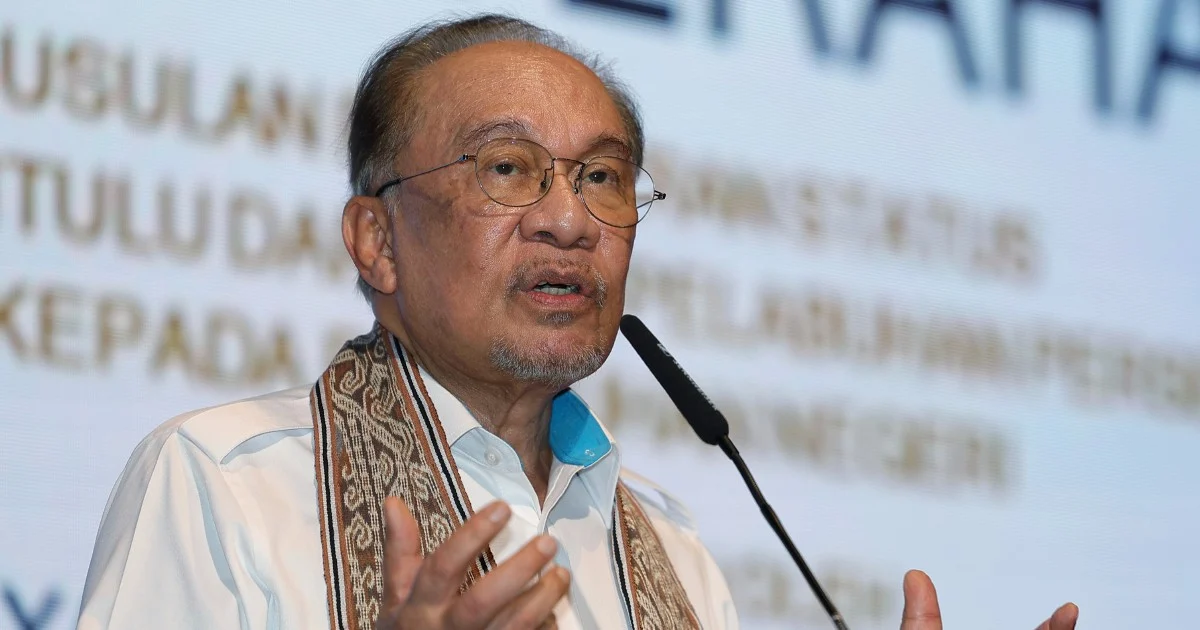
Prime Minister Datuk Seri Anwar Ibrahim has signalled that ongoing negotiations between Malaysia's national oil and gas company Petronas and Sarawak's state-owned Petros are moving in an encouraging direction. Speaking in Kuching, the premier indicated that discussions between the two major energy corporations are yielding tangible momentum, though he did not elaborate on specific terms or timelines for any potential agreement.
The talks represent an attempt to resolve long-standing tension over oil and gas exploration rights in Sarawak waters, a matter that has periodically strained federal-state relations. Petros, which was established to represent Sarawak's hydrocarbon interests, has increasingly sought a greater role in managing the state's petroleum resources rather than operating under arrangements heavily weighted towards the federal entity. The push reflects broader assertiveness among resource-rich Malaysian states keen to capture more value from their natural endowments.
For Petronas, which has historically dominated Malaysia's upstream energy sector, negotiating with Petros requires balancing operational efficiency with the political necessity of accommodating Sarawak's autonomy aspirations. The company operates across a range of fields in disputed and contested maritime zones, making any restructuring potentially complex from both technical and regulatory perspectives. Positive signals from the leadership level suggest political will exists to overcome these complications.
The timing of Anwar's statement carries significance given Malaysia's broader energy transition priorities and the need for investment certainty in oil and gas development. Resolving disputes between Petronas and Petros could unlock new exploration opportunities and reduce delays in project approvals, potentially generating additional revenue for both federal and state governments. Conversely, unresolved friction risks deterring foreign investment partners exploring partnership opportunities with Malaysian entities.
Sarawak accounts for a substantial portion of Malaysia's total petroleum production, making the state a crucial component of the country's energy infrastructure and export revenue. Petros' emergence as an assertive player reflects the state's desire to exert greater control over its resource destiny and capture higher returns from hydrocarbon development. This mirrors similar movements in other resource-rich regions globally, where local authorities increasingly demand meaningful participation in major extraction projects rather than passive revenue-sharing arrangements.
The negotiations also occur against a backdrop of global energy market dynamics that are reshaping corporate strategies across the sector. Falling oil prices, energy transition pressures, and shifting geopolitical alignments mean that both Petronas and Petros face pressure to enhance operational efficiency and sharpen competitive positioning. Improved coordination between the two entities could enhance Malaysia's ability to attract international partners and technology for both traditional and emerging energy projects.
Anwar's public endorsement of negotiation progress serves multiple audiences. For Sarawak's leadership, it demonstrates federal acknowledgment of the state's legitimate interests. For investors and international partners, it signals that Malaysian oil and gas governance structures are evolving towards greater clarity and stability. For Petronas management, it provides political cover for making concessions that might previously have been seen as threatening the company's traditional prerogatives.
The specific mechanics of any agreement between Petronas and Petros remain subject to confidential discussions, but potential frameworks could include enhanced Petros participation in operating decisions, revised revenue allocation formulas, or expanded exploration rights in designated areas. Such arrangements would represent significant departures from historical practice and would require careful structuring to satisfy both parties' financial and operational objectives.
Industry observers are watching the negotiations carefully, as their outcome could establish precedent for how Malaysian federalism intersects with major extractive industries. If successful, the model could serve as template for resolving similar disputes in other sectors or between other state entities and federal-level companies, potentially reshaping Malaysia's approach to managing natural resources as shared national assets.
Beyond economic implications, the negotiations touch on broader questions of governance and institutional design in Malaysia. How effectively the country manages these discussions will influence perceptions of institutional competence and federal-state cooperation, factors that affect investor confidence and Malaysia's competitive position in the global energy marketplace. The positive signals emerging suggest both sides recognise mutual benefit in finding workable arrangements.
For Malaysia's energy sector specifically, clarity on the Petronas-Petros relationship represents essential groundwork for medium and long-term planning. Energy companies making major capital commitments require stable regulatory frameworks and transparent ownership structures. Extended uncertainty about how Petronas and Petros will interact impedes such investments, so advancing negotiations towards resolution serves broader national energy security objectives. Anwar's comments suggest that both parties are moving beyond entrenched positions towards pragmatic problem-solving.
%22%2F%3E%3C%2Fpattern%3E%3C%2Fdefs%3E%3Crect%20width%3D%22100%25%22%20height%3D%22100%25%22%20fill%3D%22url(%23ph6m3xg)%22%2F%3E%3Crect%20width%3D%22100%25%22%20height%3D%22100%25%22%20fill%3D%22url(%23ph6m3xp)%22%2F%3E%3Ctext%20x%3D%2250%25%22%20y%3D%2250%25%22%20text-anchor%3D%22middle%22%20dominant-baseline%3D%22central%22%20fill%3D%22rgba(255%2C255%2C255%2C0.95)%22%20font-family%3D%22Georgia%2C%20'Times%20New%20Roman'%2C%20serif%22%20font-weight%3D%22700%22%20font-size%3D%22320%22%20letter-spacing%3D%22-0.02em%22%3E32%3C%2Ftext%3E%3C%2Fsvg%3E)