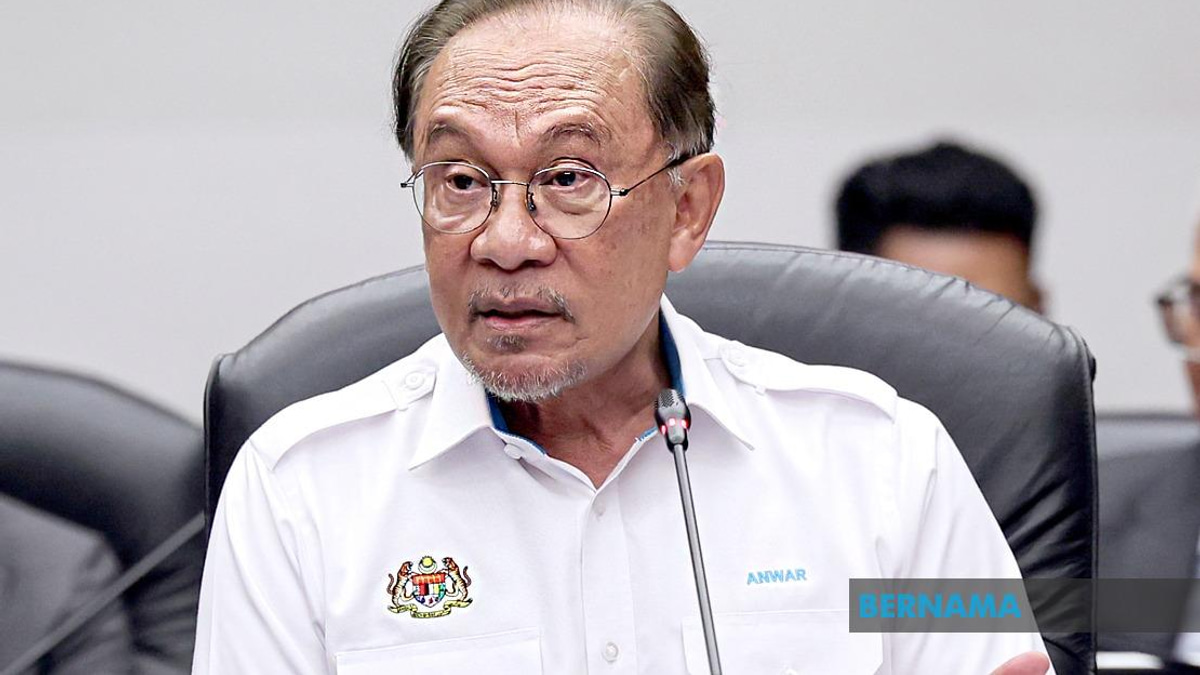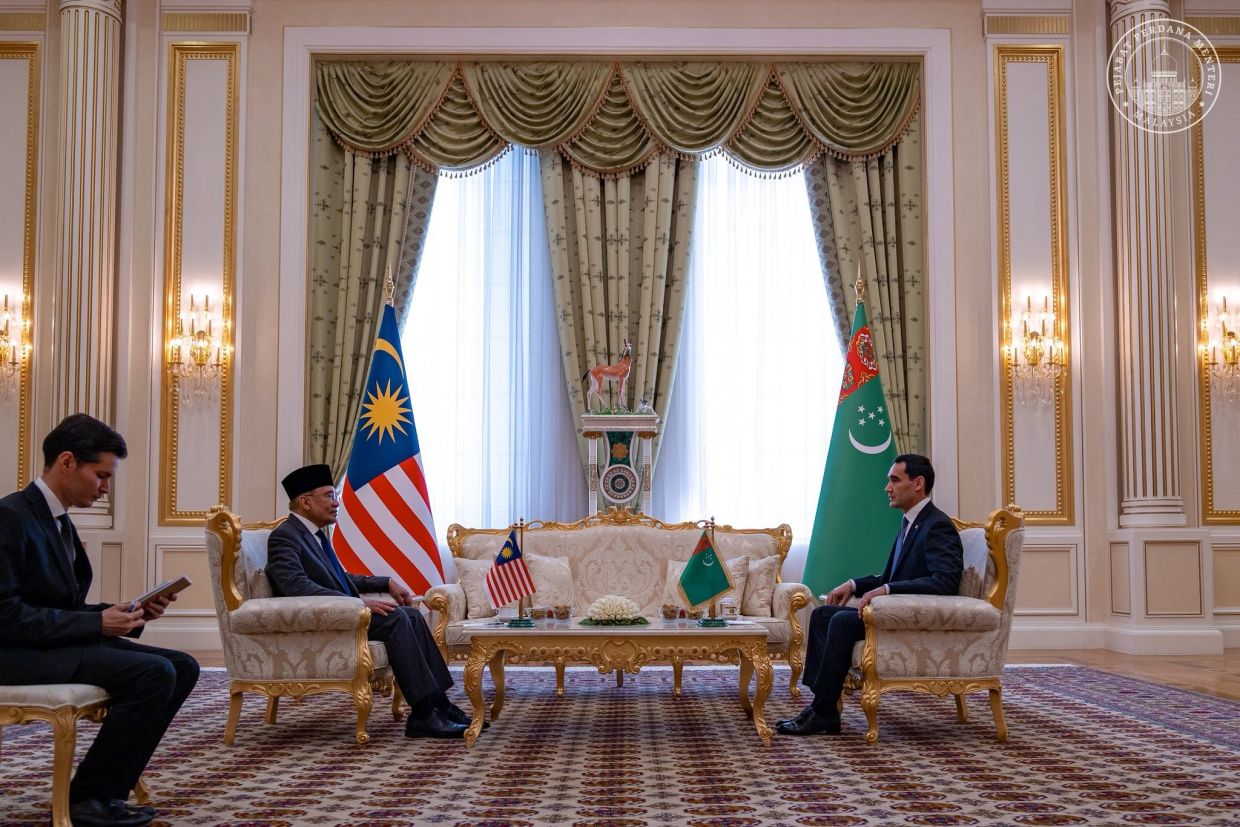
Prime Minister Datuk Seri Anwar Ibrahim travelled to Ashgabat where he and Turkmenistan President Serdar Berdimuhamedov presided over the signing of a landmark strategic partnership between PETRONAS and Turkmenistan's energy authorities. The agreement represents a significant expansion of economic and energy relations between the two nations, building on foundations laid over the past three decades. According to a statement from the Prime Minister's Office, the partnership celebrates the milestone of 30 years of continuous cooperation in the energy sector, a relationship that has proven foundational to Malaysia-Turkmenistan bilateral engagement.
The timing of this agreement carries considerable symbolic weight, as it underscores Malaysia's sustained commitment to deepening ties with Central Asia at a time when energy security and strategic resource partnerships command heightened global attention. The partnership goes beyond traditional commercial arrangements, instead positioning itself as a comprehensive framework for technology transfer, knowledge sharing, and collaborative development. Officials framed the arrangement not merely as a transactional agreement but as a mechanism through which both nations can leverage complementary strengths to address shared economic priorities and energy security challenges.
Turkmenistan possesses some of the world's most substantial natural gas reserves, making it a strategically valuable partner for energy-hungry nations and multinational corporations seeking reliable supply chains. The new partnership explicitly aims to unlock these resources through joint exploration and development initiatives. For PETRONAS, which has already invested RM52.73 billion in Turkmenistan since 1996, this agreement represents recognition of the company's operational success in the country and provides a platform for expanded activities. The Malaysian petroleum company has established itself as a trusted partner capable of managing complex projects in challenging environments, credentials that evidently have impressed Turkmenistan's leadership.
The Prime Minister's Office highlighted how this partnership reflects international confidence in Malaysia's capabilities across the energy sector and related strategic industries. This framing serves a dual purpose: it emphasises Malaysia's technical credentials and expertise while simultaneously positioning the nation as a reliable actor on the global energy stage. By demonstrating that Malaysian firms and technical personnel can compete effectively alongside international rivals, the agreement provides validation for domestic capabilities and opens pathways for Malaysian participation in higher-value projects across Central Asia and beyond.
Beyond immediate energy considerations, officials identified broader economic and investment cooperation opportunities arising from the partnership. The statement noted that the agreement creates infrastructure for future collaborations extending into sectors beyond hydrocarbon development, suggesting potential involvement in downstream activities, infrastructure development, and related industries. This wider economic lens reflects contemporary approaches to bilateral partnerships, where energy serves as an entry point for more comprehensive commercial engagement rather than an isolated transaction.
Anwar's two-day official visit included formal reception ceremonies at the Presidential Palace and bilateral meetings covering the full spectrum of Malaysia-Turkmenistan relations. The diplomatic choreography surrounding the partnership announcement underscored its importance to both governments. Turkmenistan's willingness to grant such prominence to the agreement suggests the nation views deepened Malaysian involvement as strategically beneficial, possibly reflecting broader diversification of partnerships away from overdependence on any single investor or partner.
Trade statistics reveal the existing foundation upon which this partnership rests. During 2025, Turkmenistan ranked as Malaysia's fourth-largest trading partner within Central Asia, with bilateral trade reaching RM75.80 million. Malaysian exports dominated this figure at RM75.50 million, representing a nine percent increase year-on-year. While these absolute volumes remain modest by global standards, the growth trajectory and composition of trade—heavily weighted toward Malaysian exports—suggests successful market penetration and growing acceptance of Malaysian goods and services. The partnership announcement may accelerate these trends, particularly if collaboration extends into sectors like engineering services, technology provision, and equipment supply.
For Malaysian policymakers under the MADANI administration, the Turkmenistan partnership exemplifies the government's emphasis on economic diversification and deepening relationships with non-traditional partners. Central Asia has historically received limited attention from Southeast Asian economies, with most regional diplomatic and commercial efforts concentrated on intra-ASEAN relations or engagement with established Western and Chinese partners. By elevating engagement with Turkmenistan and similar Central Asian nations, Malaysia positions itself as a genuinely pan-Asian player capable of building partnerships across diverse regions and political systems.
PETRONAS's substantial historical investment in Turkmenistan—now exceeding half a century's cumulative commitment expressed in billions of ringgit—demonstrates long-term confidence in the partnership despite various global energy market disruptions. The company's willingness to expand operations suggests confidence in project economics and political stability. For Malaysian firms more broadly, PETRONAS's success provides proof of concept that Central Asian markets offer genuine opportunities for technical expertise and capital deployment, potentially encouraging other Malaysian companies to explore expansion possibilities in the region.
The energy security dimensions of this partnership warrant attention from a regional perspective. Southeast Asia, including Malaysia, faces growing energy demand as economies develop and populations expand. Diversifying energy sources beyond immediate regional supplies reduces vulnerability to supply disruptions and price volatility. Through PETRONAS's activities in Turkmenistan, Malaysia effectively gains access to some of the world's most abundant natural gas reserves, either through direct supply arrangements or through the company's broader global operations. This geographic diversification of energy exposure provides valuable insurance against concentration risks inherent in relying on limited supplier bases.
The partnership also carries implications for Malaysia's positioning within broader Central Asian geopolitical dynamics. By strengthening economic ties with Turkmenistan through partnership agreements, Malaysia signals its intent to participate constructively in the region's development. This approach differs from zero-sum competition, instead offering partnerships predicated on mutual economic benefit. As Central Asian nations seek to reduce historical dependence on particular powers and diversify international partnerships, Malaysian engagement offers an alternative partnership model based on commercial rather than strategic subordination.
Looking forward, the agreement establishes frameworks and relationships that can be leveraged beyond immediate hydrocarbon development. Future collaboration might encompass training programmes developing Turkmenistan's workforce capacity, technology licensing arrangements, joint venture structures for downstream development, and infrastructure projects supporting resource extraction and export. Such multifaceted partnerships create durable relationships less vulnerable to commodity price fluctuations or short-term political changes.
The strategic partnership between PETRONAS and Turkmenistan therefore represents more than a conventional commercial agreement. It signifies Malaysia's maturation as an energy sector player with capabilities valued internationally, demonstrates the MADANI government's commitment to strategic economic diversification, and establishes frameworks for sustained engagement with Central Asia. For Malaysian investors and companies, it opens pathways into a region historically underexplored but increasingly important to global energy security and economic development.
%22%2F%3E%3C%2Fpattern%3E%3C%2Fdefs%3E%3Crect%20width%3D%22100%25%22%20height%3D%22100%25%22%20fill%3D%22url(%23ph4n81lg)%22%2F%3E%3Crect%20width%3D%22100%25%22%20height%3D%22100%25%22%20fill%3D%22url(%23ph4n81lp)%22%2F%3E%3Ctext%20x%3D%2250%25%22%20y%3D%2250%25%22%20text-anchor%3D%22middle%22%20dominant-baseline%3D%22central%22%20fill%3D%22rgba(255%2C255%2C255%2C0.95)%22%20font-family%3D%22Georgia%2C%20'Times%20New%20Roman'%2C%20serif%22%20font-weight%3D%22700%22%20font-size%3D%22272%22%20letter-spacing%3D%22-0.02em%22%3EAnwar%3C%2Ftext%3E%3C%2Fsvg%3E)