%22%2F%3E%3C%2Fpattern%3E%3C%2Fdefs%3E%3Crect%20width%3D%22100%25%22%20height%3D%22100%25%22%20fill%3D%22url(%23ph4n81lg)%22%2F%3E%3Crect%20width%3D%22100%25%22%20height%3D%22100%25%22%20fill%3D%22url(%23ph4n81lp)%22%2F%3E%3Ctext%20x%3D%2250%25%22%20y%3D%2250%25%22%20text-anchor%3D%22middle%22%20dominant-baseline%3D%22central%22%20fill%3D%22rgba(255%2C255%2C255%2C0.95)%22%20font-family%3D%22Georgia%2C%20'Times%20New%20Roman'%2C%20serif%22%20font-weight%3D%22700%22%20font-size%3D%22272%22%20letter-spacing%3D%22-0.02em%22%3EAnwar%3C%2Ftext%3E%3C%2Fsvg%3E)
Prime Minister Datuk Seri Anwar Ibrahim has voiced strong approval of statements from Russian President Vladimir Putin and Chinese President Xi Jinping regarding their condemnation of military operations in Gaza and Iranian attacks, underscoring Malaysia's careful navigation of complex geopolitical fault lines that intersect with regional security concerns.
The Malaysian leader's remarks come at a particularly delicate moment in international relations, when the Middle Eastern crisis continues to reverberate across global diplomatic channels and test the solidarity of non-aligned nations seeking to maintain balanced foreign policy positions. By publicly acknowledging the stands taken by Moscow and Beijing, Anwar is signalling Malaysia's alignment with major powers that have consistently challenged Western-dominated narratives on regional conflicts, while simultaneously positioning the country within the broader framework of developing nations that resist unilateral approaches to international disputes.
Anwar's appreciation for the Russian and Chinese positions reflects a deeper strategic calculation within Malaysian foreign policy circles. Both Moscow and Beijing have maintained principled stances against what they characterise as disproportionate military responses, while simultaneously addressing the security dimensions of cross-border attacks. This nuanced approach appeals to Malaysia's own diplomatic framework, which seeks to condemn violence from all quarters while avoiding the appearance of taking sides in great power competitions that increasingly define global geopolitics.
The significance of Anwar's statement extends beyond mere diplomatic courtesy. Malaysia, as a Muslim-majority nation with substantial economic and cultural ties throughout the Middle East, faces genuine domestic and foreign policy pressures to respond meaningfully to Palestinian suffering and regional instability. By framing his approval around the positions of Russia and China rather than leading with independent Malaysian condemnation, the Prime Minister strategically shares the diplomatic burden and legitimacy with other non-Western powers, thereby strengthening the collective voice of nations seeking alternative perspectives on Middle Eastern crises.
This approach also demonstrates Malaysia's continued commitment to the Non-Aligned Movement principles and South-South cooperation frameworks that have historically guided the country's international relations. Rather than aligning with either the Western bloc or explicitly endorsing specific regional actors, Malaysia adopts a position that emphasises universal principles—the condemnation of disproportionate military force, respect for sovereignty, and the importance of diplomatic solutions—while finding common ground with influential global players who share similar strategic interests.
The timing of Anwar's comments carries particular weight given the ongoing tensions between Iran and Israel, which have created ripple effects throughout the region and among Southeast Asian nations with significant trading relationships across the Middle East. Malaysia's careful acknowledgment of both Russian and Chinese positions on these incidents suggests the government is seeking to maintain stability in its relations with all major powers while continuing to advocate for peaceful resolution mechanisms within appropriate international forums.
For Malaysian domestic audiences, particularly the Muslim community, Anwar's statement serves to demonstrate governmental responsiveness to concerns about Palestinian welfare and regional justice, without the government appearing to make unilateral declarations that could complicate economic or diplomatic relationships. This balancing act is particularly important for a government seeking to consolidate its political position while managing the expectations of diverse constituencies with varying perspectives on international affairs.
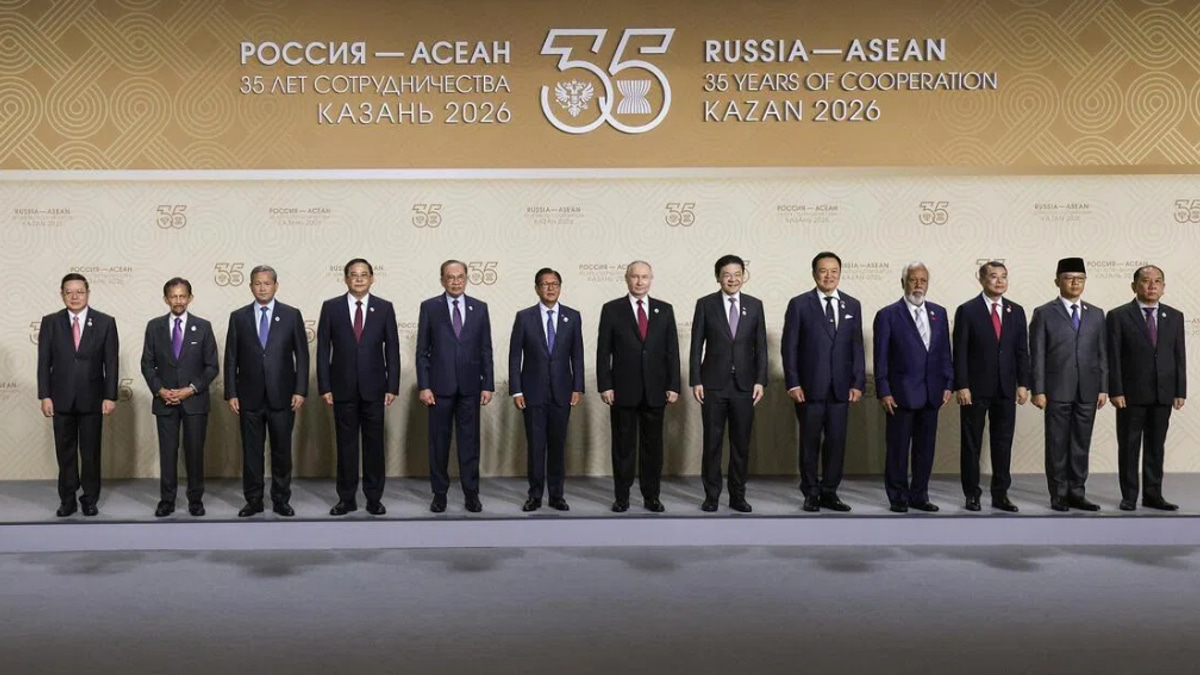
From a Southeast Asian perspective, Malaysia's diplomatic positioning also reflects broader regional concerns about great power competition and the importance of maintaining ASEAN centrality in addressing regional security questions. By praising Russian and Chinese statements rather than Western positions, Anwar reinforces the principle that Southeast Asian nations should not be pressured to choose sides in superpower rivalries, and that regional voices deserve hearing on matters that affect Asian security and prosperity.
The implications for Malaysia's foreign relations extend to its positioning within Islamic international forums as well. By acknowledging Russia and China's statements while avoiding explicit criticism of Western allies, Malaysia maintains space for engagement with multiple international constituencies. This is particularly crucial for a nation that hosts significant numbers of international students, maintains important trade relationships with Western economies, and simultaneously seeks to strengthen ties with emerging powers and fellow Muslim nations.
Government analysts suggest that Anwar's remarks also reflect Malaysia's understanding that the Middle Eastern crisis will not be resolved through unilateral declarations from any single nation or bloc, but rather through sustained international engagement that includes perspectives from diverse geopolitical regions and traditions. By highlighting Russian and Chinese positions, the Prime Minister implicitly argues for inclusivity in international problem-solving mechanisms, a principle that Malaysia itself has advocated throughout its history of diplomacy.
Looking forward, Malaysia's diplomatic approach as exemplified by Anwar's statement will likely continue to prioritise maintaining constructive relationships with multiple global actors while advancing principles of international law and peaceful resolution. The government's strategy appears focused on building coalitions among non-Western powers and developing nations to ensure that perspectives from the Global South receive adequate consideration in international forums addressing Middle Eastern security challenges.
%22%2F%3E%3C%2Fpattern%3E%3C%2Fdefs%3E%3Crect%20width%3D%22100%25%22%20height%3D%22100%25%22%20fill%3D%22url(%23ph4p9rmg)%22%2F%3E%3Crect%20width%3D%22100%25%22%20height%3D%22100%25%22%20fill%3D%22url(%23ph4p9rmp)%22%2F%3E%3Ctext%20x%3D%2250%25%22%20y%3D%2250%25%22%20text-anchor%3D%22middle%22%20dominant-baseline%3D%22central%22%20fill%3D%22rgba(255%2C255%2C255%2C0.95)%22%20font-family%3D%22Georgia%2C%20'Times%20New%20Roman'%2C%20serif%22%20font-weight%3D%22700%22%20font-size%3D%22320%22%20letter-spacing%3D%22-0.02em%22%3EKTMB%3C%2Ftext%3E%3C%2Fsvg%3E)