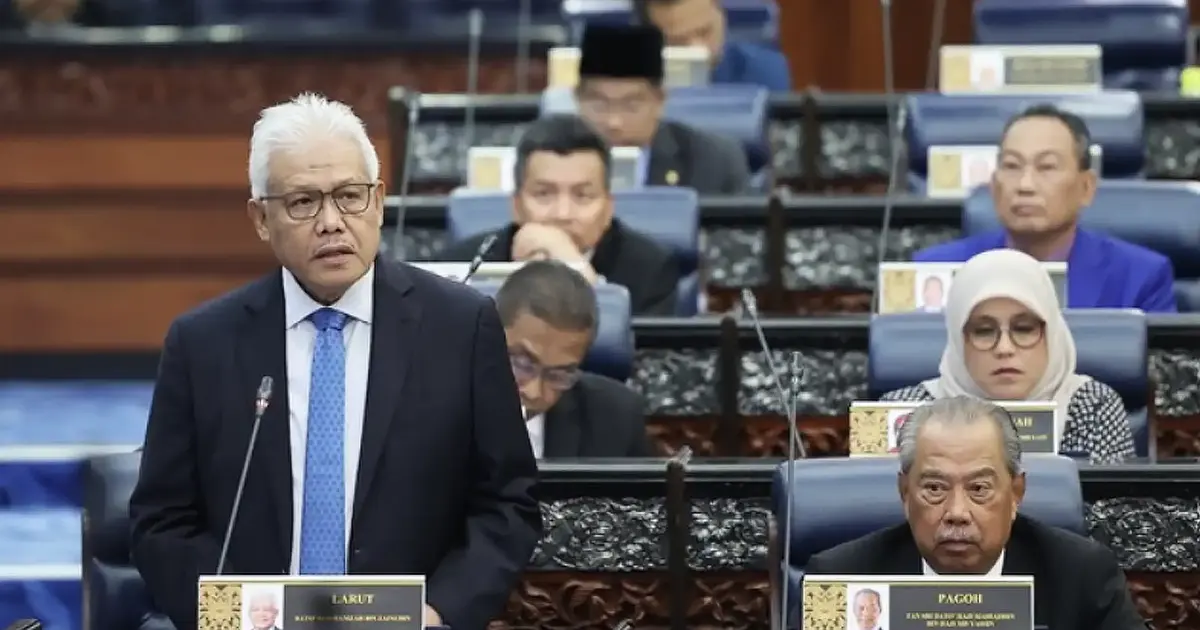
Parliamentary seating arrangements have shifted in the Dewan Rakyat, reflecting changes in opposition leadership dynamics. Datuk Seri Hamzah Zainudin has reclaimed his traditional front-row seat as opposition leader, a symbolic position that carries significant weight in Malaysia's legislative chamber. The repositioning marks a notable reconfiguration of the opposition bloc's physical presence in Parliament, one that observers view as indicative of evolving factional alignments within the opposition ranks.
Bersatu president Muhyiddin Yassin, who previously enjoyed proximity to the opposition leader's seat, has now been relocated to a position eight seats removed from the front row's premium location. This shift in seating arrangement underscores the fluid nature of opposition politics in Malaysia, where parliamentary positions often serve as visible markers of political standing and influence within the broader coalition structure. The former prime minister's relocation suggests adjustments in how opposition groupings perceive their relative importance and hierarchies within the larger anti-government bloc.
The Dewan Rakyat's seating plan carries symbolic significance beyond mere comfort or convenience. Front-row positioning traditionally designates a party or leader's prominence within the opposition fold, providing visibility during debates, statements, and parliamentary proceedings. Hamzah's return to this prominent placement signals his continued relevance as a key opposition figure, while his ability to command this position reflects the support he maintains among opposition lawmakers and party leaders. The arrangement demonstrates that despite the complex coalition mathematics characterising Malaysian opposition politics, certain leaders retain hierarchical status within the informal pecking order.
Muhyiddin's movement down the front row requires context regarding Bersatu's positioning within the opposition ecosystem. The party, which split from the ruling coalition to rejoin the opposition ranks, occupies a somewhat unique position—retaining sufficient parliamentary representation to command attention while navigating relationships with other opposition components. The seating change may reflect ongoing negotiations and realignments as opposition parties continue calibrating their strategies ahead of the next general election, scheduled for 2025.
This development occurs against a backdrop of sustained opposition fragmentation and occasional cooperation between various anti-government blocs. Pakatan Harapan, comprising Amanah, DAP, and PKR, continues serving as the primary opposition force, while Bersatu and other smaller opposition groupings maintain separate identities while occasionally coordinating on parliamentary votes and strategies. Hamzah's prominence as opposition leader remains unchallenged, but the broader opposition landscape remains characterised by competing agendas and occasional tensions between constituent parties.
Parliamentary seating changes, though sometimes appearing technical or administrative, frequently communicate important messages about political relationships and power dynamics to both fellow lawmakers and observers monitoring Malaysia's political landscape. The relocation of senior figures often precedes or follows shifts in coalition arrangements, negotiations over policy positions, or adjustments to party hierarchies. In this instance, the realignment provides observable evidence of how opposition groupings continue reorganising themselves, even as they maintain their collective stance against the ruling government.
For Malaysian observers and political analysts, such arrangements merit attention as indicators of broader trends within opposition politics. The ability of the opposition leader to occupy the front-row position reflects parliamentary traditions that grant recognition to whichever coalition commands the most parliamentary seats outside the government. Hamzah's secure positioning underscores that despite recent political turbulence and shifting alliances, certain leaders retain considerable organisational backing and legitimacy within opposition ranks. Conversely, Muhyiddin's relocation does not necessarily diminish Bersatu's parliamentary relevance but rather calibrates its profile within the broader opposition configuration.
The next general election looms as a critical juncture for opposition cohesion and performance. How effectively various opposition groupings maintain cooperation while pursuing distinct party interests will substantially influence electoral outcomes and post-election coalition negotiations. Seating arrangements in the Dewan Rakyat, while seemingly minor procedural matters, often presage the alignments and strategic positionings that opposition leaders believe will best serve their respective parties and the broader anti-government effort. Hamzah's reassertion of front-row prominence may signal an intention to strengthen his leadership profile, while simultaneously demonstrating that opposition leadership remains contested and conditional on sustained parliamentary backing.
These internal opposition adjustments occur as the government navigates its own coalition management challenges. The ruling Perikatan Nasional coalition, comprising UMNO, PAS, and Bersatu-breakaway factions, maintains a working majority but requires constant attention to maintain stability. Opposition dynamics consequently influence government stability calculations, making the internal reorganisation of opposition benches matter to governing coalitions seeking to exploit opposition divisions or anticipate opposition strategies during parliamentary sessions. Understanding opposition internal arrangements therefore extends beyond academic interest into practical considerations affecting Malaysia's legislative dynamics and political stability.