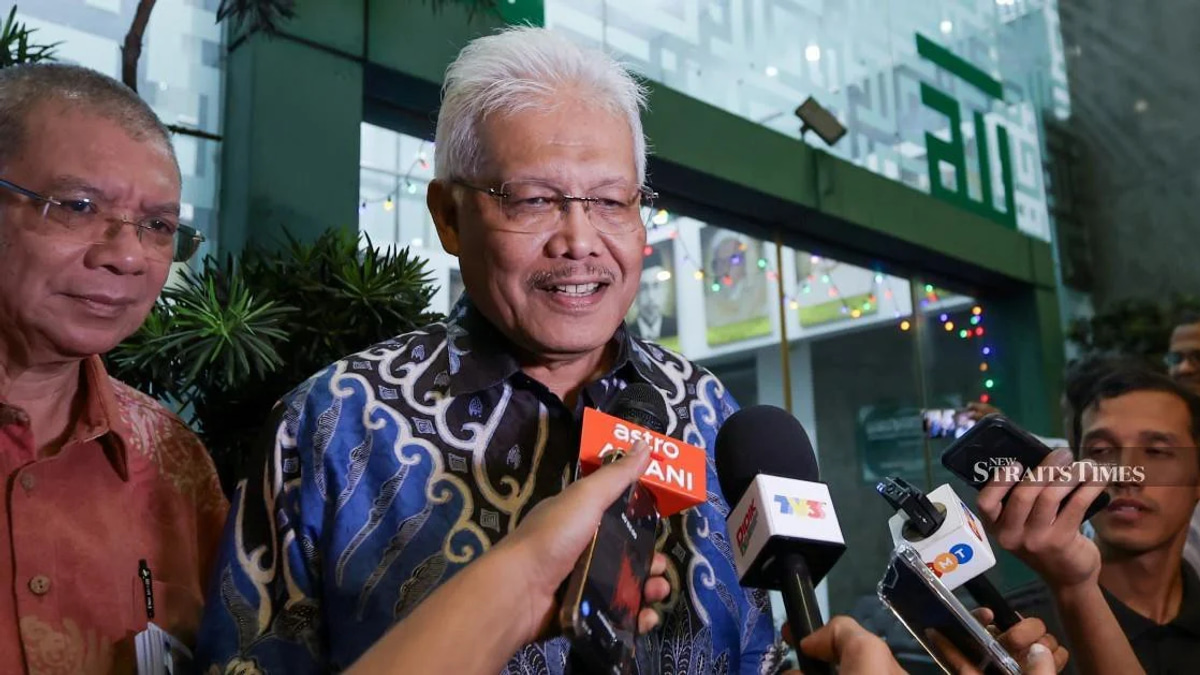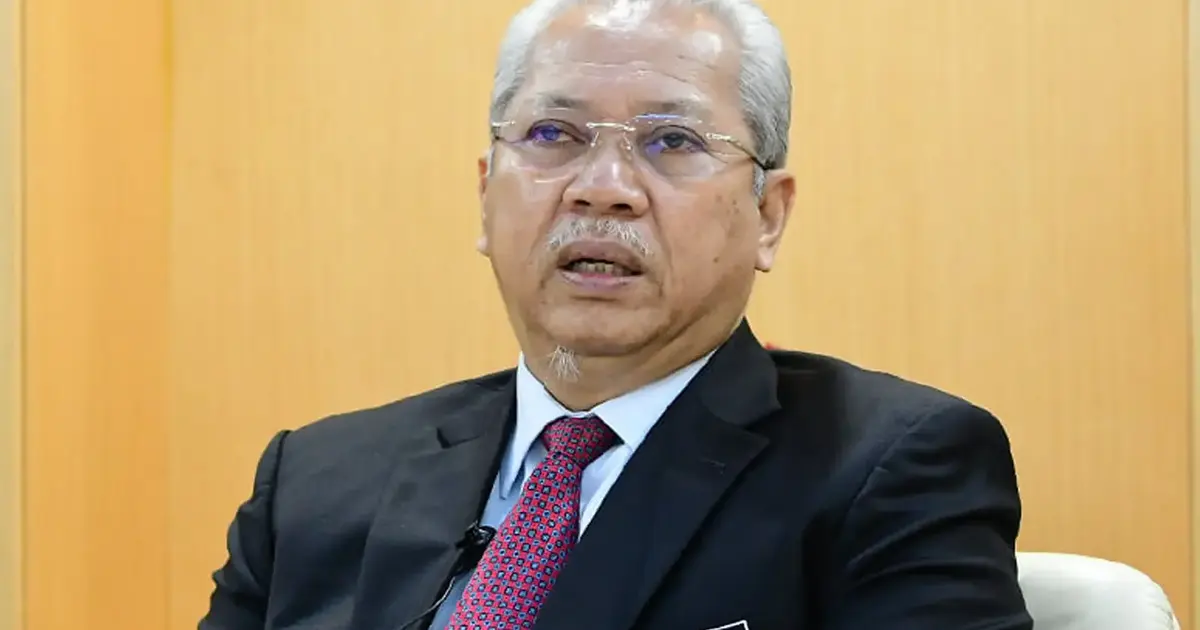
Perikatan Nasional is poised to settle a festering internal dispute over party logo rights and seat distributions for the Johor and Negeri Sembilan state elections at a Supreme Council meeting scheduled for Monday, according to coalition information chief Annuar Musa. The session represents a critical juncture for the opposition bloc as it prepares for electoral contests in two significant states while managing tensions within its own ranks.
The coalition faces mounting pressure to clarify Bersatu's status within its framework, a question that has simmered beneath the surface for months. Bersatu's continued membership in PN has become increasingly contentious, with uncertainties over the party's long-term commitment and the practical implications of its participation affecting coalition cohesion. Annuar Musa has made clear that only the Supreme Council—the highest decision-making body within PN—possesses the authority to address these fundamental questions about membership and organisational structure.
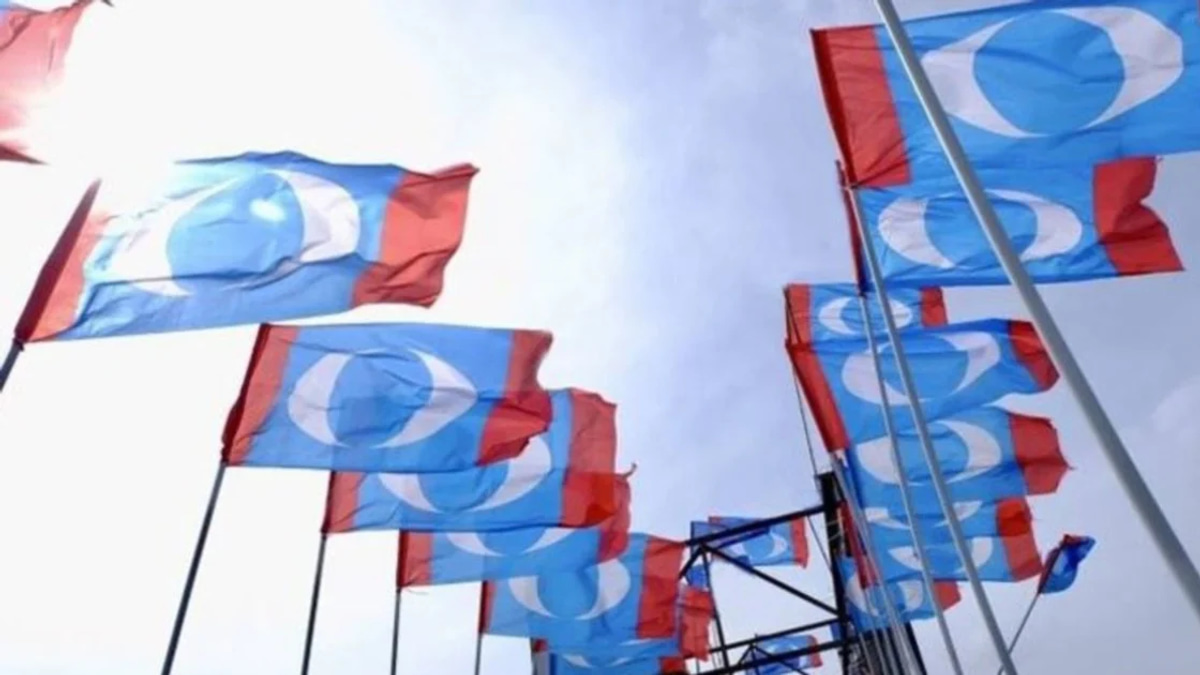
Central to Monday's discussions will be the contentious matter of coalition branding. The right to use PN's official logo has emerged as a practical sticking point, reflecting deeper anxieties about leadership, direction, and which parties carry disproportionate influence within the alliance. Logo disputes in Malaysian coalition politics often signal broader disagreements about resource allocation, campaign strategy, and the balance of power between constituent parties. Resolving this issue publicly and decisively will be essential for presenting a unified face to voters in both states.
The Johor and Negeri Sembilan state elections loom as significant political battlegrounds where PN hopes to expand or consolidate its presence. Seat allocation formulas invariably generate friction within any coalition, as each component party seeks to maximise its own candidates while respecting agreements struck with partners. The upcoming Monday meeting must navigate these competing interests while maintaining sufficient internal harmony to mount an effective election campaign. How the Supreme Council distributes available seats among PN members will significantly influence the coalition's electoral positioning and grassroots morale.
For Malaysian observers, the timing of these internal negotiations carries broader implications for the trajectory of opposition politics. PN has positioned itself as an alternative to both the federal government and the Pakatan Harapan coalition, though its effectiveness depends largely on maintaining internal stability and avoiding public squabbles that undermine voter confidence. The logo dispute and seat allocation questions, while technically procedural, have the potential to expose cracks in the coalition's foundation if mishandled or allowed to fester further.
Bersatu's particular role in these discussions deserves careful attention. As a relative newcomer to PN compared to PAS and other components, Bersatu brings both additional electoral capacity and occasional friction over strategic direction. The party's leaders must weigh their individual political ambitions against the coalition's collective strength, a balance that becomes especially delicate during election cycles when seat allocations directly translate into electoral representation and legislative influence.
The Malaysian political landscape has become increasingly fragmented in recent years, with multiple competing blocs vying for voter support. In this environment, coalitions that can resolve internal disputes efficiently and project coherent messaging enjoy significant advantages over those plagued by public disagreements. PN's ability to conclude these negotiations decisively at Monday's Supreme Council meeting will send important signals about the alliance's maturity and readiness for electoral competition.
Regional observers across Southeast Asia have watched Malaysian coalition dynamics with interest, recognising patterns that echo challenges faced by opposition movements in other democracies. The mechanics of how multi-party alliances navigate internal conflicts while preparing for elections offer lessons relevant to broader questions about democratic competition and institutional resilience. PN's handling of this dispute will contribute to perceptions of the coalition's credibility and viability as a genuine alternative governing force.
Looking ahead, the resolution reached on Monday will establish important precedents for how PN handles similar disputes. Whether the Supreme Council opts for compromise solutions, clear hierarchical decisions, or mechanisms that preserve flexibility for future negotiations will shape the coalition's internal culture and operational efficiency. The stakes extend beyond the immediate Johor and Negeri Sembilan contests, touching on fundamental questions about PN's institutional architecture and capacity for sustained political competition.