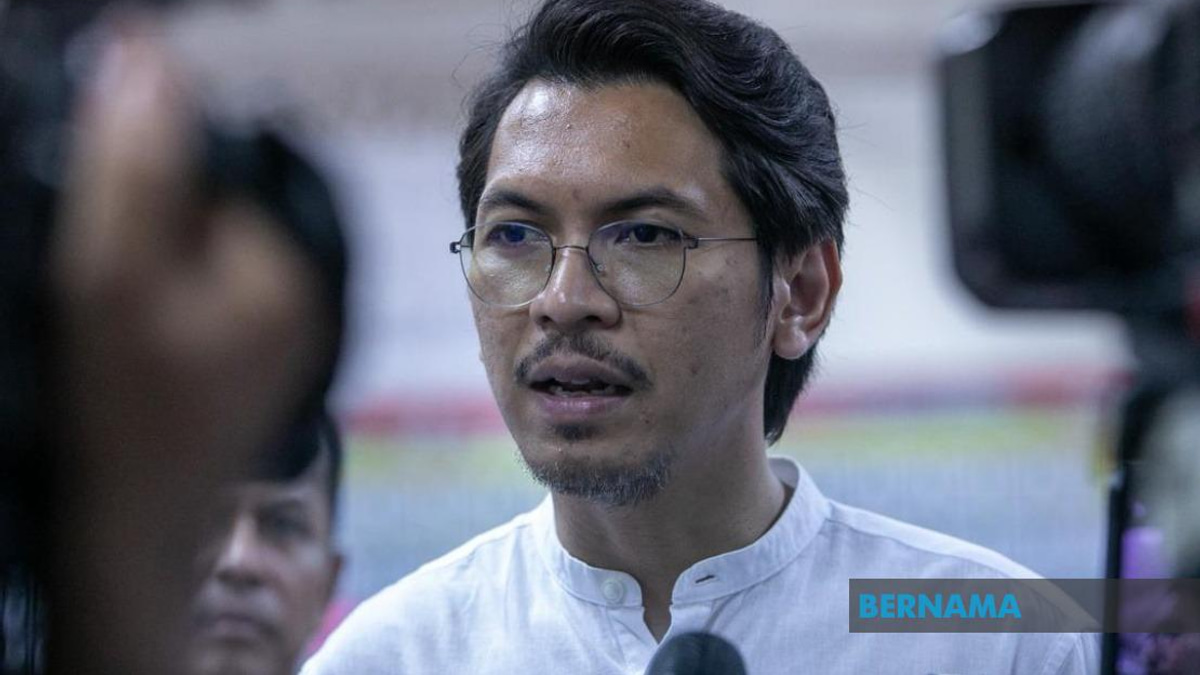
PKR's preparations for the looming Johor and Negri Sembilan state elections have reached an advanced stage, with party secretary-general Datuk Dr Fuziah Salleh revealing that the candidate list stands at 99 per cent completion. The announcement signals that the party is on track to field its full complement of contenders across both state assemblies as the political calendar inches closer to election day.
The meticulous process of compiling PKR's electoral lineup reflects the complexities inherent in state-level campaigning across Malaysia's diverse political landscape. With seats distributed across multiple constituencies in two different states, the party's leadership has had to navigate competing interests, factional preferences, and the strategic imperative of fielding strong candidates in winnable seats while maintaining party discipline and internal harmony.
For Johor, Malaysia's second-largest state by population and an electoral battleground that has shifted between opposition and government control, PKR's candidate selection carries particular weight. The state's significance in national politics means that performance here could influence broader coalition dynamics and the confidence of coalition partners. Similarly, Negri Sembilan, though smaller, remains strategically important as a Klang Valley satellite state with demographic ties to the Selangor economy and politics.
The near-completion of the candidate list provides a window into PKR's confidence level heading into the contests. The fact that the party has moved so close to finalising its roster suggests internal disputes over contentious nominations have been largely resolved through the party's vetting mechanisms. This contrasts with previous electoral cycles when last-minute wrangling over nominee selection occasionally spilled into public view, creating narratives of internal weakness.
PKR's approach to candidate selection typically balances several competing considerations: representation from different ethnic and religious communities to reflect Malaysia's pluralistic society, gender diversity to align with contemporary expectations, rewarding grassroots party activists with winnable tickets, and bringing in fresh political talent or known community figures to boost electoral appeal. The pressure to satisfy these multiple criteria simultaneously explains why compiling a final list requires substantial coordination.
Datuk Dr Fuziah's announcement carries implications for coalition planning, particularly regarding the Pakatan Harapan alliance. If PKR has resolved its internal candidate selection, other coalition members—potentially including DAP and Amanah, depending on any seat-sharing arrangements—can proceed with their own finalisation processes with greater clarity. This sequential coordination is crucial for a cohesive campaign message and unified coalition positioning.
The timing of the announcement also reflects the practical realities of Malaysian electoral cycles. While no official election date has been set for either Johor or Negri Sembilan, political consensus suggests these contests may occur within a defined window. Political parties must be sufficiently prepared to launch campaigns swiftly once elections are called, and having candidate lists finalised well in advance provides operational flexibility and allows campaign machinery to focus on ground-level organisation rather than internal nominee disputes.
From a regional perspective, these state elections represent testing grounds for opposition political fortunes in Malaysia. Johor in particular has historical significance—it was an opposition-held state that the governing coalition reclaimed in 2023, and any PKR performance here will be interpreted as a bellwether for the opposition's broader recovery and electoral viability. Similarly, Negri Sembilan's electoral dynamics reflect the shifting allegiances within the Selangor economic corridor.
PKR's progress in finalising candidates also underscores the party's institutional maturation. As Malaysia's largest opposition party by parliamentary seat count, PKR must demonstrate competent party administration, including effective nomination procedures. Any perception of chaotic or favouritism-driven candidate selection could undermine party credibility and provide ammunition for critics. The 99 per cent completion figure suggests the party has implemented reasonably rigorous processes, though the remaining one per cent may contain contentious cases requiring final arbitration.
The completion of candidate lists typically presages intensified campaign preparation, including campaign finance mobilisation, message development, and grassroots volunteer coordination. For PKR, this phase is critical for building momentum and demonstrating to voters that the party has learned lessons from previous electoral contests and is fielding serious, capable representatives committed to local and state-level governance.
Looking ahead, the finalised candidate roster becomes a political statement in itself. It reflects PKR's strategic priorities, its assessment of which constituencies are winnable, and its commitment to fielding candidates who embody the party's values and policy platform. As campaigning approaches, these candidates will be the face of PKR's electoral push in both states, and their individual credibility and local standing will significantly influence coalition fortunes.