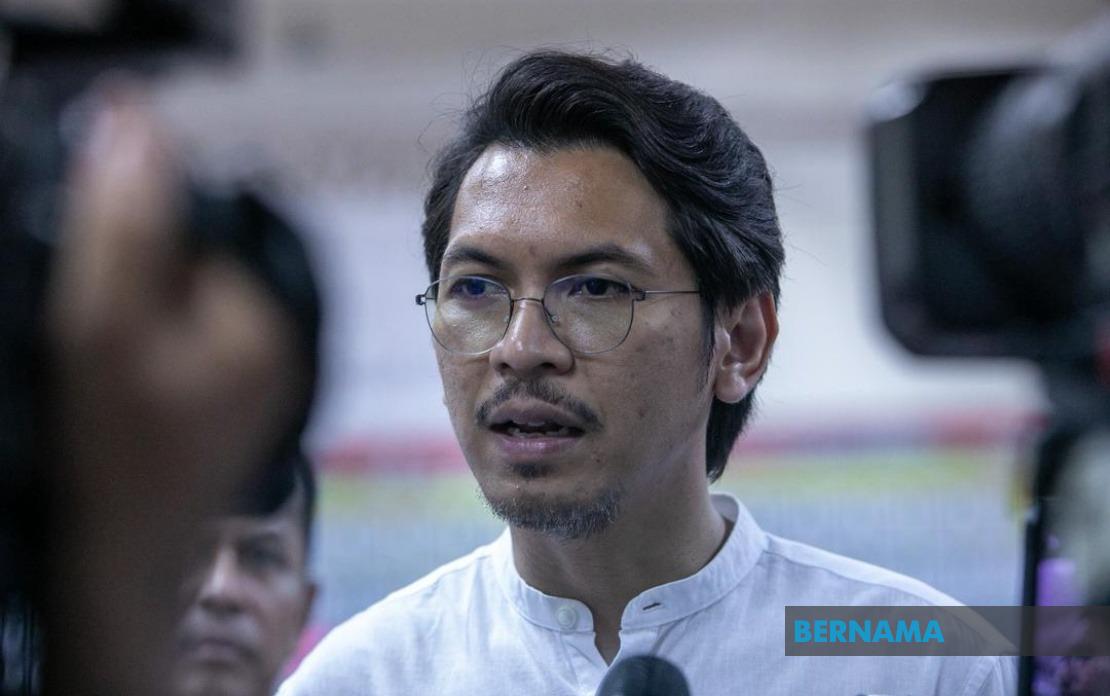
Malaysia's government has signalled cautious optimism that a proposed peace agreement between the United States and Iran could eventually provide relief to the nation's energy costs, though officials warn against expecting immediate price improvements in global oil markets. Muhammad Kamil Abdul Munim, Political Secretary to the Minister of Finance, stated during an event in Kuala Kangsar on June 19 that the memorandum of understanding between Washington and Tehran presents a constructive pathway toward resolving tensions that have disrupted energy supplies worldwide. However, he emphasised that the stability Malaysian consumers and businesses have been waiting for will not materialise overnight, as the underlying mechanics of recovery remain complex and multifaceted.
The blockages and conflicts surrounding the Strait of Hormuz—one of the world's most critical maritime chokepoints—have created cascading effects throughout international shipping. The planned accord, if fully implemented, would theoretically allow oil tankers and merchant vessels to navigate these waters with greater security, potentially unlocking supplies that have been constrained for months. For Malaysia and other import-dependent economies in Southeast Asia, the reopening of these vital sea lanes carries enormous strategic significance, as any disruption to energy supplies reverberates through manufacturing sectors, transportation networks, and household budgets.
Yet Kamil's remarks highlight a crucial reality often overlooked in initial euphoria over diplomatic breakthroughs: the costs incurred during the crisis do not simply vanish when tensions ease. Throughout the period of heightened tensions, shipping companies, insurers, and logistics providers have incurred substantially elevated expenses to navigate around conflict zones, secure additional insurance coverage, and manage extended transit times. These accumulated surcharges will not immediately disappear from supply chains, meaning that even as crude oil becomes more available, the final cost to consumers may remain elevated for an extended transition period while the industry rationalises its operations and overhead structures.
Prime Minister Datuk Seri Anwar Ibrahim has already expressed optimism about the diplomatic trajectory, noting that the peace agreement framework could establish the foundation for broader Middle Eastern stability. Nevertheless, the agreement itself has not been finalised, with negotiators given a maximum 60-day window to reach a comprehensive settlement. This conditional nature of the accord means Malaysia, like many other nations, must prepare contingency strategies should final negotiations falter—a prudent approach given the volatility of recent geopolitical developments in the region.
To shield Malaysian households from energy cost volatility in the interim, the government has maintained several protective measures that distinguish Malaysia's approach from many peer economies. The subsidised price of RON95 petrol remains fixed at RM1.99 per litre, a policy that reflects the administration's commitment to controlling inflationary pressures during this uncertain period. This pricing strategy, unsustainable indefinitely but valuable as a stabilising mechanism during crisis periods, demonstrates how targeted intervention can insulate domestic consumers from external shocks. Kamil indicated that the Economic Action Council will continue to evaluate policy options across the subsequent four to six months, the timeframe officials estimate as necessary for global oil markets to fully stabilise.
The BUDI MADANI RON95 initiative, which provides targeted petrol subsidies at a quota of 200 litres per month, represents another component of this broader protective framework. The government has signalled flexibility regarding this programme, indicating willingness to expand or maintain quotas depending on how international petroleum markets evolve. This adaptive approach allows policymakers to recalibrate support mechanisms as conditions change, avoiding the trap of either excessive subsidy expenditure or inadequate protection for vulnerable populations. The emphasis on re-evaluation before making any adjustments suggests the ministry is monitoring global oil price trajectories closely and will adjust policy levers accordingly.
Beyond the immediate energy crisis, the government views the geopolitical developments as opportunities to recalibrate Malaysia's broader strategic positioning. Prime Minister Anwar's planned visit to Russia, which Kamil characterised as strategically significant, reflects deliberate efforts to diversify Malaysia's energy and economic partnerships. Rather than remaining overly dependent on any single source of energy or trade relationships, the administration is actively cultivating ties with major global players who possess substantial economic and resource capabilities. Russia's oil and energy sectors represent potential alternative supply sources, while diplomatic engagement creates pathways for expanded bilateral commerce across multiple sectors.
This diversification strategy carries particular relevance for Malaysia's long-term economic resilience. As a small trading nation operating within an unpredictable geopolitical environment, Malaysia cannot afford to assume that any single partnership or supply route will remain stable indefinitely. The lessons of the recent energy crisis—where tensions in a distant region cascaded into Malaysian petrol queues and inflation concerns—underscore the imperative of building redundancy into critical supply chains. Strengthening relations with Russia, whilst maintaining relationships with traditional partners, represents pragmatic hedging against future disruptions emanating from the Middle East or other regions.
The timeline for oil market stabilisation outlined by officials—spanning four to six months—aligns with international analyst expectations, though outcomes remain contingent on the successful conclusion of US-Iran negotiations and the absence of new geopolitical shocks. During this window, Malaysian consumers and businesses should expect oil prices to decline gradually rather than plummeting suddenly. Energy-intensive industries, including petrochemicals, manufacturing, and transportation logistics, will need to plan accordingly, potentially locking in longer-term contracts once market sentiment stabilises.
For Malaysian policymakers, the emerging consensus appears to be measured optimism tempered by prudent planning. The government welcomes the prospect of regional de-escalation and the supply relief that would follow, yet simultaneously maintains protective measures and continues developing alternative strategic partnerships. This balanced approach acknowledges both the genuine opportunity presented by diplomatic progress and the risks inherent in over-relying on any single geopolitical outcome. As negotiations between the US and Iran unfold over the coming weeks, Malaysia will monitor developments closely whilst maintaining its own independent strategies for energy security and economic stability.
%22%2F%3E%3C%2Fpattern%3E%3C%2Fdefs%3E%3Crect%20width%3D%22100%25%22%20height%3D%22100%25%22%20fill%3D%22url(%23ph4ydocg)%22%2F%3E%3Crect%20width%3D%22100%25%22%20height%3D%22100%25%22%20fill%3D%22url(%23ph4ydocp)%22%2F%3E%3Ctext%20x%3D%2250%25%22%20y%3D%2250%25%22%20text-anchor%3D%22middle%22%20dominant-baseline%3D%22central%22%20fill%3D%22rgba(255%2C255%2C255%2C0.95)%22%20font-family%3D%22Georgia%2C%20'Times%20New%20Roman'%2C%20serif%22%20font-weight%3D%22700%22%20font-size%3D%22320%22%20letter-spacing%3D%22-0.02em%22%3EPKR%3C%2Ftext%3E%3C%2Fsvg%3E)
%22%2F%3E%3C%2Fpattern%3E%3C%2Fdefs%3E%3Crect%20width%3D%22100%25%22%20height%3D%22100%25%22%20fill%3D%22url(%23ph6cu2g)%22%2F%3E%3Crect%20width%3D%22100%25%22%20height%3D%22100%25%22%20fill%3D%22url(%23ph6cu2p)%22%2F%3E%3Ctext%20x%3D%2250%25%22%20y%3D%2250%25%22%20text-anchor%3D%22middle%22%20dominant-baseline%3D%22central%22%20fill%3D%22rgba(255%2C255%2C255%2C0.95)%22%20font-family%3D%22Georgia%2C%20'Times%20New%20Roman'%2C%20serif%22%20font-weight%3D%22700%22%20font-size%3D%22320%22%20letter-spacing%3D%22-0.02em%22%3EUS%3C%2Ftext%3E%3C%2Fsvg%3E)
%22%2F%3E%3C%2Fpattern%3E%3C%2Fdefs%3E%3Crect%20width%3D%22100%25%22%20height%3D%22100%25%22%20fill%3D%22url(%23phnr15g)%22%2F%3E%3Crect%20width%3D%22100%25%22%20height%3D%22100%25%22%20fill%3D%22url(%23phnr15p)%22%2F%3E%3Ctext%20x%3D%2250%25%22%20y%3D%2250%25%22%20text-anchor%3D%22middle%22%20dominant-baseline%3D%22central%22%20fill%3D%22rgba(255%2C255%2C255%2C0.95)%22%20font-family%3D%22Georgia%2C%20'Times%20New%20Roman'%2C%20serif%22%20font-weight%3D%22700%22%20font-size%3D%22320%22%20letter-spacing%3D%22-0.02em%22%3EPAS%3C%2Ftext%3E%3C%2Fsvg%3E)