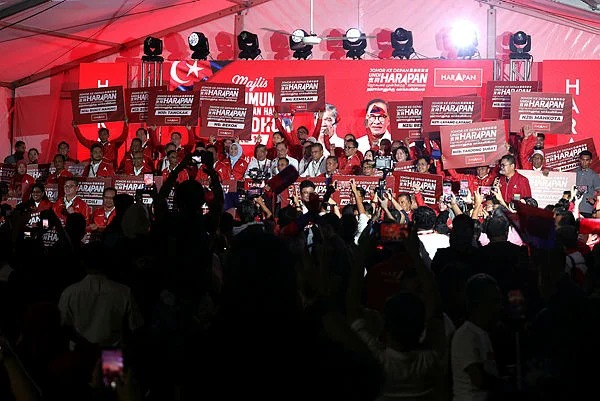
Budget 2026 Explained: What's in Malaysia's RM470 Billion 'People's Budget'
Tabled in October 2025, Budget 2026 is Malaysia's largest yet at RM470 billion. Here is a breakdown of the key measures and who benefits.
Clear, modern coverage of Malaysian news and analysis.
Tabled in October 2025, Budget 2026 is Malaysia's largest yet at RM470 billion. Here is a breakdown of the key measures and who benefits.
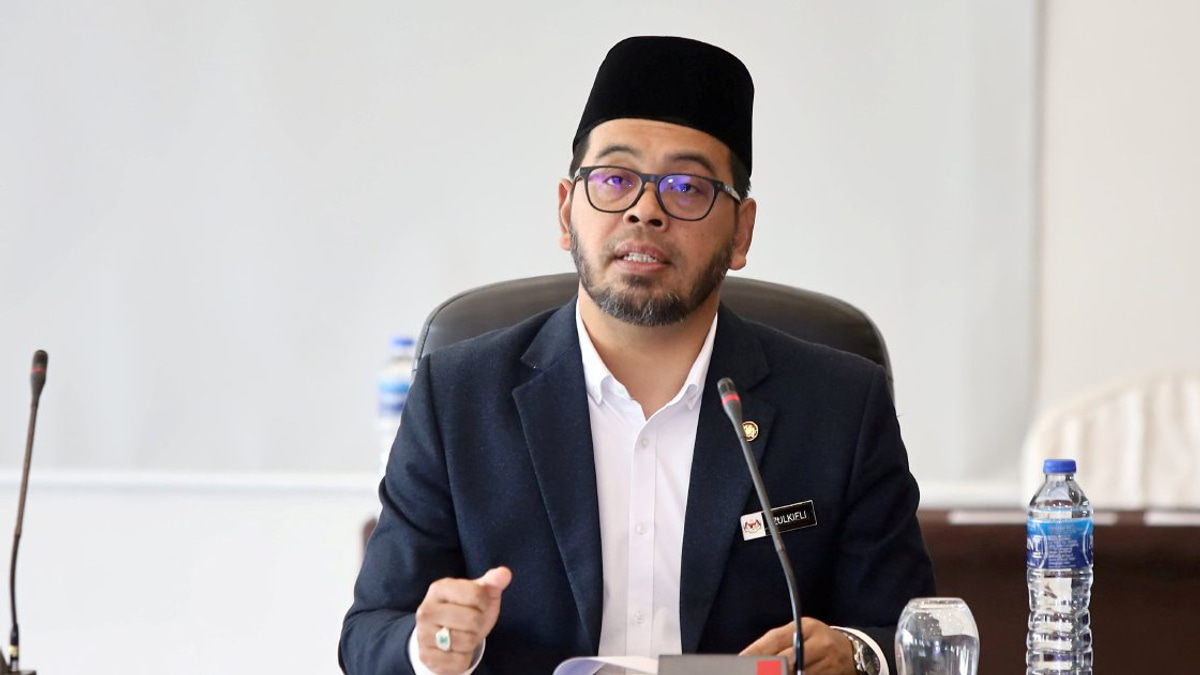
Prime Minister Anwar Ibrahim signals the government may release the RCI report on Tabung Haji's mismanagement. The inquiry examines years of financial decline affecting millions of Malaysian pilgrims and their savings.
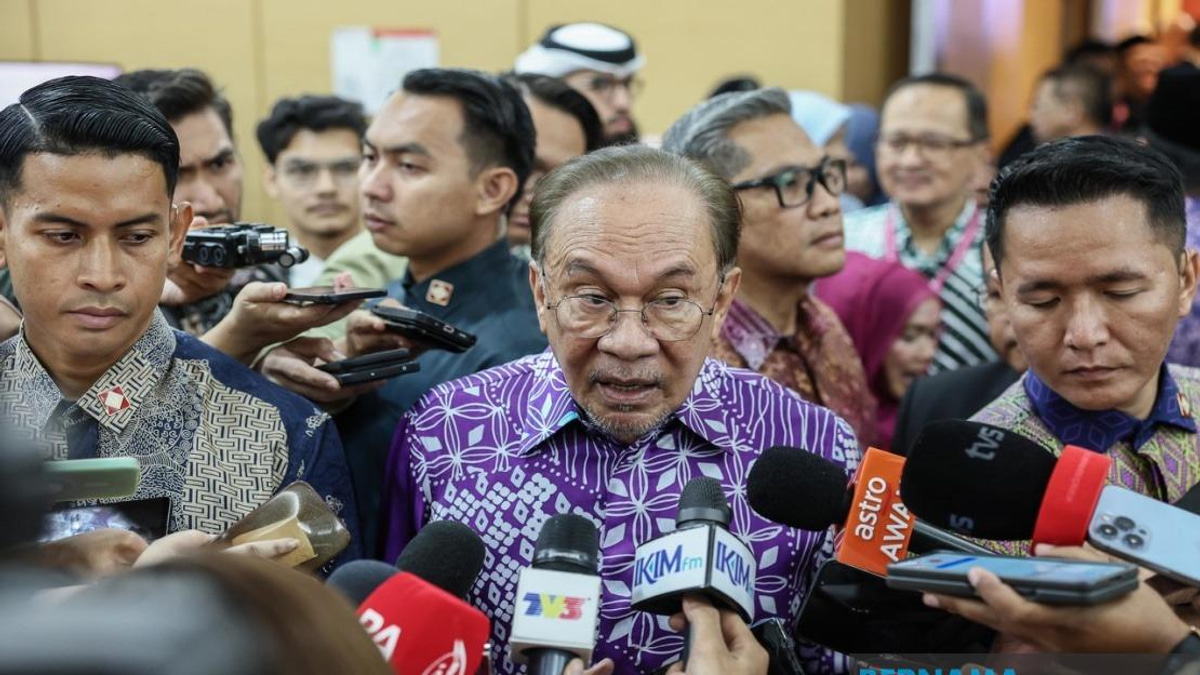
Prime Minister Anwar Ibrahim has stressed that Malaysia's economic growth, technological advancement and public policies must be anchored in humanity, with development focused on uplifting people's dignity rather than merely boosting economic indicators.

Bursa Malaysia opened weakly despite crude prices surging past $95 a barrel, with the FBM KLCI gaining just 3.01 points to 1,714.38 as investors weighed Middle East tensions against concerns over Big Tech's capital expenditure plans.
Malaysia's combined RON95 and diesel subsidies could reach RM3.5 billion monthly if crude oil holds at US$90 per barrel, though the government expects higher petroleum revenues to offset increased costs.
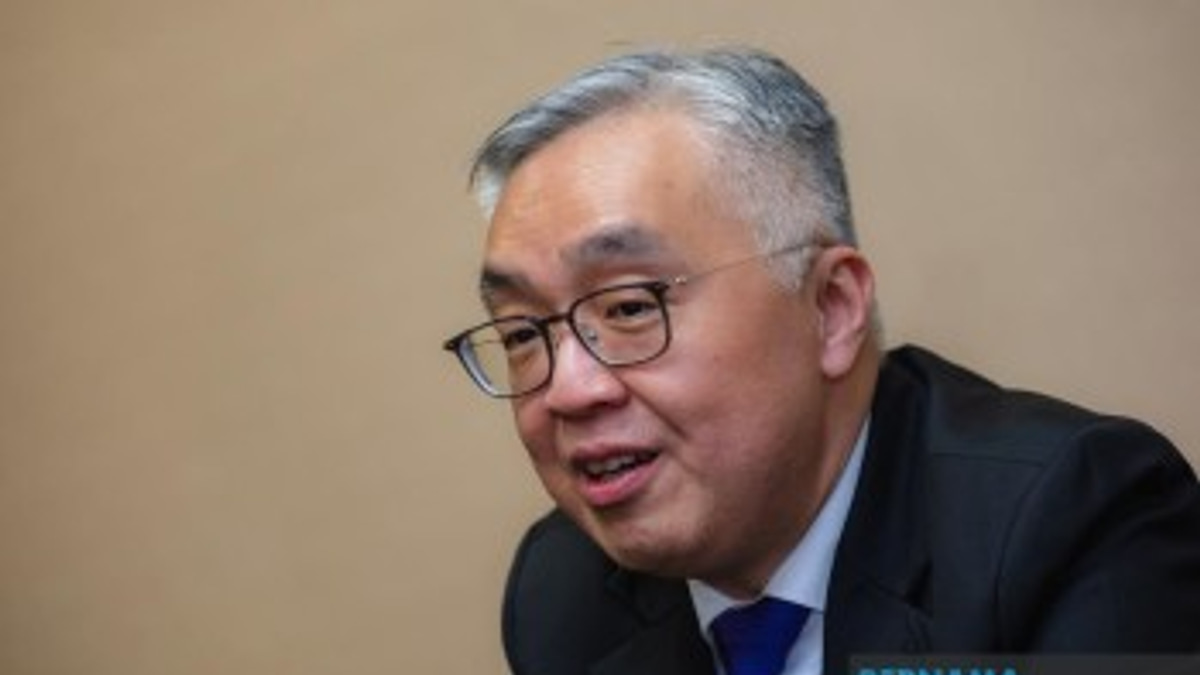
Malaysia's Food and Drinks expo is expected to exceed last year's RM1.081 billion sales target, driven by stronger international participation and growing regional demand for food innovation amid geopolitical pressures.
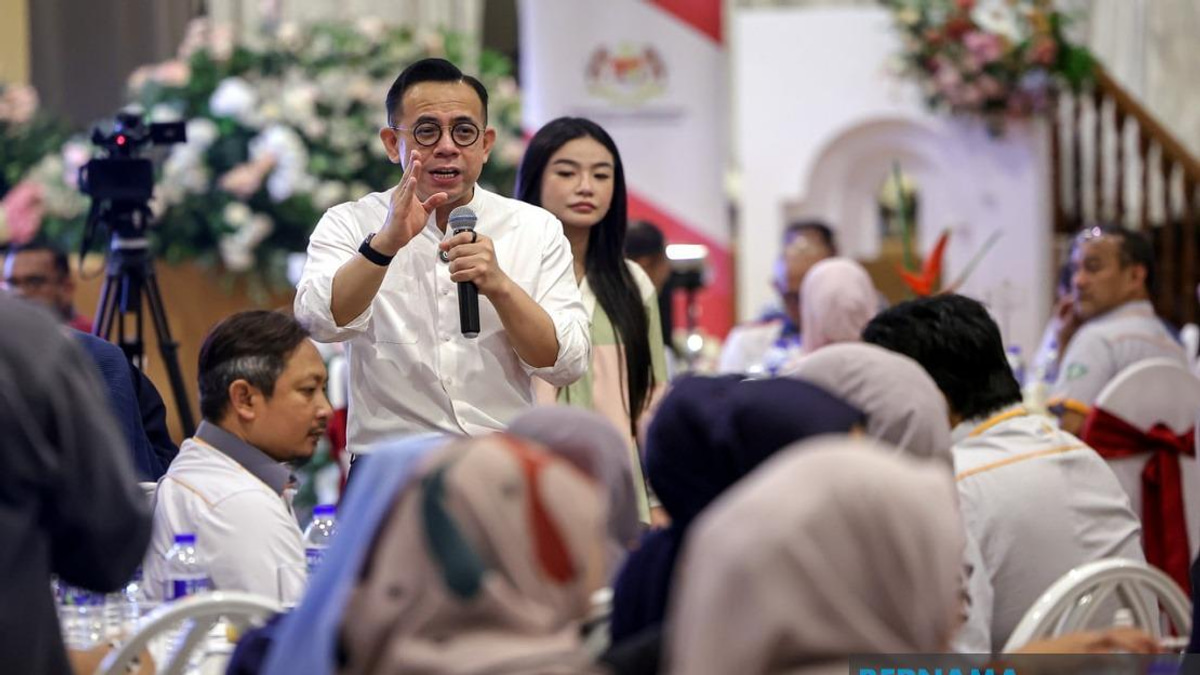
Malaysia's KUSKOP has distributed nearly RM7 billion to more than 213,000 micro and small enterprises nationwide in the first half of 2026, representing substantial progress toward its RM15 billion annual disbursement target under the Power Up 10K scheme.
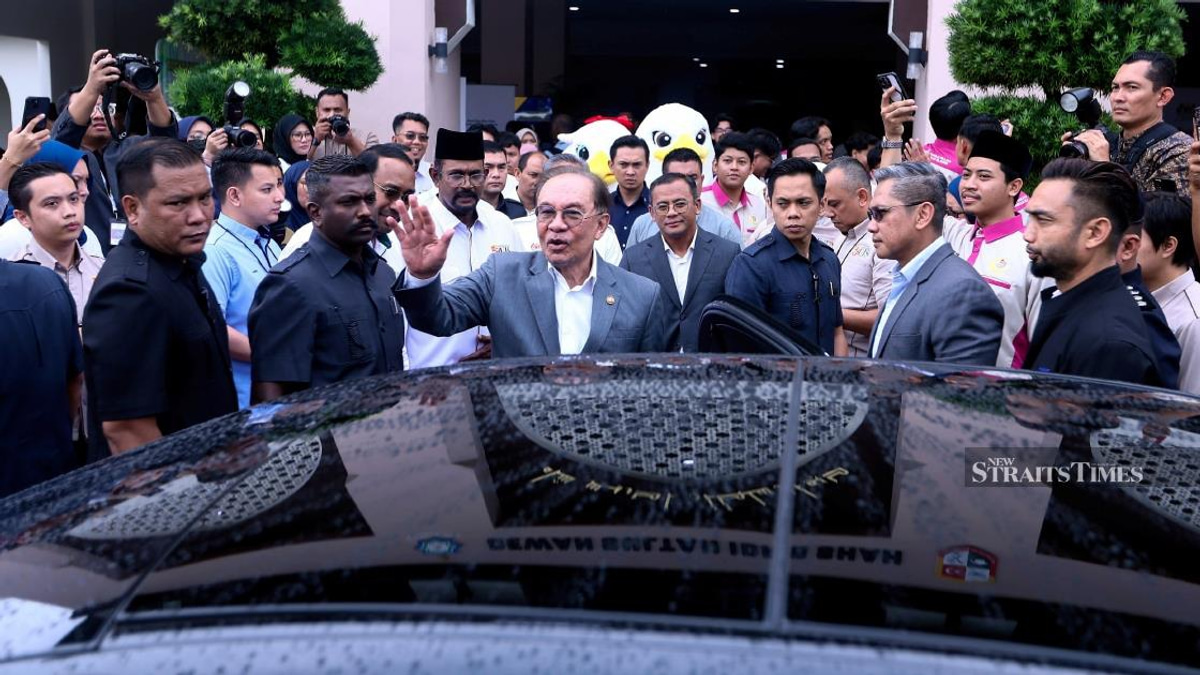
Prime Minister Anwar Ibrahim has rejected calls for further fuel price reductions, citing Malaysia's RM40 billion annual subsidy expenditure and the need to protect the nation's economic health and fiscal balance.
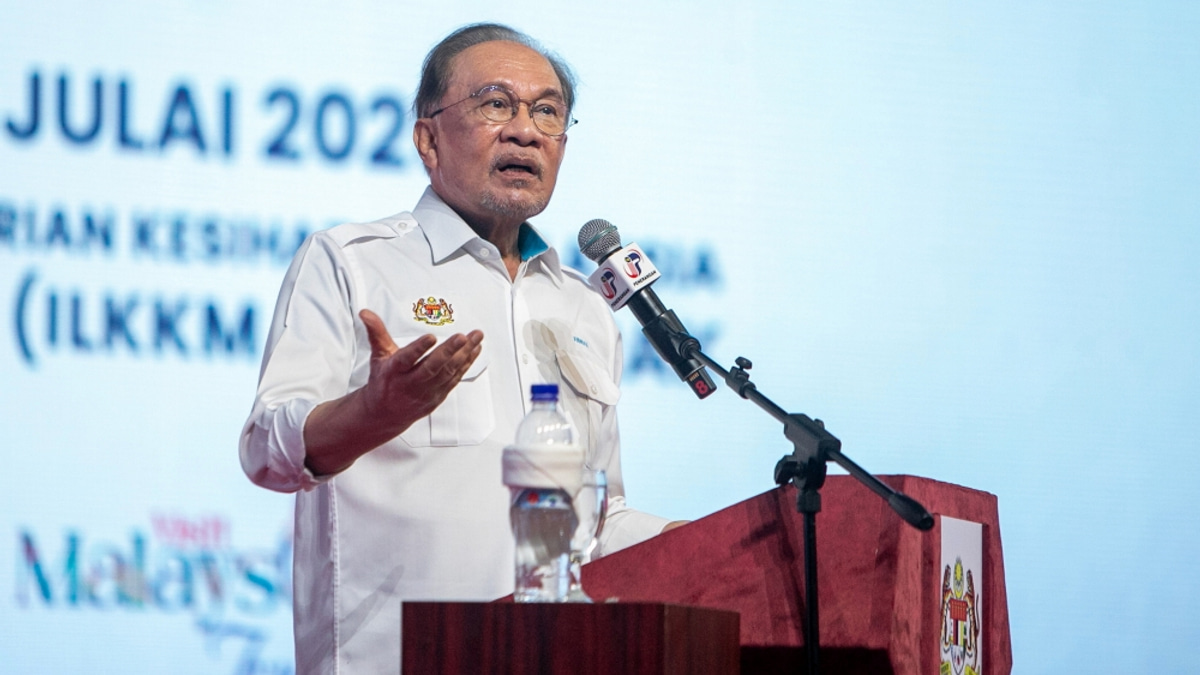
Prime Minister Anwar Ibrahim has defended the government's approach to fuel pricing, emphasizing the need for fiscal prudence and cautioning against unsustainable debt accumulation that could burden future generations.
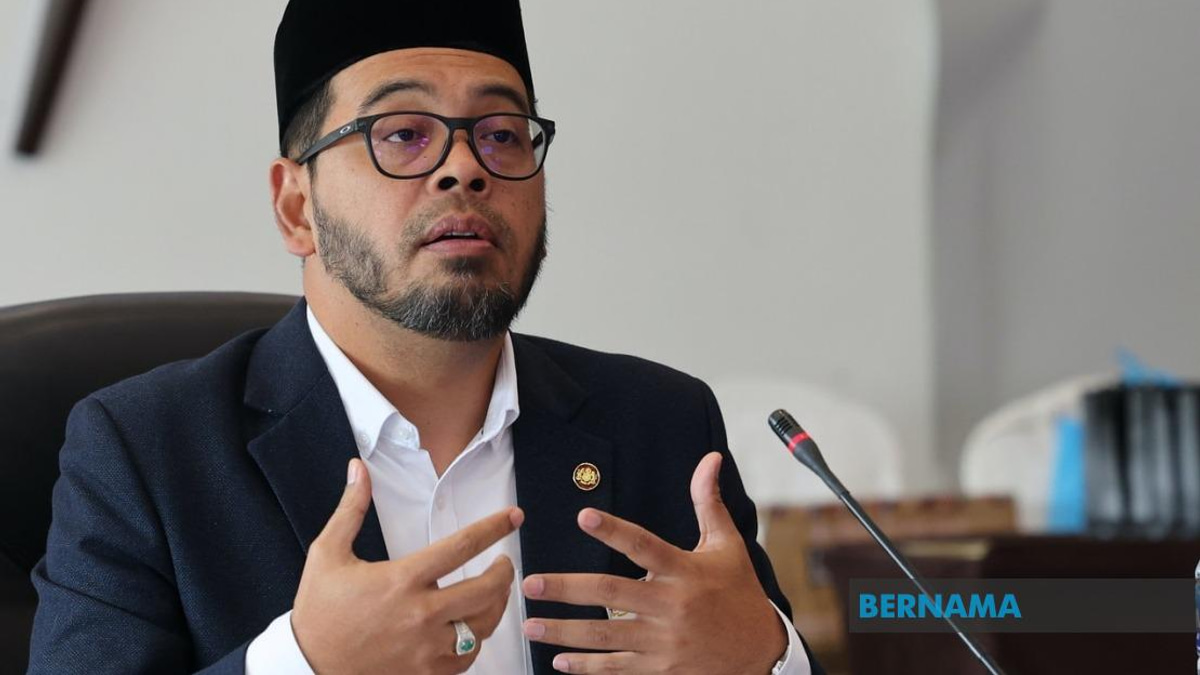
Permodalan Nasional Bhd has unveiled its Maqasid al-Syariah in Responsible Investment model, combining Islamic financing principles with environmental and social governance standards to deepen syariah compliance across Malaysian investments.
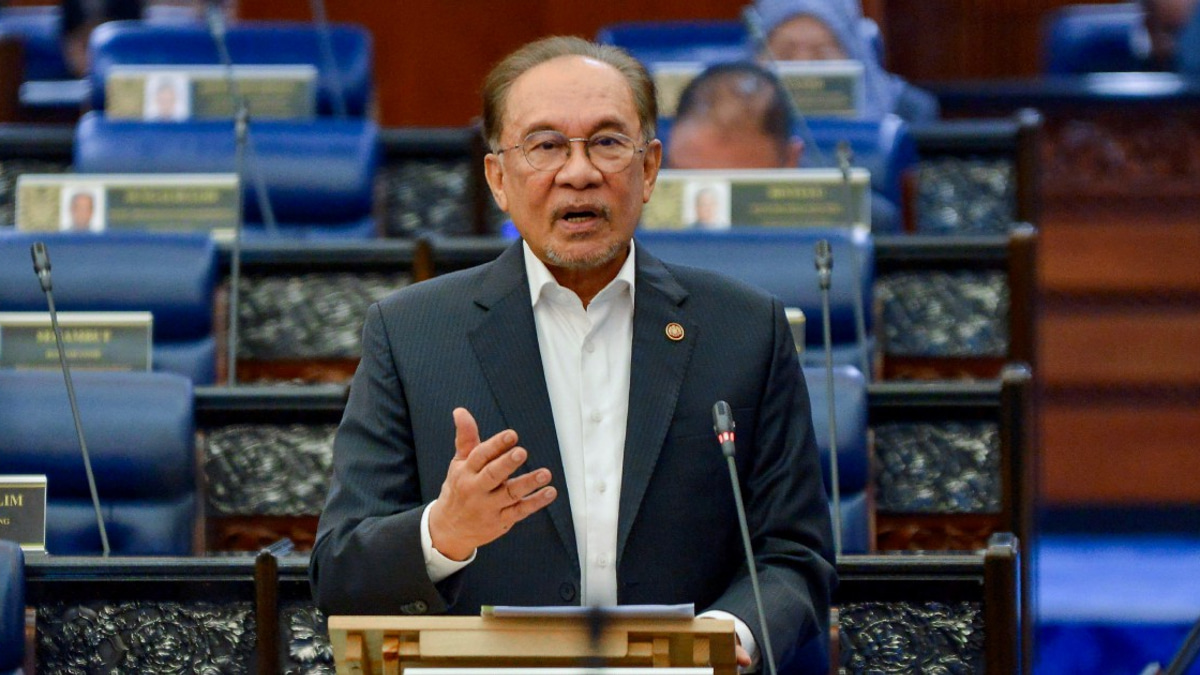
The Retirement Fund Incorporated earned RM12.9 billion last year, but Prime Minister Anwar Ibrahim says this remains inadequate to meet the government's RM45 billion annual pension bill, signalling mounting fiscal pressures.
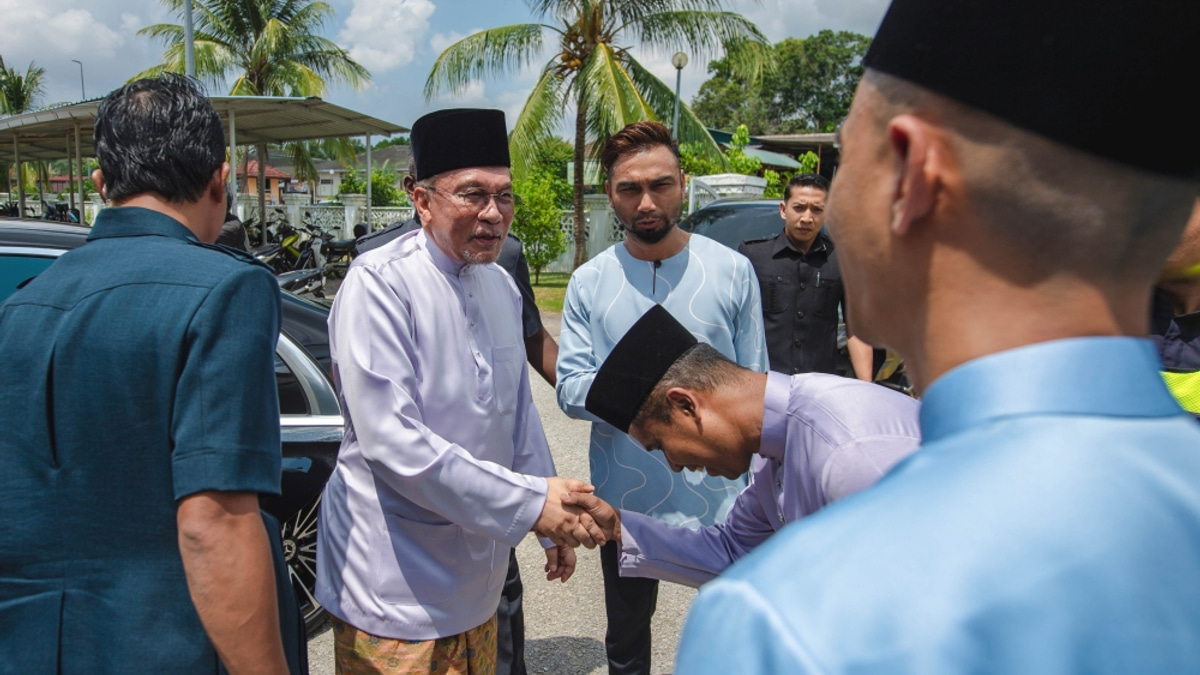
Prime Minister Anwar Ibrahim has cautioned that Malaysia's better-than-expected second quarter GDP growth masks persistent economic difficulties faced by ordinary Malaysians and micro, small and medium enterprises.
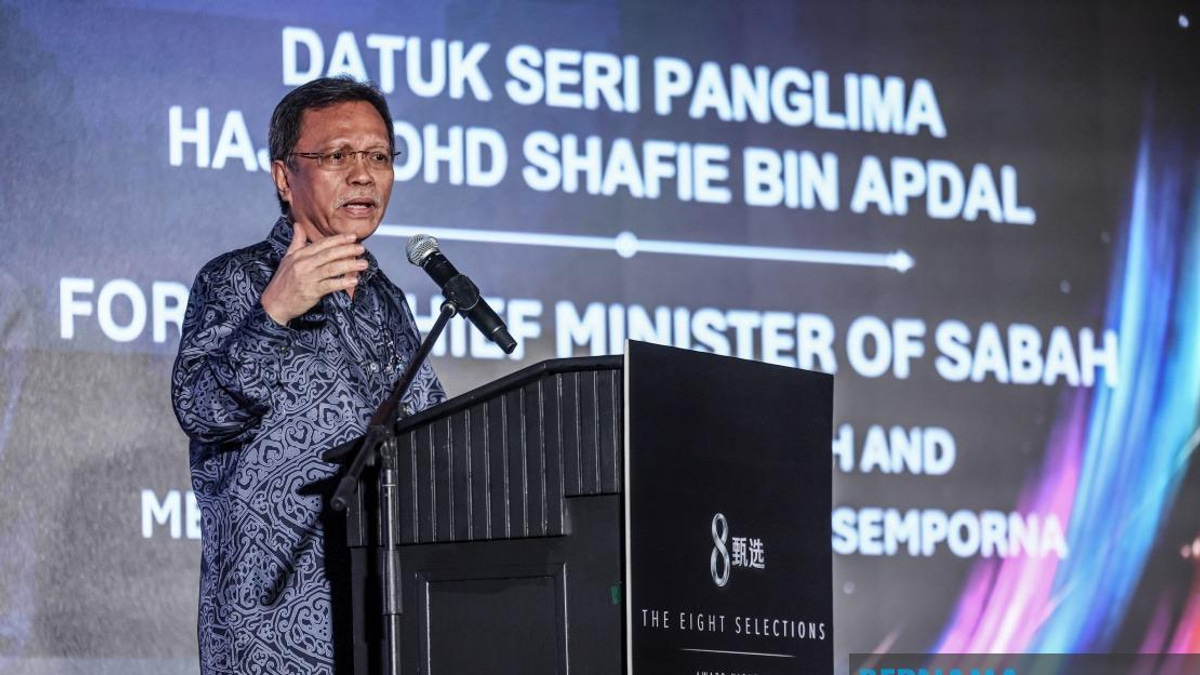
Twenty-eight entrepreneurs, brand founders and business leaders received recognition at the G Forty Top 40 The Eight Selections Award 2026 ceremony in Kuala Lumpur, organised by G Media Asia with support from Media Prima OMNiA.
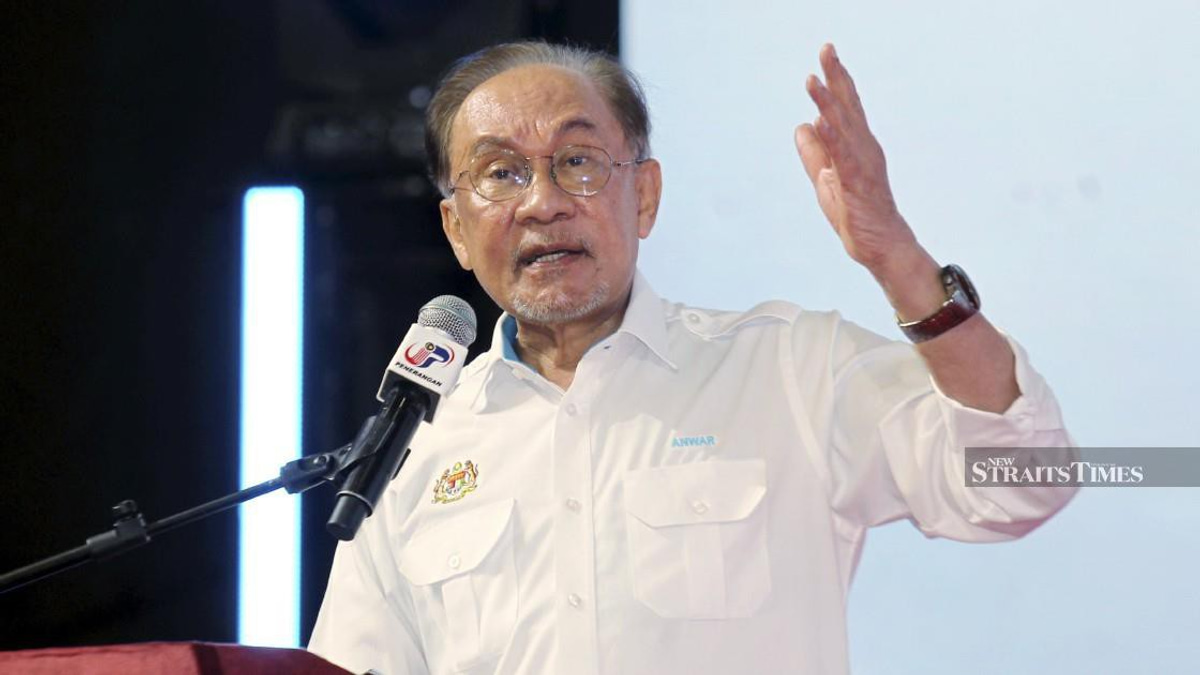
Prime Minister Anwar Ibrahim has signalled that the government is exploring ways to increase allocations for the Sumbangan Asas Rahmah (Sara) welfare scheme in the 2027 Budget, with final decisions dependent on Malaysia's economic trajectory.
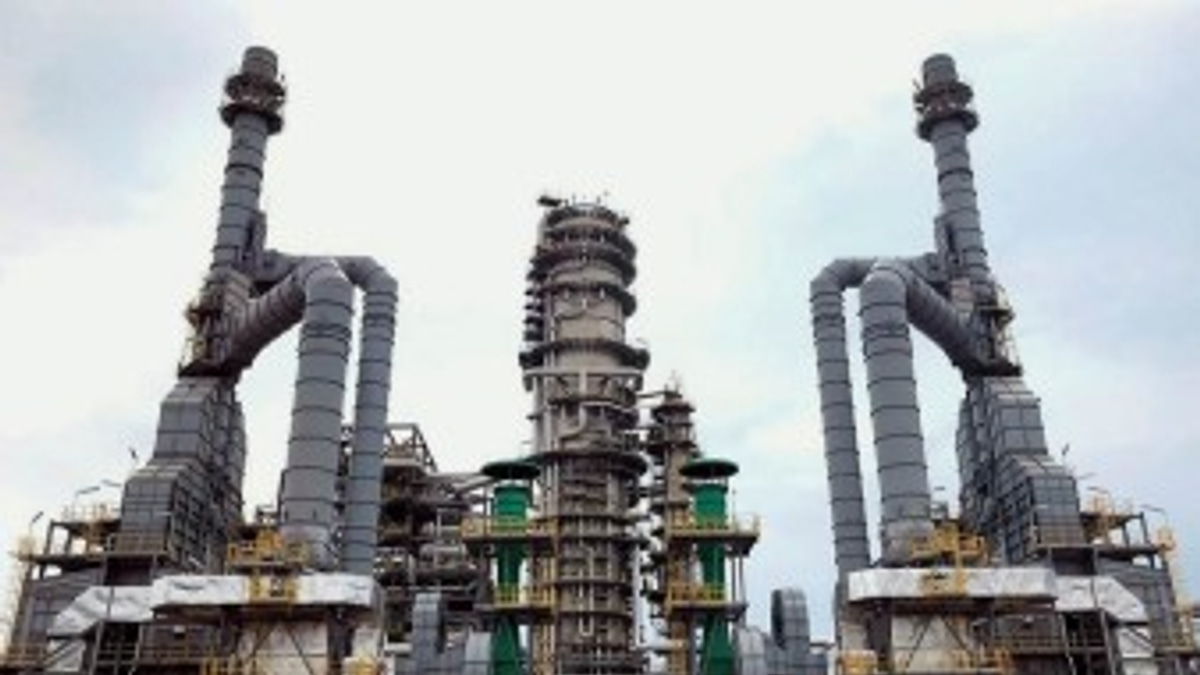
A leading economist has cautioned that Malaysia's proposed petroleum reserve should form part of a comprehensive economic security strategy encompassing food, critical minerals, semiconductors and digital infrastructure rather than functioning as an isolated energy initiative.
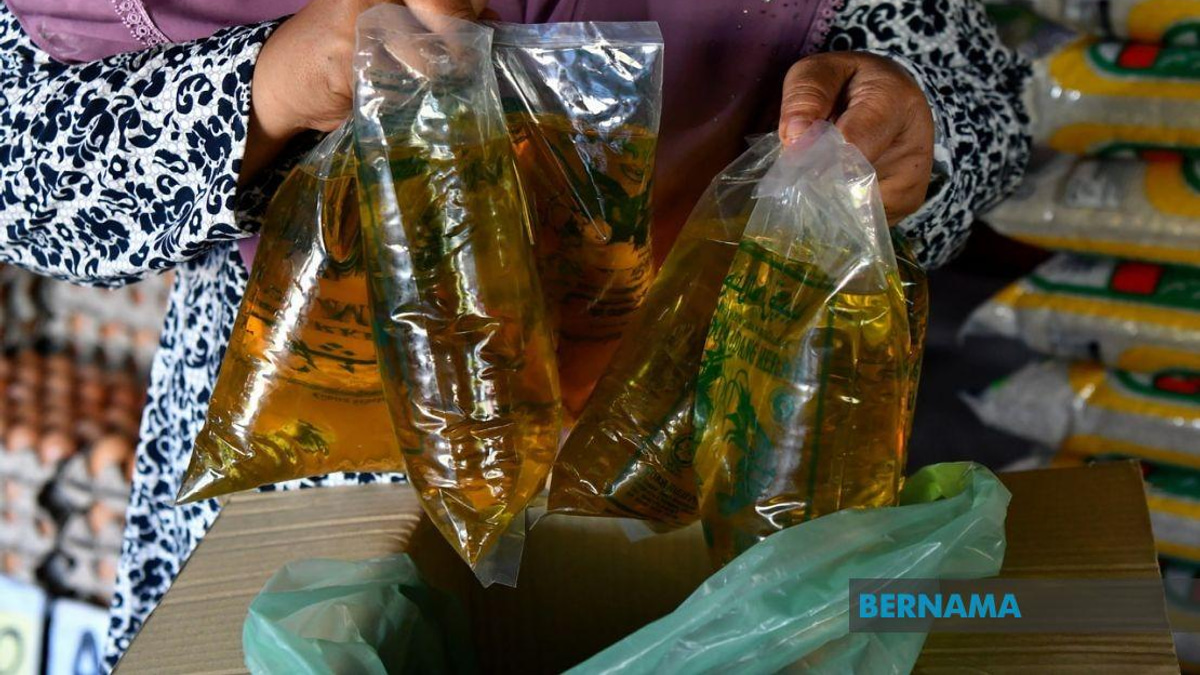
Malaysia's Domestic Trade and Cost of Living Ministry will examine parliamentary committee recommendations on cooking oil subsidies and price controls, expediting rollout of a digital stabilisation system to curb leakages and ensure targeted assistance.
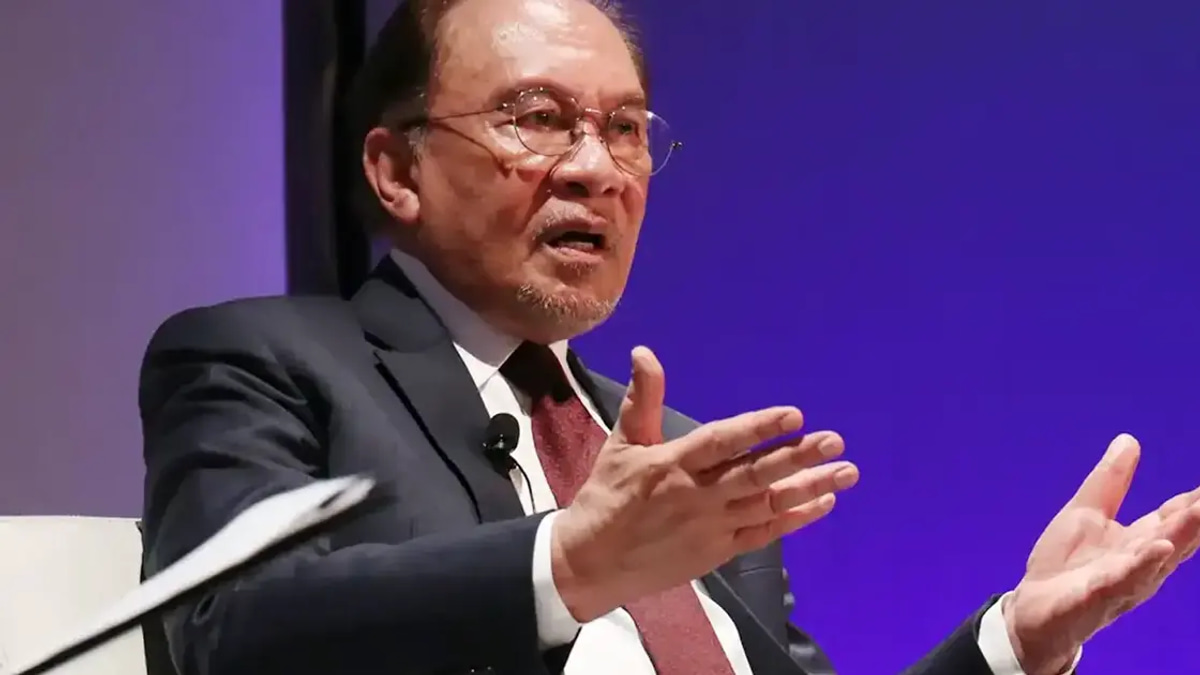
Prime Minister Anwar Ibrahim has pointed to Malaysia's second-quarter GDP performance as evidence of the country's economic durability, attributing gains to his administration's three-year reform agenda and structural improvements.

Malaysia's second-quarter GDP expanded at 5.8%, prompting Prime Minister Anwar Ibrahim to express gratitude for the country's sustained economic growth during Friday prayers in Nilai.
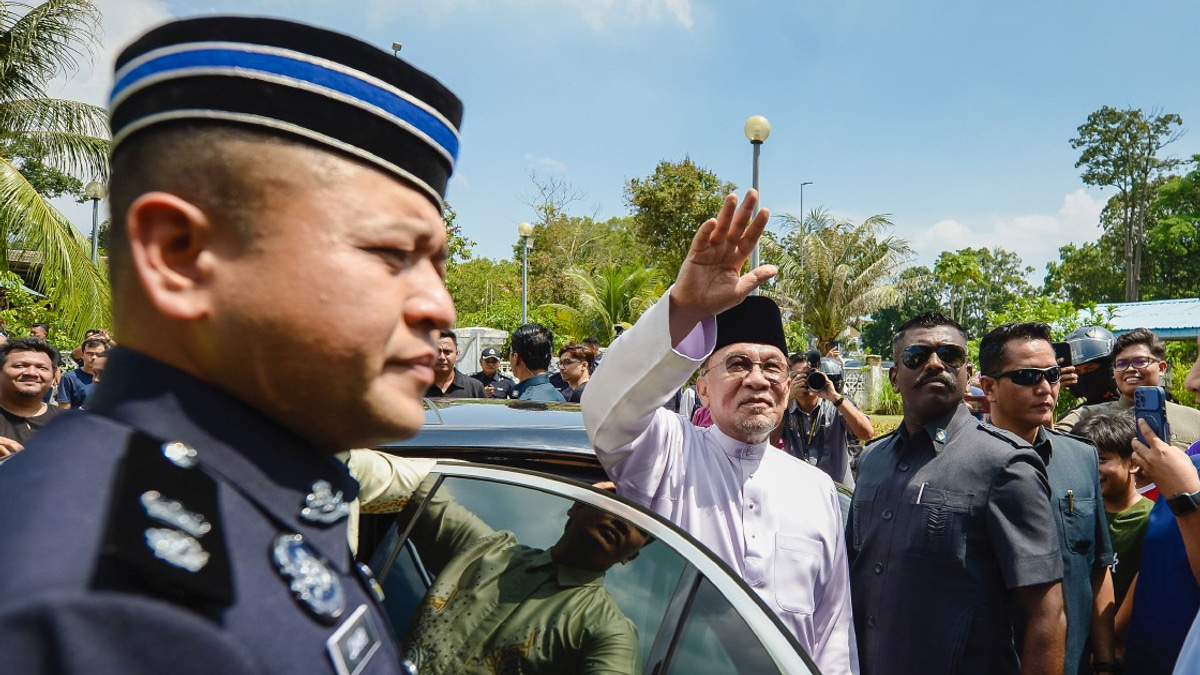
Prime Minister Datuk Seri Anwar Ibrahim welcomed Malaysia's accelerating economic growth, which reached 5.8 per cent in the second quarter of 2026, outpacing the 5.4 per cent recorded in the opening quarter of the year.
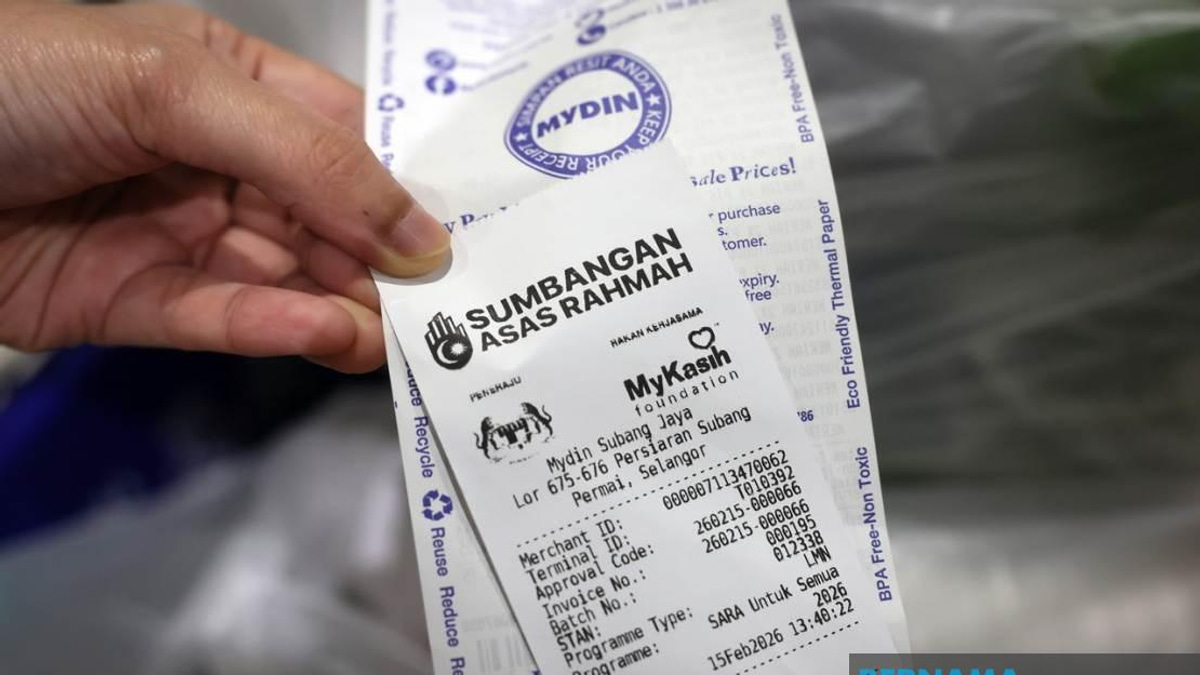
The government's SARA cashless assistance programme has achieved exceptional uptake among nearly nine million monthly beneficiaries, with spending reaching RM3.45 billion this year. The scheme targets essential goods through registered outlets.
An investment strategist has advised Malaysia to pursue a measured, cost-effective approach to building petroleum reserves, emphasising rigorous economic analysis over mimicking large-scale models adopted by wealthier nations.
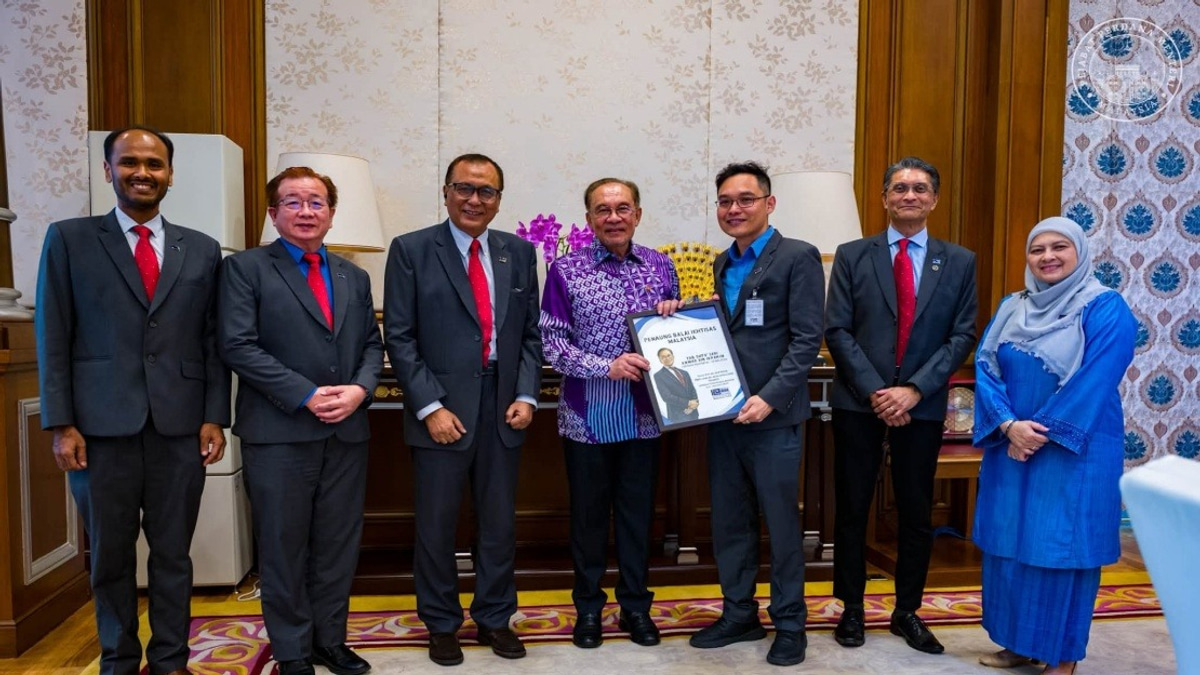
Prime Minister Anwar Ibrahim has underscored the importance of artificial intelligence readiness and professional talent development during discussions with Balai Ikhtisas Malaysia, positioning these initiatives as vital to Malaysia's ambitions as a regional hub.
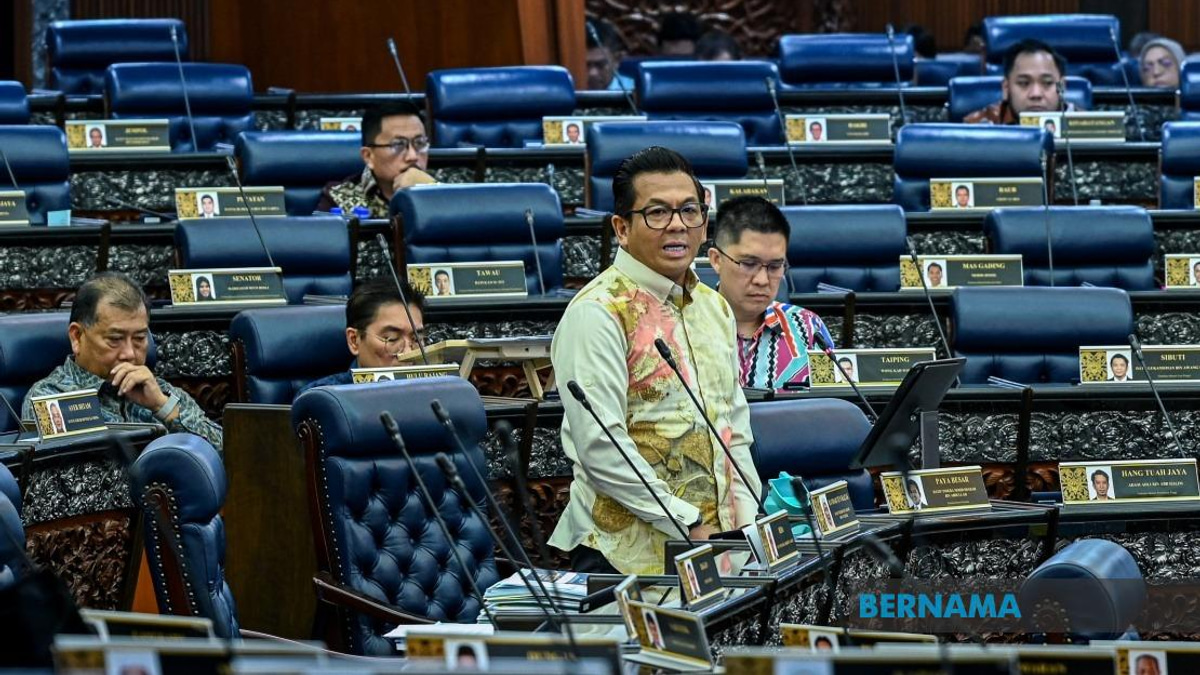
Malaysia's government is leveraging the PAKW basic living expenditure framework to design targeted interventions addressing the significant cost-of-living gap between urban and rural areas, with a public calculator enabling residents to track spending patterns.
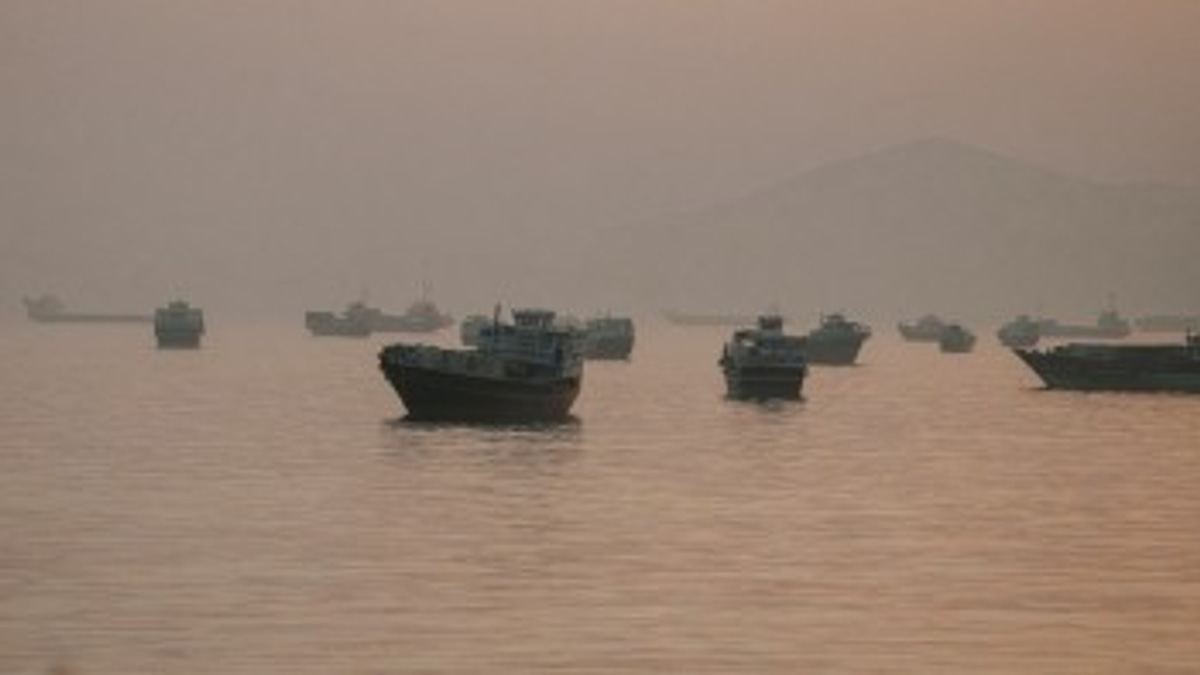
Malaysia's Economy Minister Akmal Nasrullah Mohd Nasir has warned the public and businesses to prepare for significant economic consequences stemming from Iran's renewed closure of the Strait of Hormuz, cautioning against complacency despite limited vessel transits.
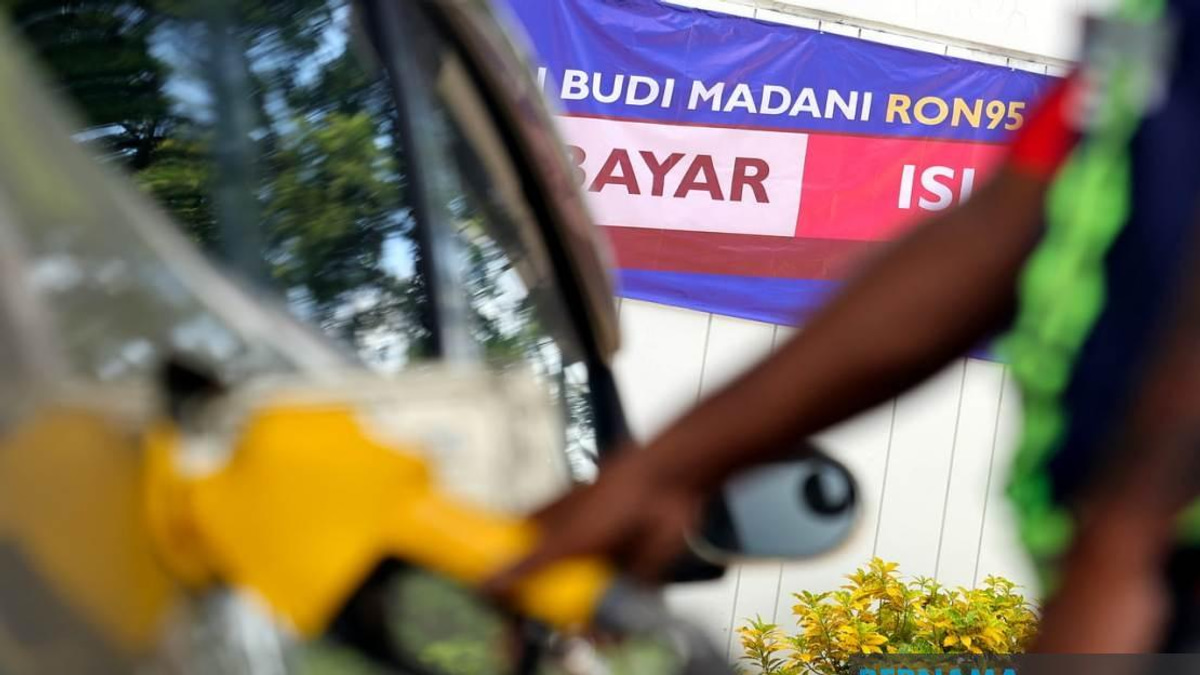
Malaysia will maintain all existing assistance programmes including cash transfers, despite projecting nearly RM40 billion in petroleum subsidies this year due to Middle East instability, Deputy Finance Minister Liew Chin Tong confirmed.
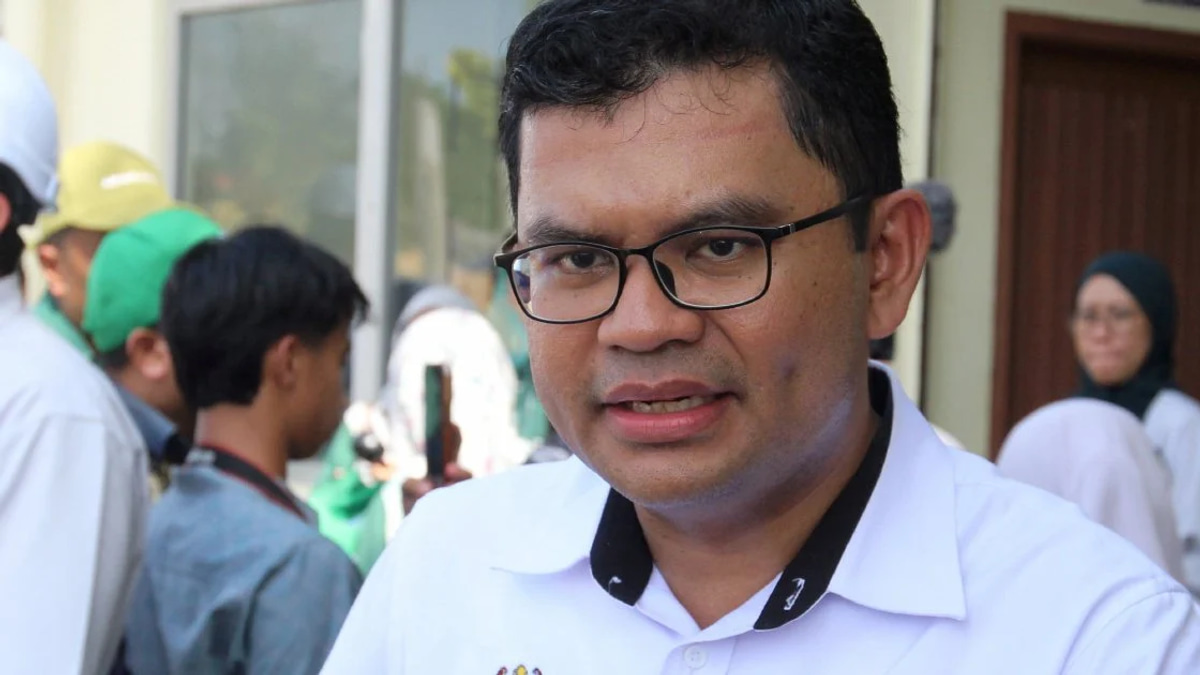
Malaysia's government has tasked two ministries to evaluate proposals from the plastics industry, which faces mounting pressures from ongoing global supply chain disruptions affecting production and operations.
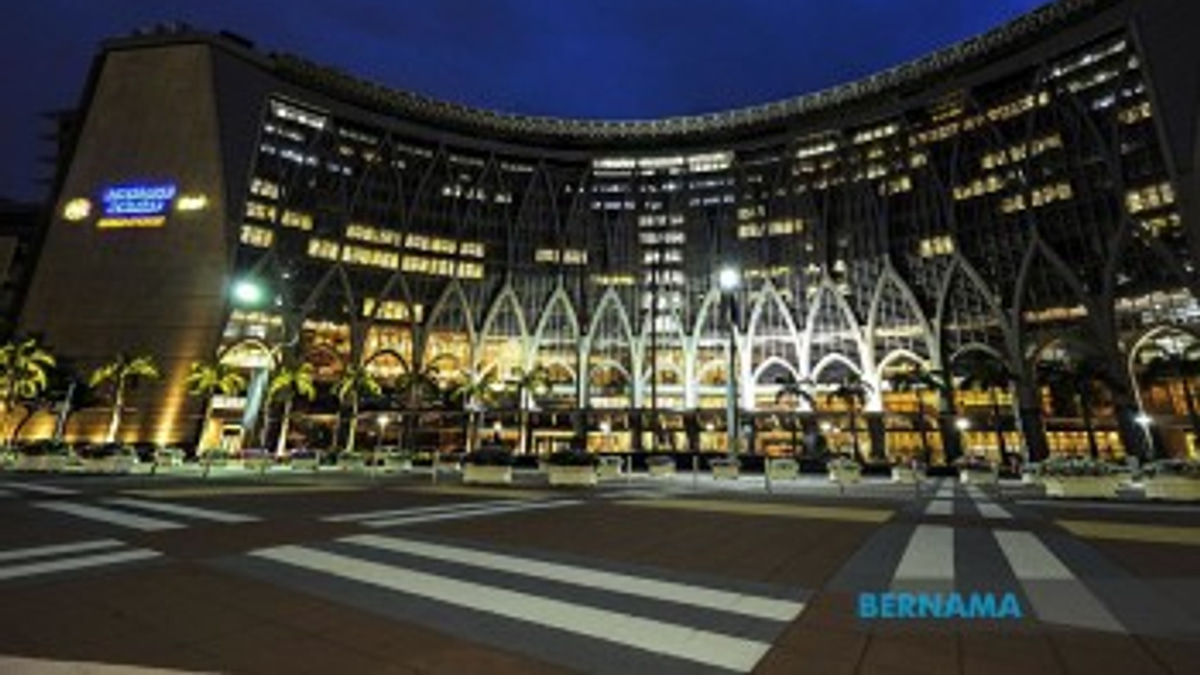
Malaysia's Finance Ministry has assured Parliament that federal government debt will remain below the 65% GDP statutory ceiling through 2026, even as authorities monitor Middle Eastern tensions and implement spending controls.
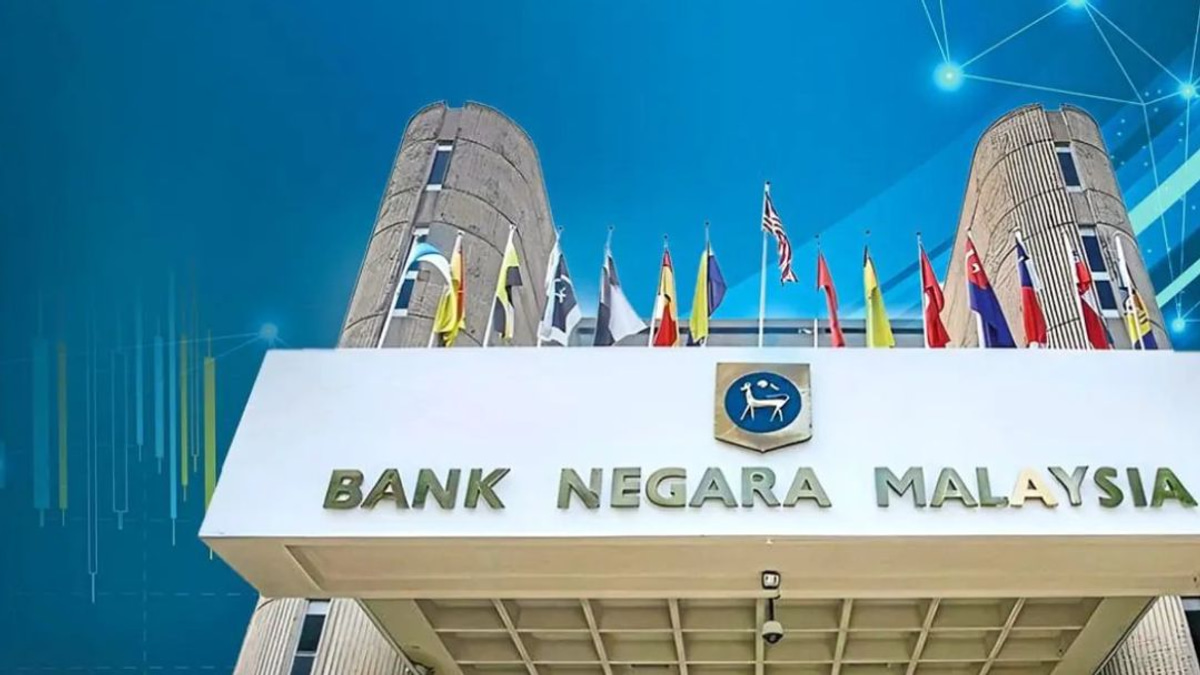
Research analysts expect Bank Negara Malaysia to keep its overnight policy rate at 2.75 per cent through end-2026, supported by firmer growth prospects and controlled inflation as exports and domestic demand remain resilient.

The Malaysian Anti-Corruption Commission has frozen RM3.4 million held in company accounts while investigating allegations that falsified paperwork was used to fraudulently obtain approximately RM20 million in development financing.
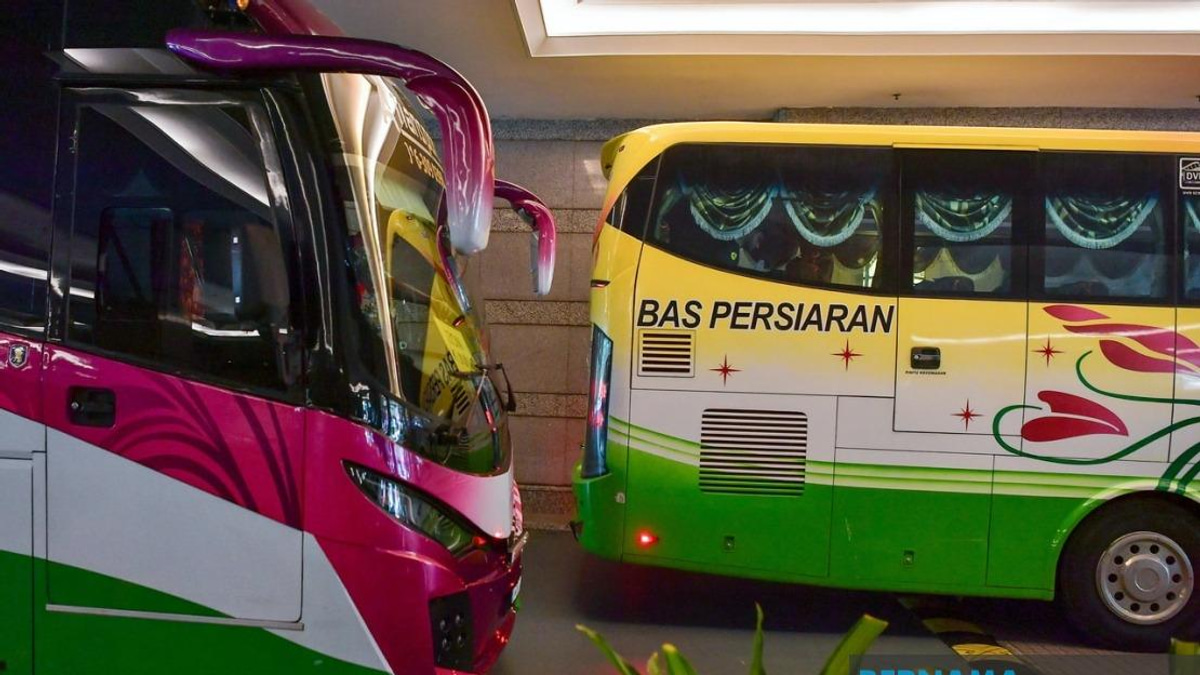
Malaysia's tourism association is pressing the government to reverse its decision to exclude licensed tourism transport operators from the diesel subsidy programme, arguing the move ignores the sector's role in domestic travel.
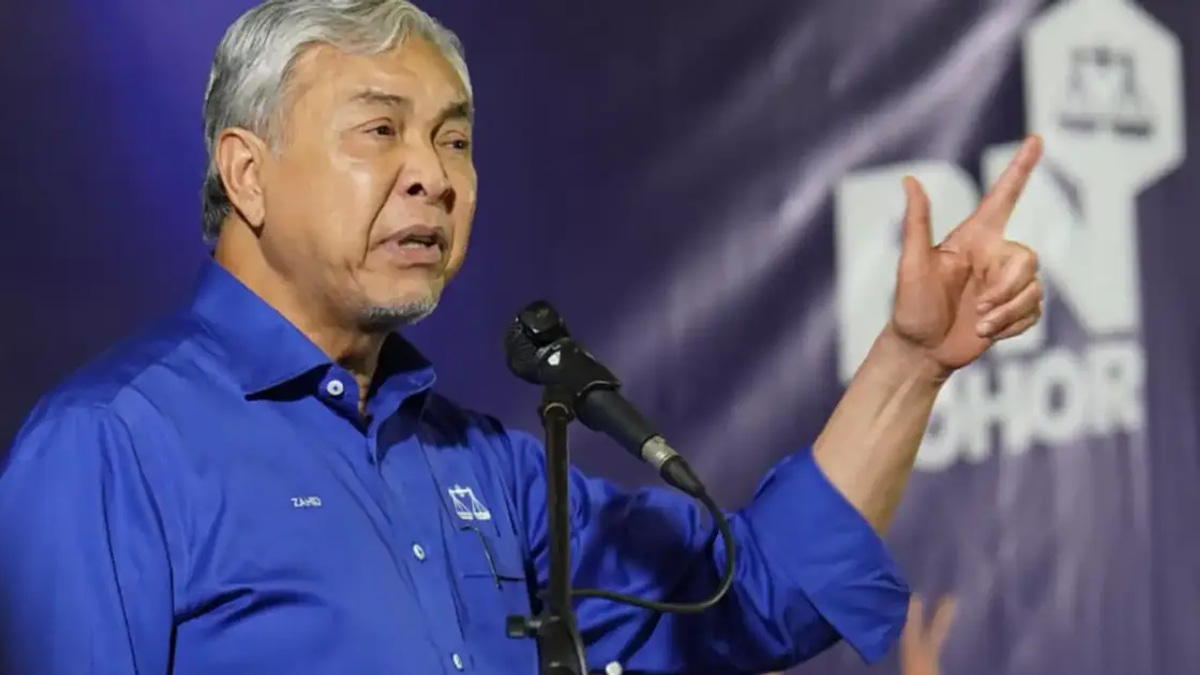
Malaysia's government will review e-invoicing requirements and mandatory 2% EPF contributions for foreign workers, following Barisan Nasional proposals aimed at supporting struggling businesses facing compliance costs.
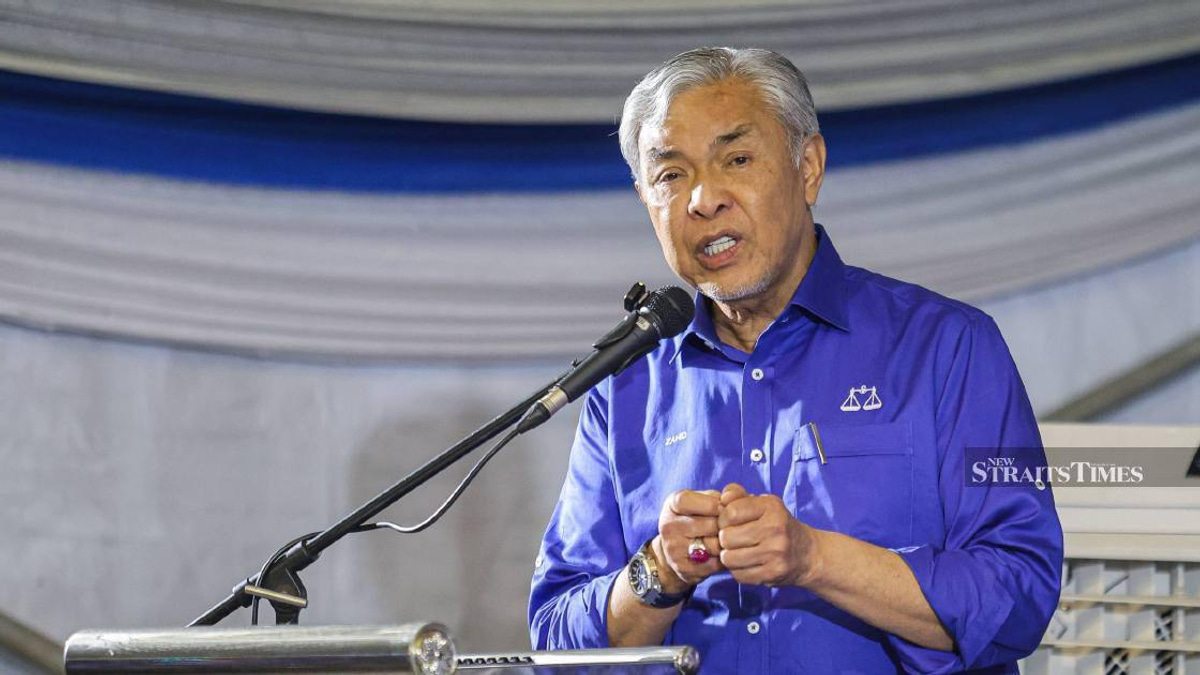
Malaysia's cabinet has agreed to conduct a comprehensive review of the e-Invoice system implementation, Deputy Prime Minister Ahmad Zahid Hamidi announced, signalling potential adjustments to the digital tax reporting framework.
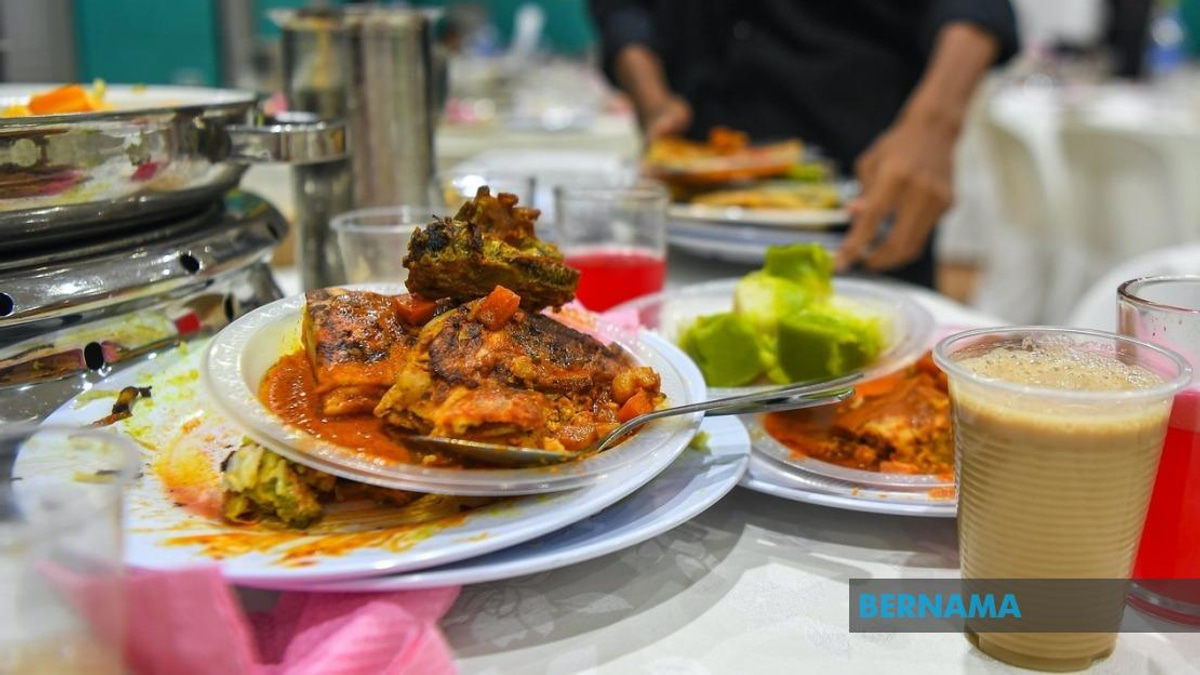
Malaysia's growing household food waste problem is deeply connected to rising income levels and shifting lifestyles, according to outgoing Chief Statistician Datuk Seri Dr Mohd Uzir Mahidin, with urban areas and wealthier states showing significantly higher wastage rates.
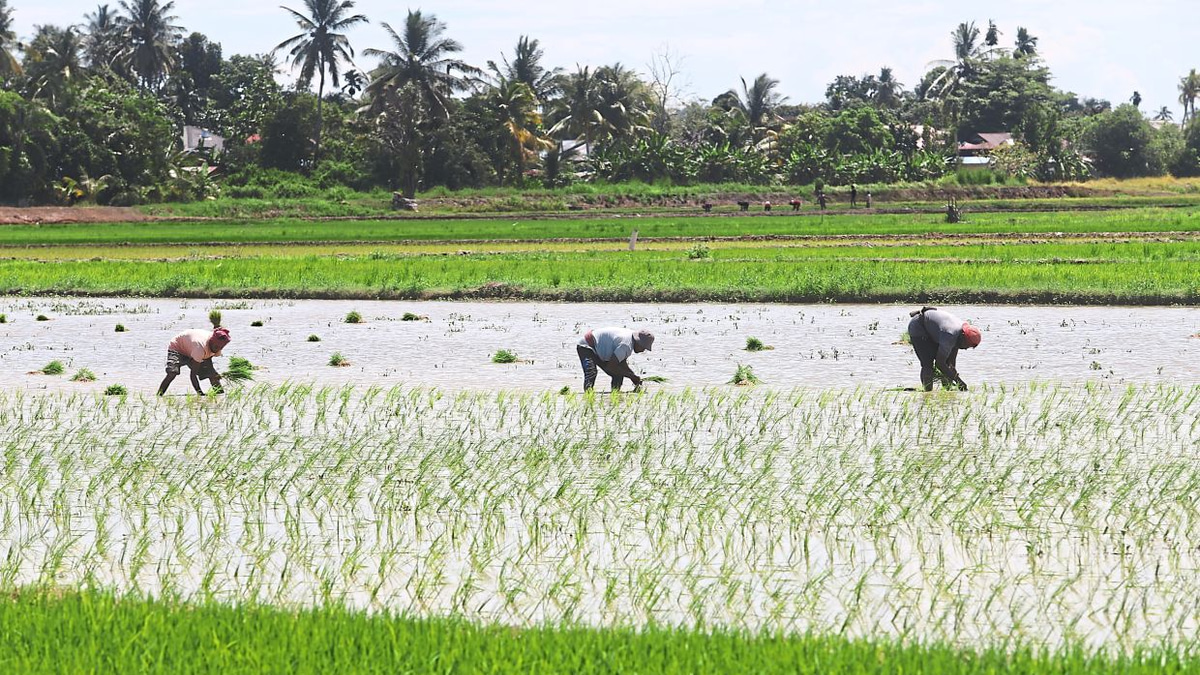
Malaysia has maintained stable food prices despite Middle East shipping disruptions through targeted agricultural subsidies and government stockpiling. Experts say sustainable stability requires boosting domestic productivity and reducing import dependence.
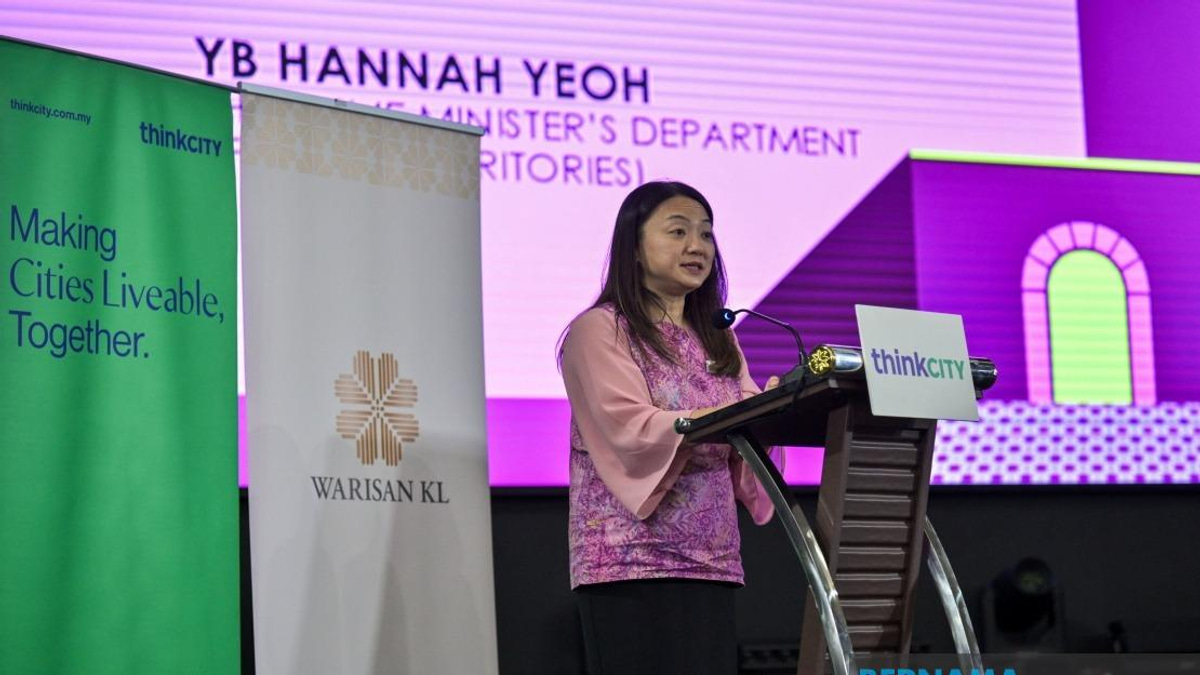
The federal government has unveiled a RM1 million grants initiative to breathe new life into downtown Kuala Lumpur, supporting heritage conservation and urban regeneration through awards of RM30,000 to RM100,000 per project.
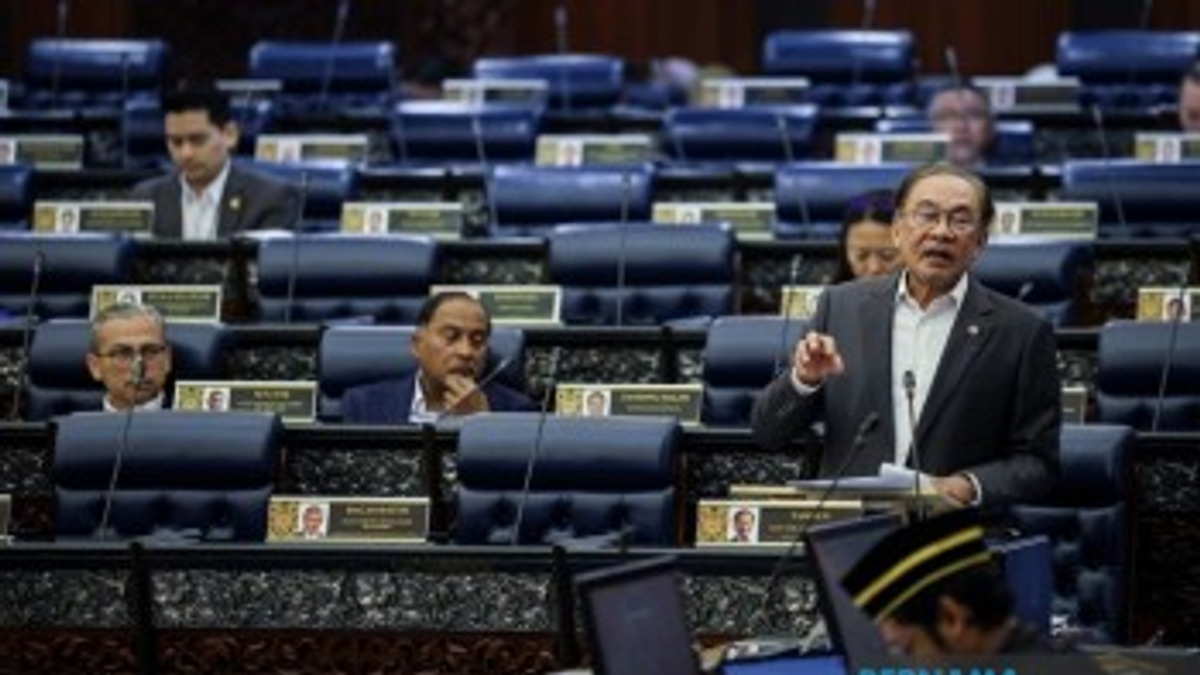
Prime Minister Anwar Ibrahim unveiled a voluntary e-invoice declaration programme running until December 2027, waiving penalties for corrections made by small businesses and offering accelerated tax incentives to ease compliance costs.
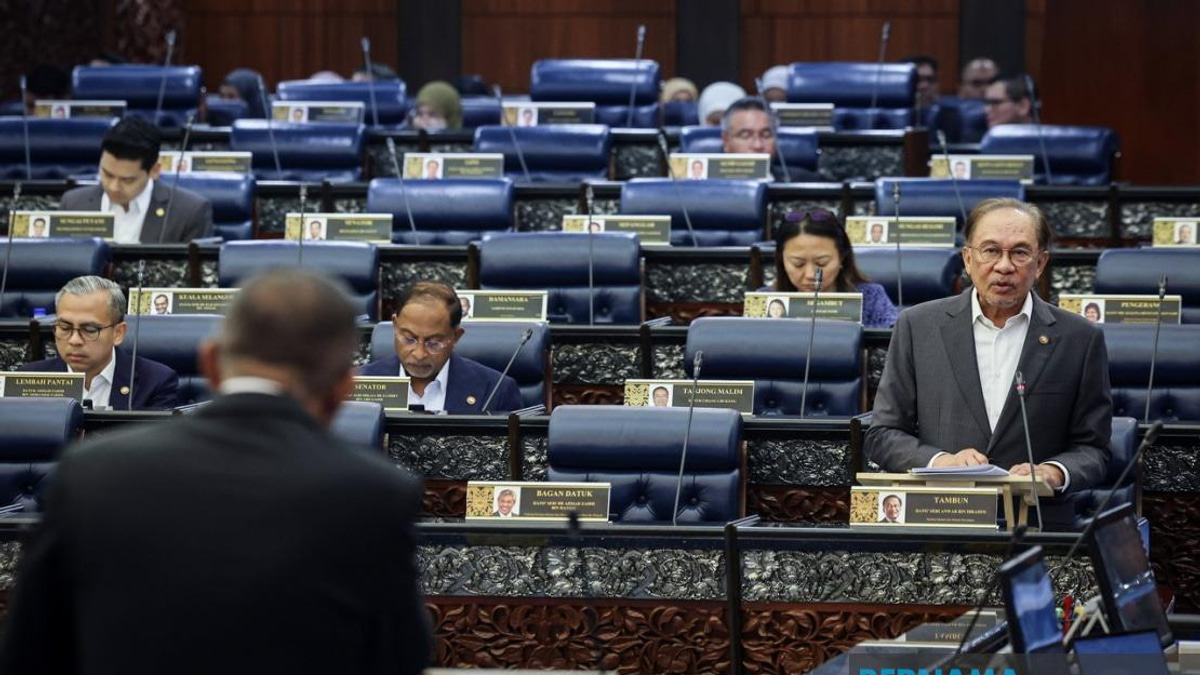
Prime Minister Anwar Ibrahim announced that the Business Financing Guarantee Corporation approved RM4.9 billion in financing for over 6,000 MSMEs during the first half of 2026, reinforcing the government's commitment to supporting small business growth.
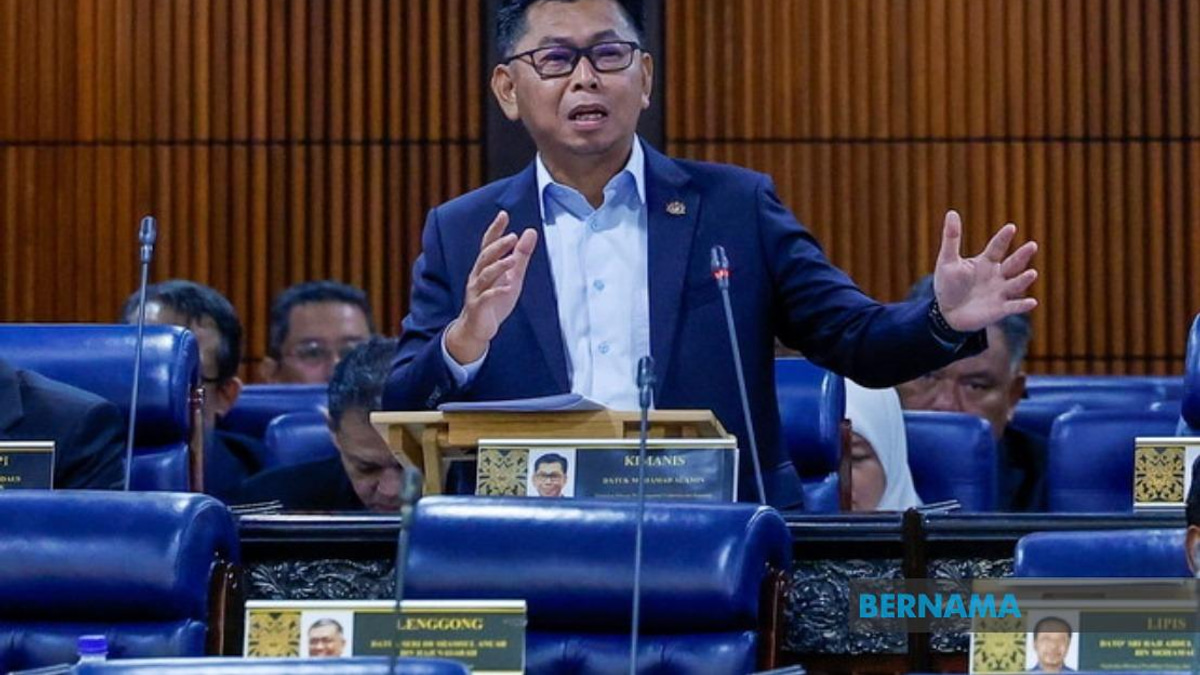
Malaysia's Ministry of Entrepreneur Development and Cooperatives has disbursed RM25.27 billion to nearly 850,000 entrepreneurs and cooperatives since 2024, strengthening working capital and business expansion across the nation.
CIMB Treasury expects Bank Negara Malaysia to keep the overnight policy rate unchanged at 2.75% this Thursday, citing reduced inflation risks from declining global oil prices and Malaysia's BUDI Diesel programme implementation.
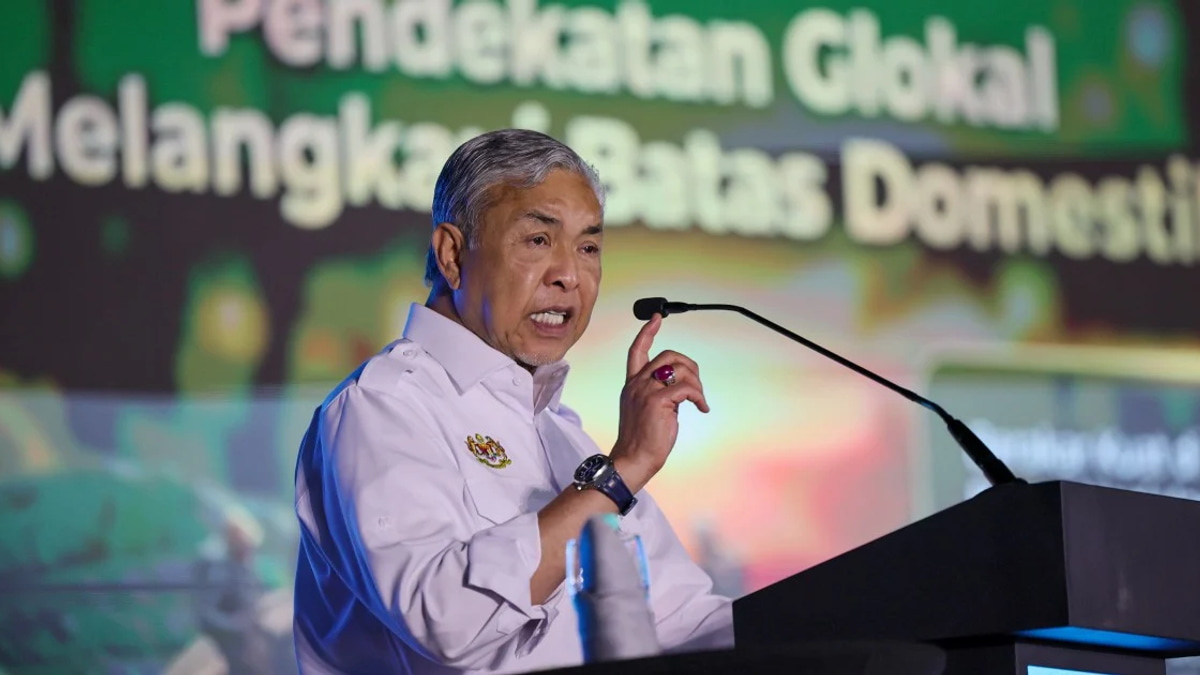
Deputy Prime Minister Ahmad Zahid Hamidi has stressed that Malaysia's rural development strategy must evolve to match global economic priorities, positioning the National Rural Economic Agenda as a framework for sustainable progress.
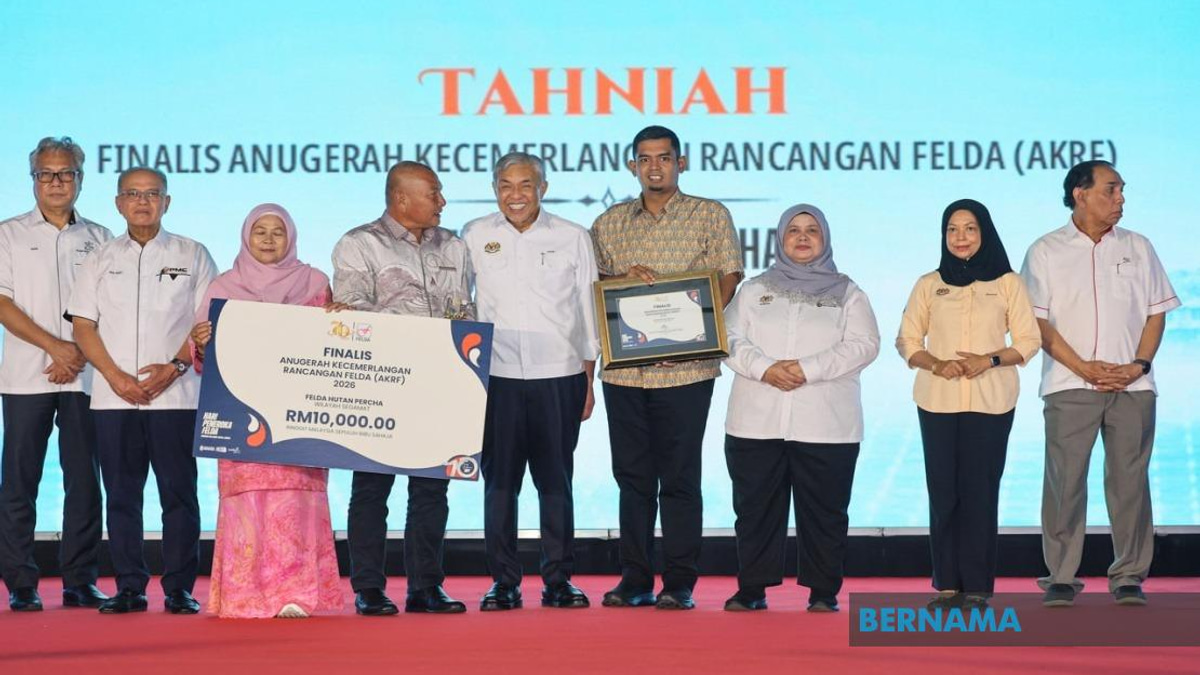
Deputy Prime Minister Ahmad Zahid has urged Malaysian rural entrepreneurs to look beyond domestic markets and tap into ASEAN and global opportunities, particularly the halal economy, as the country marks World Rural Development Day 2026.
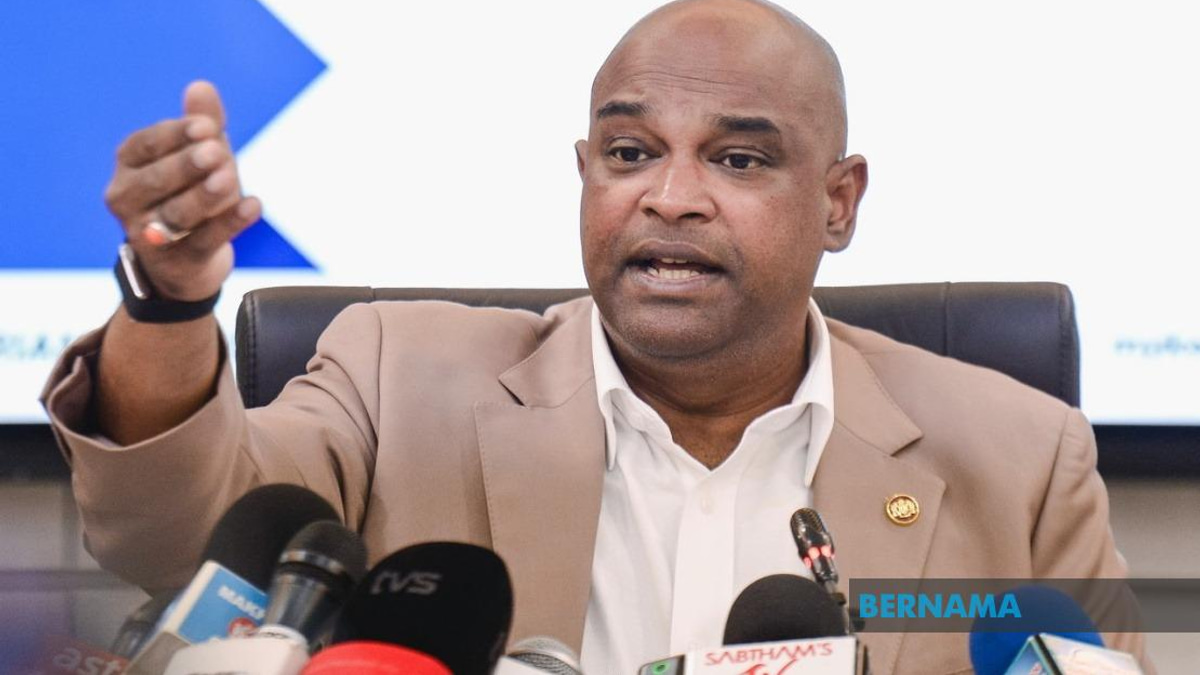
Malaysia's Human Resources Ministry has transitioned all foreign worker quota applications to a centralised digital module, replacing ad-hoc case-by-case approvals with a standardised, transparent system designed to protect workers and prevent abuse.
Prime Minister Anwar Ibrahim has raised alarm over foreigners conducting illegal businesses using tourist visas, threatening local enterprises. The Home Ministry and MITI pledge enforcement, but questions remain about political will.
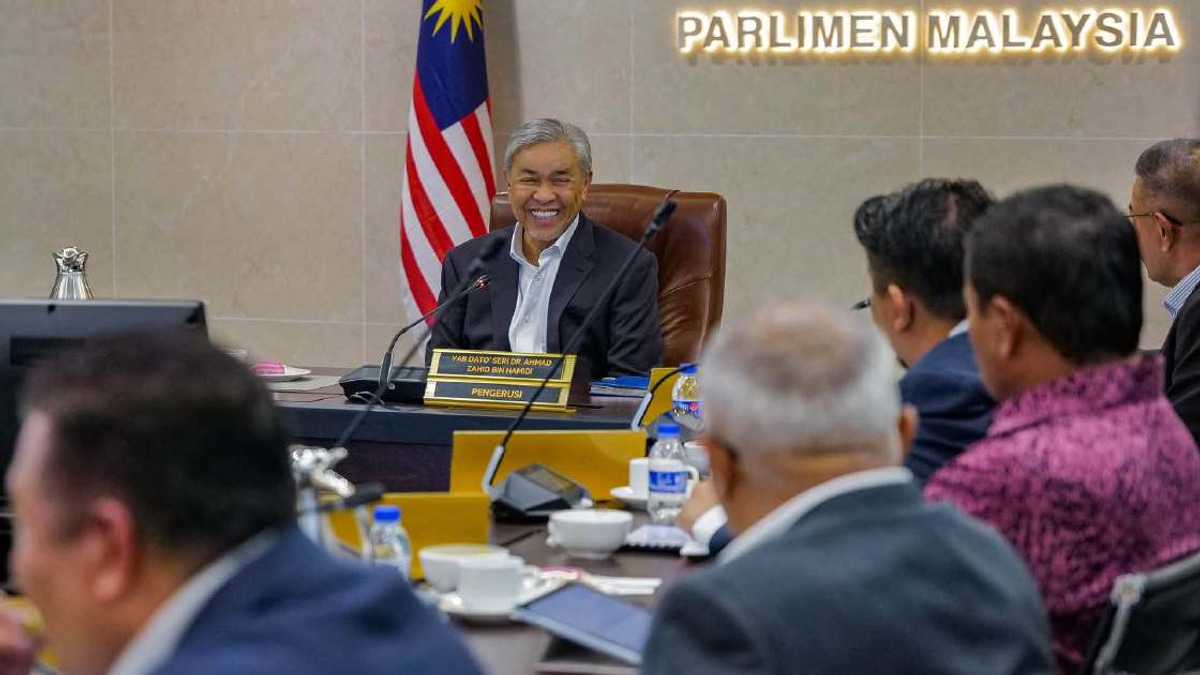
Deputy Prime Minister Datuk Seri Dr Ahmad Zahid Hamidi has announced plans to restructure Malaysia's foreign worker management system, aiming for improved coordination, efficiency, and closer alignment with sector-specific labour requirements across the nation.
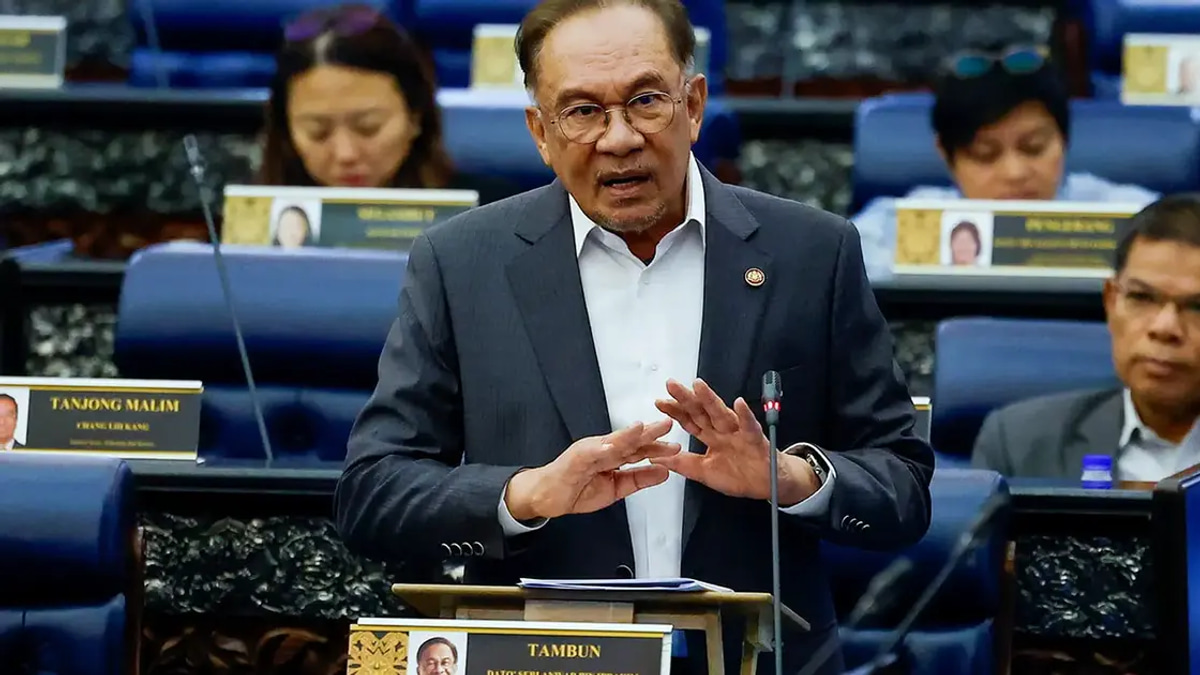
Prime Minister Anwar Ibrahim has confirmed that the previous Warisan-led Sabah government previously endorsed rising special grant allocations for the state, with amounts nearly doubling from RM53.4 million in 2020–2021 to RM106.8 million in 2024.
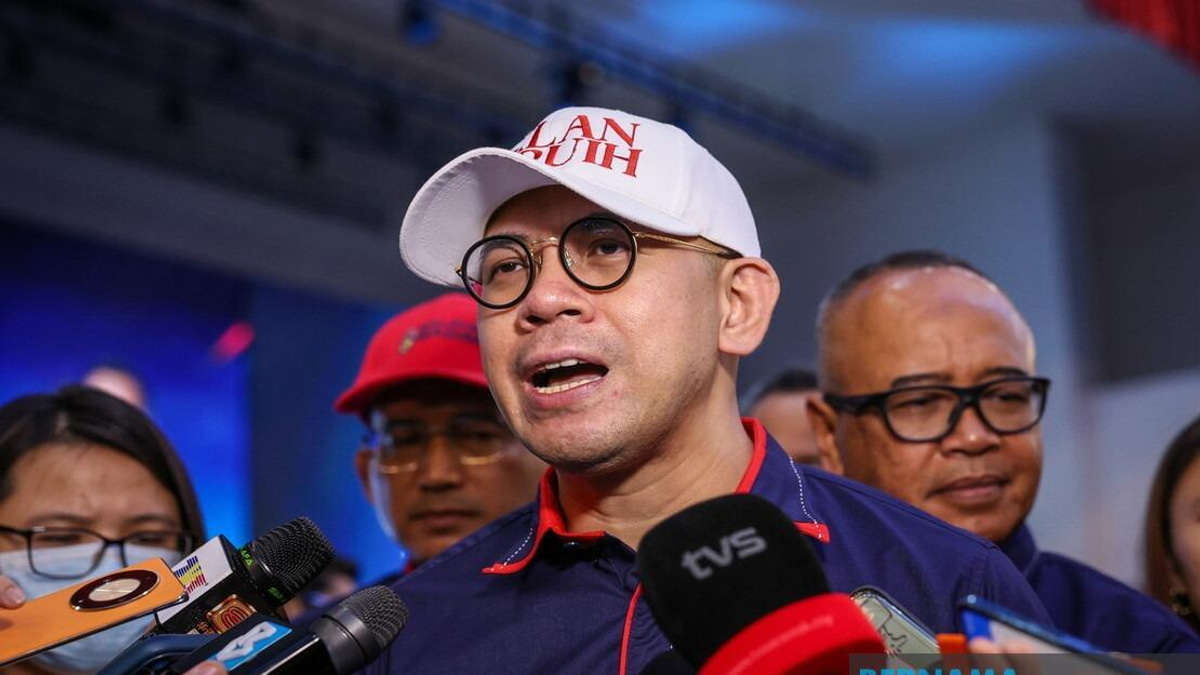
Deputy Prime Minister Ahmad Zahid Hamidi underscores the importance of micro, small and medium enterprises, which represent 97% of business transactions and contribute substantially to Malaysia's economic growth and employment.
Prime Minister Datuk Seri Anwar Ibrahim has officiated the launch of SParK 2026, PUNB's flagship business transformation platform. The agency is targeting RM2.25 billion in financing approvals over 2026–2030 to accelerate bumiputera entrepreneurship and strengthen Malaysia's supply chains.
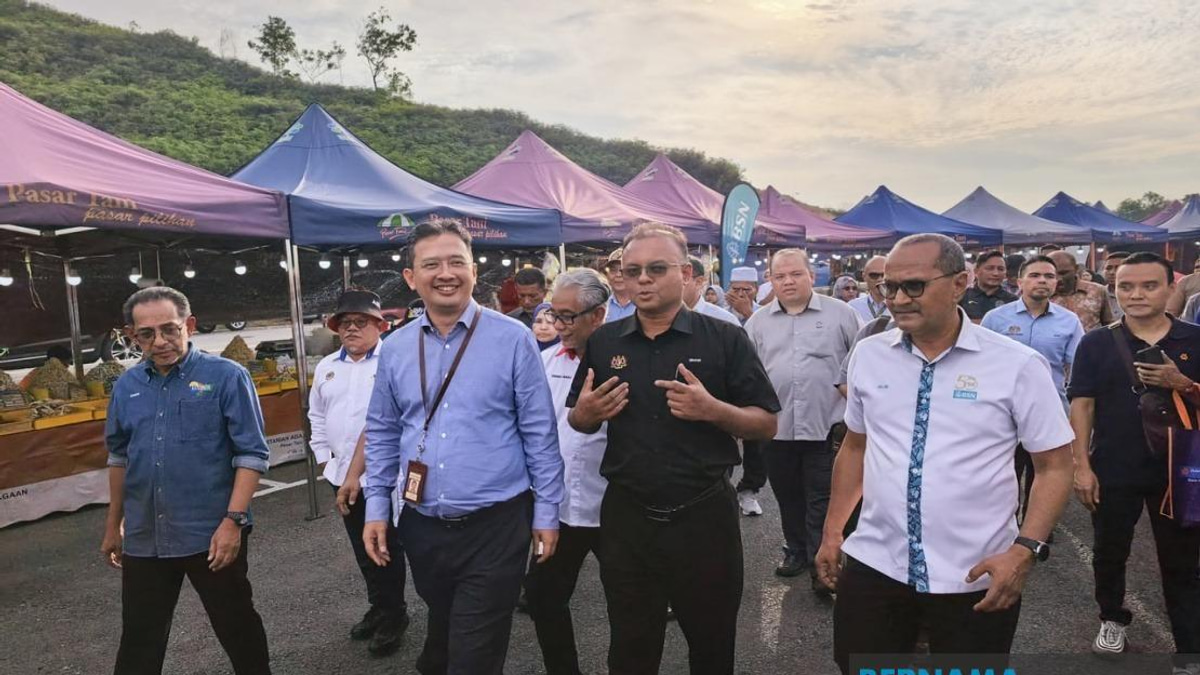
Malaysia's Treasury is accelerating outreach efforts to inform entrepreneurs and small traders about over RM5 billion in micro-financing support available through six government agencies, acknowledging that awareness remains a significant barrier to uptake.
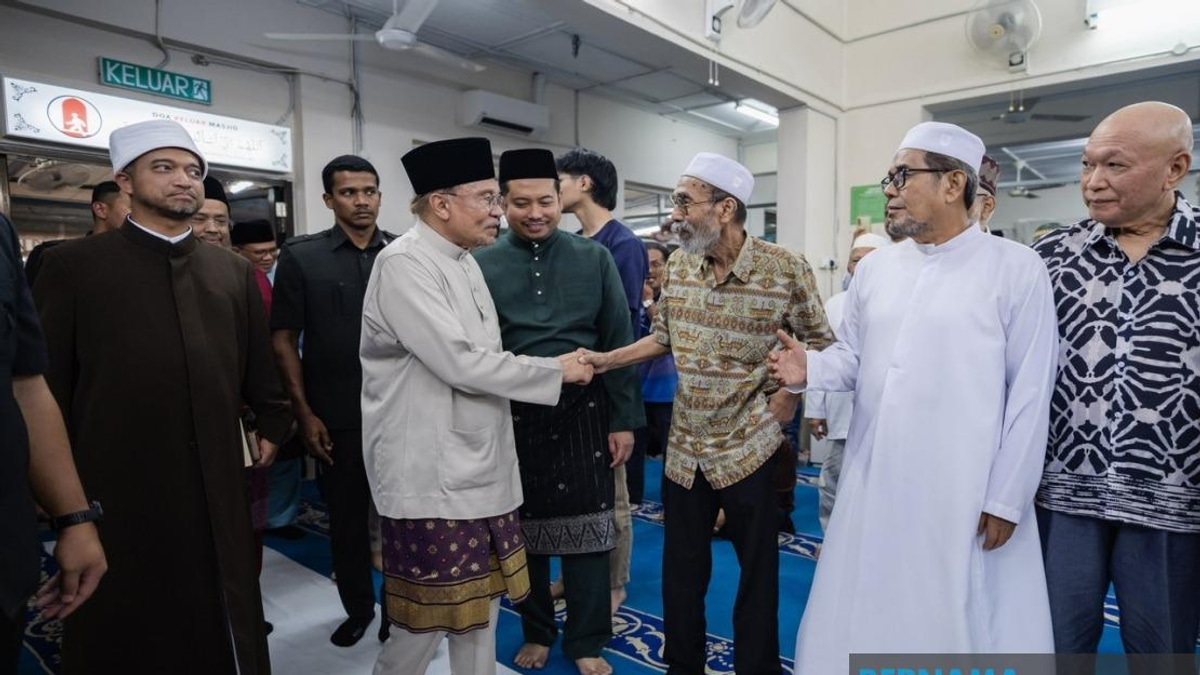
Prime Minister Anwar Ibrahim has defended progress on the Johor-Singapore Special Economic Zone, characterising it as a federal project advancing smoothly with state collaboration while cautioning political figures against exploiting the issue.
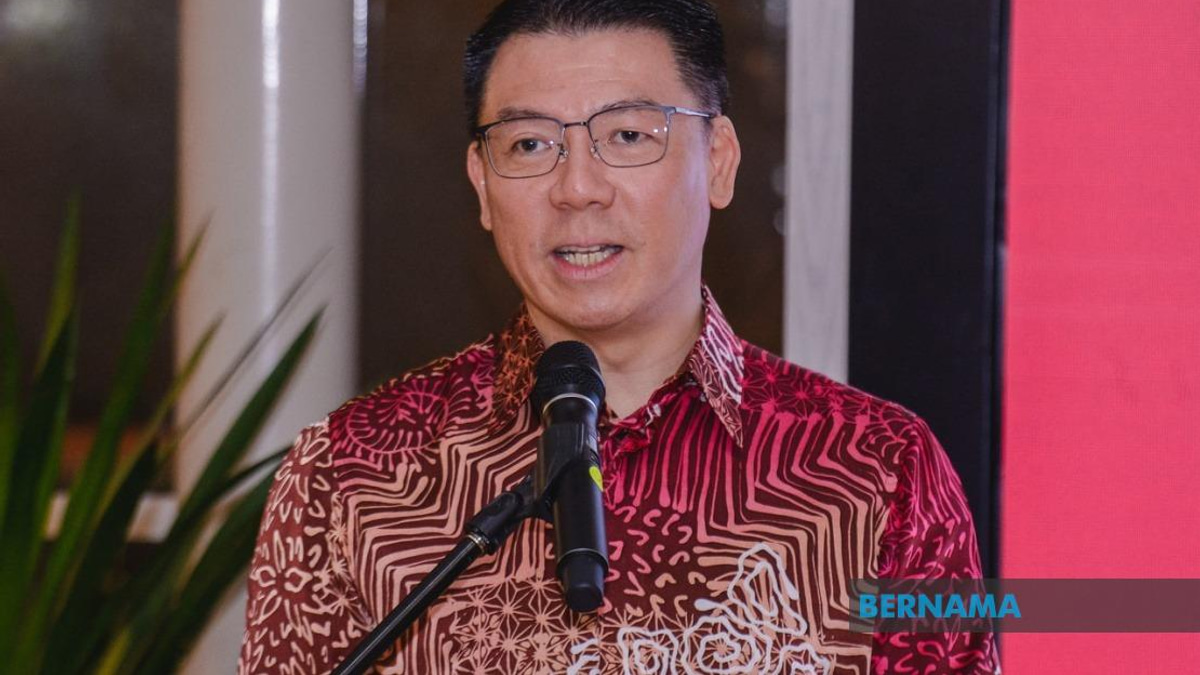
Malaysia's government is providing a 10% discount on home purchases during the ASEAN Real Estate Conference 2026 at MITEC from July 29 to August 1, aimed at reducing the financial pressure on homebuyers needing deposit payments.
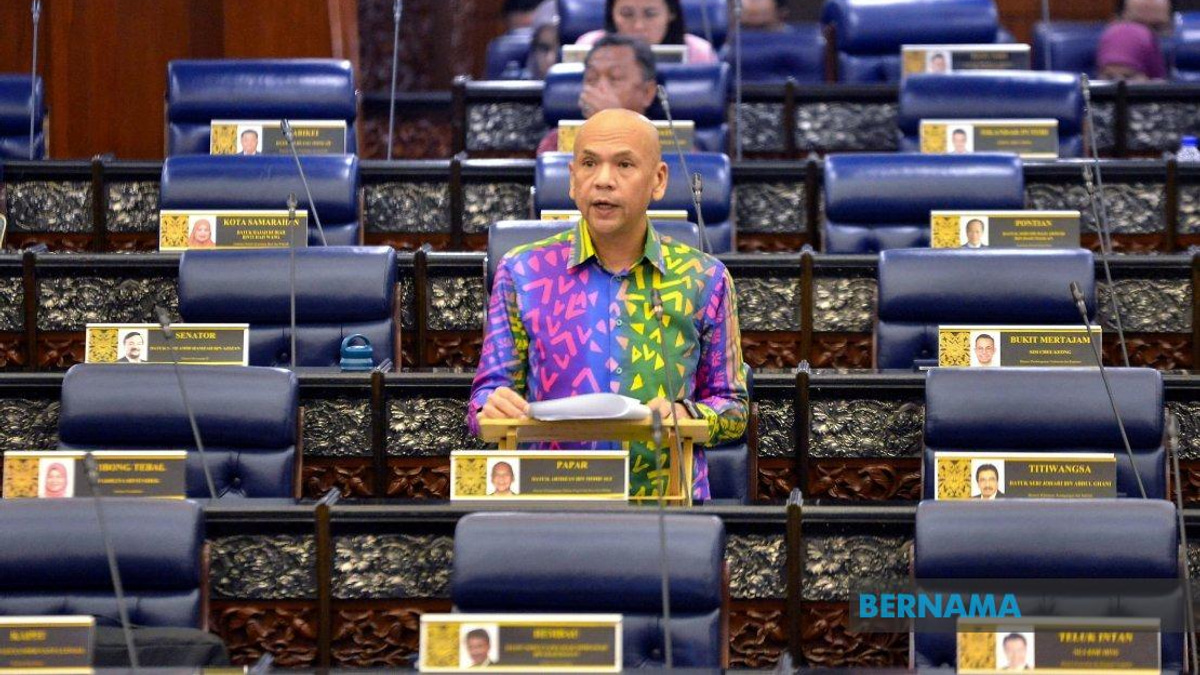
Malaysia's competition regulator will gain whistleblower incentives and settlement mechanisms to combat cartels more effectively under the Competition (Amendment) Bill 2026, passed at policy stage.
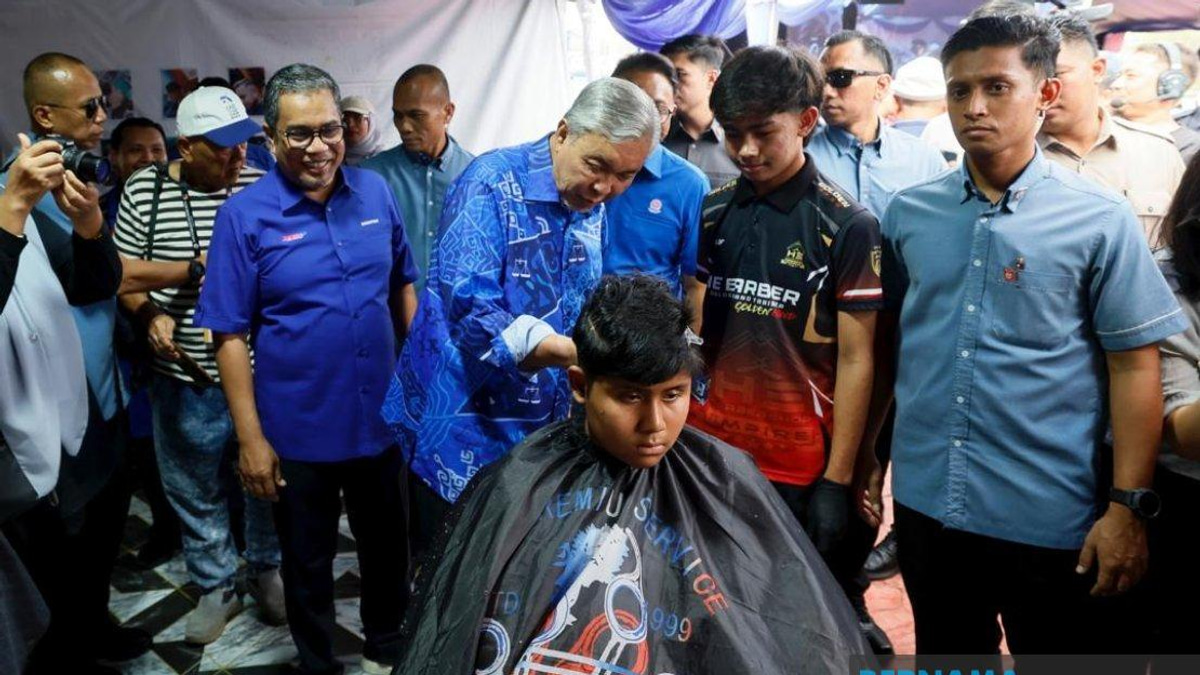
Malaysia's unemployment rate fell to 2.9 per cent last year from 3.2 per cent in 2024, according to Deputy Prime Minister Ahmad Zahid Hamid. The improvement reflects government investment in vocational training and skilled workforce development.
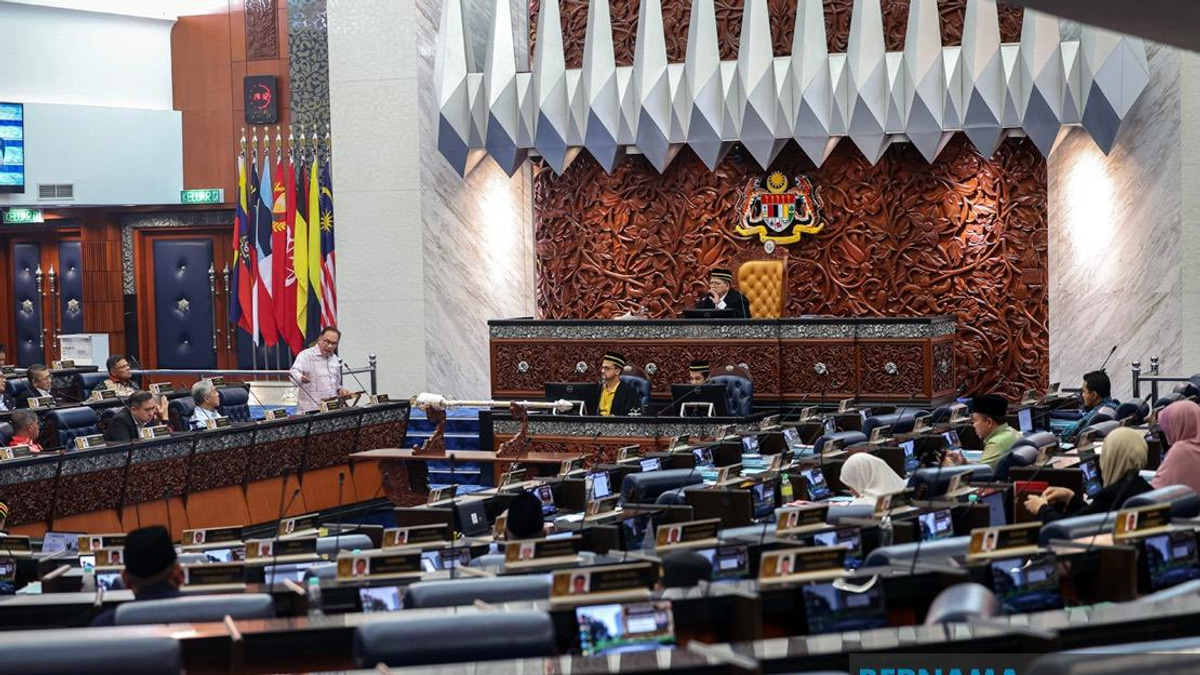
Malaysia's People's Income Initiative (IPR) has supported 7,787 households over three years, helping beneficiaries earn monthly incomes exceeding RM2,000 whilst tackling poverty and rising living costs across the nation.
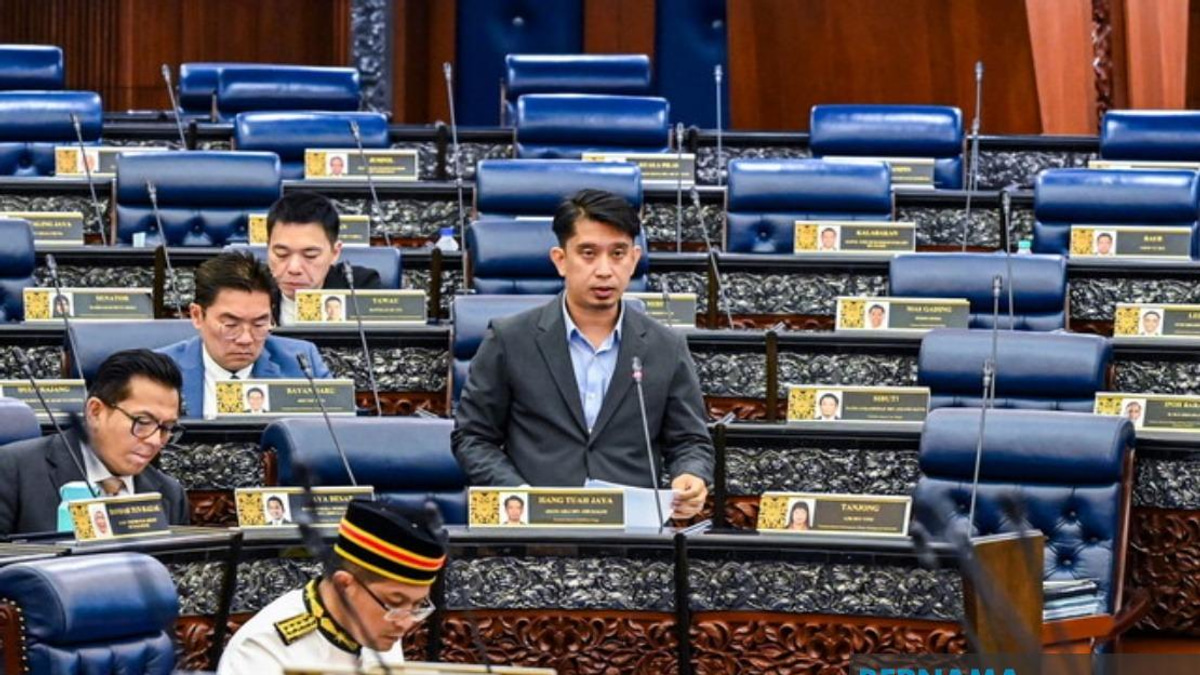
Malaysia's public universities have enrolled 326,419 STEM students from 2023 to March 2026, representing 58.6% of total intake. The government targets 341,200 RSET professionals by 2030 to support high-tech industries.
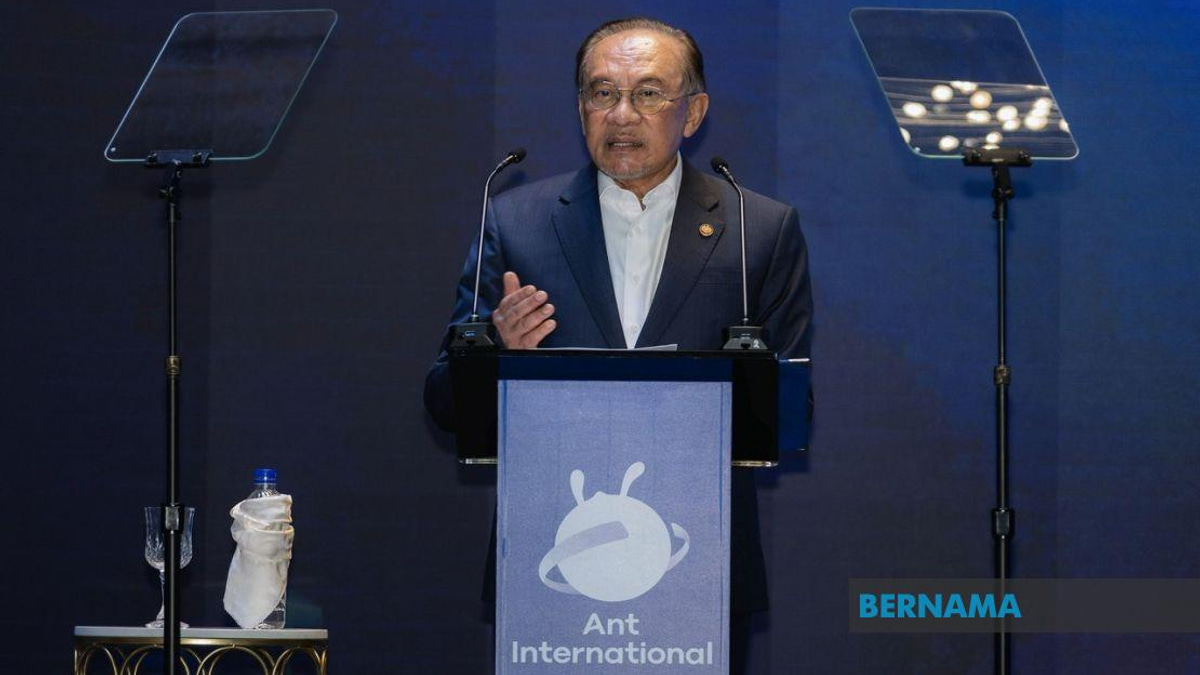
Prime Minister Anwar Ibrahim has urged Malaysia to move faster in preparing its workforce for the artificial intelligence era, emphasising the need to reform education systems and establish proper regulatory frameworks as technological disruption accelerates.
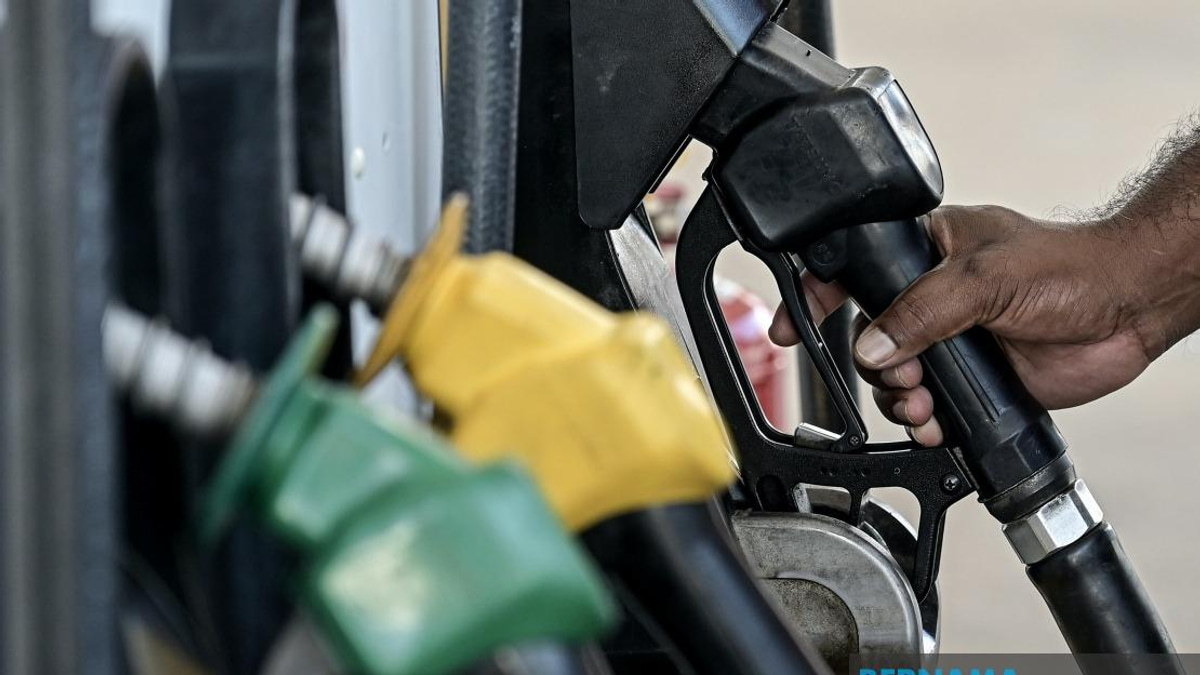
Malaysia's expanded BUDI MADANI Diesel programme launches nationwide, providing subsidised diesel at RM2.10 per litre to approximately 700,000 private vehicle owners across the country, representing a significant increase from the previous scheme.
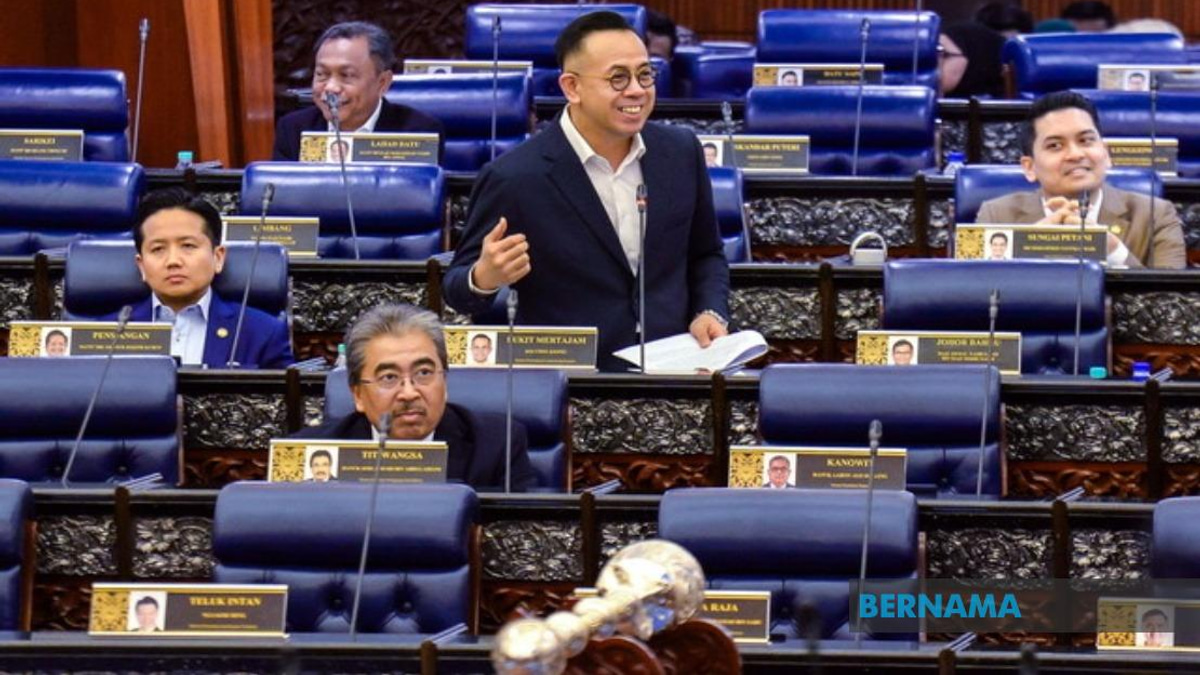
Malaysia's Ministry of Entrepreneur and Cooperative Development has allocated nearly RM3 billion since 2023 to strengthen the Bumiputera business sector, with participating companies achieving at least 20% sales growth and creating substantial employment opportunities.
Malaysian investment authorities have greenlit RM774.4 billion in manufacturing projects between 2020 and 2025, with plans to create over 500,000 jobs. Nearly 87 per cent of approved projects have been realised, generating substantial employment in skilled sectors.
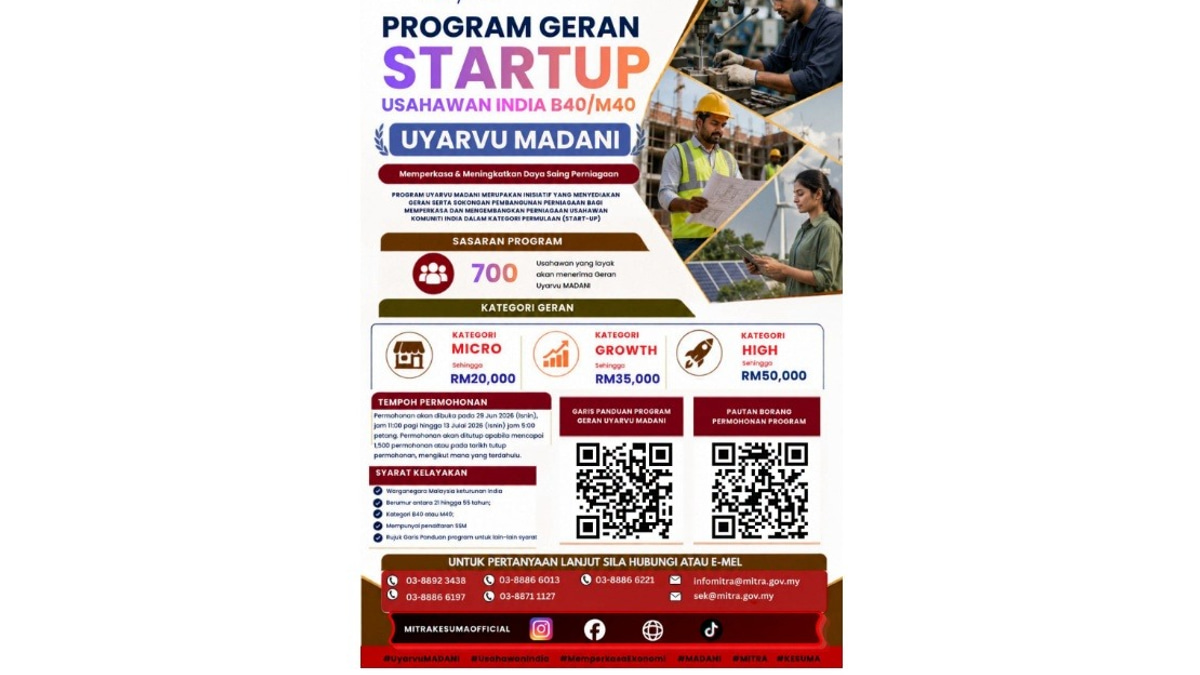
Malaysia's Startup Accelerator Grant Assistance Programme (Uyarvu MADANI) is accepting applications until July 13, targeting 700 Indian entrepreneurs from lower to middle-income households with grants up to RM50,000.
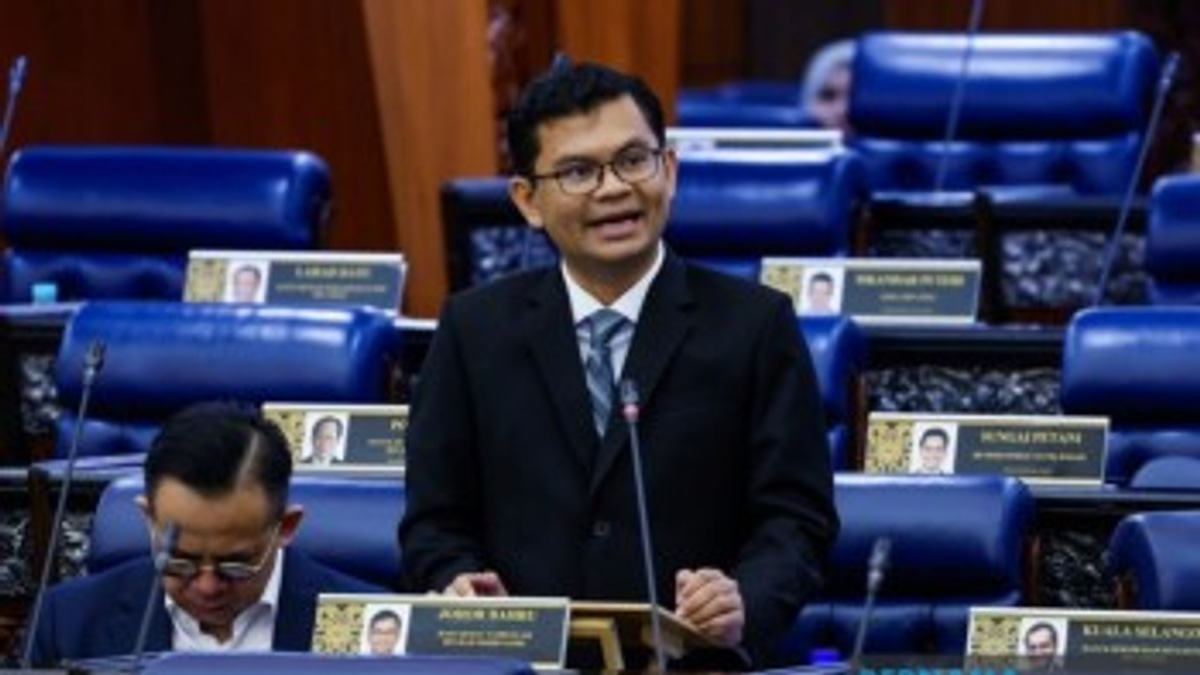
Malaysia is implementing 120 government decisions to counter prolonged global supply chain disruptions. Economy Minister Akmal Nasrullah says 27 are complete, with 93 under way, targeting relief for businesses and consumers through 2026.
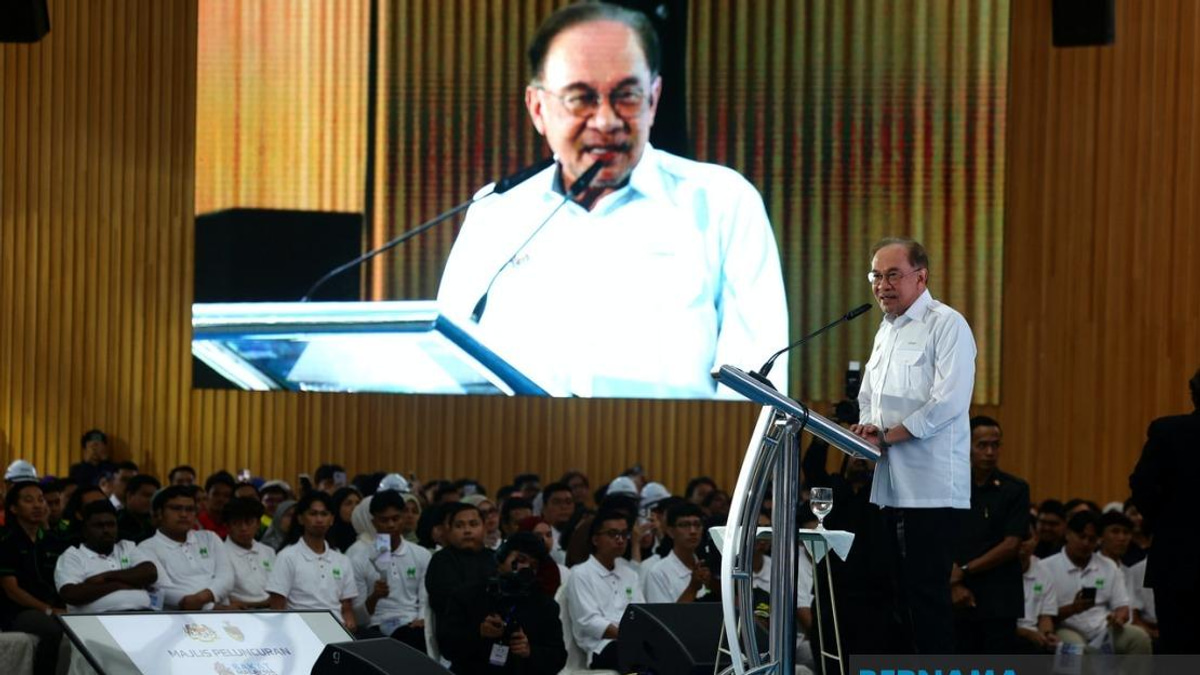
Prime Minister Anwar Ibrahim has launched the Bakat MADANI initiative, a comprehensive talent development programme expected to benefit 25,000 Malaysians through partnerships with major corporations and government-linked entities.
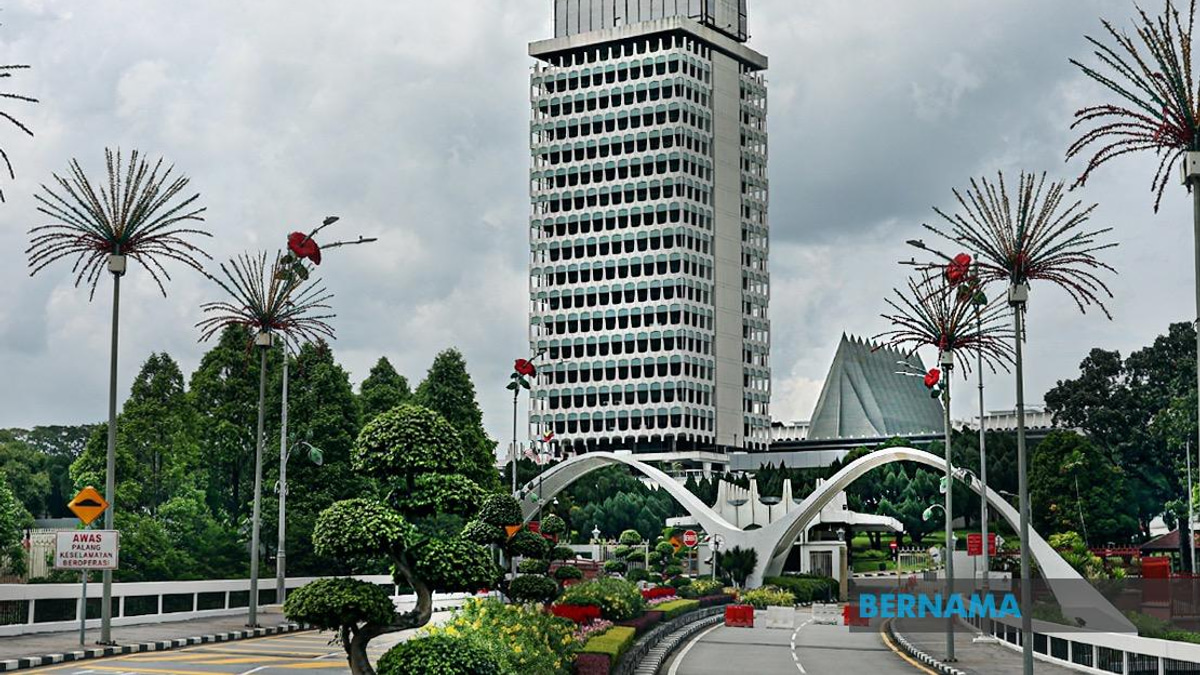
Malaysian Parliament convenes today to examine how the West Asian conflict has dampened foreign visitor numbers, with particular concern for Middle Eastern and European markets. Lawmakers also address security gaps in Langkawi and table amendments on child protection.

Prime Minister Datuk Seri Anwar Ibrahim has called for Malaysia to accelerate its development and adoption of drone technology, warning that faster progress in unmanned aerial vehicles is essential for maintaining the nation's economic standing in the global marketplace.
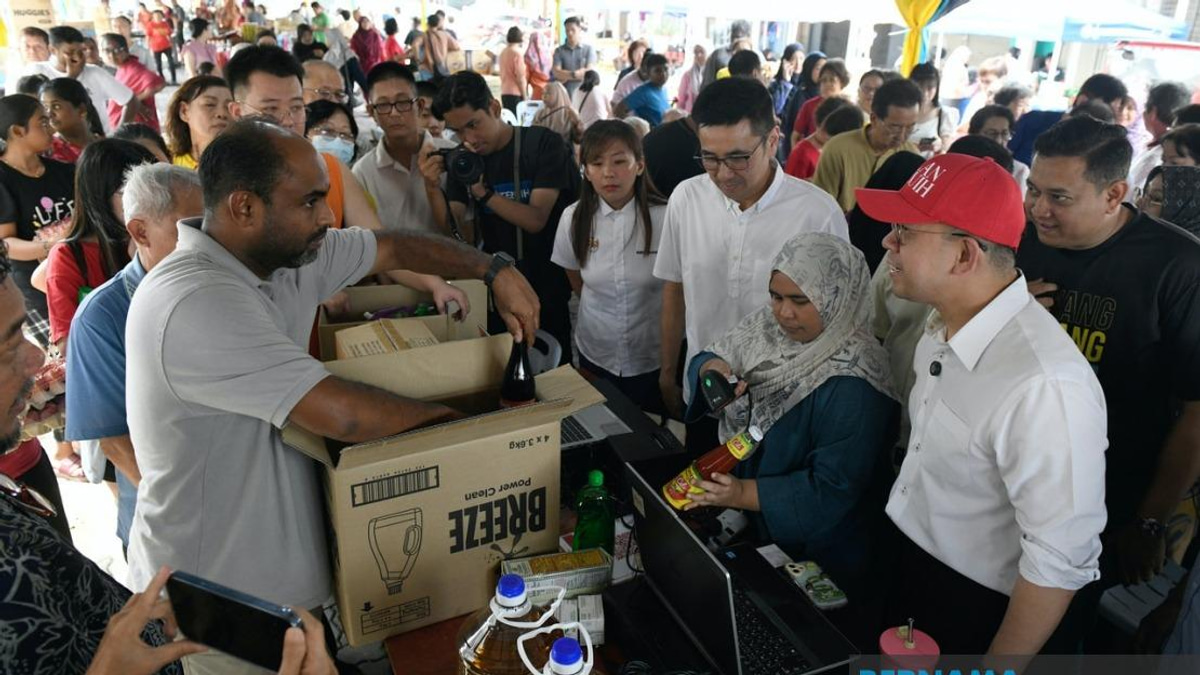
The Ministry of Entrepreneur and Cooperatives Development is intensifying grassroots programmes to help MSMEs and cooperatives capitalise on robust growth in Malaysia's wholesale and retail sector, which posted RM175 billion in April sales.
%22%2F%3E%3C%2Fpattern%3E%3C%2Fdefs%3E%3Crect%20width%3D%22100%25%22%20height%3D%22100%25%22%20fill%3D%22url(%23ph5xcdvg)%22%2F%3E%3Crect%20width%3D%22100%25%22%20height%3D%22100%25%22%20fill%3D%22url(%23ph5xcdvp)%22%2F%3E%3Ctext%20x%3D%2250%25%22%20y%3D%2250%25%22%20text-anchor%3D%22middle%22%20dominant-baseline%3D%22central%22%20fill%3D%22rgba(255%2C255%2C255%2C0.95)%22%20font-family%3D%22Georgia%2C%20'Times%20New%20Roman'%2C%20serif%22%20font-weight%3D%22700%22%20font-size%3D%22136%22%20letter-spacing%3D%22-0.02em%22%3EGovernment%3C%2Ftext%3E%3C%2Fsvg%3E)
Prime Minister Anwar Ibrahim has unveiled plans for the government to construct affordable housing nationwide targeting civil servants, addressing mounting concerns over living costs and workforce retention in the public sector.
%22%2F%3E%3C%2Fpattern%3E%3C%2Fdefs%3E%3Crect%20width%3D%22100%25%22%20height%3D%22100%25%22%20fill%3D%22url(%23ph3506g)%22%2F%3E%3Crect%20width%3D%22100%25%22%20height%3D%22100%25%22%20fill%3D%22url(%23ph3506p)%22%2F%3E%3Ctext%20x%3D%2250%25%22%20y%3D%2250%25%22%20text-anchor%3D%22middle%22%20dominant-baseline%3D%22central%22%20fill%3D%22rgba(255%2C255%2C255%2C0.95)%22%20font-family%3D%22Georgia%2C%20'Times%20New%20Roman'%2C%20serif%22%20font-weight%3D%22700%22%20font-size%3D%22272%22%20letter-spacing%3D%22-0.02em%22%3EZahid%3C%2Ftext%3E%3C%2Fsvg%3E)
Deputy Prime Minister Zahid Hamidi will head a Cabinet Committee meeting next week to address mounting concerns over foreign worker recruitment and deployment, particularly in Malaysia's food and beverage sector.
%22%2F%3E%3C%2Fpattern%3E%3C%2Fdefs%3E%3Crect%20width%3D%22100%25%22%20height%3D%22100%25%22%20fill%3D%22url(%23ph1davhg)%22%2F%3E%3Crect%20width%3D%22100%25%22%20height%3D%22100%25%22%20fill%3D%22url(%23ph1davhp)%22%2F%3E%3Ctext%20x%3D%2250%25%22%20y%3D%2250%25%22%20text-anchor%3D%22middle%22%20dominant-baseline%3D%22central%22%20fill%3D%22rgba(255%2C255%2C255%2C0.95)%22%20font-family%3D%22Georgia%2C%20'Times%20New%20Roman'%2C%20serif%22%20font-weight%3D%22700%22%20font-size%3D%22272%22%20letter-spacing%3D%22-0.02em%22%3EJohor%3C%2Ftext%3E%3C%2Fsvg%3E)
Johor's Barisan Nasional coalition has unveiled an ambitious manifesto promising 200,000 quality employment opportunities and RM100 million in combined housing and education funding, seeking to strengthen its political position ahead of forthcoming elections.
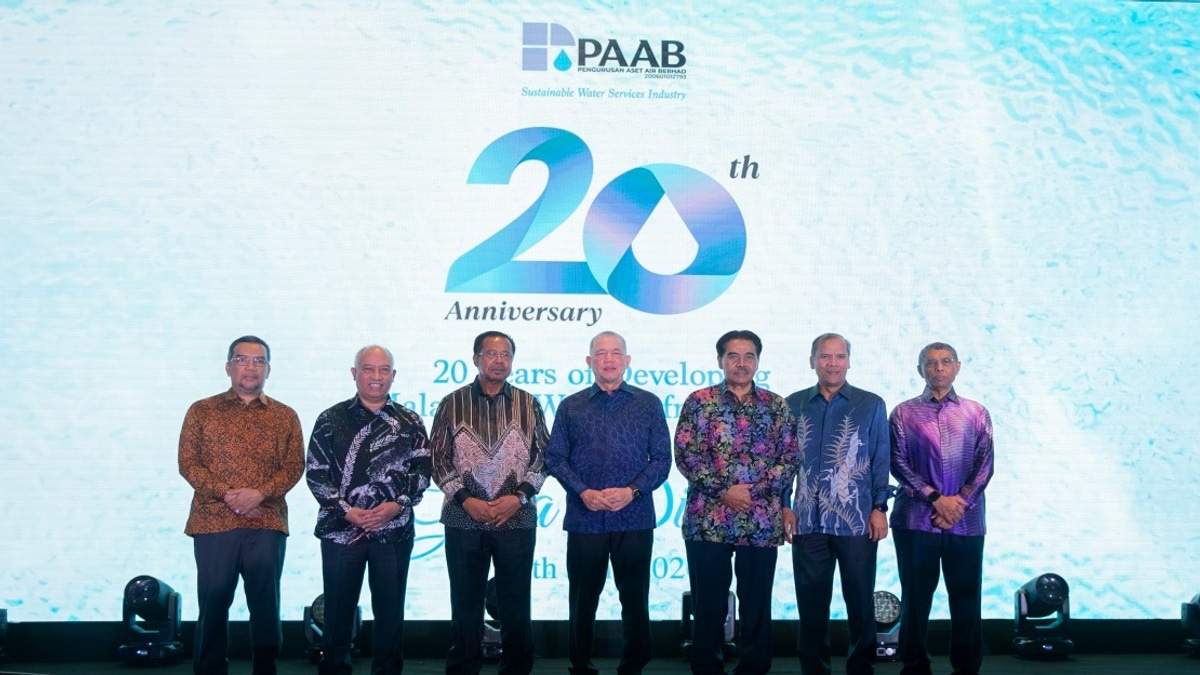
Malaysia's water asset management company PAAB celebrated its 20th anniversary, highlighting RM46.88 billion invested in restructuring the nation's water services and addressing critical supply challenges facing growing economic sectors.
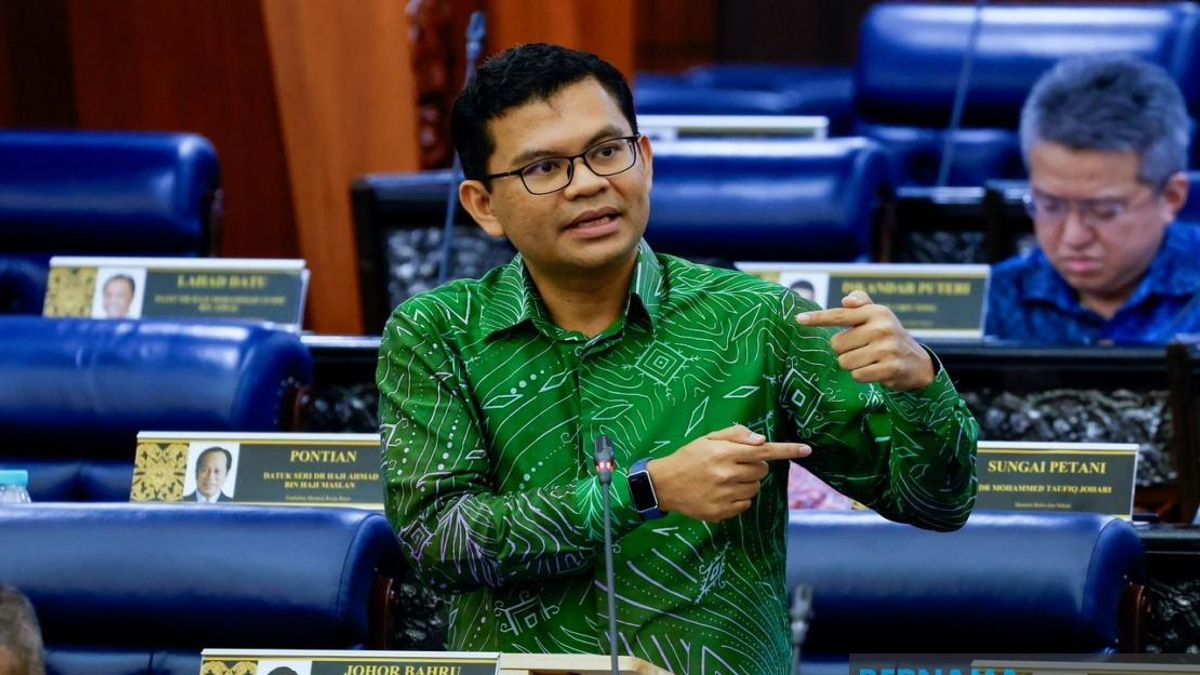
Malaysia's labour market remains stable with unemployment at 0.04% of the workforce as of June 22, down 20% from May figures. The economy minister cited strong job redeployment efforts and government interventions supporting worker transitions.
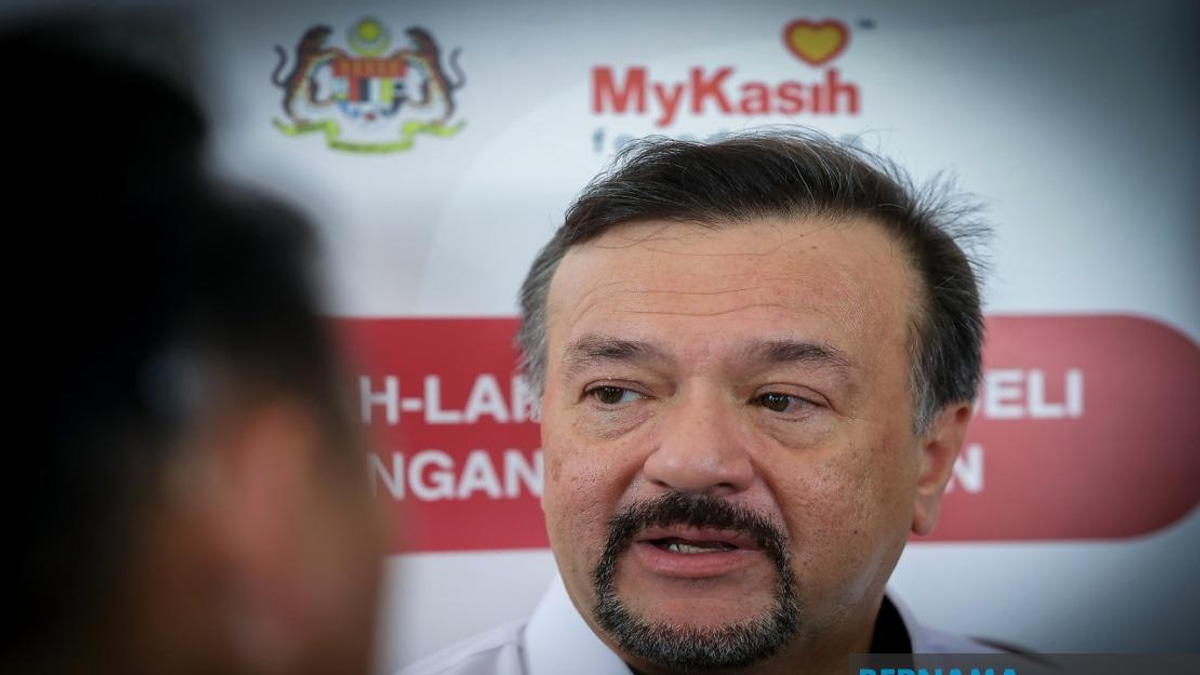
Malaysia's Finance Ministry will review the BUDI Diesel subsidy programme based on real-world usage data rather than speculation. Early RON95 data shows only 0.76% of users exceed 200-litre quotas, signalling the system's initial effectiveness.
%22%2F%3E%3C%2Fpattern%3E%3C%2Fdefs%3E%3Crect%20width%3D%22100%25%22%20height%3D%22100%25%22%20fill%3D%22url(%23ph214abg)%22%2F%3E%3Crect%20width%3D%22100%25%22%20height%3D%22100%25%22%20fill%3D%22url(%23ph214abp)%22%2F%3E%3Ctext%20x%3D%2250%25%22%20y%3D%2250%25%22%20text-anchor%3D%22middle%22%20dominant-baseline%3D%22central%22%20fill%3D%22rgba(255%2C255%2C255%2C0.95)%22%20font-family%3D%22Georgia%2C%20'Times%20New%20Roman'%2C%20serif%22%20font-weight%3D%22700%22%20font-size%3D%22170%22%20letter-spacing%3D%22-0.02em%22%3EMalaysia%3C%2Ftext%3E%3C%2Fsvg%3E)
Prime Minister Anwar Ibrahim credits Malaysia's rise in the competitiveness index to improved civil service efficiency and institutional performance, highlighting the government's commitment to modernising administrative systems and strengthening economic foundations.
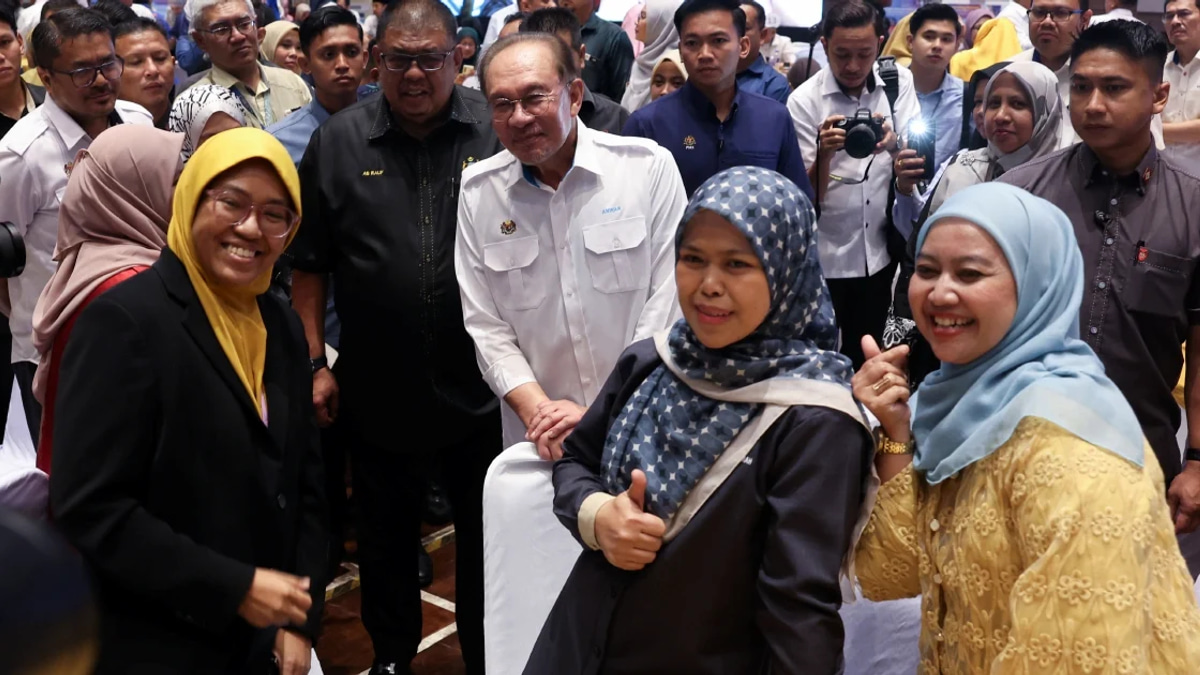
Malaysia has climbed eight positions to rank 15th in the IMD World Competitiveness Index 2026, with Prime Minister Anwar Ibrahim attributing the improvement to enhanced civil service performance and institutional reform.
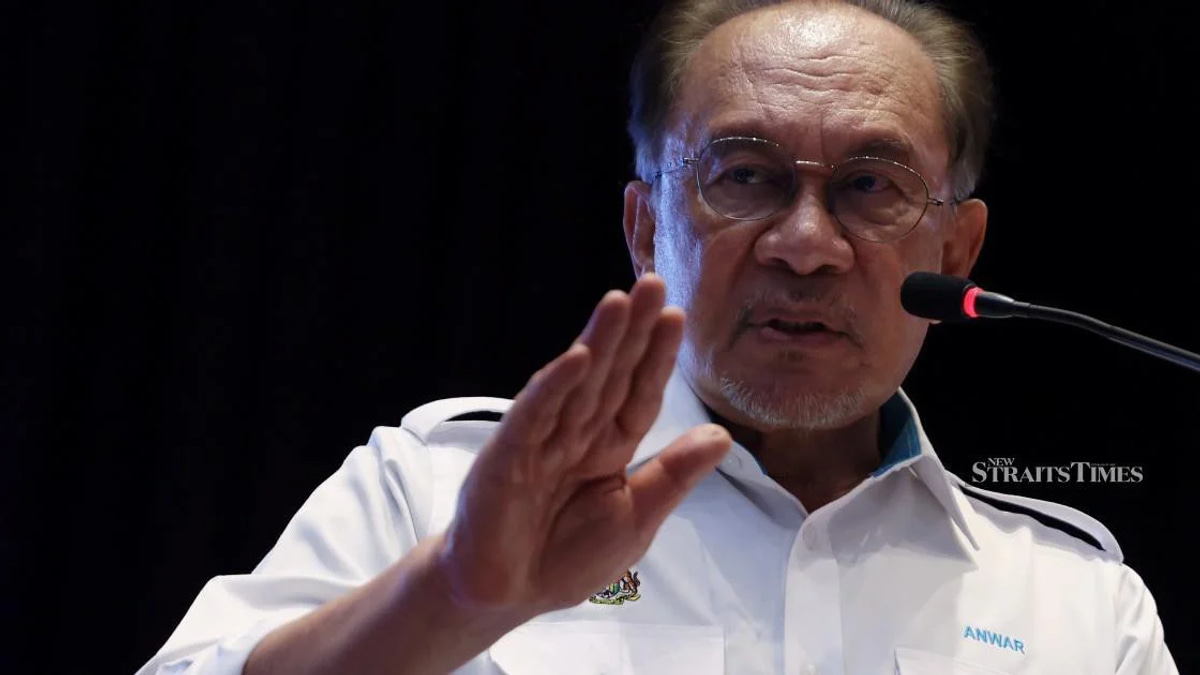
Prime Minister Datuk Seri Anwar Ibrahim has attributed Malaysia's rising performance in the 2026 World Competitiveness Ranking to the dedication and effectiveness of the nation's civil service sector, highlighting their role in driving economic competitiveness.
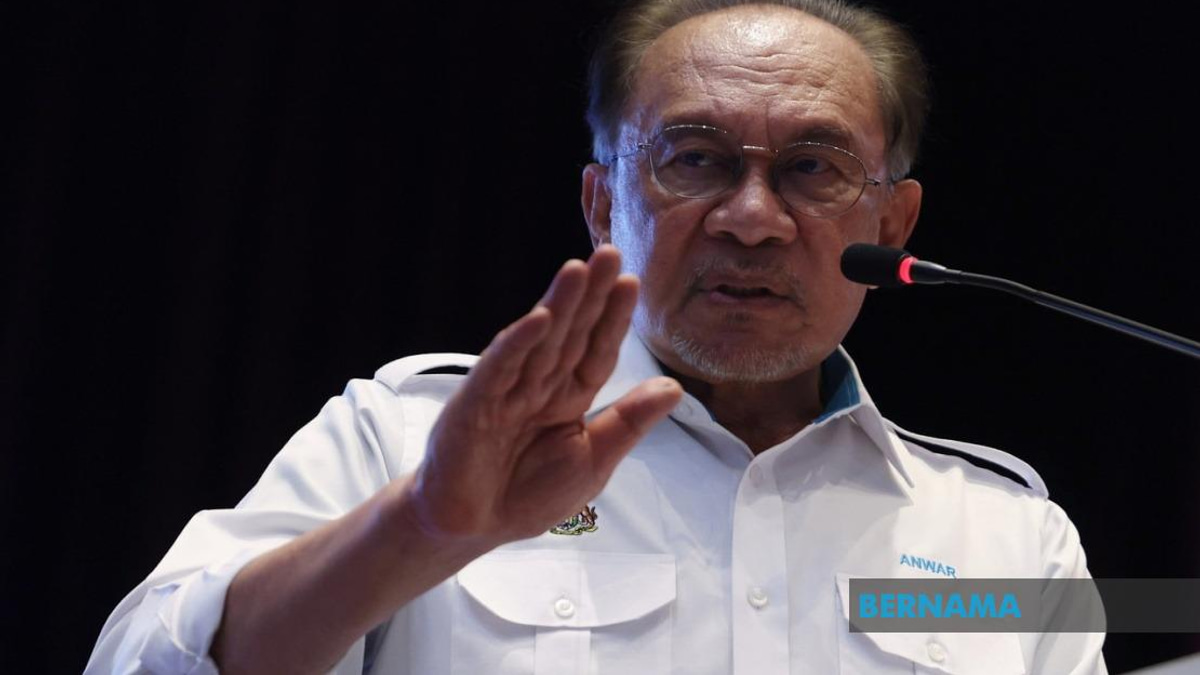
Malaysia has climbed eight places to 15th globally in the IMD World Competitiveness Index 2026, with PM Anwar attributing the achievement to the civil service's collective efficiency rather than individual leadership.
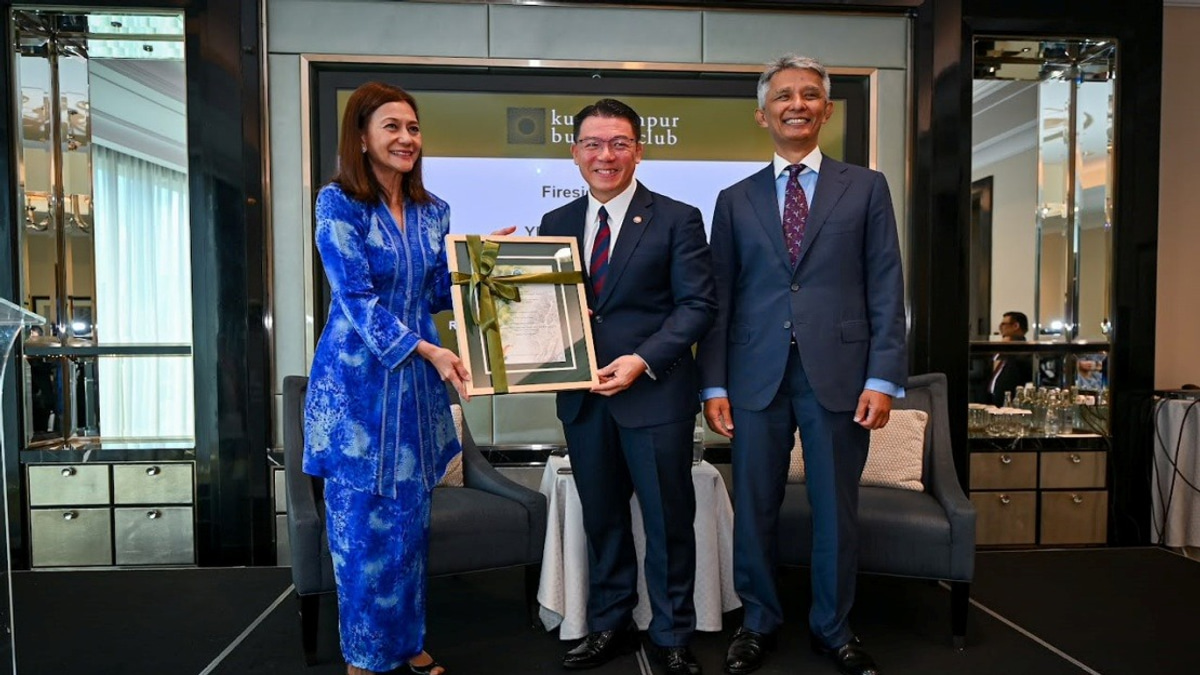
Housing and Local Government Minister Nga Kor Ming stressed that maintaining consistent reform policies under the MADANI framework is vital for translating ongoing initiatives into sustainable economic gains and preserving investor confidence.
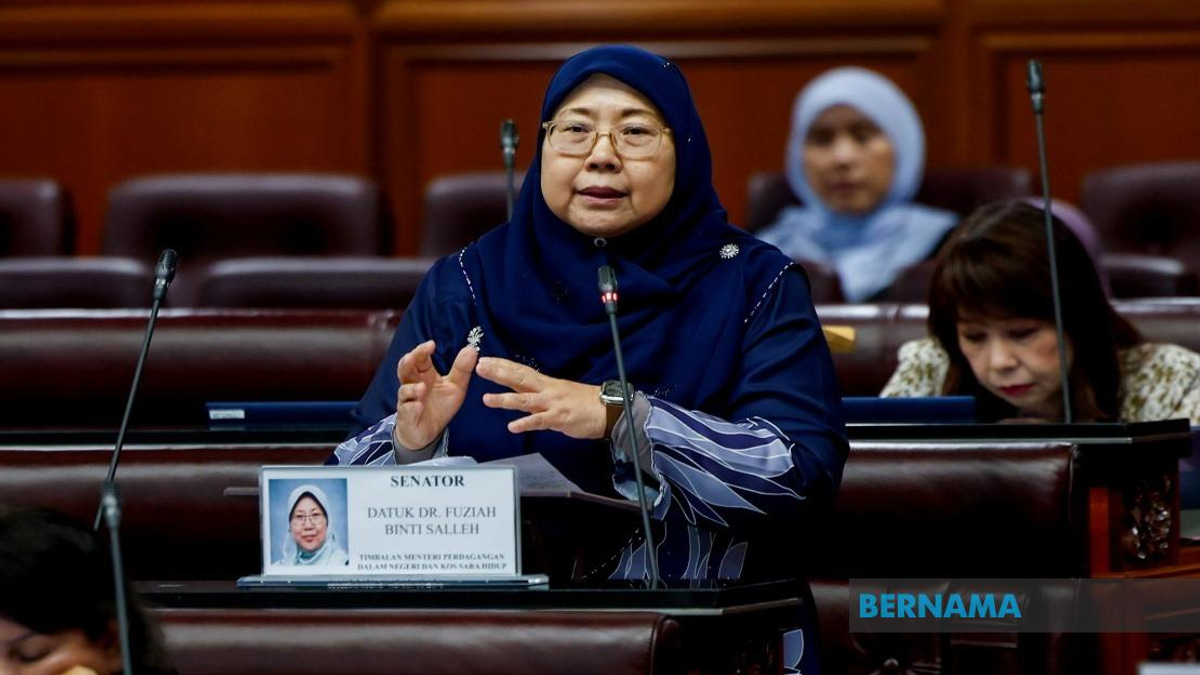
Malaysia's competition watchdog has concluded that the housing market operates without anti-competitive practices, with property prices showing stable, moderate growth. The finding comes after extensive monitoring and sectoral reviews.
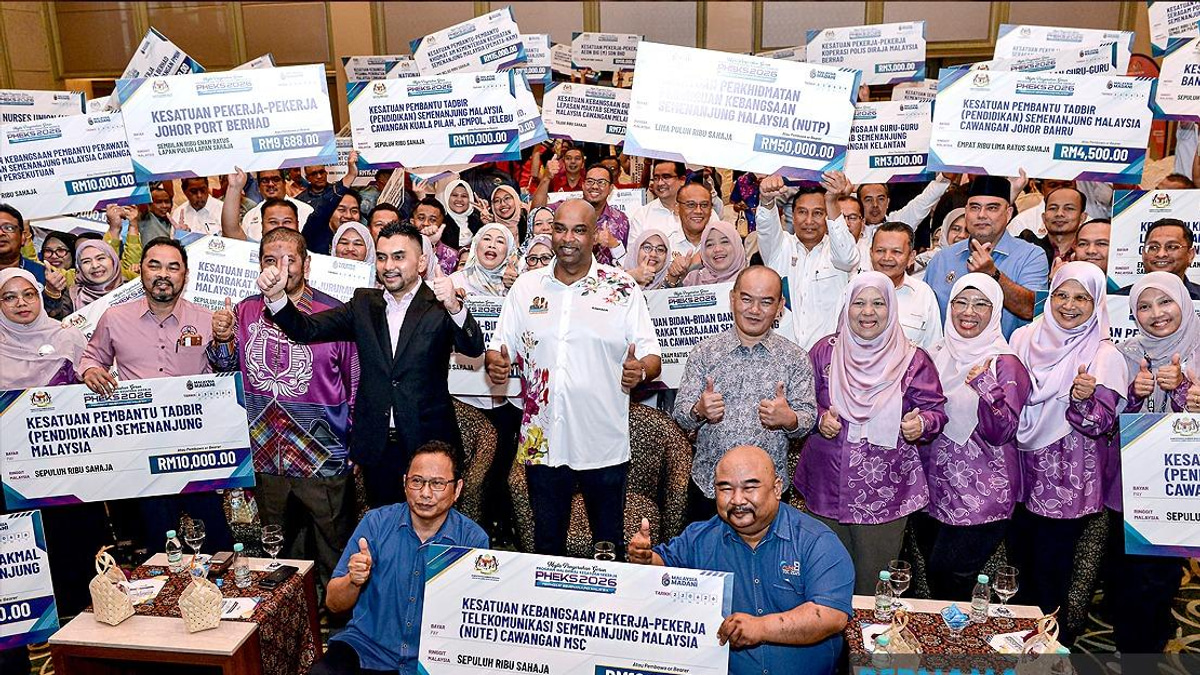
Malaysia's union membership stands at only six per cent of the workforce, Human Resources Minister Datuk Seri R. Ramanan revealed, noting significant room for growth and calling for workers to better understand union roles.
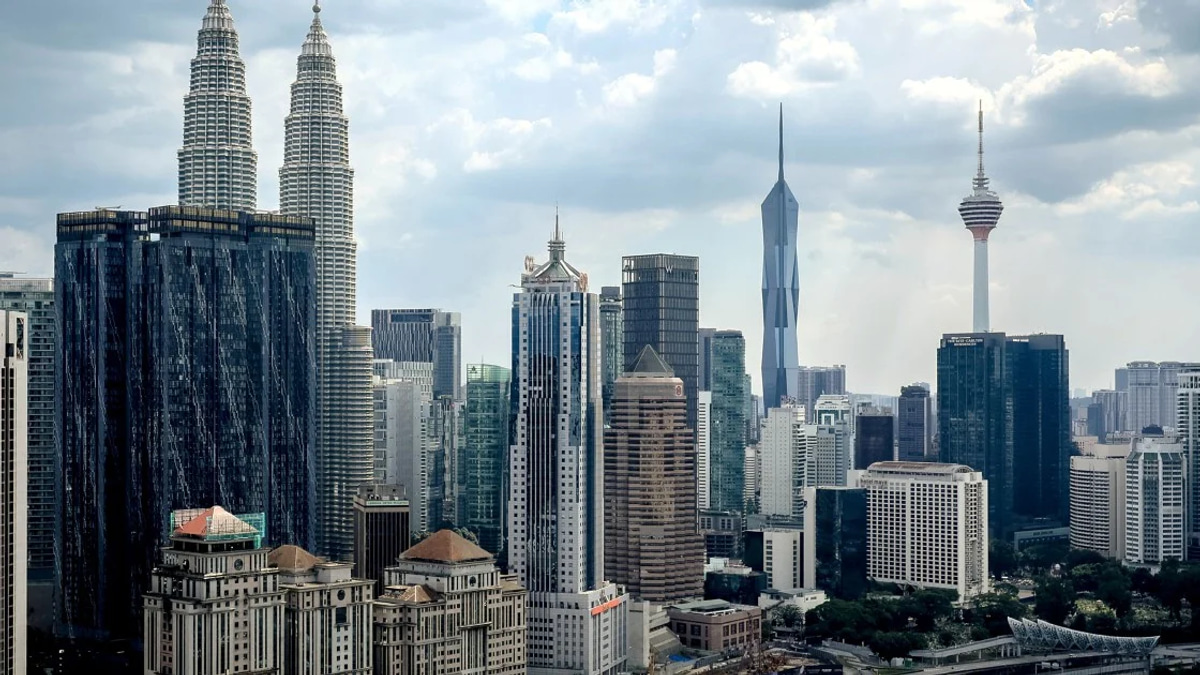
Malaysia's trade ministry dismisses speculation about politics and the 16th general election as a major factor swaying foreign investors, though political stability retains significance.
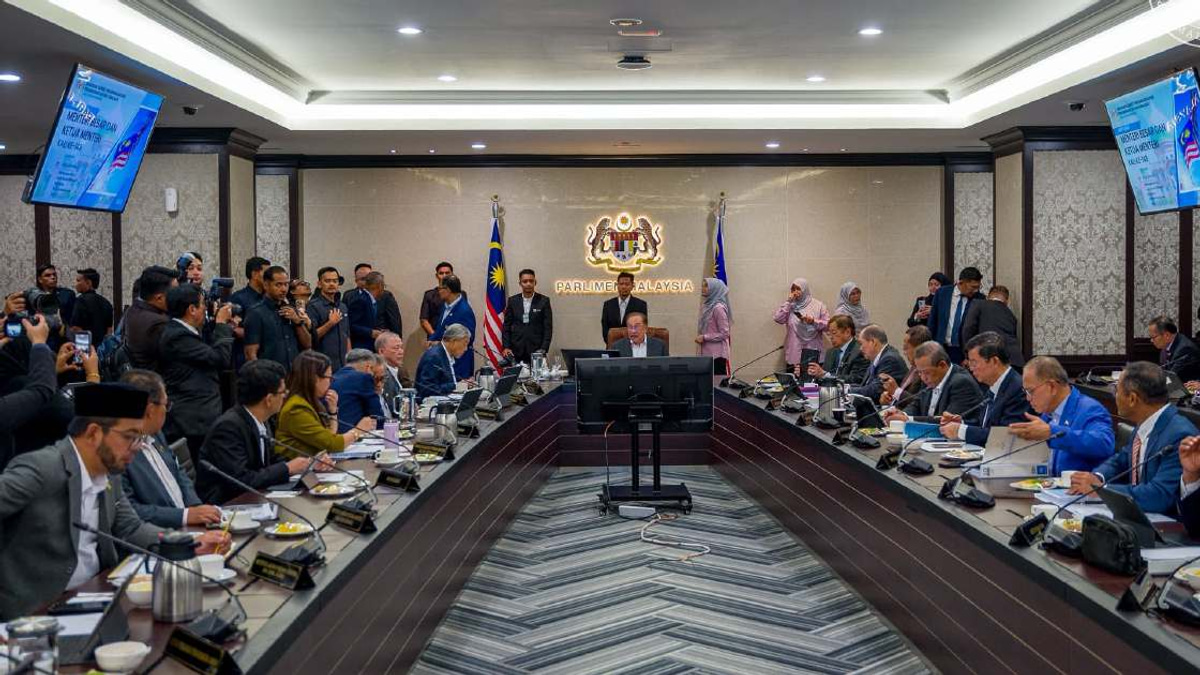
Prime Minister Datuk Seri Anwar Ibrahim chaired the 149th meeting of Menteris Besar and Chief Ministers to focus on reviving Malaysia's economy against a backdrop of escalating global tensions and regional uncertainty.
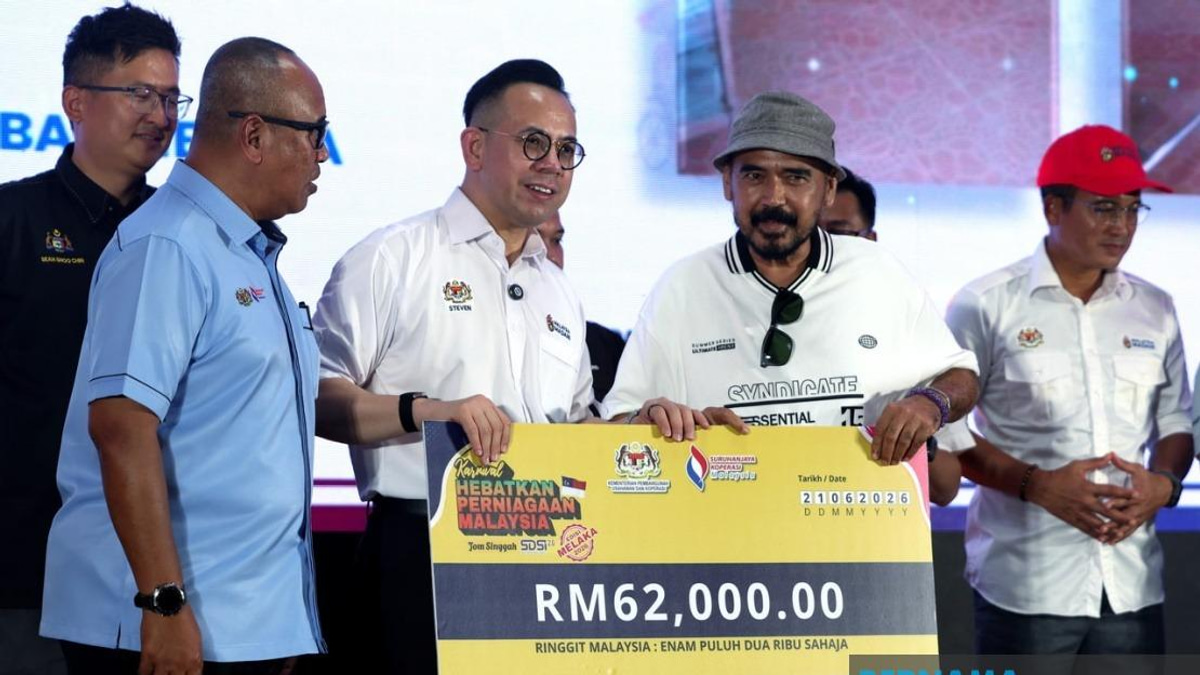
The HPM 2026 Carnival in Melaka concluded with RM8.45 million in business matching value and financing potential, attracting 70,000 visitors and generating direct sales of RM532,802.77 for entrepreneurs.
%22%2F%3E%3C%2Fpattern%3E%3C%2Fdefs%3E%3Crect%20width%3D%22100%25%22%20height%3D%22100%25%22%20fill%3D%22url(%23ph1f83bg)%22%2F%3E%3Crect%20width%3D%22100%25%22%20height%3D%22100%25%22%20fill%3D%22url(%23ph1f83bp)%22%2F%3E%3Ctext%20x%3D%2250%25%22%20y%3D%2250%25%22%20text-anchor%3D%22middle%22%20dominant-baseline%3D%22central%22%20fill%3D%22rgba(255%2C255%2C255%2C0.95)%22%20font-family%3D%22Georgia%2C%20'Times%20New%20Roman'%2C%20serif%22%20font-weight%3D%22700%22%20font-size%3D%22170%22%20letter-spacing%3D%22-0.02em%22%3EMalaysia%3C%2Ftext%3E%3C%2Fsvg%3E)
Malaysia's government expects to save RM2 billion annually through the BUDI MADANI Diesel programme, which introduces a MyKad-based subsidy system at RM2.10 per litre starting July to combat fuel leakages.
%22%2F%3E%3C%2Fpattern%3E%3C%2Fdefs%3E%3Crect%20width%3D%22100%25%22%20height%3D%22100%25%22%20fill%3D%22url(%23ph13zmkg)%22%2F%3E%3Crect%20width%3D%22100%25%22%20height%3D%22100%25%22%20fill%3D%22url(%23ph13zmkp)%22%2F%3E%3Ctext%20x%3D%2250%25%22%20y%3D%2250%25%22%20text-anchor%3D%22middle%22%20dominant-baseline%3D%22central%22%20fill%3D%22rgba(255%2C255%2C255%2C0.95)%22%20font-family%3D%22Georgia%2C%20'Times%20New%20Roman'%2C%20serif%22%20font-weight%3D%22700%22%20font-size%3D%22170%22%20letter-spacing%3D%22-0.02em%22%3EMalaysia%3C%2Ftext%3E%3C%2Fsvg%3E)
Malaysia's Higher Education Ministry is restructuring its approach to university research, emphasising practical commercialisation over academic publications. The shift aims to translate innovations into economic value through stronger industry partnerships.
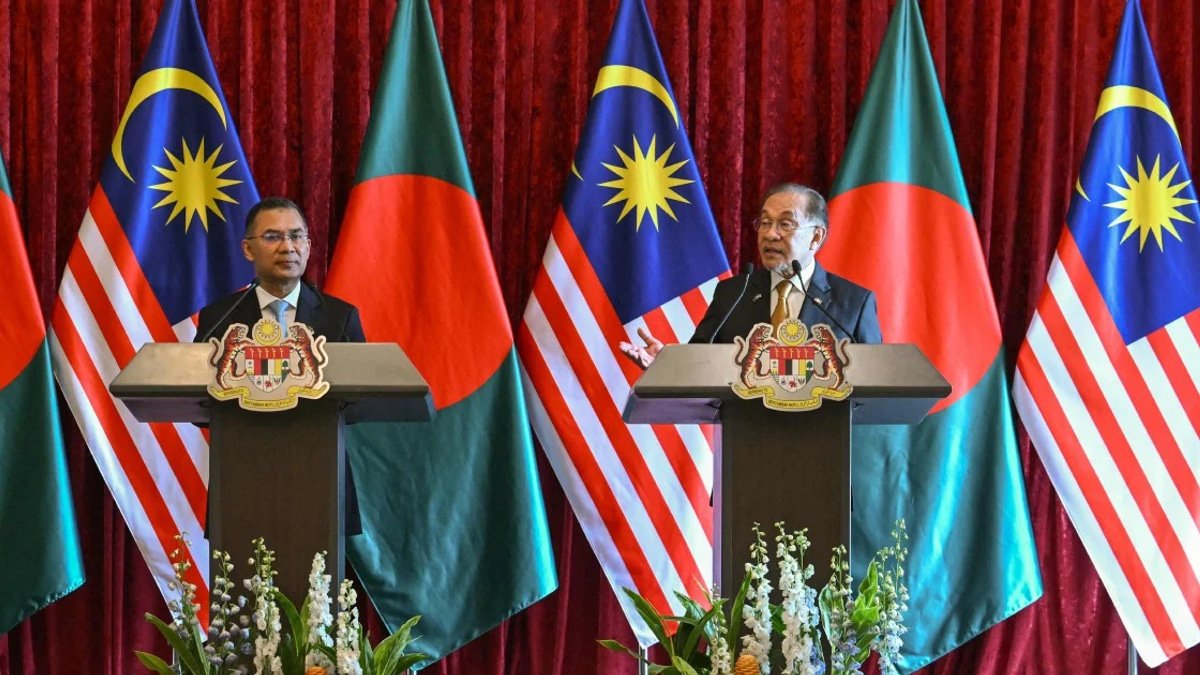
Prime Minister Anwar Ibrahim has pledged strong measures to combat the exploitation of Bangladeshi migrant workers, recognising their crucial contribution to Malaysia's economic stability and workforce needs.
%22%2F%3E%3C%2Fpattern%3E%3C%2Fdefs%3E%3Crect%20width%3D%22100%25%22%20height%3D%22100%25%22%20fill%3D%22url(%23ph2c9vsg)%22%2F%3E%3Crect%20width%3D%22100%25%22%20height%3D%22100%25%22%20fill%3D%22url(%23ph2c9vsp)%22%2F%3E%3Ctext%20x%3D%2250%25%22%20y%3D%2250%25%22%20text-anchor%3D%22middle%22%20dominant-baseline%3D%22central%22%20fill%3D%22rgba(255%2C255%2C255%2C0.95)%22%20font-family%3D%22Georgia%2C%20'Times%20New%20Roman'%2C%20serif%22%20font-weight%3D%22700%22%20font-size%3D%22136%22%20letter-spacing%3D%22-0.02em%22%3EParliament%3C%2Ftext%3E%3C%2Fsvg%3E)
Malaysia's parliament opened deliberations on three pressing matters: economic threats from Hormuz shipping disruptions, reforms to enhance the hajj experience for pilgrims, and regulatory frameworks for artificial intelligence deployment.
%22%2F%3E%3C%2Fpattern%3E%3C%2Fdefs%3E%3Crect%20width%3D%22100%25%22%20height%3D%22100%25%22%20fill%3D%22url(%23ph569vbg)%22%2F%3E%3Crect%20width%3D%22100%25%22%20height%3D%22100%25%22%20fill%3D%22url(%23ph569vbp)%22%2F%3E%3Ctext%20x%3D%2250%25%22%20y%3D%2250%25%22%20text-anchor%3D%22middle%22%20dominant-baseline%3D%22central%22%20fill%3D%22rgba(255%2C255%2C255%2C0.95)%22%20font-family%3D%22Georgia%2C%20'Times%20New%20Roman'%2C%20serif%22%20font-weight%3D%22700%22%20font-size%3D%22272%22%20letter-spacing%3D%22-0.02em%22%3ETEKUN%3C%2Ftext%3E%3C%2Fsvg%3E)
TEKUN Nasional is piloting a streamlined approval process targeting 24-hour financing decisions for loans below RM20,000, aiming to ease working capital access for Malaysia's small businesses within the next two to three months.
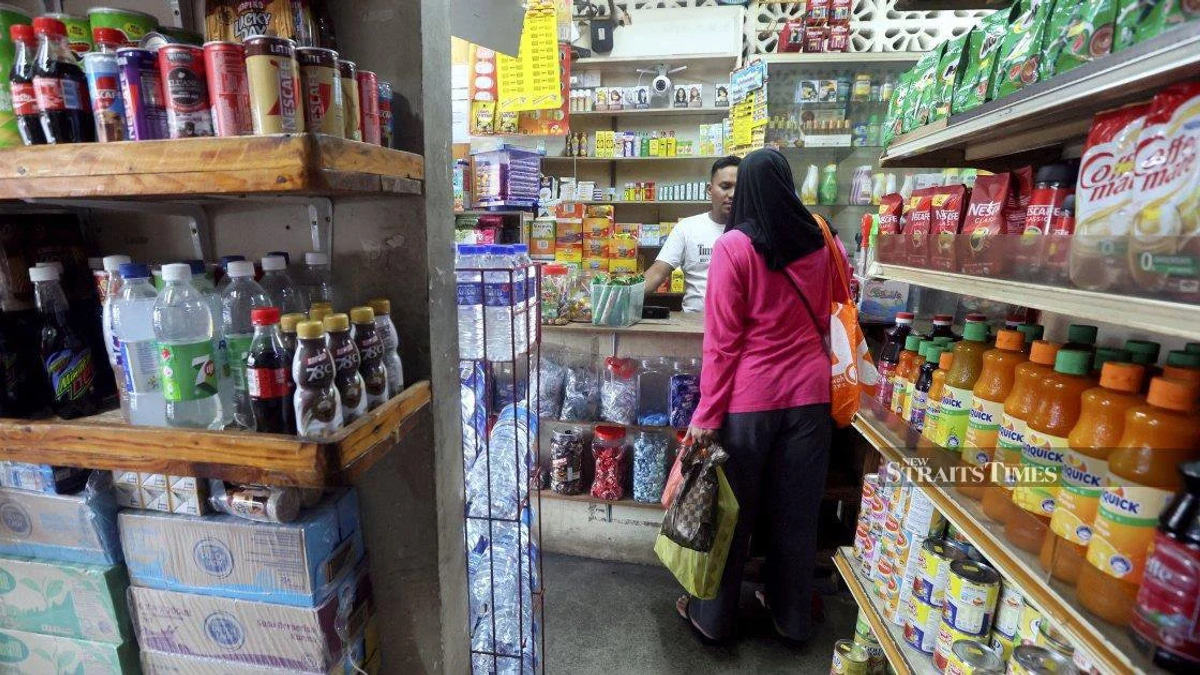
Malaysia's inflation appears contained in the near term, yet the economy remains structurally exposed to external commodity shocks and currency fluctuations that could destabilise prices.
%22%2F%3E%3C%2Fpattern%3E%3C%2Fdefs%3E%3Crect%20width%3D%22100%25%22%20height%3D%22100%25%22%20fill%3D%22url(%23ph3tt8dg)%22%2F%3E%3Crect%20width%3D%22100%25%22%20height%3D%22100%25%22%20fill%3D%22url(%23ph3tt8dp)%22%2F%3E%3Ctext%20x%3D%2250%25%22%20y%3D%2250%25%22%20text-anchor%3D%22middle%22%20dominant-baseline%3D%22central%22%20fill%3D%22rgba(255%2C255%2C255%2C0.95)%22%20font-family%3D%22Georgia%2C%20'Times%20New%20Roman'%2C%20serif%22%20font-weight%3D%22700%22%20font-size%3D%22226%22%20letter-spacing%3D%22-0.02em%22%3EDiesel%3C%2Ftext%3E%3C%2Fsvg%3E)
Malaysia will reduce subsidised diesel to RM2.10 per litre from July 2026, with eligibility verified through MyKad. The move aims to ease operating costs for traders, contractors, and small businesses nationwide.
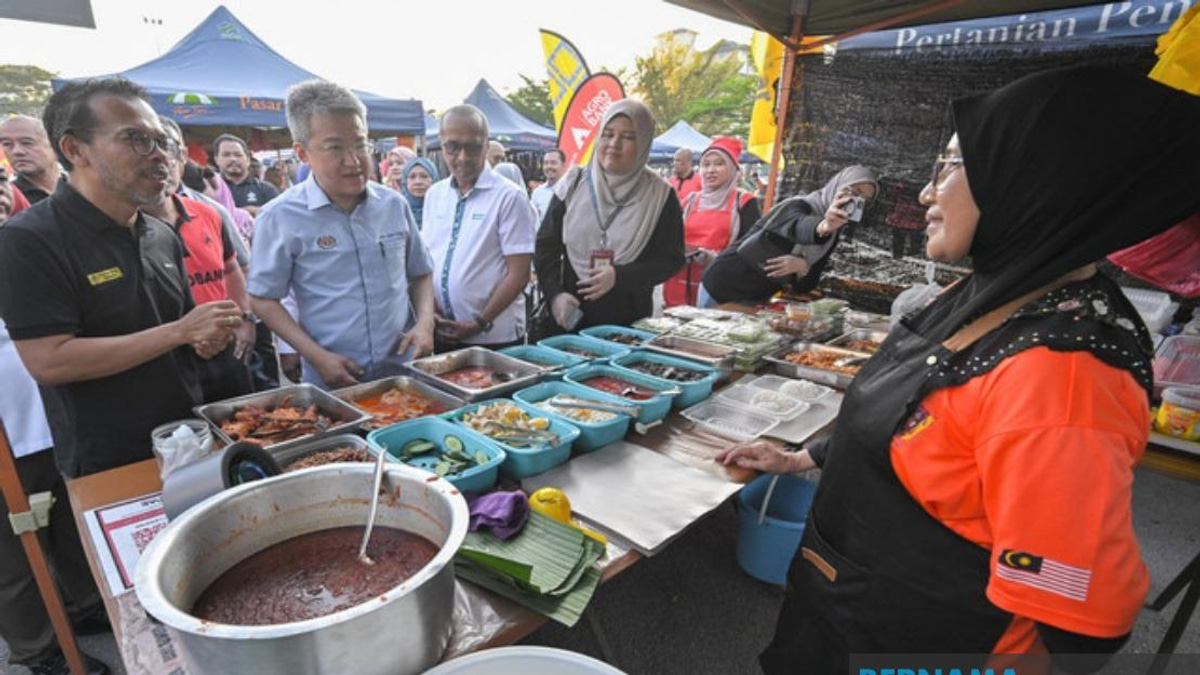
The Malaysian government has committed RM9.8 billion in microfinancing through six major institutions to help hawkers and small entrepreneurs access affordable credit. The initiative aims to ensure grassroots traders can grow their operations sustainably.
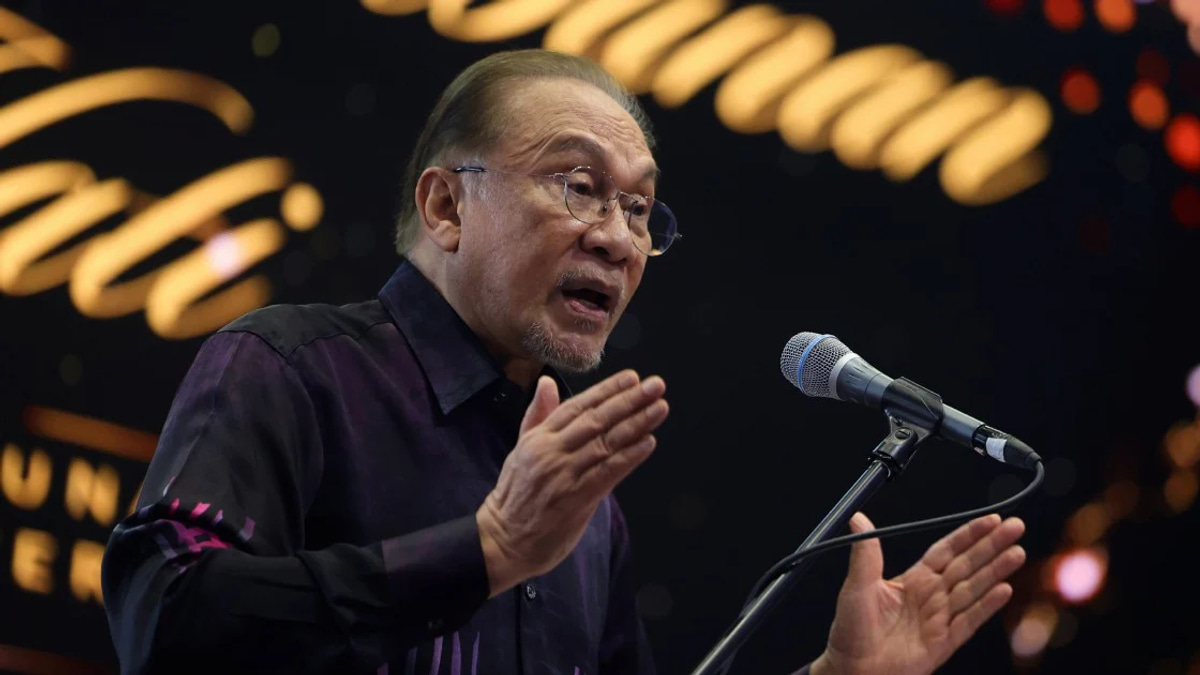
Prime Minister Anwar Ibrahim has unveiled Malaysia's strategic shift towards a technology-centric economy, emphasising semiconductors, artificial intelligence, and innovation as pillars of future growth.
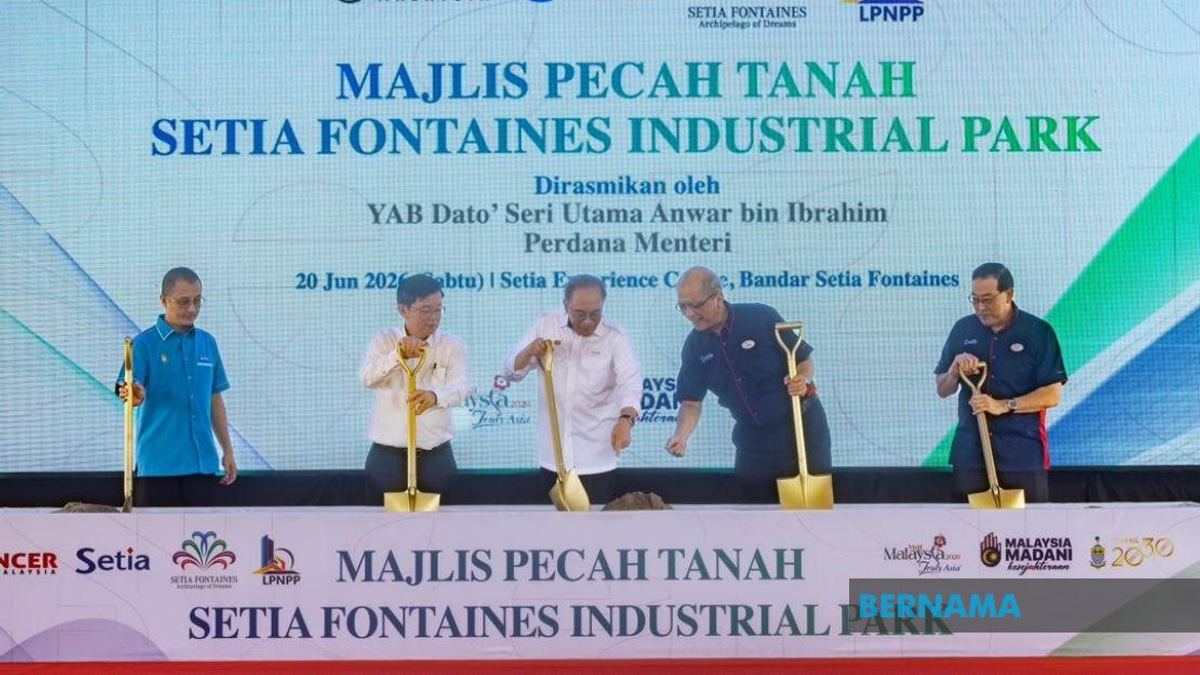
Prime Minister Anwar Ibrahim has urged government-linked entities and private companies to ensure their development projects benefit middle and lower-income communities, warning that unchecked growth risks widening wealth disparities.
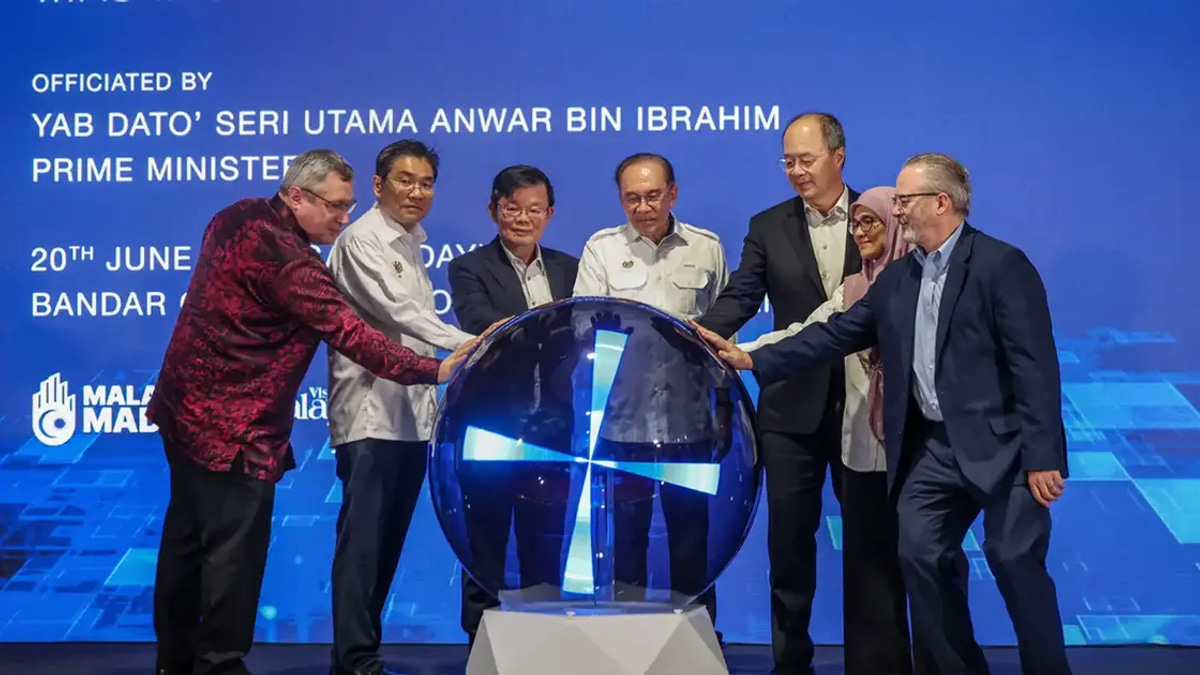
Prime Minister Anwar Ibrahim has appointed an adviser to bolster collaboration between Malaysia's semiconductor industry and academic institutions, ensuring the move incurs no extra government expenditure.
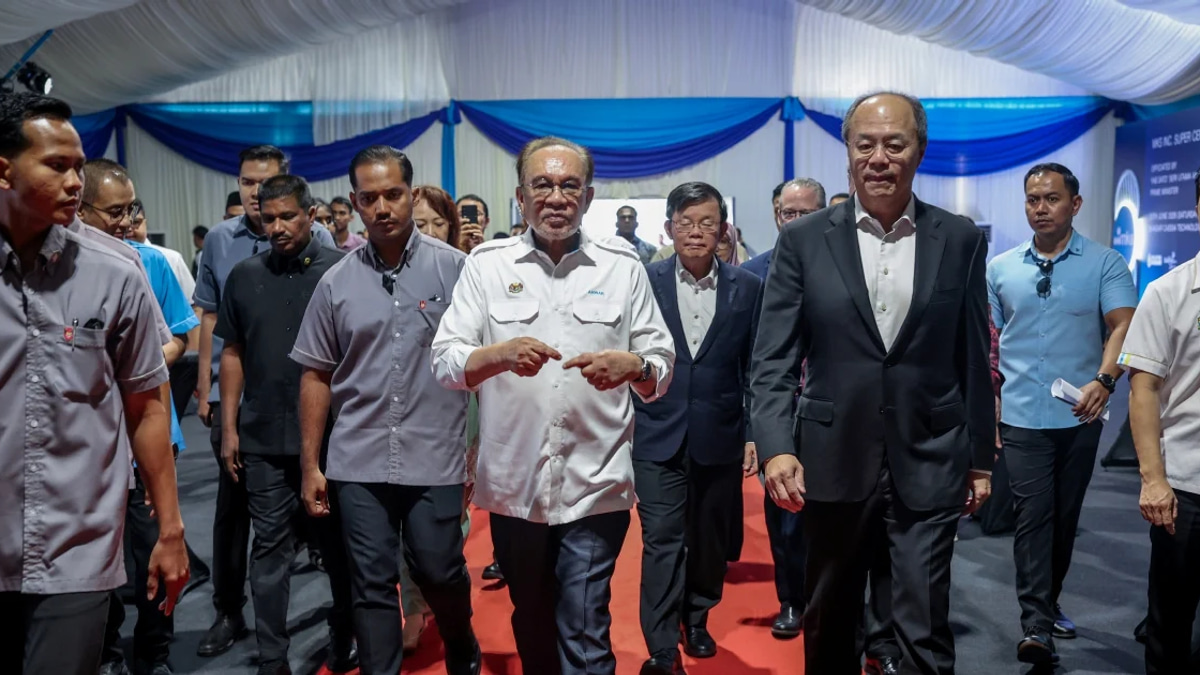
Prime Minister Anwar Ibrahim says Malaysia's balanced foreign policy—engaging all powers while maintaining neutrality—is strengthening investor confidence and propelling economic growth in the region.

Malaysia's decision to broadcast the 2026 FIFA World Cup free through RTM and Unifi TV is delivering tangible relief to food traders and households, with restaurant owners reporting significant savings on viewing rights.
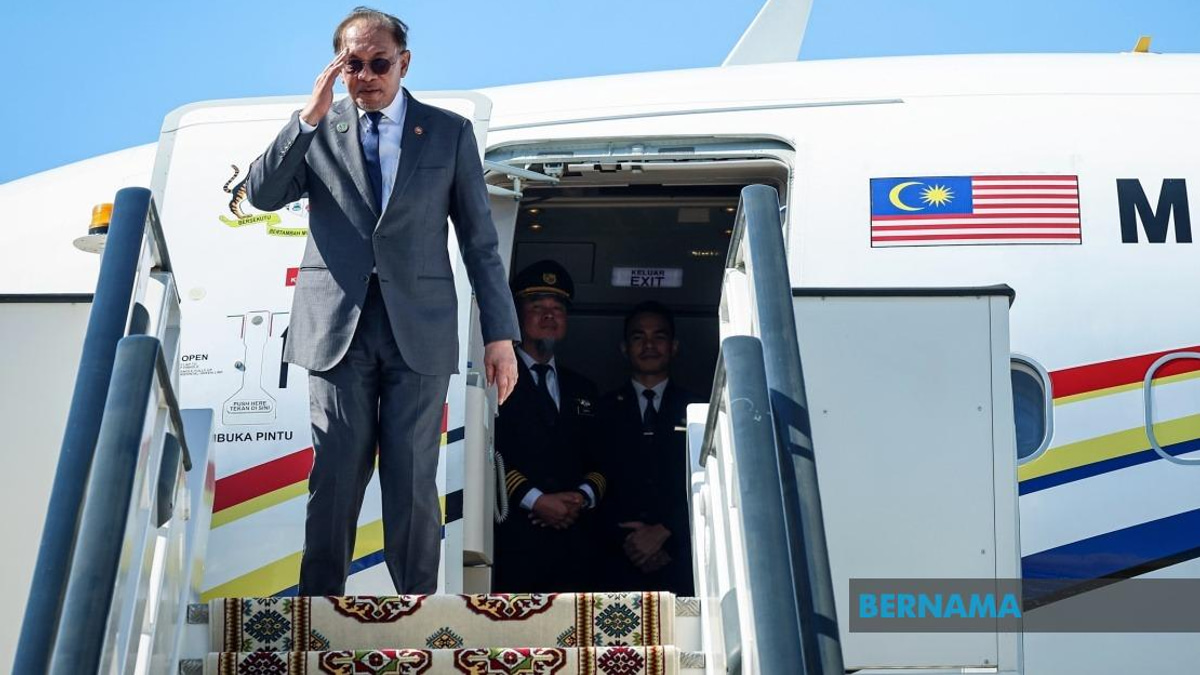
Prime Minister Anwar Ibrahim touched down in Penang on June 20 following his official Turkmenistan visit, undertaking a packed schedule that includes opening a technology facility, launching an industrial park, and presenting journalism awards at HAWANA 2026.
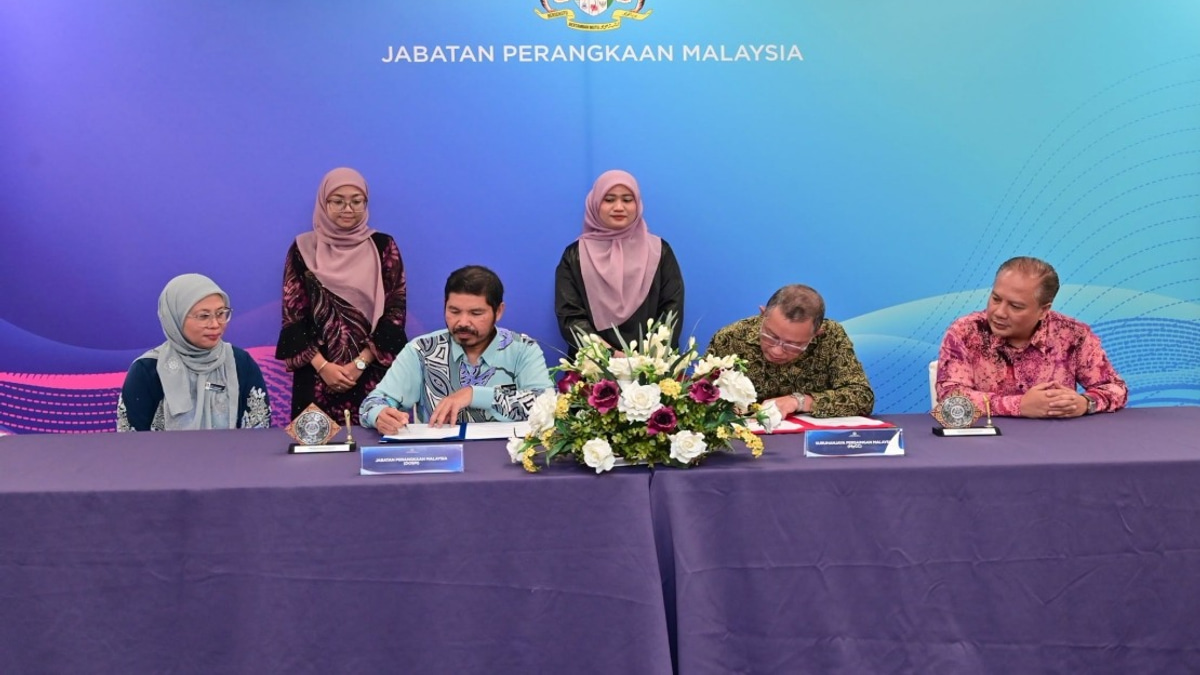
Malaysia's Competition Commission and Department of Statistics have signed a memorandum of understanding to collaborate on data sharing, economic analysis and human capital development to strengthen competition oversight across sectors.
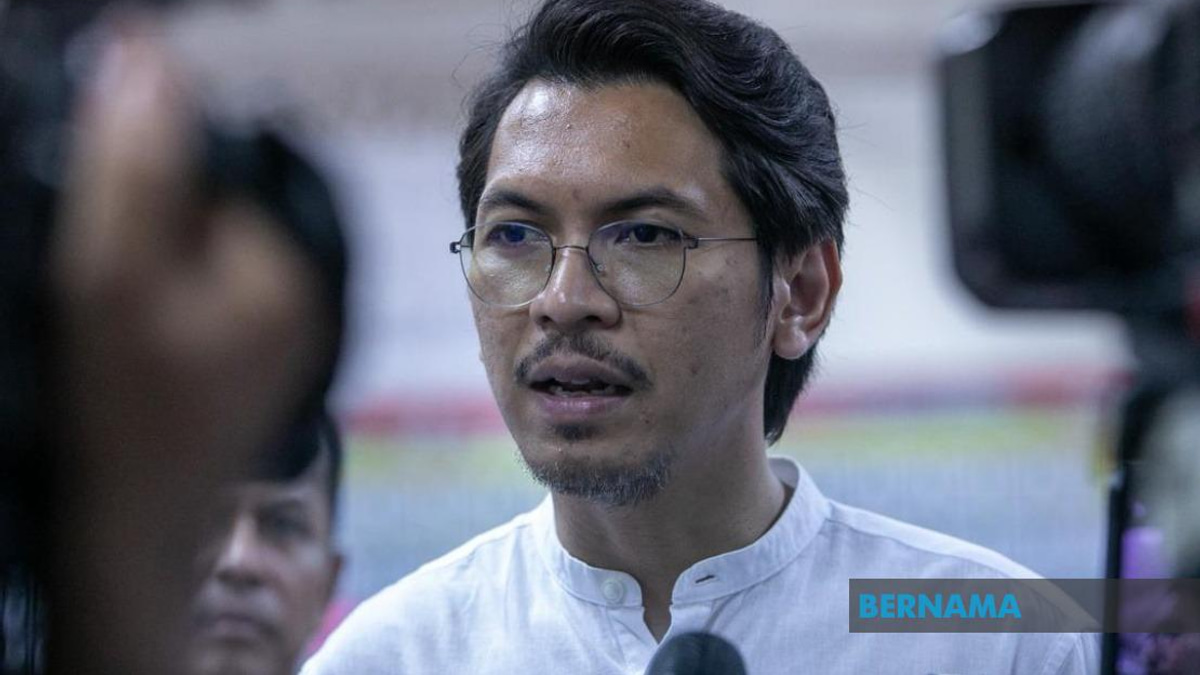
A memorandum of understanding between the United States and Iran could help stabilize global oil prices and reopen critical shipping routes, Malaysia's finance ministry indicated, though a full recovery in energy markets may require several more months.
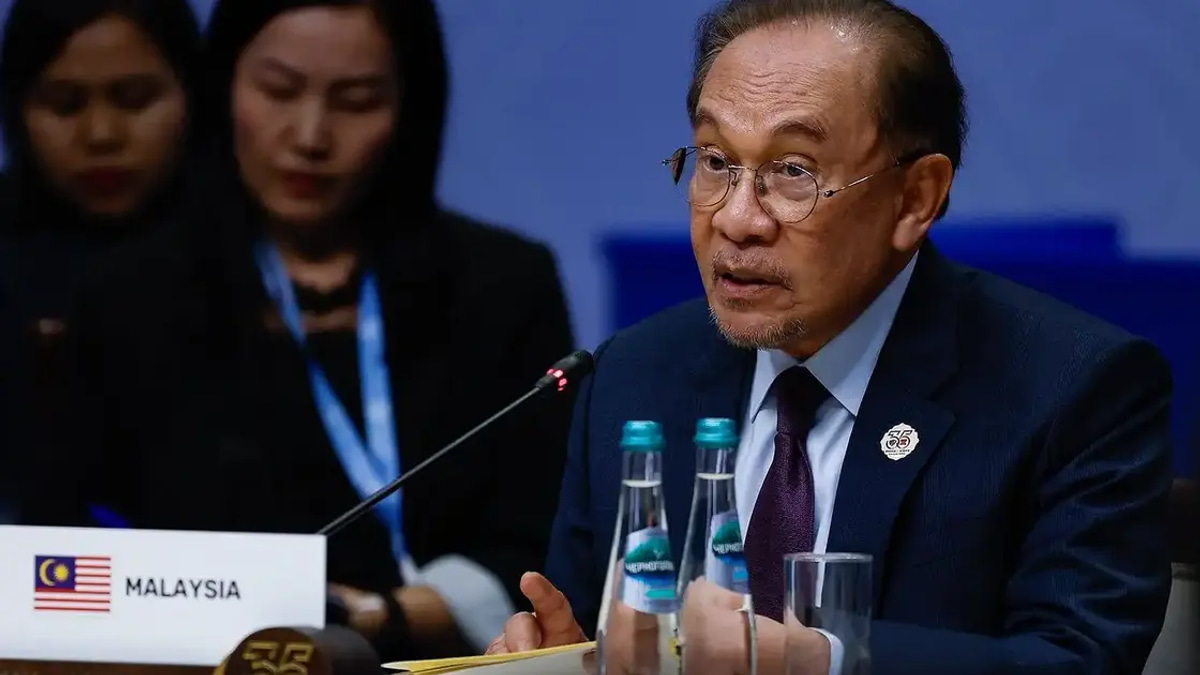
Prime Minister Anwar Ibrahim has signalled Malaysia's intent to pursue bilateral trade arrangements denominated in ringgit rather than foreign currencies, drawing on successful precedents established with China.
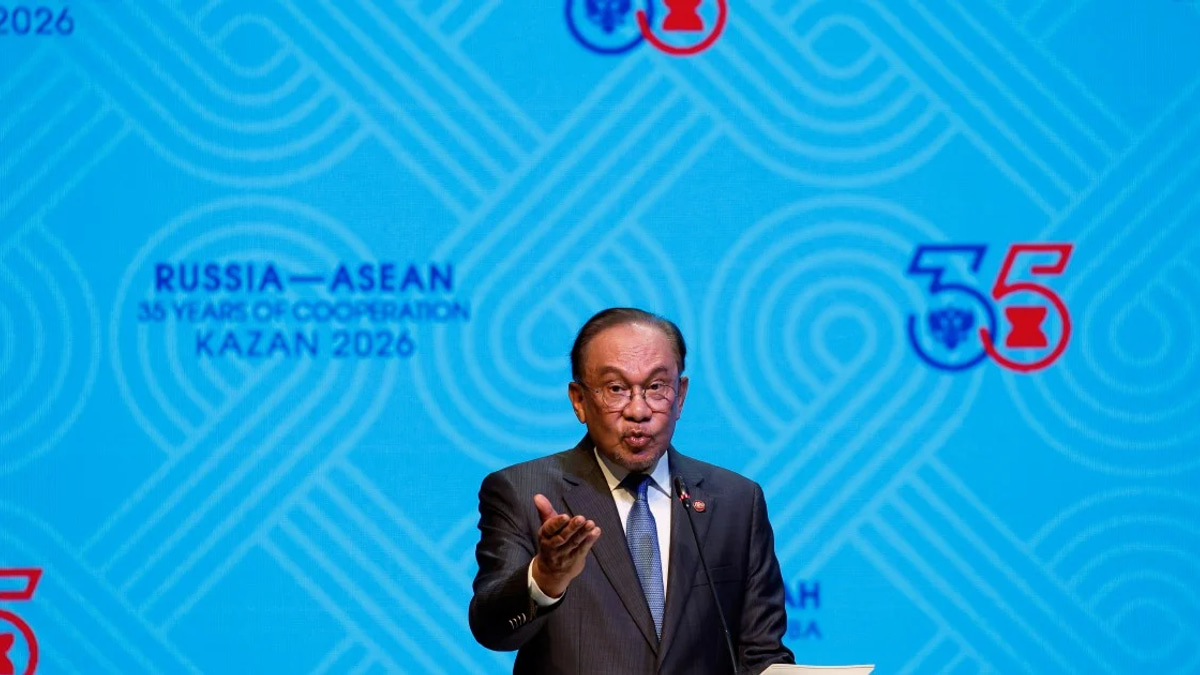
Prime Minister Anwar Ibrahim has welcomed the completion of the Asean-Russia Strategic Programme on Trade and Investment Cooperation 2026-2035, describing it as an important foundation for strengthening economic ties between the bloc and Moscow.
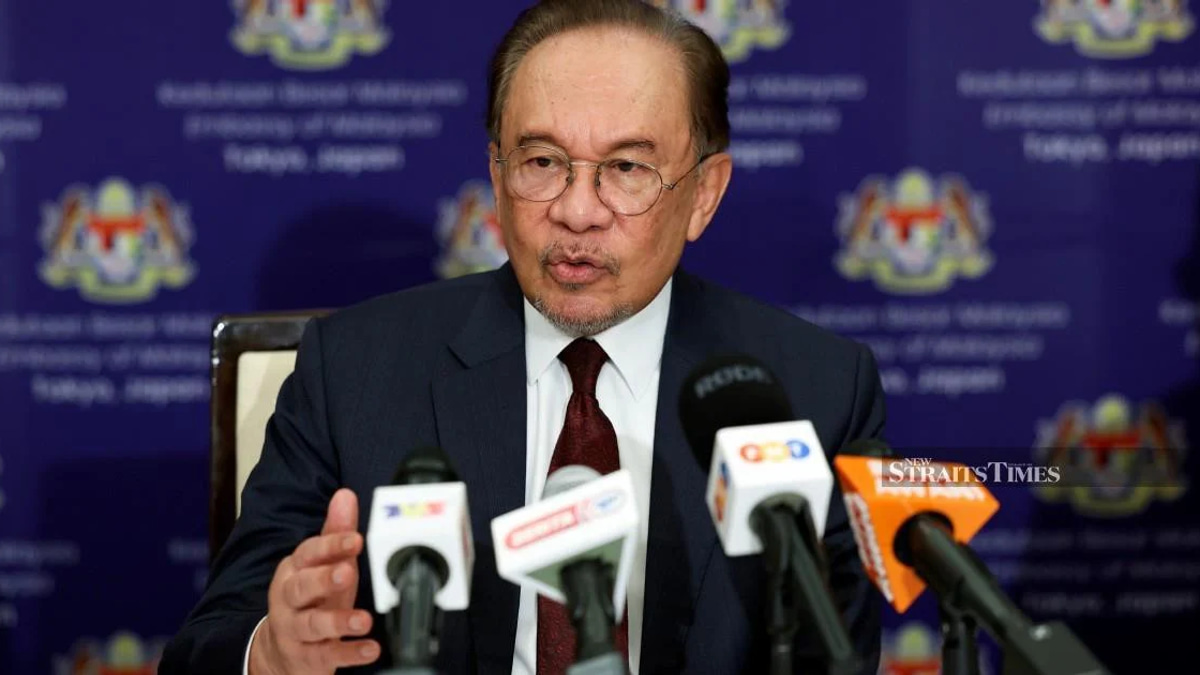
Malaysia's government-linked investment companies are ramping up capital allocation to Bumiputera-owned firms, with Prime Minister Anwar Ibrahim announcing commitments have jumped 54 per cent to RM2 billion this year.
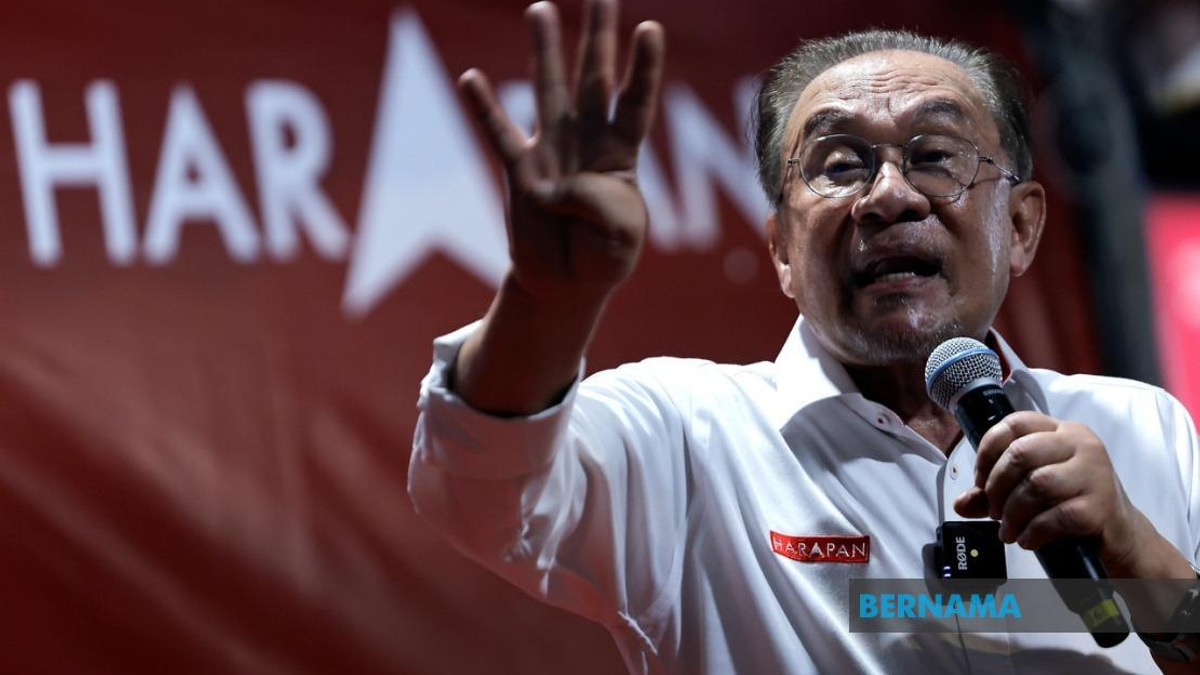
PERHEBAT and the National Entrepreneurship Institute are running an intensive three-month masterclass targeting 180 military veterans, with ambitions to develop millionaire entrepreneurs and strengthen Bumiputera business presence.
%22%2F%3E%3C%2Fpattern%3E%3C%2Fdefs%3E%3Crect%20width%3D%22100%25%22%20height%3D%22100%25%22%20fill%3D%22url(%23phn8c7g)%22%2F%3E%3Crect%20width%3D%22100%25%22%20height%3D%22100%25%22%20fill%3D%22url(%23phn8c7p)%22%2F%3E%3Ctext%20x%3D%2250%25%22%20y%3D%2250%25%22%20text-anchor%3D%22middle%22%20dominant-baseline%3D%22central%22%20fill%3D%22rgba(255%2C255%2C255%2C0.95)%22%20font-family%3D%22Georgia%2C%20'Times%20New%20Roman'%2C%20serif%22%20font-weight%3D%22700%22%20font-size%3D%22170%22%20letter-spacing%3D%22-0.02em%22%3EMalaysia%3C%2Ftext%3E%3C%2Fsvg%3E)
Prime Minister Datuk Seri Anwar Ibrahim has called on Malaysians to unite behind technological progress in AI and quantum computing, arguing that political squabbling distracts from national development.