Communications Minister Datuk Fahmi Fadzil has highlighted the positive reception to the government's decision to provide free broadcasts of the 2026 FIFA World Cup through Radio Televisyen Malaysia (RTM) and Unifi TV, citing substantial cost reductions for restaurant operators and the general public. Speaking in Butterworth, the minister underscored how this initiative addresses the growing financial pressures facing Malaysia's food and beverage sector, which has grappled with rising operational expenses in recent years.
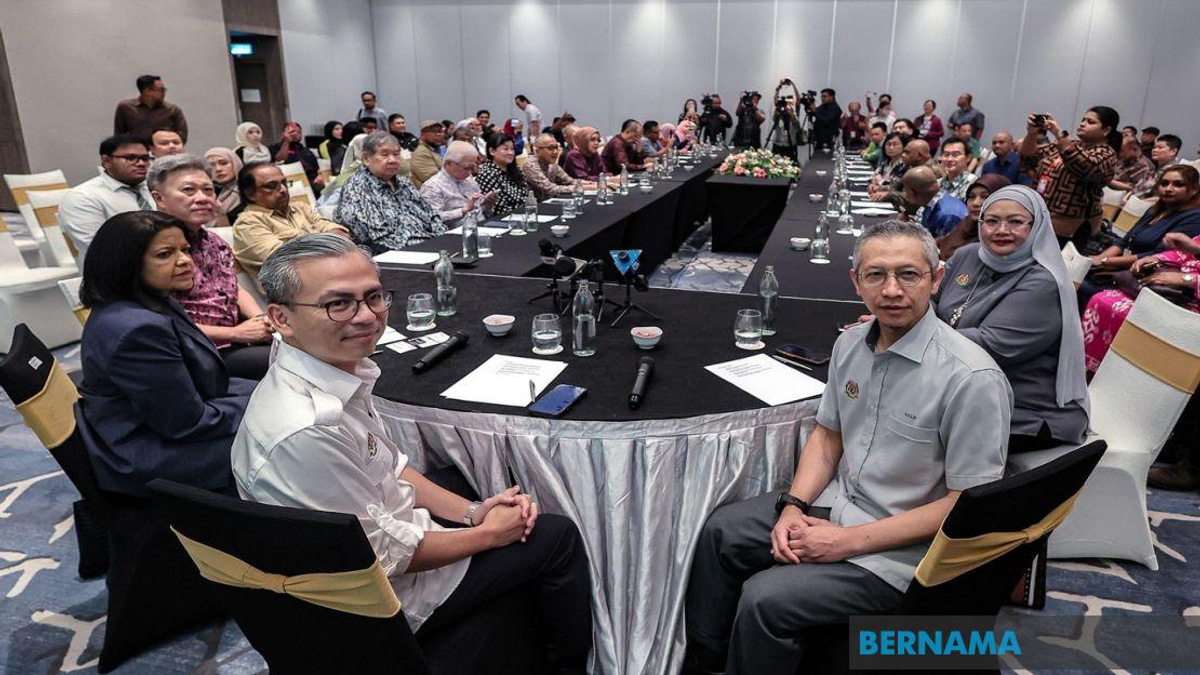
The Malaysian Muslim Restaurant Owners Association has particularly endorsed the free-to-air broadcasting arrangement, recognising it as a meaningful measure to relieve the financial strain on their members. One trader shared with Fahmi that this represents the first occasion in over twenty years that he has been able to access World Cup matches without incurring viewing fees, a testament to how prohibitively expensive broadcast rights have historically been for small business operators. This accessibility issue has long affected smaller establishments that lack the capital to purchase premium sports broadcasting packages, effectively excluding them from the commercial and social appeal of hosting major sporting events.
The availability of World Cup content through multiple platforms—RTM, its digital service RTMKlik, and Unifi TV—creates redundancy that benefits consumers across different income and technology access levels. This multi-channel approach represents a deliberate policy choice to democratise access to global sporting events, ensuring that viewing is not gatekept by wealth or location. For Malaysia, where substantial portions of the population work in modest retail and food service roles, such accessibility initiatives carry genuine economic significance beyond mere convenience. When traders can legally screen matches without incurring substantial licensing fees, they can redirect those savings toward staff wages, ingredient costs, or reinvestment in their establishments.
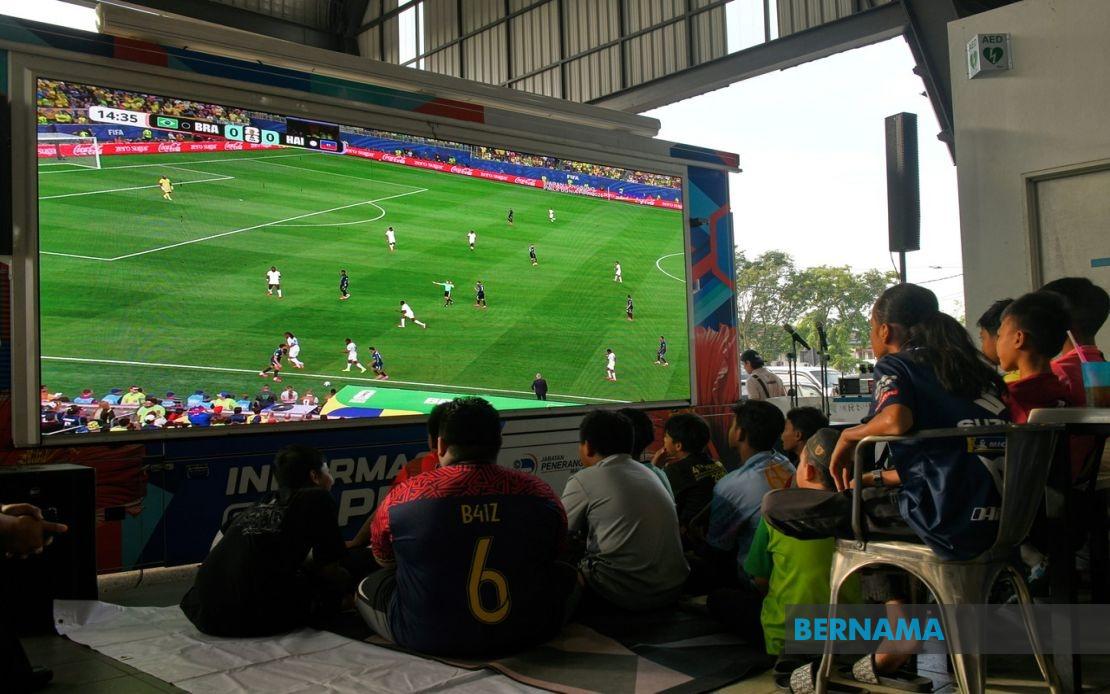
Fahmi's visit to Seberang Jaya Public Market served a dual purpose: observing public engagement with the World Cup broadcast initiative while simultaneously gathering ground-level feedback on trader conditions and economic challenges. By watching the Brazil versus Haiti match alongside market-goers and operators, the minister demonstrated direct engagement with constituents rather than relying solely on formal briefings. This methodology yielded practical insights into current business pressures affecting the food service sector, particularly the cascading cost increases that have resulted from regional instability in West Asia affecting commodity prices.
The connection between World Cup broadcasting access and broader economic pressures cannot be overlooked in the Malaysian context. Traders have faced mounting challenges from supply chain disruptions, currency fluctuations affecting import costs, and elevated energy expenses. The ability to attract customers through free, high-quality sporting entertainment represents one cost-effective marketing tool available to smaller establishments. During major tournaments, food courts and restaurants traditionally experience increased foot traffic as customers seek venues to watch matches communally—an experience that carries both cultural significance and genuine revenue implications for venue operators.
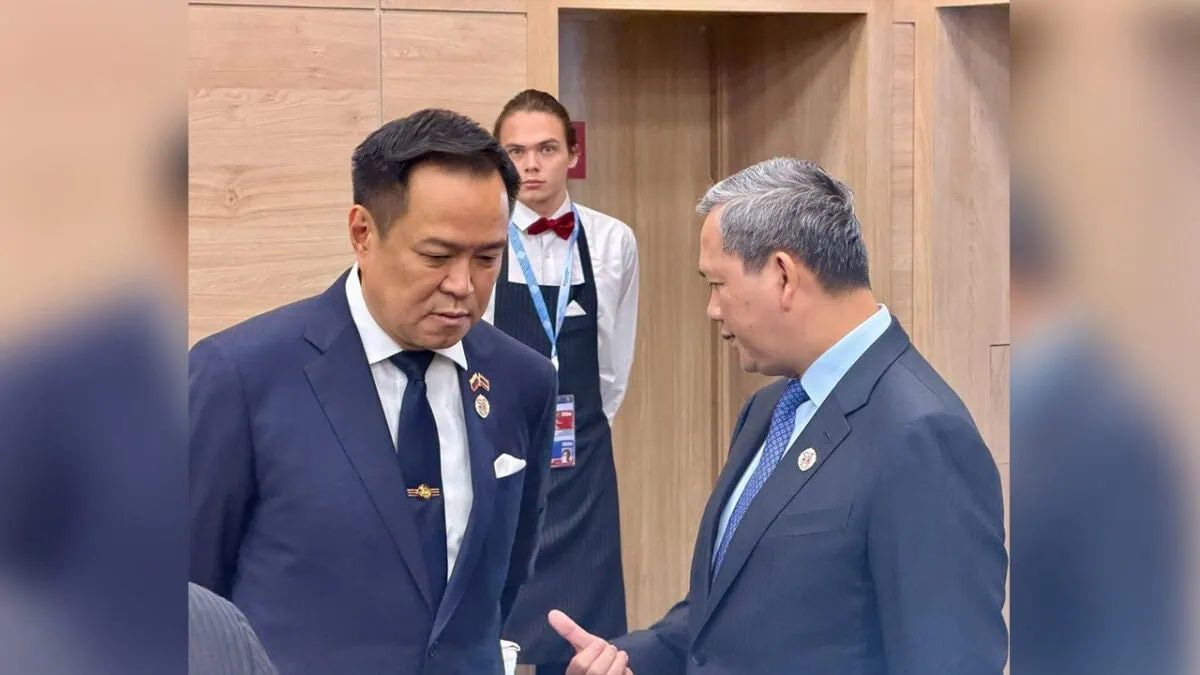
Fahmi's conversation with business owners revealed expectations for additional government support, particularly regarding the inflationary pressures stemming from international tensions. The minister indicated his intention to escalate these concerns to Prime Minister Datuk Seri Anwar Ibrahim and Penang Chief Minister Chow Kon Yeow, signalling that trader feedback gathered during such visits informs higher-level policy discussions. This linkage between grassroots economic observation and ministerial-level decision-making suggests that visible government presence in markets serves informational functions beyond public relations.
The minister's call for greater ministerial visibility at ground level reflects a broader recognition that understanding economic conditions requires direct observation rather than statistical abstraction. When elected officials interact with traders about rising costs, they gain contextual understanding of how inflation affects different business segments differently. Food service operators, for instance, face dual pressures as both consumers of expensive commodities and employers of wage-earning staff, creating compressed margin conditions that wholesale or manufacturing businesses might not experience identically.
World Cup broadcasts historically represent premium content that has driven consumer expenditure on cable television, satellite subscriptions, and restaurant patronage specifically to watch matches in communal settings. By shifting this content to free-to-air terrestrial and bundled digital platforms, the government effectively redistributes entertainment value from commercial gatekeepers to the broader public. For Malaysia's competitive food service landscape, this represents a meaningful business advantage, allowing establishments to compete for customers without bearing the substantial licensing costs that previously characterised major sporting events.
The regional and international dimensions of this policy choice merit consideration. Southeast Asian governments have increasingly recognised that major sporting events function as public goods with cultural and social dimensions beyond pure entertainment. By ensuring broad access to the 2026 World Cup, Malaysia positions itself within a pattern of public-interest broadcasting decisions that other regional democracies have implemented. This approach contrasts with purely commercial models where broadcast rights flow exclusively to premium-paying platforms, potentially excluding lower-income households from participation in globally significant sporting moments.
Looking forward, the sustainability and scalability of such initiatives depend on government commitment to maintaining free sports broadcasting beyond singular high-profile events. If the World Cup free-broadcast model proves administratively successful and politically popular, pressure may mount for extending similar accessibility to other major sporting competitions. The precedent established could influence future negotiations regarding Asian Cup football, Olympic Games rights, and other tournaments traditionally acquired by commercial broadcasters at rates unaffordable for public broadcasters.
The economic benefits flowing from this initiative distribute unevenly across Malaysia's geography and business landscape. Urban food courts, market food stalls, and established restaurants in population centres benefit most directly, while establishments in lower-density areas may experience less dramatic customer draw effects. Nevertheless, the principle of removing financial barriers to accessing global entertainment content resonates broadly with populist economic policy objectives, particularly when framed as supporting small traders and working-class households.