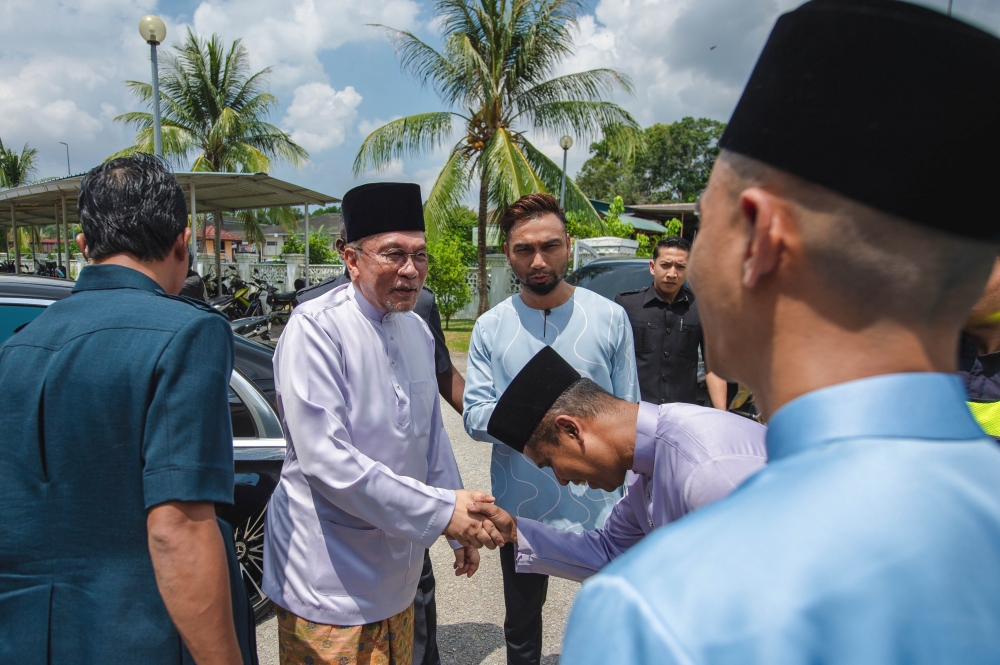
Prime Minister and Finance Minister Datuk Seri Anwar Ibrahim has struck a cautionary note about Malaysia's economic trajectory, acknowledging that while the country's second quarter gross domestic product expansion exceeded analyst expectations, this headline figure obscures a more sobering reality for many households and small business operators across the nation.
The government's awareness of continuing hardship among ordinary citizens and the MSME sector reflects a growing recognition that broad macroeconomic indicators do not always translate into improved living standards at the grassroots level. Anwar's comments underscore a tension that policymakers increasingly grapple with: how to explain positive national statistics to populations who experience economic stress in their daily transactions, wage negotiations, and business operations. This gap between aggregate data and individual experience has become a central challenge for governments navigating post-pandemic recovery.
The second quarter performance, which surpassed initial forecasts, demonstrates Malaysia's underlying economic resilience and the effectiveness of certain policy interventions. However, the Prime Minister's measured response suggests the administration understands that celebrating growth figures alone risks appearing disconnected from voter concerns. For Malaysian policymakers, this balancing act is particularly delicate given that the country faces ongoing inflation pressures, elevated living costs, and structural challenges within the MSME ecosystem that employ millions of Malaysians.
Small and medium enterprises form the backbone of Malaysia's employment structure, accounting for a substantial portion of the workforce and contributing significantly to gross domestic product. Yet these businesses have proven disproportionately vulnerable to economic shocks, supply chain disruptions, and rising operational costs. Unlike larger corporations with access to diverse funding sources and economies of scale, MSMEs often operate with tighter margins and less financial flexibility, making them acutely sensitive to interest rate changes and input price fluctuations. The government's acknowledgment of their ongoing struggles suggests targeted support mechanisms may be necessary to ensure broad-based economic participation.
For Malaysian households, the period following the pandemic has brought competing pressures. While employment levels have generally recovered, wage growth in many sectors has lagged inflation, creating a real income squeeze. Transportation costs, food prices, utilities, and housing expenses have consumed larger portions of household budgets, particularly for middle and lower-income families. This dynamic explains why strong GDP growth may coincide with genuine hardship at the household level, a phenomenon sometimes called "growth without prosperity."
Anwar's framing of the government as "mindful" of these struggles serves a dual purpose: it acknowledges public concerns while implicitly promising continued policy attention. This positioning becomes particularly important as the administration navigates fiscal trade-offs between infrastructure investment, social support programmes, and debt management. The Prime Minister's comments may also signal preparation for potential policy adjustments or targeted interventions designed to address MSME difficulties and household economic pressures.
Regional context adds another dimension to Malaysia's economic narrative. Across Southeast Asia, economies have experienced similar divergences between headline growth and household welfare improvements. Countries including Thailand, the Philippines, and Indonesia have reported solid GDP performance while grappling with inflation and inequality challenges. Malaysia's willingness to publicly acknowledge this gap positions it somewhat differently from regional peers, potentially reflecting either greater transparency or a deliberate political messaging strategy.
The structure of Malaysia's economy also shapes how growth distributes unevenly across sectors and regions. Service industries and digital sectors have captured much of the growth momentum, while traditional manufacturing and agriculture have faced more headwinds. This sectoral imbalance means that geographic regions heavily dependent on struggling industries experience less tangible benefit from national growth figures. Small towns and rural areas particularly feel the disconnect between optimistic national statistics and local economic reality.
Looking forward, the government faces pressure to translate growth into inclusive prosperity. This requires policies that simultaneously support MSME expansion through credit access, technology adoption, and skills development while protecting household purchasing power through targeted subsidies or wage support mechanisms. The challenge intensifies when these objectives compete for limited fiscal space, particularly given Malaysia's debt sustainability concerns.
Anwar's acknowledgment of ongoing hardship also reflects lessons learned from previous economic cycles where growth without inclusive development generated social tensions and political dissatisfaction. For policymakers, the Q2 performance provides a window to implement support measures while growth remains positive, potentially forestalling more severe economic difficulties later. The government's messaging suggests awareness that sustained political support depends on translating macroeconomic gains into tangible improvements in ordinary Malaysians' lives, not merely reporting favourable statistics.

