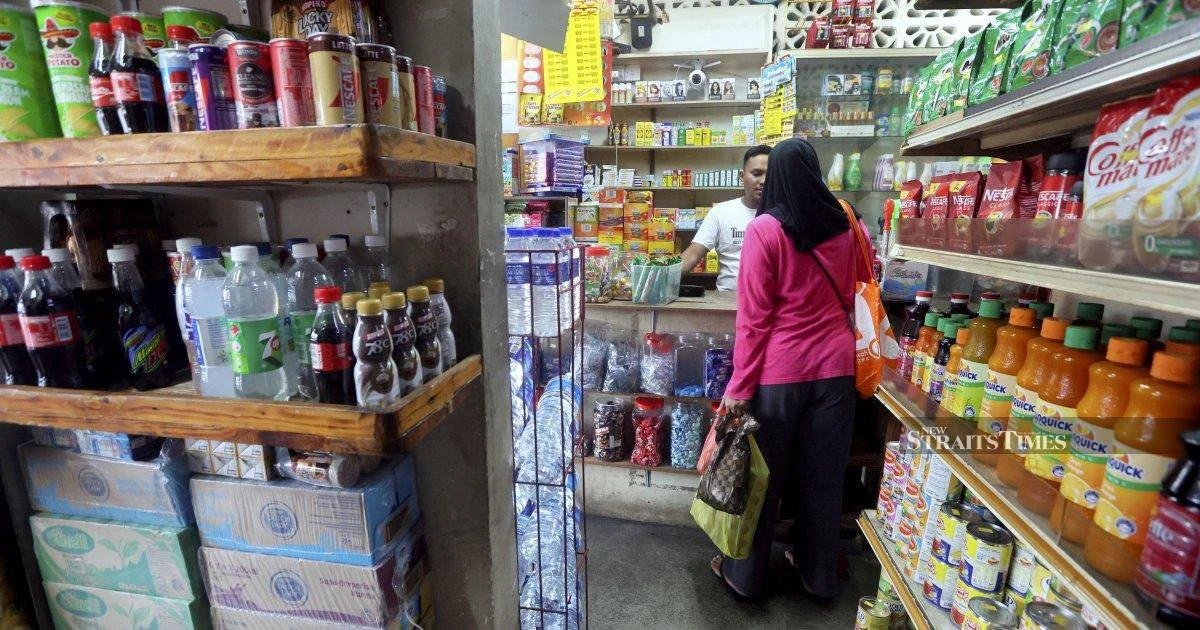
Malaysia's inflation trajectory appears broadly anchored in the immediate months ahead, yet the nation's price stability masks a more complex vulnerability to forces beyond its control. While the near-term outlook for imported inflation remains measured, the country's structural dependence on commodity imports and exposure to foreign exchange swings creates persistent downside risks to price stability. This dual dynamic—current calm paired with latent fragility—defines the challenge facing Bank Negara Malaysia as it navigates the fine line between supporting growth and maintaining price discipline.
The resilience of Malaysia's inflation in recent quarters reflects several stabilising factors. Domestic demand growth remains moderate, limiting pressure on prices from within the economy. Supply chains have gradually normalised following pandemic disruptions, easing some cost pressures on importers. Additionally, the Malaysian ringgit's relative stability against major currencies has helped contain the pass-through effects of global price movements into domestic costs. These factors have combined to keep inflation within reasonable bounds, providing policymakers with some breathing room as they assess the appropriate stance for monetary policy.
However, this apparent calm conceals deeper structural weaknesses. Malaysia imports significant volumes of energy, food, and raw materials essential to manufacturing and consumption. When global commodity prices spike—whether through geopolitical tension, supply disruptions, or demand surges—Malaysian consumers and businesses feel the impact swiftly. The energy sector, which feeds into electricity costs, petrochemical production, and transport expenses, remains particularly sensitive. A sustained rise in crude oil or liquefied natural gas prices would reverberate across the entire economy, making inflation targets harder to defend without difficult policy trade-offs.
The ringgit's behaviour adds another layer of complexity. Malaysia's currency, like other emerging market currencies, faces periodic pressure from capital flows responding to global interest rate differentials and risk appetite. A sharp depreciation would make imported goods costlier, automatically pushing inflation higher regardless of domestic conditions. Conversely, rapid appreciation could benefit consumers but might hurt exporters and manufacturers reliant on imported components. This volatility remains difficult to forecast and even harder to control through conventional policy tools, forcing the central bank to remain vigilant.
For Malaysian businesses, the current stability is welcome but deceptive. Export-oriented manufacturers—a cornerstone of the economy—must contend with volatile input costs and uncertain exchange rates when pricing contracts denominated in foreign currencies. Small and medium enterprises, which lack the hedging sophistication of larger corporations, face particular pressure. Should external shocks materialise, these firms would struggle to absorb higher costs without raising prices or cutting margins, potentially spurring a broader inflation acceleration.
Regionally, Malaysia's inflation dynamics mirror those of neighbouring economies. Thailand, Indonesia, and the Philippines all grapple with similar vulnerabilities to commodity imports and currency volatility. The region's collective dependence on global energy and food markets means that any significant disruption would affect multiple economies simultaneously, complicating coordination efforts and limiting the effectiveness of any single country's policy response. This interconnectedness underscores why regional policymakers watch global commodity and currency markets with such intensity.
Looking forward, the balance of risks tilts toward inflation-vulnerable scenarios rather than sustained disinflation. Geopolitical tensions in the Middle East threaten oil supply routes. Climate-related shocks could disrupt agricultural output and push food prices higher. A major shift in global monetary policy, perhaps driven by renewed inflation concerns elsewhere, could weaken emerging market currencies wholesale. Any of these developments would test Malaysia's ability to manage prices while maintaining economic growth.
Bank Negara Malaysia faces a genuine policy bind. Keeping interest rates accommodative supports employment and investment, but sacrifices some guard against imported inflation surprises. Tightening prematurely risks choking off growth unnecessarily if external pressures fail to materialise. The central bank must therefore calibrate its approach based not just on current inflation readings but on probabilistic assessments of future external shocks—a task that requires constant reassessment as global conditions evolve.
For investors and business planners, the current environment demands a nuanced reading. The stable near-term inflation picture should not breed complacency about medium-term risks. Companies with significant imported-input exposure should consider hedging strategies or supply-chain diversification. Those with pricing power should resist the temptation to let margins expand too aggressively, as a sudden inflation spike would force painful corrections. Policymakers, meanwhile, should use this period of relative calm to strengthen structural resilience—enhancing renewable energy capacity, diversifying food sources, and building foreign exchange reserves that provide buffers against currency shocks.
Ultimately, Malaysia's inflation outlook remains hostage to external forces. The near-term steadiness is genuine and encouraging, but it rests on foundations that could shift suddenly if global conditions deteriorate. The challenge ahead lies not in managing the inflation problem Malaysia faces today, but in preparing adequately for the inflation problem that could emerge tomorrow.

%22%2F%3E%3C%2Fpattern%3E%3C%2Fdefs%3E%3Crect%20width%3D%22100%25%22%20height%3D%22100%25%22%20fill%3D%22url(%23ph6m3xg)%22%2F%3E%3Crect%20width%3D%22100%25%22%20height%3D%22100%25%22%20fill%3D%22url(%23ph6m3xp)%22%2F%3E%3Ctext%20x%3D%2250%25%22%20y%3D%2250%25%22%20text-anchor%3D%22middle%22%20dominant-baseline%3D%22central%22%20fill%3D%22rgba(255%2C255%2C255%2C0.95)%22%20font-family%3D%22Georgia%2C%20'Times%20New%20Roman'%2C%20serif%22%20font-weight%3D%22700%22%20font-size%3D%22320%22%20letter-spacing%3D%22-0.02em%22%3E32%3C%2Ftext%3E%3C%2Fsvg%3E)