The Malaysian government has reaffirmed its commitment to preserving all welfare assistance for citizens, even as it grapples with an anticipated RM40 billion burden from petroleum product subsidies driven by Middle Eastern geopolitical tensions. Deputy Finance Minister Liew Chin Tong made this assurance during parliamentary proceedings, signalling that Kuala Lumpur will not pare back existing relief schemes to offset the mounting fuel support costs.
The government's resolve to maintain assistance programmes—including Sumbangan Tunai Rahmah (STR) and Sumbangan Asas Rahmah (SARA)—reflects a deliberate policy choice to shield the population from global commodity price shocks. This commitment comes at a time when international oil price volatility, particularly during the acute crisis period in West Asia during March and April, posed significant risks to household budgets across Malaysia. The decision underscores how Southeast Asian nations must balance fiscal sustainability with social protection during external economic disruptions.
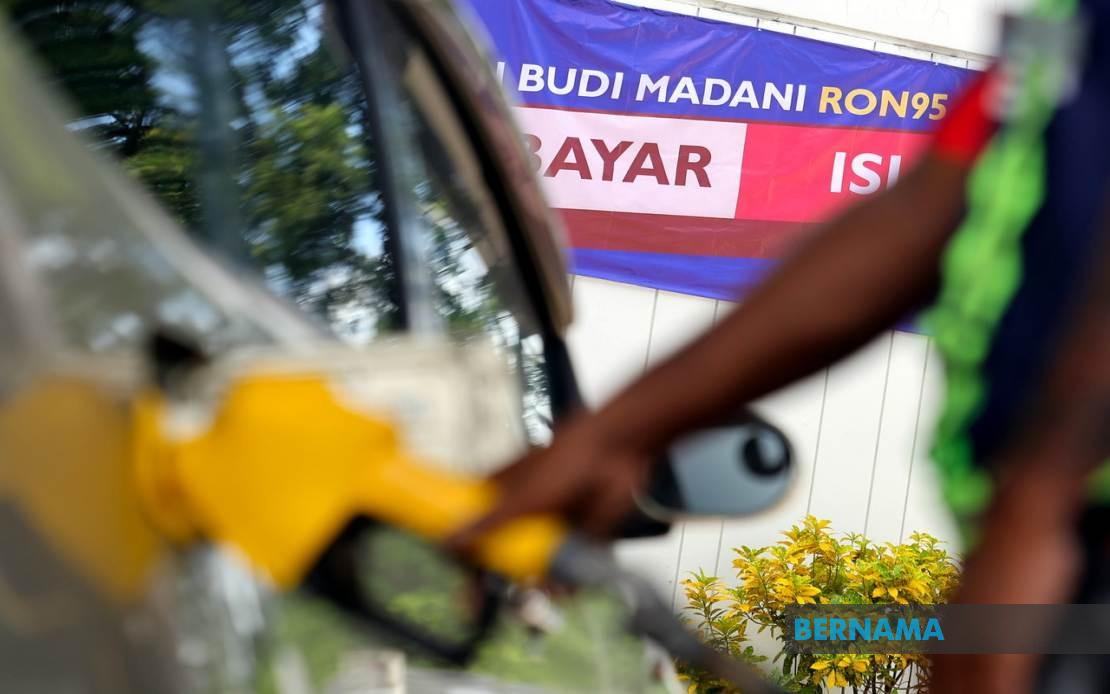
A cornerstone of this strategy is the BUDI MADANI RON95 (BUDI95) programme, implemented since September of the previous year. This fuel pricing mechanism operates through a fixed-price subsidy coupled with consumption quotas, creating a dual shield that insulates consumers from international market gyrations. The mechanism has proven particularly valuable during periods of acute price spikes, when global benchmarks for crude oil reached levels far exceeding what Malaysian consumers pay at the pump.
The arithmetic of this protection is stark. During the height of West Asian tensions, crude oil prices spiralled to approximately RM5 per litre in global markets. Yet Malaysian motorists continued purchasing fuel at RM1.99 per litre, a fraction of the actual cost. This represents a subsidy burden of roughly RM3 per litre during peak crisis periods, magnified across millions of daily transactions nationwide. The government absorbed this differential without passing it to consumers, a policy choice that safeguards purchasing power across the economy but creates substantial fiscal strain.
Liew elaborated on the dual benefits embedded within the BUDI95 framework during his parliamentary response. The first dimension involves price stability—consumers enjoy certainty about fuel costs regardless of global market movements, allowing households and businesses to budget more predictably. The second dimension addresses supply security; Malaysia's domestic petroleum refining capacity and strategic reserves ensure consistent availability, preventing the supply disruptions that plague other nations. This combination of stable pricing and guaranteed supply represents what Liew characterised as a distinctive advantage for Malaysian consumers compared to regional peers.
The government's stance reflects deeper economic priorities beyond immediate subsidy management. By maintaining cash transfer schemes and educational support alongside fuel subsidies, policymakers signal a commitment to preventing poverty deepening during external shocks. For lower-income households, the cumulative effect of STR payments, SARA assistance, and school support represents a crucial income buffer. Simultaneously, the BUDI95 programme protects purchasing power by preventing fuel price spikes from cascading into general inflation.
The fiscal implications warrant scrutiny. An RM40 billion annual petroleum subsidy commitment represents approximately 3-4 percent of federal government revenues, a substantial allocation that constrains resources available for infrastructure investment, healthcare expansion, or education improvements. Yet Malaysian policymakers have judged that maintaining this commitment is essential for social cohesion and macroeconomic stability. This reflects a different developmental philosophy than some regional economies that have gradually liberalised fuel pricing.
For Malaysian households, the policy means continued protection from the external price shocks that periodically roil commodity-dependent economies. A motorist in Kuala Lumpur, a factory worker in Penang, or a farmer in Johor all benefit from predictable fuel costs that do not fluctuate with Middle Eastern tensions or global supply disruptions. This stability has measurable economic value, reducing uncertainty that might otherwise depress consumption or investment.
The West Asia conflict's broader economic implications extend beyond petroleum prices. When Middle Eastern tensions spike, shipping insurance premiums rise, supply chains face disruption risks, and global growth forecasts dim. By maintaining domestic fuel subsidies, Malaysia reduces the transmission of these external shocks into the domestic economy. This insulating effect becomes increasingly valuable as the region faces repeated geopolitical disturbances.
Parliamentary scrutiny surrounding the subsidy decision highlighted legitimate concerns about fiscal sustainability. Supplementary questions from lawmakers probed whether maintaining all assistance programmes simultaneously was financially prudent given the massive petroleum subsidy bill. The Deputy Finance Minister's response—that the government remains committed to all schemes—suggests confidence in revenue sources and expenditure management, though this assertion invites closer examination of the government's medium-term fiscal trajectory.
For Malaysian policymakers, the challenge involves sustaining this multipronged approach without sacrificing other development priorities. The RM40 billion petroleum subsidy, while protecting consumers, represents resources not available for other investments. Yet abruptly withdrawing subsidies risks severe political backlash and distributional harm to vulnerable populations. This explains the government's measured approach: maintaining existing assistance while hoping global oil prices moderate, thereby reducing the subsidy burden organically.
Regionally, Malaysia's approach contrasts with some neighbours that have pursued more aggressive fuel price liberalisation. Indonesia and Thailand have gradually reduced subsidies, shifting more costs to consumers while expanding targeted cash assistance. Malaysia's continued reliance on universal fuel price capping represents a different trade-off, one that privileges broad-based consumer protection over fiscal consolidation. Whether this strategy proves sustainable depends on international commodity price movements and the government's ability to maintain fiscal discipline across other spending categories.
The government's commitment reflects acknowledgment that fuel is not merely a commodity but an essential input affecting transportation, food production, and manufacturing competitiveness. By stabilising fuel prices, Malaysia seeks to stabilise broader economic conditions and protect the competitiveness of its export sectors. This logic has sustained petroleum subsidies across multiple Malaysian administrations, suggesting enduring political economy consensus around their necessity.

