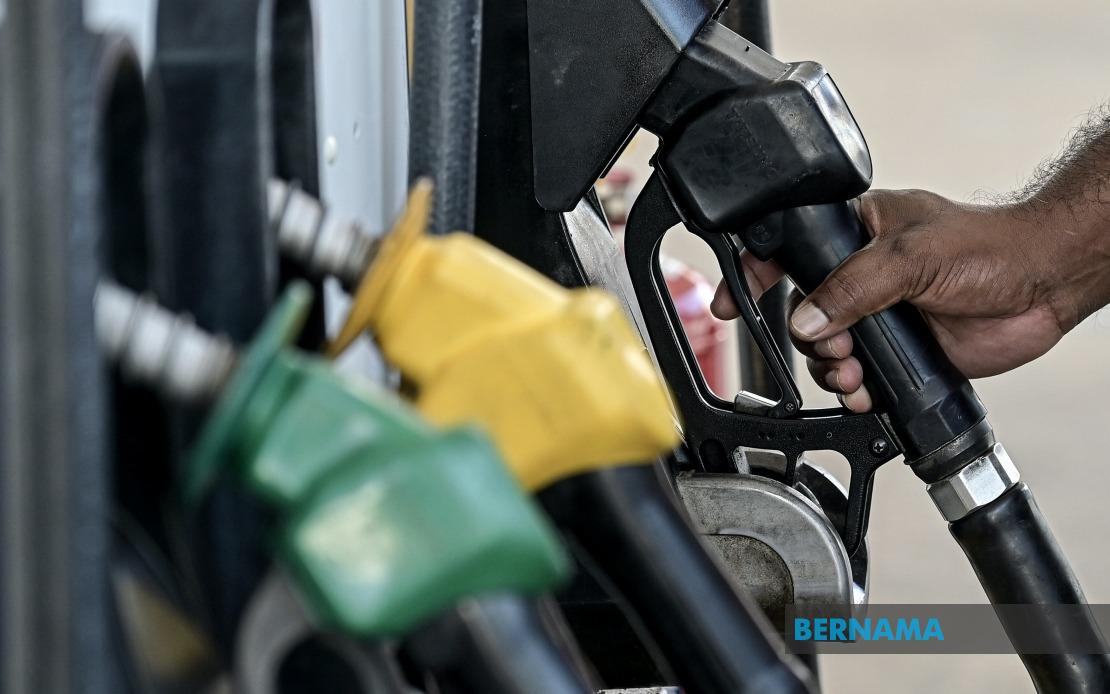
The Malaysian government has rolled out a substantially expanded fuel subsidy programme targeting roughly 700,000 private diesel vehicle owners nationwide, marking a significant shift in how the country manages fuel assistance. Beginning July 1, eligible motorists will purchase diesel at RM2.10 per litre under the BUDI MADANI Diesel initiative, a successor to the more limited BUDI Diesel Individu scheme that previously supported only 180,000 households in Peninsular Malaysia with monthly cash transfers.
The geographical scope of the new programme demonstrates a more inclusive policy approach. The Ministry of Finance disclosed that approximately 400,000 private diesel vehicle owners in Peninsular Malaysia qualify for the subsidised rate, whilst a further 300,000 eligible motorists spread across Sabah, Sarawak, and the Federal Territory of Labuan gain access to the same pricing structure. This represents a more than threefold expansion of the beneficiary base compared to its predecessor, reflecting government efforts to broaden the safety net against volatile fuel costs affecting household budgets across diverse regions.
Commercial operators have not been overlooked in the restructured subsidy framework. Some 70,000 commercial and goods transport vehicles operating in the eastern Malaysian states and federal territory now qualify to purchase diesel at RM2.15 per litre through the Subsidised Diesel Control System, a slightly higher rate that reflects the commercial nature of their fuel consumption. The government has additionally extended eligibility criteria to encompass company-registered private pickup trucks and jeeps, subject to compliance with specified conditions, broadening the definition of eligible vehicles beyond conventional passenger cars.
The pilot phase in Peninsular Malaysia, which commenced on June 27, provides encouraging signals about implementation feasibility. Within the opening three days leading up to the national launch, approximately 80,000 transactions were processed by noon on June 30, involving roughly 3.2 million litres of fuel valued at nearly RM7 million at the provisional rate of RM2.15 per litre. The rollout's smooth operational performance, featuring integrated MyKad verification systems at retail fuel stations with no reported significant glitches from either consumers or petroleum retailers, suggests the technical infrastructure can handle nationwide scaling.
A significant component of the expanded scheme involves facilitating access for household members beyond the registered vehicle owner. The government has introduced a transfer mechanism permitting initial beneficiaries to redirect their subsidy eligibility to a spouse, parent, offspring, or sibling, contingent upon meeting official verification standards. This innovation acknowledges the reality that many vehicles, particularly within families, are driven by individuals not listed as legal owners on registration documents. By June 30, the ministry had processed nearly 1,000 such transfer applications, permitting approved recipients to utilise their own MyKad identification to access subsidised diesel under the original owner's allocated monthly quota.
Complementing the fuel pricing intervention, the government has introduced temporary relief measures addressing vehicle ownership barriers. A three-month waiver on transfer fees, capped at RM100 and effective from July 1, reduces administrative costs for individuals seeking to register vehicles previously held under relatives' names. This addresses a practical obstacle that prevented some households from optimising fuel subsidy access. To accommodate increased application volumes, the Road Transport Department has extended counter hours and weekend operations at all state offices and branch locations, providing extended access from July 4 through July 26 between 8 am and 5 pm.
The monthly quota system governing individual fuel purchases requires attention from eligible motorists. Pickup and jeep owners can apply for an additional 100 litres of monthly diesel allowance through the BUDI MADANI portal, subject to established conditions. By 9 am on June 30, more than 22,000 applications had been submitted, indicating substantial participation in customising allocations to match usage patterns. The portal approach enables decentralised administration whilst maintaining oversight mechanisms preventing abuse or excessive consumption patterns.
For Malaysian drivers, the programme's cost implications warrant consideration. Under previous market conditions, unsubsidised diesel typically traded significantly above RM2.10 per litre, making the subsidy represent a meaningful monthly savings for households reliant on diesel vehicles. For owners of commercial goods transport vehicles absorbing the marginally higher RM2.15 rate, the three to five sen difference reflects cost recovery principles whilst still providing substantial protection against international crude price volatility. Families managing multiple household vehicles through the transfer mechanism can now consolidate fuel access benefits across their actual usage patterns rather than restricting subsidies to a single vehicle.
The broader policy rationale emphasises cost-of-living support during inflationary periods when energy expenses constitute significant household expenditure components. By decoupling domestic diesel pricing from international crude markets for eligible consumers and commercial operators, the initiative aims to stabilise transport costs affecting everything from daily commuting to business logistics. This targeted approach avoids universal fuel subsidies that historically created fiscal pressures and supply distortions, instead concentrating support on defined beneficiary groups most vulnerable to fuel price shocks.
Regional dynamics add context to this expanded subsidy approach. Sabah and Sarawak's inclusion with equivalent pricing to Peninsular Malaysia reflects policy standardisation across the federation, whilst acknowledging these states' geographic isolation and transportation cost premiums. The Federal Territory of Labuan's participation ensures consistency across federal territories. This geographic consistency strengthens the principle that fuel subsidy access should not depend upon residential location, promoting equity across Malaysia's diverse regions.
The scheme's administration through MyKad verification at point-of-sale represents technological integration reducing fraud potential compared to cash transfer systems. However, motorists must proactively monitor their eligibility status and monthly quotas through designated government channels, placing responsibility for benefit optimisation on individual beneficiaries. The threshold-based quota system implicitly limits consumption, preventing unlimited subsidy exploitation whilst accommodating reasonable household transportation requirements.
Looking forward, this expanded programme's sustainability depends upon maintaining fiscal discipline and preventing qualification mission creep. The government has explicitly delineated beneficiary categories and implemented verification mechanisms intended to prevent unauthorised access. Success metrics will likely include participation rates, average fuel consumption patterns among beneficiaries, and fiscal impact relative to budgeted allocations. For Malaysian households, particularly those operating older diesel vehicles or conducting regular long-distance travel, the RM2.10 pricing structure represents tangible economic relief during periods of global fuel price volatility.

