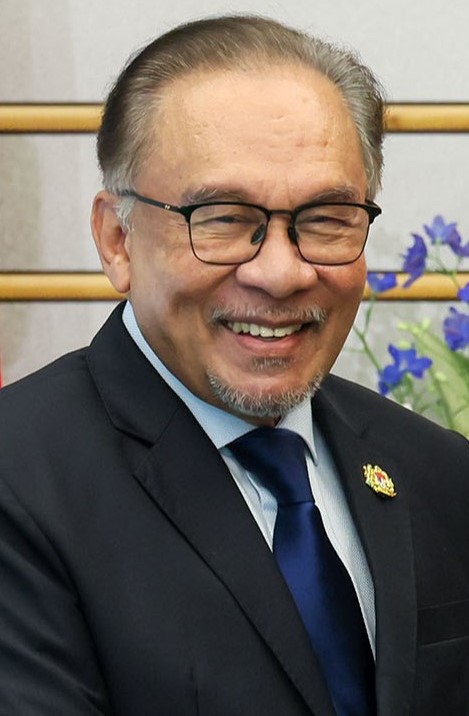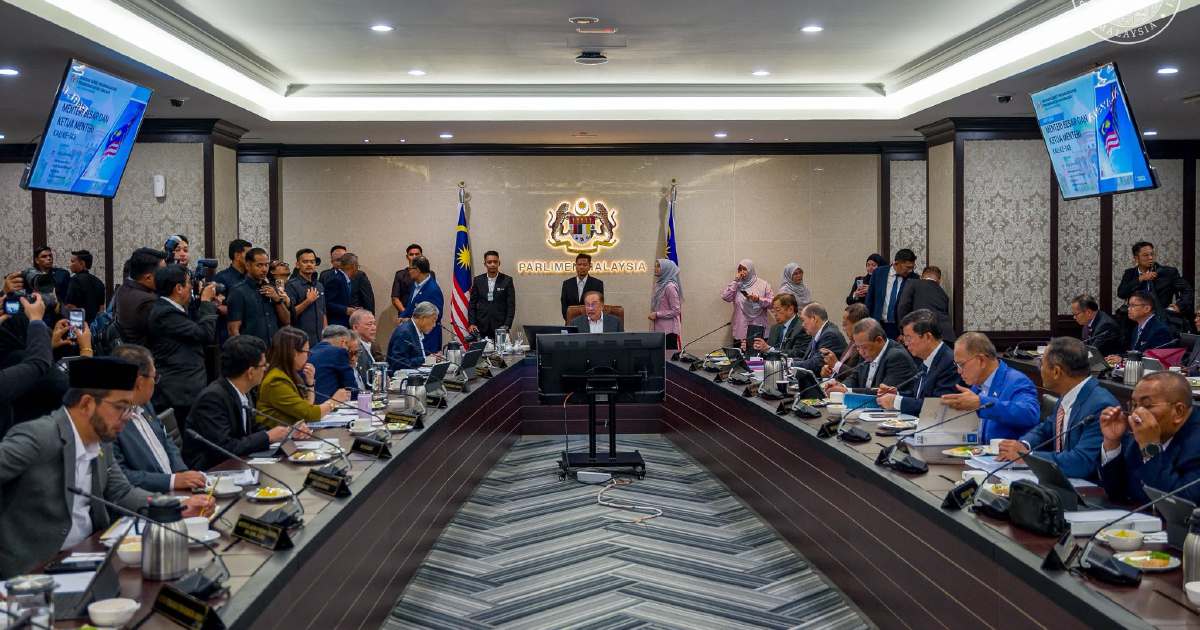
Prime Minister Datuk Seri Anwar Ibrahim brought together state and territorial leaders for the 149th gathering of Menteris Besar and Chief Ministers at Parliament House in Kuala Lumpur, steering the national agenda toward urgent economic revitalisation measures. The high-level convocation underscores growing concerns about Malaysia's economic trajectory as international markets contend with deepening instability originating from conflicts in the Middle East, a critical region that influences global commodity prices, energy costs, and investor sentiment affecting Southeast Asian economies disproportionately.
The meeting represents a deliberate attempt to forge unified state-level strategies that complement federal initiatives, recognising that economic recovery demands coordinated action across Malaysia's thirteen states and three federal territories. By assembling these regional administrators, the Prime Minister signalled the government's intention to leverage sub-national governments as active instruments of economic policy rather than mere implementers of federal directives. This collaborative approach reflects the constitutional reality that certain economic levers—including land development, local commerce regulations, and agricultural policy—remain partially within state purview, necessitating alignment between federal and regional governments.
The timing of this gathering carries particular significance for Malaysia's economic outlook. The nation has struggled with moderate growth rates in recent years, further complicated by inflation pressures and labour market tightness in key sectors. Global oil price volatility stemming from Middle Eastern tensions creates unpredictability for Malaysia's energy sector and fiscal planning, since petroleum revenues continue to fund substantial portions of federal and state expenditure. Additionally, escalating geopolitical risk dampens foreign direct investment flows into the region, as multinational corporations defer expansion decisions and redirect capital toward perceived safer havens.
State leaders participating in such forums provide crucial ground-level perspectives on economic challenges. Menteris Besar and Chief Ministers directly supervise state development corporations, maintain relationships with local business chambers, and oversee critical infrastructure projects that generate employment. Their insights into regional economic conditions—from agricultural productivity to manufacturing capacity to tourism recovery—inform federal policymaking. Conversely, federal announcements regarding stimulus measures, tax incentives, or sectoral support require state-level execution capacity and political buy-in to achieve intended outcomes.
Malaysia's economic revival strategy must address structural headwinds extending beyond temporary geopolitical shocks. The nation faces long-term challenges including declining productivity growth, insufficient research and development investment, and competition from regional neighbours in attracting technology-intensive industries. Middle Eastern instability compounds these issues by triggering insurance cost increases for maritime commerce, disrupting supply chains that Malaysian manufacturers depend upon, and deterring the venture capital that fuels innovation ecosystems. The economic stakes are substantial—Malaysia's per capita income growth has plateaued relative to regional peers, and failure to accelerate expansion could mean widening inequality and constrained fiscal capacity for social investments.
The federal government under Anwar Ibrahim has consistently emphasised economic stability and growth as central policy objectives, recognising that public satisfaction with governance correlates strongly with perceived economic progress. This meeting demonstrates commitment to institutionalising regular consultation with state governments on economic matters, a practice that had lapsed during previous administrations. Regular engagement between federal and state leaders facilitates knowledge-sharing, prevents policy conflicts, and builds the coalition consensus necessary for implementing potentially unpopular but necessary reforms.
Particular focus likely fell on state-specific economic initiatives that could weather global uncertainty. Some states possess distinct economic profiles—Penang's manufacturing and technology sectors, Johor's petrochemicals and logistics, Sabah and Sarawak's resource extraction and energy production, Selangor's services and construction industries. Customising economic strategies to leverage comparative advantages across states, rather than applying uniform policies, could enhance overall national resilience. States might pursue different sectoral emphases; some could emphasise food security and agricultural transformation, others could focus on tourism recovery or digital economy development.
The Middle Eastern conflicts casting shadows over this meeting underscore Malaysia's vulnerability to distant geopolitical events. Though removed from the primary conflict zones, Malaysia experiences ripple effects through energy markets, insurance mechanisms, and investor risk assessment. The nation's significant Muslim population also creates diplomatic dimensions beyond pure economics; any escalation of Middle Eastern tensions could influence foreign policy considerations affecting trade relationships. State leaders must communicate to constituents how federal economic strategies mitigate these external risks while positioning Malaysia competitively as regional stability returns.
Coordination mechanisms emerging from this 149th meeting will likely shape Malaysian economic policy implementation through coming months. Whether formal committees, working groups, or information-sharing protocols are established determines how effectively state governments can execute federal initiatives and provide feedback on real-world implementation challenges. The success of collaborative federalism in economic recovery hinges upon translating boardroom consensus into concrete action at state level, where development permits are granted, infrastructure projects commence, and business regulations are enforced.
Beyond immediate crisis response, this gathering signals the government's recognition that sustainable economic revival requires both macroeconomic stability at federal level and microeconomic dynamism at state and local levels. States generate employment, attract investment, and innovate through their own initiatives; federal government provides framework conditions through monetary policy, tax policy, and regulatory reform. The 149th meeting thus represents more than symbolic unity—it embodies the institutional architecture through which Malaysia pursues economic resurgence despite formidable global headwinds and domestic structural challenges that demand patient, coordinated effort across all tiers of government.