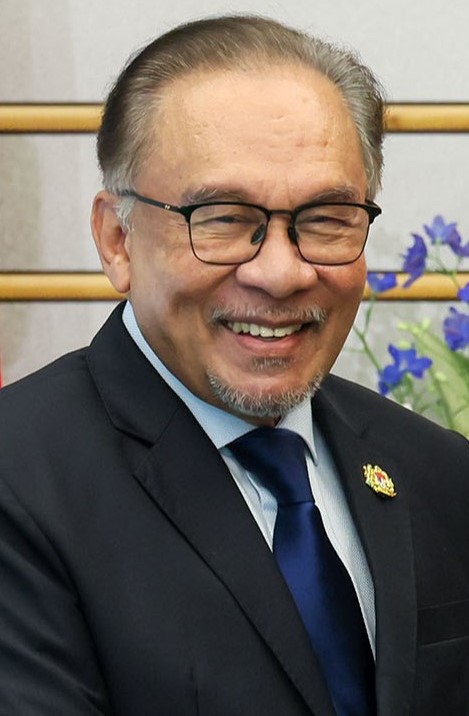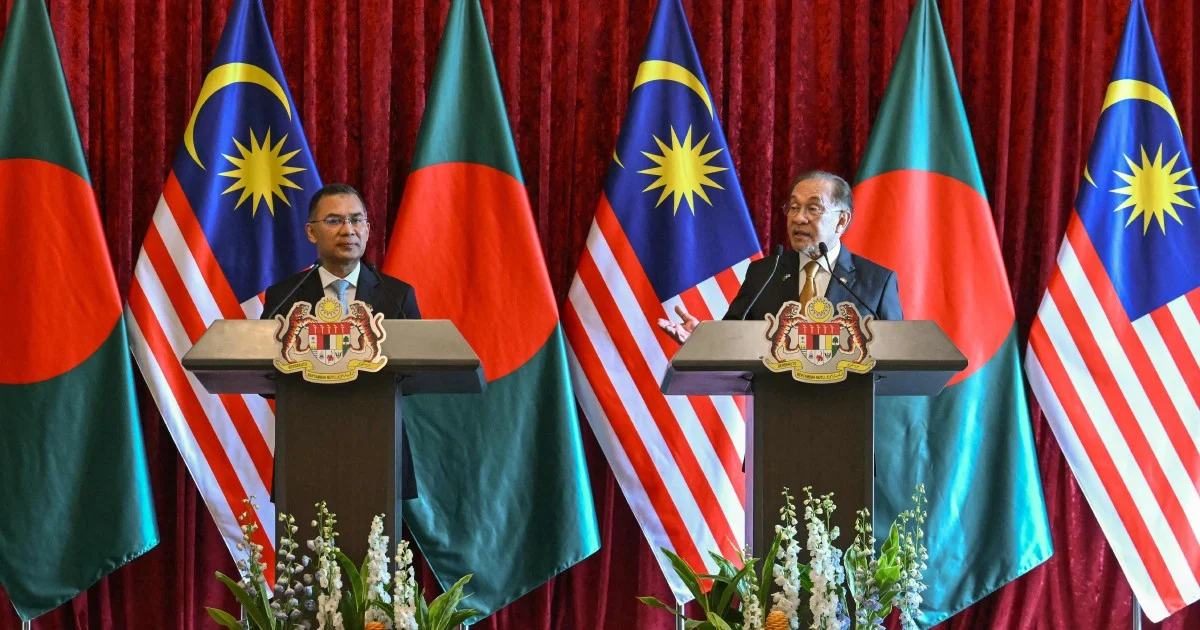
Prime Minister Datuk Seri Anwar Ibrahim has committed to stamping out the exploitation of Bangladeshi workers, positioning the protection of this significant migrant workforce as a national priority that directly affects Malaysia's economic resilience. In his statement, Anwar underscored that Bangladeshi labourers form an indispensable component of the domestic economy, performing roles across construction, manufacturing, agriculture, and domestic services that sustain critical sectors and fill labour shortages that would otherwise hamper growth.
The Prime Minister's pledge represents an escalation of Malaysia's stated commitment to migrant worker welfare at a time when labour rights advocates and international organisations have consistently documented systemic abuse within the country's migrant employment framework. Bangladeshi nationals comprise one of the largest foreign worker populations in Malaysia, with hundreds of thousands employed across both formal and informal sectors, making the issue of their protection a matter of both humanitarian concern and economic consequence. Anwar's framing of worker protection as inseparable from economic survival signals recognition that sustainable economic development requires addressing the conditions under which migrants labour.
The commitment to zero tolerance for exploitation carries particular weight given Malaysia's mixed international record on migrant worker treatment. Previous investigations and reports by human rights groups have documented cases of wage theft, unsafe working conditions, restrictions on movement, debt bondage, and inadequate housing among Bangladeshi workers. The prevalence of such practices has prompted scrutiny from international bodies and trading partners, making worker protection not merely an ethical imperative but also a matter of Malaysia's global standing and reputation. Anwar's public declaration provides a benchmark against which government action can be measured and monitored.
The recognition of Bangladeshi labour as critical to Malaysia's economy reflects demographic realities that many developing nations face. Malaysia's ageing population and relatively low birth rate have created structural labour gaps that domestic workers alone cannot fill. Bangladeshi migrants have historically addressed these shortages in sectors where local workers are scarce or unwilling to work, particularly in low-wage, labour-intensive industries. Without this migrant workforce, significant portions of Malaysia's construction industry, palm oil plantations, manufacturing facilities, and household service sector would face severe disruption, with cascading effects on productivity and competitiveness.
Implementing effective protections for Bangladeshi workers will require coordinated action across multiple government agencies and enforcement mechanisms. The Ministry of Human Resources, the Immigration Department, the Department of Labour, and local authorities must enhance monitoring of work sites, investigate complaints, and prosecute employers found guilty of abuse. Previous initiatives have met mixed results, suggesting that future efforts must focus on strengthening enforcement capacity, removing bureaucratic obstacles to complaint filing, and creating meaningful penalties that deter violations. Enhanced cooperation with Bangladesh's government and recruitment agencies will also be essential to addressing exploitative practices at the source.
The wage and conditions landscape for Bangladeshi workers in Malaysia has been a persistent concern. While some employers adhere to legal standards and provide reasonable working environments, many workers experience systematic underpayment, excessive working hours without additional compensation, unsafe conditions, and contractual terms that differ markedly from what was promised before recruitment. Addressing these issues requires not only better enforcement but also clearer contractual frameworks, transparent wage payment systems, and accessible grievance mechanisms that workers can utilise without fear of retaliation or deportation.
Anwar's commitment also carries implications for Malaysia's bilateral relationship with Bangladesh and its standing in regional labour policy discussions. Bangladesh, as a significant source country, has leverage to improve conditions for its nationals through diplomatic channels, and stronger Malaysian commitment to worker protection can improve relations and demonstrate goodwill. Conversely, continued exploitation can become a source of tension and criticism in international forums. For Malaysia's regional leadership aspirations, demonstrating genuine commitment to protecting migrant workers from any nation sets a precedent for responsible and ethical labour practices.
The framing of worker protection as an economic necessity rather than merely a humanitarian concern may prove strategically important for implementation. When worker welfare is positioned as integral to Malaysia's prosperity rather than as a drain on business efficiency, it creates stronger political consensus around enforcement and reform. Employers and industry bodies may be more willing to invest in compliance when they understand that exploitation damages the long-term viability of their sectors and Malaysia's international reputation. This reframing could facilitate cooperation from business stakeholders in creating sustainable, ethical labour practices.
Moving forward, monitoring the translation of Anwar's pledge into concrete policy outcomes will be essential. This might include specific legislative amendments, enhanced agency funding and staffing, public awareness campaigns directed at both workers and employers, and regular reporting on enforcement metrics and outcomes. Civil society organisations and international observers will likely scrutinise government actions to assess whether rhetoric translates into meaningful change. The success of these efforts will significantly influence whether Malaysia can retain the economic benefits of migrant labour while genuinely protecting workers from exploitation.