The Malaysian government has unveiled a significant housing initiative timed to coincide with the ASEAN Real Estate Conference 2026, scheduled to take place at the Malaysia International Trade and Exhibition Centre (MITEC) from July 29 to August 1. The centrepiece of this policy is a 10 per cent discount on home purchases, a measure designed to alleviate the considerable financial strain that first-time buyers and young families encounter when attempting to secure residential property in the current market environment.
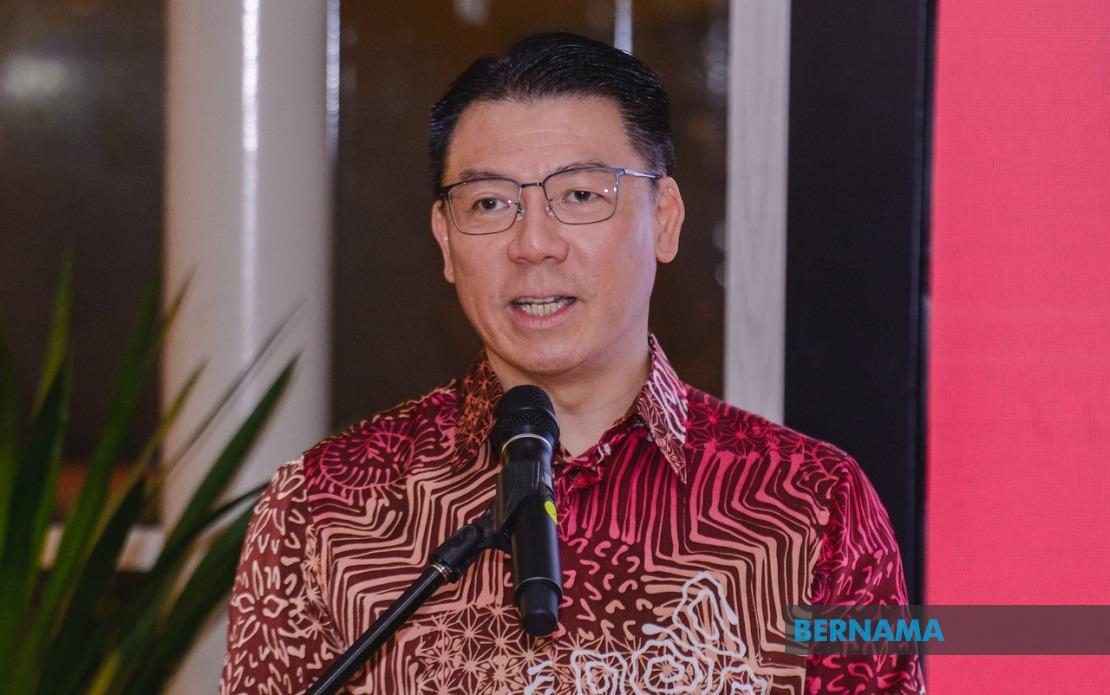
Housing and Local Government Minister Nga Kor Ming revealed this initiative following a developers' recognition ceremony honouring excellence in the property sector. The discount programme represents a collaborative effort between the Ministry of Housing and Local Government and the Real Estate and Housing Developers' Association Malaysia (REHDA), demonstrating coordinated action between government and industry stakeholders. By directly reducing the purchase price rather than merely offering incentives or rebates, the scheme targets one of the most immediate and painful points in the home acquisition process: the requirement to furnish a 10 per cent deposit under the Sale and Purchase Agreement framework.
The four-day conference promises substantial economic activity, with organisers projecting transaction volumes reaching RM1.5 billion across the participating property developers and projects on display. Prime Minister Datuk Seri Anwar Ibrahim will officially inaugurate the event, underscoring the government's commitment to positioning Malaysia as a regional property investment hub. The conference programme includes forums addressing industry challenges, structured business matching sessions connecting developers with investors and buyers, and a comprehensive exhibition showcasing Malaysia's residential, commercial, and mixed-use development pipeline.
Beyond the purchase discount, the government has implemented complementary measures designed to control housing cost inflation at the supply side. The Rahmah Cement initiative, launched by the Ministry of Housing and Local Government, addresses the persistent problem of escalating construction expenses by providing 1.6 million metric tonnes of subsidised cement to developers undertaking affordable housing projects. This dual-track approach reflects an understanding that sustainable housing affordability requires intervention across both demand and supply chains. By reducing material costs for developers building homes within designated affordability parameters, the government aims to prevent price increases from eroding the benefits of purchase discounts extended to consumers.
Nga articulated the underlying philosophy driving these initiatives through the government's housing slogan, "Rumahku, Syurgaku," which translates to "My Home, My Heaven." This framing moves beyond treating housing as merely a commodity or investment asset and positions it as a fundamental aspiration for all Malaysians. The minister emphasised that quality home ownership should represent a genuine right rather than an unattainable dream for the majority of citizens. This rhetorical positioning reflects broader concerns about housing affordability across Southeast Asia, where rapid urbanisation and foreign investment have increasingly priced out local populations from residential property markets.
Malaysia's property development sector received significant international recognition at the FIABCI World Prix d'Excellence Awards 2026, a prestigious global competition that evaluates real estate projects across multiple categories. The nation's developers captured fourteen awards in total, comprising eight gold medals and six silver medals, positioning Malaysia as the overall champion in the competition. These accolades span diverse project types and development approaches, including high-rise residential complexes, low-rise housing communities, commercial office buildings, retail spaces, mixed-use developments, and master-planned communities.
Notable gold medal recipients included Park Regent @ Desa ParkCity in the high-rise residential category, The Mansions @ ParkCity Hanoi representing low-rise residential development, and Merdeka 118 recognised for excellence in office development and sustainable design principles. The retail sector contribution came from Elmina Lakeside Mall, while Sunway Velocity Two Phase 1 represented the mixed-use development category. Gamuda Gardens received recognition in the master planning category, demonstrating comprehensive approach to large-scale urban development. Additionally, Diamond Precinct in Vietnam earned a gold medal for mid-rise residential construction, illustrating the international reach of Malaysian property companies.
Since the FIABCI World Prix d'Excellence Awards were established in 1992, Malaysian developers have accumulated 135 gold medals across the competition's history, reflecting sustained international competitiveness and consistent quality standards. This achievement demonstrates that Malaysian property companies possess not merely local expertise but genuinely world-class capabilities in design, construction, and project management. The international recognition serves a strategic purpose beyond prestige: it provides tangible evidence to global investors and institutions that Malaysia represents a viable and profitable investment destination within the Southeast Asian property sector.
The success of Malaysian developers in securing international recognition has catalysed expansion beyond domestic markets. Companies including ParkCity Group have established significant operations in Vietnam, SP Setia has developed projects in Australia, OSK Property maintains operations in Melbourne, and EcoWorld operates property developments in London. This internationalisation reflects confidence in Malaysian expertise and business models, creating valuable foreign exchange earnings and enhancing the nation's global commercial reputation. Nga characterised this outward expansion as alignment with government aspirations for Malaysian companies to achieve champion status internationally rather than remaining confined to domestic markets.
The timing of these announcements carries particular significance given broader policy developments in Malaysia's housing sector. Prime Minister Anwar Ibrahim is scheduled to launch the National Housing Policy on July 30, during the AREC 2026 proceedings. This policy launch will presumably provide comprehensive frameworks addressing housing supply, affordability standards, financing mechanisms, and development incentives across multiple years. The convergence of the purchase discount initiative, the Rahmah Cement programme, international recognition of developer excellence, and the national housing policy launch suggests a coordinated government effort to reshape Malaysia's residential property landscape through simultaneous interventions at different systemic levels.
For Malaysian homebuyers and families navigating the property market, these measures address tangible financial obstacles while signalling government commitment to making homeownership achievable. The 10 per cent purchase discount meaningfully reduces the upfront capital required to proceed with property transactions, potentially enabling younger buyers and first-time purchasers to enter the market who might otherwise remain excluded by deposit requirements. The cement subsidy component addresses the structural cost pressures facing developers, creating space for them to maintain reasonable pricing rather than passing all cost increases to consumers. Collectively, these initiatives represent recognition that housing affordability has emerged as a critical policy challenge requiring active intervention rather than reliance on market mechanisms alone.

