%22%2F%3E%3C%2Fpattern%3E%3C%2Fdefs%3E%3Crect%20width%3D%22100%25%22%20height%3D%22100%25%22%20fill%3D%22url(%23ph3tt8dg)%22%2F%3E%3Crect%20width%3D%22100%25%22%20height%3D%22100%25%22%20fill%3D%22url(%23ph3tt8dp)%22%2F%3E%3Ctext%20x%3D%2250%25%22%20y%3D%2250%25%22%20text-anchor%3D%22middle%22%20dominant-baseline%3D%22central%22%20fill%3D%22rgba(255%2C255%2C255%2C0.95)%22%20font-family%3D%22Georgia%2C%20'Times%20New%20Roman'%2C%20serif%22%20font-weight%3D%22700%22%20font-size%3D%22226%22%20letter-spacing%3D%22-0.02em%22%3EDiesel%3C%2Ftext%3E%3C%2Fsvg%3E)
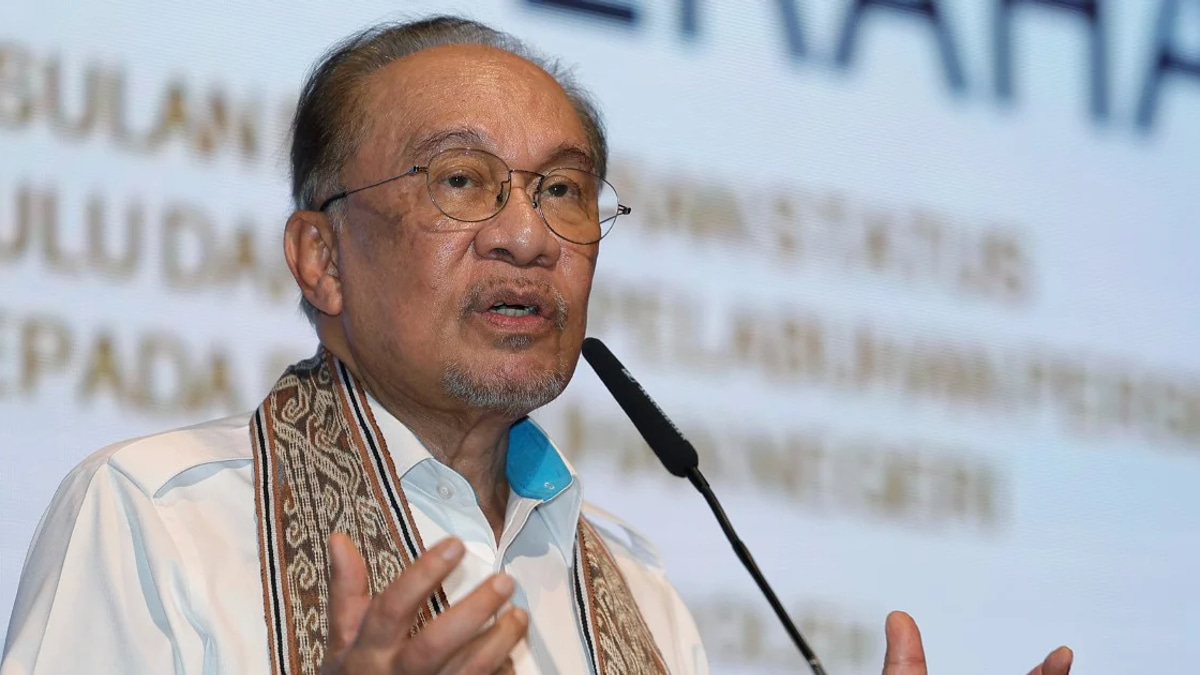
Prime Minister Datuk Seri Anwar Ibrahim has announced a significant reduction in subsidised diesel pricing, lowering the government-supported rate to RM2.10 per litre beginning July 2026. The measure represents a strategic shift in fuel subsidy administration, moving towards a targeted approach that mirrors the existing BUDI MADANI RON95 programme currently applied to petrol purchases. Under this new framework, Malaysian citizens will verify their eligibility through MyKad identification, ensuring that subsidised fuel reaches intended beneficiaries across the country.
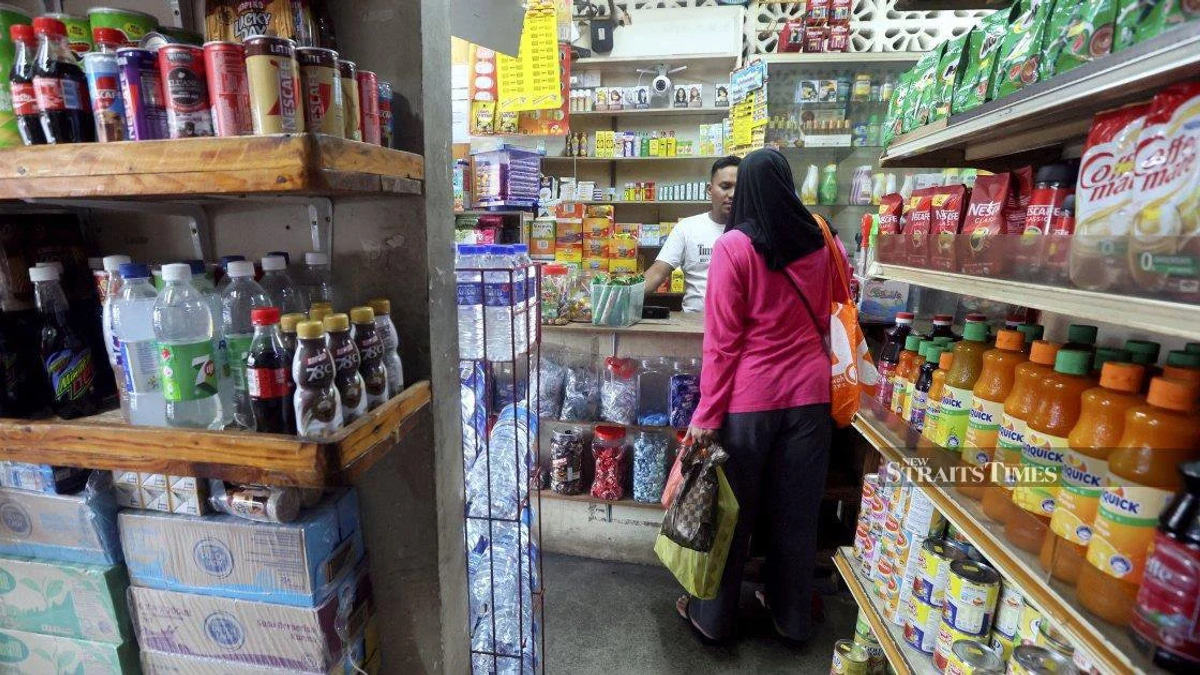
The announcement has generated considerable optimism among the business community and operational sectors most vulnerable to fluctuating fuel costs. For workers in transport-dependent trades, the reduction translates into meaningful monthly savings that accumulate across their operations. Night market trader Mohd Faizal Ahmad, a 43-year-old operating in Shah Alam, Selangor, views the adjustment as long-awaited relief that will strengthen his ability to manage daily business expenses. He expressed particular confidence in the MyKad verification mechanism, believing it will direct subsidised fuel to those with genuine economic need rather than permitting widespread access that might dilute the programme's effectiveness.
Small-scale contractors represent another crucial segment benefiting from this policy adjustment. Tan Chee Keong, 52, operates maintenance and construction material delivery services throughout Johor Bahru using commercial vehicles that consume considerable diesel quantities. For contractors in his position, fuel represents a significant percentage of operational overhead—often ranking among the three largest cost categories. The government's decision to implement stricter verification procedures, while potentially creating minor administrative inconvenience, addresses his longstanding concern that subsidies should not be diverted to users without genuine commercial dependence on diesel fuel. He recognises the measure as fairer distribution that rewards those whose livelihoods genuinely depend on transport costs.
Agricultural and horticultural operators similarly stand to benefit substantially from the pricing adjustment. R. Mageswaran, 38, operates a vegetable farming business in Sungai Siput, Perak, where daily deliveries to markets and food establishments require consistent vehicle use. His operational model—relying on regular transport of perishable goods—makes diesel pricing directly relevant to his profit margins and competitive positioning. When fuel costs decline, his delivery expenses decrease proportionally, allowing him to either maintain current pricing while improving margins or offer more competitive wholesale rates to retail partners. Mageswaran emphasised hope that implementation procedures remain straightforward, preventing administrative burdens from offsetting the financial benefits.
The policy introduces geographic equity previously absent from Malaysia's fuel subsidy structure. Currently, Sabah and Sarawak enjoy subsidised diesel at RM2.15 per litre, while Peninsular Malaysia residents purchase fuel at market rates reaching RM4.37 per litre—a disparity reflecting different subsidy frameworks across regions. Under the new arrangement, all Malaysian citizens nationwide, including those in Sabah, Sarawak, and Labuan, will access the same subsidised price and verification mechanism. This harmonisation eliminates regional pricing inequities that previously advantaged certain populations over others and simplifies administrative management by establishing uniform procedures across all territories.
Implementation logistics will be managed by the Ministry of Finance, with Second Finance Minister Datuk Seri Amir Hamzah Azizan scheduled to announce detailed operational procedures. The MyKad verification system, already successfully deployed through the BUDI95 programme for petrol subsidies, provides an established technological framework and institutional experience. However, scaling this system to accommodate diesel transactions across all petrol stations nationwide represents a significant operational undertaking requiring coordination between government agencies, retail fuel providers, and financial systems. Early communication regarding verification procedures, application deadlines, and any transitional arrangements will prove essential for smooth adoption.
The timing of the July 2026 implementation allows adequate preparation period for stakeholders to understand new protocols and adjust operational planning. For business operators accustomed to calculating margins based on current diesel pricing, the known future reduction enables more confident financial forecasting. Contractors can quote future projects with greater certainty regarding transportation costs, while traders can plan inventory and delivery schedules with improved cost visibility. The advance notice demonstrates government consideration for business planning requirements, avoiding the shock disruption that immediate price changes might create.
Context within Malaysia's broader subsidy reform agenda situates this diesel initiative within the MADANI administration's wider commitment to targeted assistance programmes. Rather than maintaining universal fuel subsidies that benefit all consumers regardless of actual need, the government increasingly emphasises verification-based approaches that concentrate support toward populations with genuine economic vulnerability. This philosophical shift acknowledges that broad subsidies often prove financially inefficient, consuming substantial public resources while potentially benefiting those least in need. The diesel announcement extends this principle from petrol into another essential fuel category, creating systemic consistency.
Regional implications warrant consideration as Malaysia repositions itself within Southeast Asia's energy policy landscape. Neighbouring countries including Indonesia and Vietnam maintain varying diesel subsidy structures responding to their distinct economic circumstances and fiscal capacities. Malaysia's targeted approach positions it as a middle-income nation balancing fiscal responsibility against social welfare obligations—a positioning increasingly common throughout the region as commodity price volatility creates budget pressures. The precedent may influence discussions within ASEAN regarding optimal fuel subsidy architectures, particularly as governments grapple with climate transition imperatives alongside immediate affordability concerns.
The measure's effectiveness will ultimately depend on implementation execution and public compliance with verification procedures. Successful programmes require that ordinary citizens find the MyKad verification process genuinely simple and accessible, particularly for users operating in remote areas where petrol station infrastructure may prove limited. Should verification create excessive friction or delays, beneficiaries may resort to informal markets or black-market purchases, undermining programme objectives. The government's statement indicating commitment to convenience suggests awareness of these risks, though actual execution will reveal whether rhetoric translates into user-friendly systems.
For Malaysian workers and small business operators, this announcement addresses one of the most immediate cost pressures affecting daily operations. Traders, contractors, and agricultural operators have repeatedly identified fuel costs as primary expense categories within reach of government policy intervention. The diesel price reduction, when implemented, will provide material financial relief across these constituencies. Beyond purely financial dimensions, the measure reflects government responsiveness to operational realities faced by workers dependent on transport, acknowledging that fuel costs directly determine profitability and business viability for numerous Malaysians working in transport-intensive sectors.
%22%2F%3E%3C%2Fpattern%3E%3C%2Fdefs%3E%3Crect%20width%3D%22100%25%22%20height%3D%22100%25%22%20fill%3D%22url(%23ph5embhg)%22%2F%3E%3Crect%20width%3D%22100%25%22%20height%3D%22100%25%22%20fill%3D%22url(%23ph5embhp)%22%2F%3E%3Ctext%20x%3D%2250%25%22%20y%3D%2250%25%22%20text-anchor%3D%22middle%22%20dominant-baseline%3D%22central%22%20fill%3D%22rgba(255%2C255%2C255%2C0.95)%22%20font-family%3D%22Georgia%2C%20'Times%20New%20Roman'%2C%20serif%22%20font-weight%3D%22700%22%20font-size%3D%22272%22%20letter-spacing%3D%22-0.02em%22%3EPrime%3C%2Ftext%3E%3C%2Fsvg%3E)