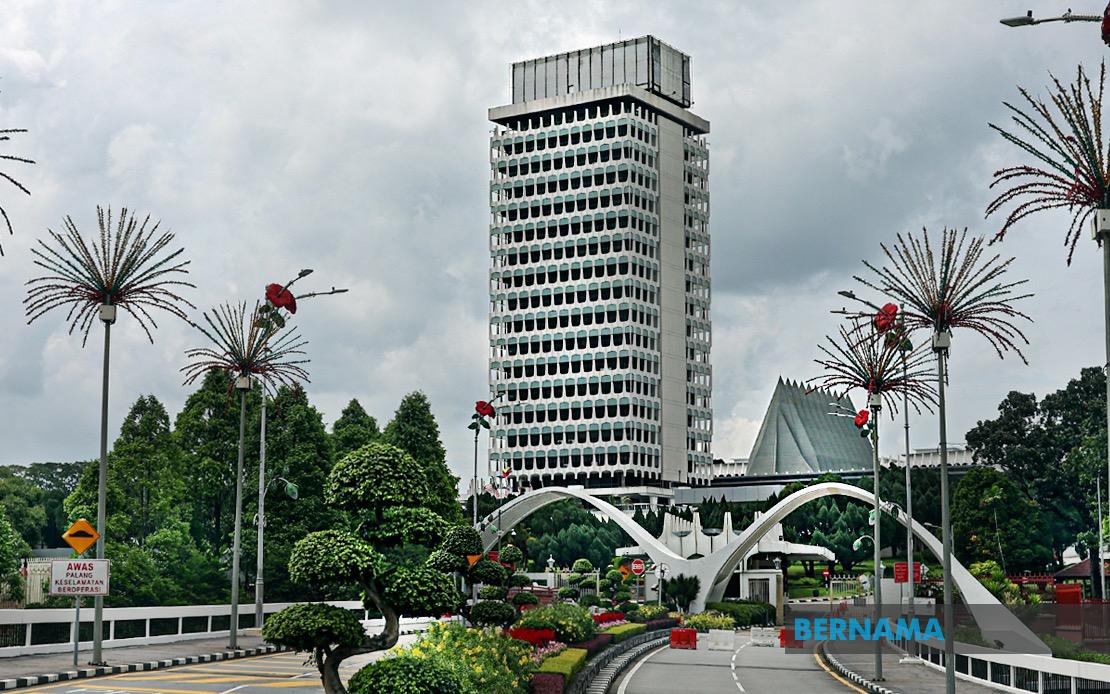
Parliament reconvenes today for a sixteen-day sitting that will extend through July 16, with several pressing matters dominating the legislative agenda. High on the list is a comprehensive examination of how geopolitical turmoil in West Asia has reverberated through Malaysia's tourism sector, an industry that generates substantial foreign exchange and employment across the country. The timing of this parliamentary focus underscores growing recognition among lawmakers that external shocks to regional stability carry measurable economic consequences for Malaysia's hospitality and travel businesses.
Dr Ahmad Fakhruddin Fakhrurazi, representing Kuala Kedah on behalf of Perikatan Nasional, will press the Tourism, Arts and Culture Minister for concrete data on visitor decline from three critical source markets: the Middle Eastern region itself, Western Europe, and the broader West Asian geography. These markets have historically represented premium revenue streams for Malaysian resorts, hotels, and tourism infrastructure, and any contraction in arrivals from wealthy Gulf states or established European markets carries strategic implications. The parliamentarian's enquiry extends beyond mere statistics, seeking to understand what defensive measures the Government has deployed to protect market share and maintain momentum in a sector that accounts for roughly 3.3% of Malaysia's gross domestic product.
The Government's ability to articulate a coherent recovery strategy will be critical, as tourism remains vulnerable to external confidence shocks. When international conflicts disrupt travel patterns, the impact cascades through airlines, hospitality staff, restaurant workers, and related services. Malaysia's positioning as a safe, stable alternative to more volatile regional destinations should theoretically provide competitive advantage, yet messaging and promotional activity must adjust to reassure nervous international travellers. The minister's response will likely involve enhanced marketing campaigns targeting unaffected regions and reassurance about Malaysia's internal security posture.
Attention will also focus sharply on Langkawi, the archipelago that serves as Malaysia's primary island tourism destination but also occupies an exposed position near the Malaysia-Thailand maritime boundary. Datuk Mohd Suhaimi Abdullah, the Langkawi representative from Perikatan Nasional, will interrogate the Home Minister about the operational readiness of security agencies positioned in the district. His questions probe whether existing assets—vessels, personnel, surveillance equipment—are adequate to combat smuggling networks that exploit Langkawi's geographic proximity to Thai waters, where migrant trafficking and controlled goods trafficking represent persistent threats.
The Langkawi security inquiry carries implications beyond simple law enforcement. Maritime borders in Southeast Asia remain porous, with organised smuggling rings continuously adapting tactics to evade detection. Langkawi's dual identity as a tourist destination and security vulnerability presents a genuine policy dilemma: maintaining tourism appeal while ensuring watertight border management. The Home Minister's response will reveal whether Government believes current resource allocation is sufficient or whether enhanced investment in maritime security infrastructure is warranted. Notably, the parliamentarian has raised the possibility of deploying unmanned aerial vehicles (UAVs) for surveillance, a technology increasingly adopted across the region for border monitoring.
A separate environmental concern takes centre stage through Manndzri Nasib's enquiry regarding human-elephant conflict in Malaysia's forested regions. The Natural Resources and Environmental Sustainability Minister will face questions about whether recent injections of Ecological Fiscal Transfer funds have meaningfully reduced incidents where wild elephants venture into human settlements, destroying crops and occasionally threatening lives. Additionally, the parliamentarian seeks clarity on the expansion of Electric Fencing for Elephants technology, known locally as SPEG, which has shown promise in creating non-lethal deterrents. The underlying issue reflects Malaysia's ongoing struggle to balance development and conservation—as human settlement expands into traditional wildlife corridors, conflict becomes inevitable, and mitigation strategies require sustained funding and inter-agency coordination.
Housing affordability emerges as another parliamentary pressure point. Datuk Willie anak Mongin will request granular data on unsold affordable housing units across Malaysian states, disaggregated by price category, alongside homeownership rates among Malaysians aged under 35. This enquiry directly reflects mounting public concern about generational wealth accumulation and access to property ownership. With housing costs escalating across major urban centres and young professionals facing wage pressures, the Government's ability to deliver affordable stock becomes politically salient. The data being sought will reveal whether Government-backed housing programmes are reaching intended beneficiaries or whether unit shortfalls persist despite policy initiatives.
Beyond individual parliamentary questions, today's sitting will witness the tabling of two substantive legislative amendments requiring second reading. The Sexual Offences against Children (Amendment) Bill 2026 represents an evident priority, signalling Government commitment to strengthening child protection frameworks—an area where Malaysia has faced international scrutiny regarding enforcement consistency and sentencing adequacy. Simultaneously, the Employment Insurance System (Amendment) Bill 2025 will advance through Parliament, likely addressing gaps in coverage, contribution frameworks, or benefit structures within Malaysia's workers' safety net. Both bills, if passed, will reshape important regulatory terrain affecting vulnerable populations and workforce protections.
The parliamentary session arriving at this juncture reflects broader regional and domestic pressures intersecting simultaneously. Externally, the West Asian conflict creates macroeconomic headwinds for tourism-dependent economies throughout Southeast Asia. Internally, Malaysia navigates competing priorities across security, environmental management, housing accessibility, and worker protections. Today's sitting will test Government responsiveness to these multifaceted challenges and legislative scrutiny of resource allocation and strategic planning. The responses offered will provide instructive signals about Government priorities and operational effectiveness heading toward the remainder of the year.

