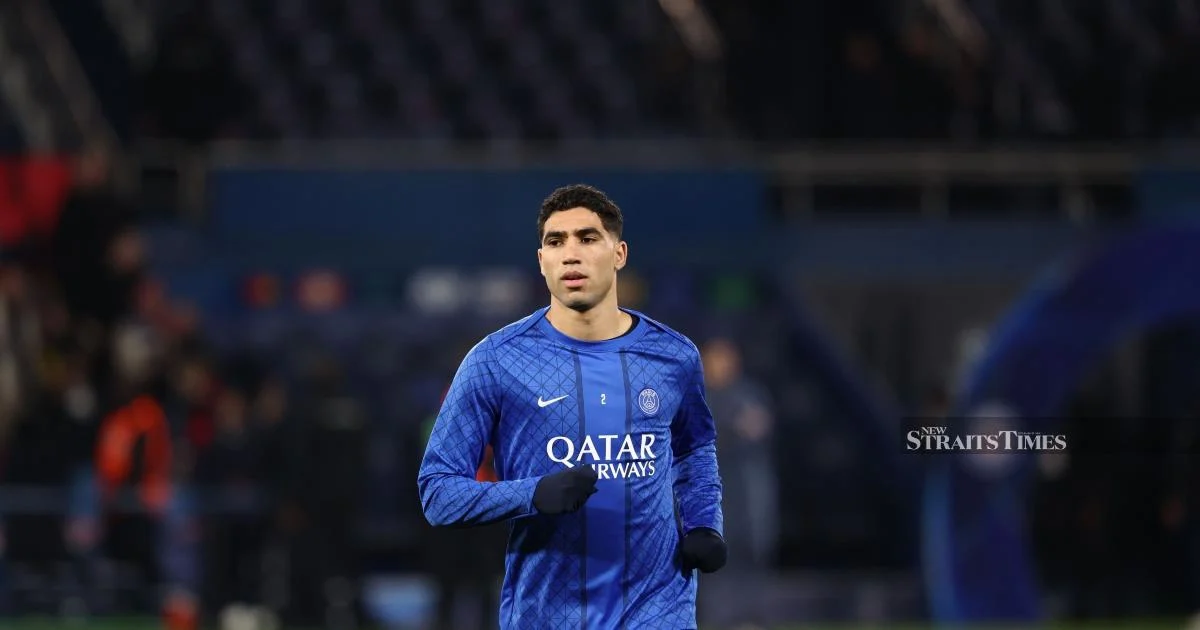
Morocco's Achraf Hakimi, a prominent defender for Paris Saint-Germain, has been ordered to stand trial for rape by a French appeals court in Versailles. The decision, handed down Friday, confirms that the footballer will face charges related to allegations involving a young woman, marking a significant development in a case that has drawn international sporting attention.
The Versailles court's determination to proceed to trial represents an important procedural juncture in the legal process. French judicial authorities had completed preliminary investigations into the allegations, and this confirmation by the appeals court indicates that prosecutors gathered sufficient evidence to warrant moving forward with formal charges and a full trial before a judge or jury.
Hakimi, who plays as a right-back and has represented Morocco at multiple international tournaments, is a high-profile figure in European football. His employment at Paris Saint-Germain, one of the world's richest and most visible clubs, has amplified the case's prominence in both sporting circles and mainstream media across Europe and beyond.
The circumstances surrounding such cases in professional football frequently trigger broader conversations about athlete conduct, accountability, and the responsibilities that come with high-profile positions. The proceedings will unfold in the French legal system, where detailed due process must be followed before any determination of guilt or innocence is made.
For Malaysian and Southeast Asian sports observers, this case underscores the global nature of modern professional football and how events involving international players can have ripple effects across continents. The attention paid to elite footballers' personal conduct mirrors similar scrutiny in other regions where high-earning athletes face legal challenges.
The trial process itself will likely span several months or longer, as French courts handle complex cases involving serious criminal allegations. During this period, questions may arise regarding Hakimi's continued participation in club competitions and potential impacts on his career trajectory, though such decisions typically rest with the club and relevant football governing bodies rather than the court system.
International footballer associations and clubs frequently face challenging situations when players face legal allegations, particularly in countries where they do not reside. Such circumstances create tensions between supporting athletes through legal processes and maintaining institutional standards of conduct expected from professional sportspeople.
The French legal framework requires clear presentation of evidence and adherence to strict procedural rules. Both the prosecution and defence will have opportunities to present their cases thoroughly before a judicial body makes determinations, following principles established under French law.
For Paris Saint-Germain, the confirmation of trial proceedings introduces complexity regarding squad management, player welfare policies, and club governance. The club must balance its responsibilities as an employer with the presumption of innocence that applies to all defendants in legal proceedings.
The case also reflects broader concerns about conduct in professional sports environments globally. Malaysian football, while operating at a different scale than European elite leagues, similarly benefits from understanding how international standards address serious allegations affecting players' careers and reputations.
As the trial process commences, media coverage and public interest will likely remain substantial given Hakimi's sporting prominence and the seriousness of the charges involved. The proceedings will occur within France's judicial system, which operates according to civil law principles distinct from those in Malaysia and other Commonwealth jurisdictions.
This situation highlights how international athletes, regardless of their country of origin, can become subject to legal proceedings in jurisdictions where they work or conduct their lives. Such cases invariably attract scrutiny from football stakeholders, including supporters, fellow professionals, and administrative bodies responsible for regulating the sport.