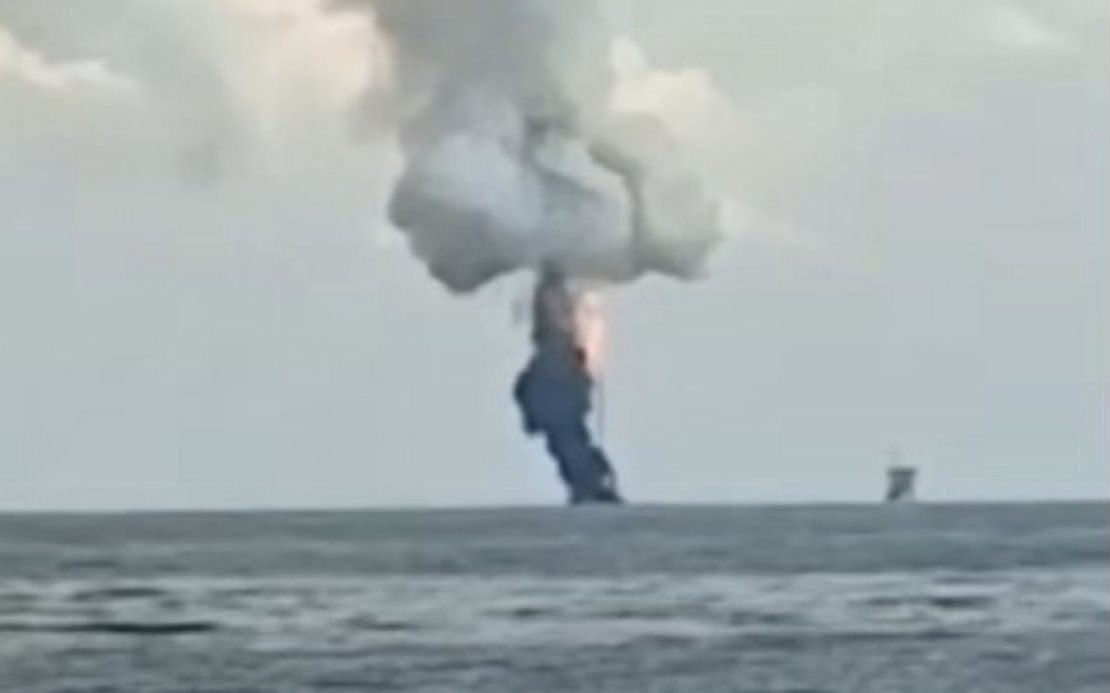
An offshore oil and gas facility operated by Vestigo Petroleum Sdn. Bhd., a subsidiary of Petronas Carigali, experienced a fire incident at its West Lutong Vent A platform in Sarawak waters yesterday afternoon. The company confirmed the occurrence in a statement released today, noting that the blaze erupted at approximately 2 pm and was subsequently contained through swift response measures.
The West Lutong Vent A facility represents one of several production platforms operated by Petronas-affiliated entities across Sarawak's prolific offshore petroleum reserves. The incident, which triggered widespread attention when video footage circulated on social media platforms, underscores the operational challenges inherent in deepwater and shallow-water oil and gas extraction in Southeast Asian waters. Vestigo's rapid containment of the situation demonstrates the preparedness protocols established for such emergencies in the region's energy sector.
According to the official statement, investigations into the root cause of the fire remain ongoing. The company has mobilised relevant investigation teams and is coordinating closely with Malaysian maritime and environmental authorities to establish a comprehensive understanding of contributing factors. Such transparency in incident reporting reflects evolving industry standards across Southeast Asia, where regulatory scrutiny of offshore operations has intensified over recent years.
A critical aspect of this incident is the confirmation that no personnel were harmed and no environmental contamination resulted from the fire. Vestigo emphasised that its immediate response protocols successfully prevented escalation that could have endangered workers stationed at the facility or posed risks to the surrounding marine ecosystem. This outcome is particularly significant given Malaysia's stringent environmental regulations governing offshore petroleum activities, which mandate stringent safety measures to protect marine habitats and fisheries in shared waters.
The incident reflects broader industry dynamics affecting Sarawak's hydrocarbon sector, which remains economically vital for the state despite global energy transition pressures. Sarawak accounts for a substantial portion of Malaysia's domestic oil and gas production, with multiple operators managing complex subsea infrastructure across various water depths. Maintaining operational safety across this aging and extensive network of platforms requires continuous investment in maintenance, monitoring systems, and workforce training.
Vestigo's statement emphasised the company's unwavering commitment to safeguarding employee welfare, environmental stewardship, and operational integrity. Such messaging carries weight in Malaysia's resource-rich states, where communities remain sensitive to potential environmental hazards associated with petroleum extraction. The company's explicit acknowledgment that the incident posed no immediate threat to surrounding communities suggests a deliberate communication strategy addressing potential public concern.
From a regulatory perspective, this incident will likely prompt additional scrutiny from Malaysia's Department of Safety and Health, the Department of Environment, and other relevant maritime authorities. Petronas and its subsidiaries operate under stringent licensing conditions requiring comprehensive incident reporting and corrective action plans. The investigation outcomes may inform broader industry discussions regarding platform integrity standards and emergency response protocols applicable across Malaysian waters.
The viral circulation of incident footage on social media highlights the transparency challenges facing energy companies in the digital age. While rapid public dissemination of information can amplify concern, it simultaneously creates accountability mechanisms that encourage companies to provide timely, factual communication. Vestigo's decision to immediately confirm the incident and provide specific details likely forestalled speculation and misinformation.
This occurrence occurs within a complex geopolitical context affecting Sarawak's oil and gas sector. The state government continues pursuing petroleum revenue diversification while balancing environmental and climate-related pressures. Incidents such as this underscore the technical complexity and inherent risks of offshore operations, informing policy discussions regarding long-term energy strategies for both Sarawak and Malaysia at large.
The investigation timeline remains unspecified, though industry precedent suggests comprehensive technical analysis typically requires several weeks. Findings will be documented in incident reports submitted to relevant authorities and may influence operational protocols across the broader Petronas portfolio. For neighbouring jurisdictions and operators across Southeast Asia, such incidents and their investigation outcomes contribute to collective knowledge regarding risk management in regional offshore petroleum activities.

