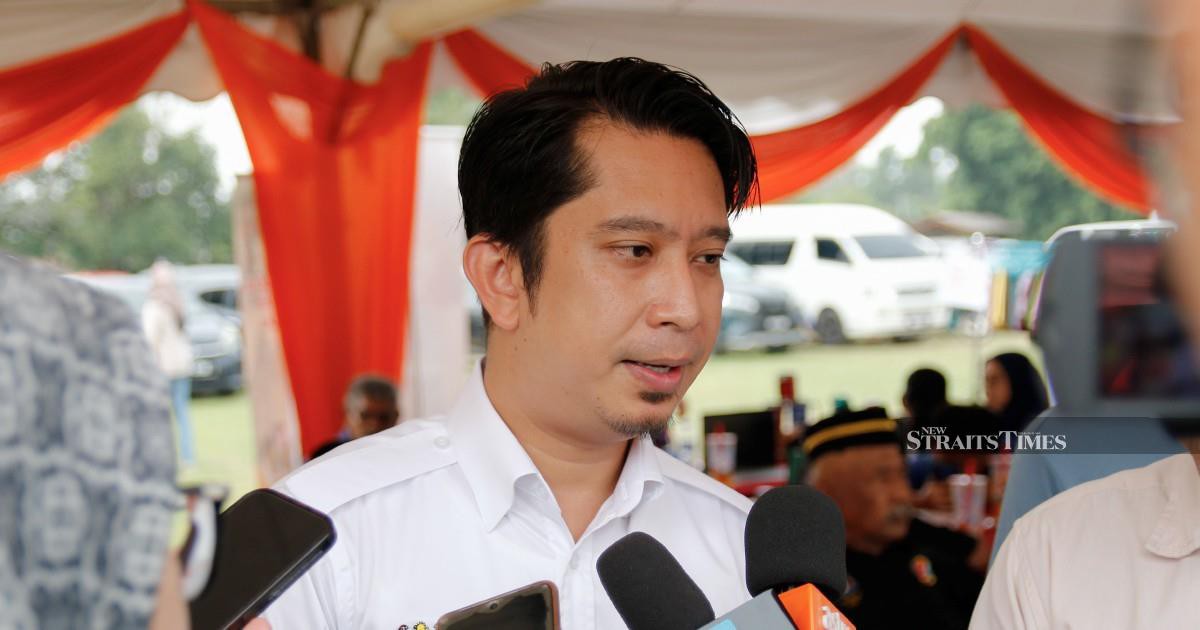
With speculation mounting over potential cooperation between Malaysia's two major political coalitions in the forthcoming Melaka state election, Pakatan Harapan and Barisan Nasional remain at the preliminary discussion stage, according to PKR state chief Adam Adli Abdul Halim. The absence of formal talks underscores the complex political landscape in the state, where previous electoral arrangements have shaped outcomes and factional alignments within both coalitions.
Adam Adli's statement comes as political observers and party insiders have increasingly discussed the possibility of an alliance between PH and BN in Melaka, mirroring arrangements seen in other state and federal contexts. The PKR leader's clarification that no formal negotiating process has commenced suggests that any public statements about potential cooperation remain at the exploratory or informal level, with neither side yet willing to commit officially to terms or seat distributions.
The timing of electoral announcements and political negotiations in Malaysia typically follows a predictable pattern. Formal talks between coalitions generally accelerate once nomination dates are fixed and campaign periods draw closer, allowing parties to assess their respective strengths and map out strategic arrangements. The current status reported by Adam Adli indicates Melaka remains in an earlier phase of the political calendar, where parties are still consolidating internal positions before engaging in coalition-level discussions.
Melaka's electoral significance extends beyond the state itself. As a swing state where both PH and BN have held power in recent years, outcomes here influence perceptions of momentum and voter sentiment across Malaysia. The decision by PH and BN on whether to cooperate, compete directly, or maintain mixed arrangements will carry symbolic weight for their respective narratives heading into any future national contests. This raises the stakes for how negotiations eventually unfold.
Within PH, managing expectations around Melaka's election involves balancing the interests of its constituent parties—PKR, DAP, and Amanah—which may not always align on electoral strategy or seat allocation. The federation's approach to Melaka must reflect internal consensus, explaining why formal external negotiations have not yet begun. Similarly, BN, comprising UMNO, MCA, MIC, and other component parties, faces its own internal coordination challenges when preparing for state-level elections.
The distinction between informal discussions and formal negotiations carries practical importance. Informal talks allow political leaders to gauge receptiveness, test potential configurations, and identify areas of common ground without binding their parties to positions. Formal negotiations, by contrast, typically involve senior party delegations, established timelines, and documented agreements on matters ranging from seat allocations to policy platforms. Adam Adli's statement emphasises this demarcation, suggesting PH and BN are not yet at the commitment stage.
Political observers in Malaysia have noted that state elections increasingly serve as laboratories for coalition arrangements that may later apply at federal level. How PH and BN approach Melaka could establish precedents for future cooperation or establish red lines that complicate broader political negotiations. This makes the apparent caution from both sides understandable—each wants to maximise its strategic options before locking into formal commitments.
The absence of formal talks also reflects the reality that either coalition could pursue alternative strategies. PH might attempt to contest Melaka independently or with only select BN partners, while BN could choose to field candidates without PH involvement. These competing possibilities create negotiating space where each side can credibly suggest it has options, thereby enhancing its leverage in eventual talks. Adam Adli's public statement may itself represent a calculated signal that PH is not desperate for an arrangement, thereby setting a negotiating tone.
For Malaysian voters and analysts tracking the state's political trajectory, the current pause in formal negotiations offers little clarity on what the electoral landscape will resemble when nominations are called. This uncertainty reflects broader patterns in Malaysian politics, where coalition arrangements often emerge relatively late in electoral cycles, sometimes causing confusion among party members and supporters attempting to understand their side's strategy.
The eventual timing and substance of PH-BN negotiations in Melaka will depend on factors extending beyond the state itself. National political developments, performance in other elections, and shifts in public opinion can all accelerate or delay when formal talks begin. Adam Adli's statement essentially confirms that Melaka's electoral arrangements remain unwritten chapters in Malaysia's ongoing political story.

