Pakatan Harapan has signalled its support for Barisan Nasional's stated willingness to enter negotiations over seat allocation in the upcoming Melaka state election, viewing the coalition's openness as a constructive development worth pursuing. The positive response from PH underscores an emerging pragmatism within Malaysian coalition politics, where traditional rivals are increasingly willing to explore cooperative arrangements at the state level to manage electoral competition and consolidate governance structures.
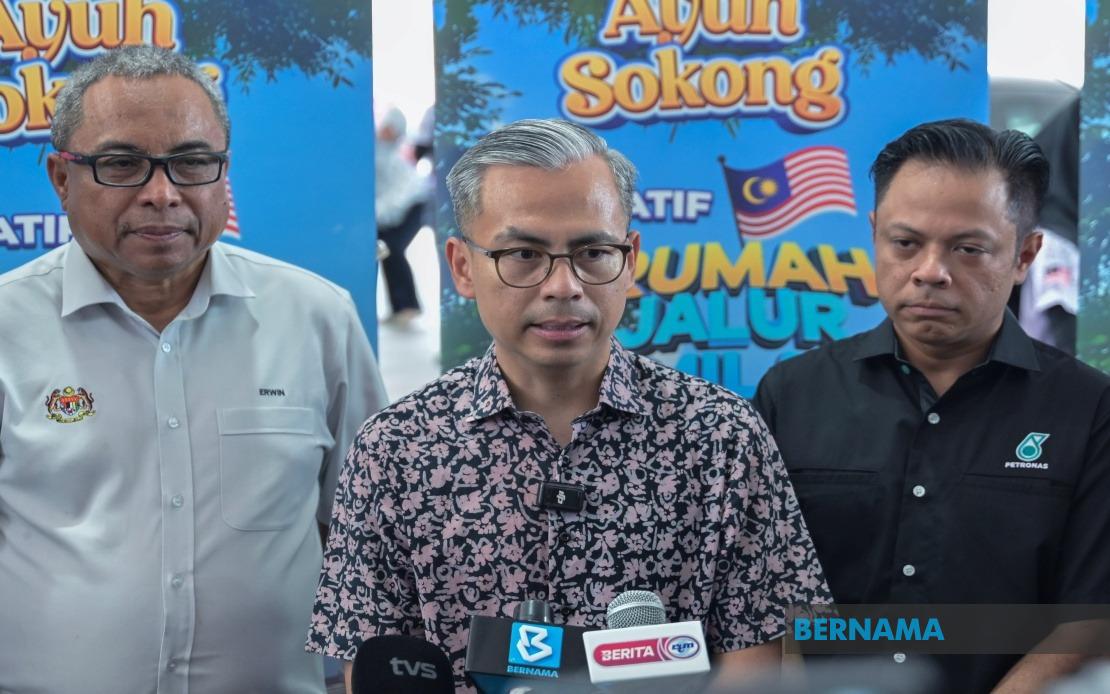
Datuk Seri Fahmi Fadzil, PH's communications director and Minister of Communications, articulated the coalition's perspective while addressing reporters at a Gotong-royong Mega Perangi Aedes programme in the Lembah Pantai area. He characterised BN's receptiveness as representing a genuine opportunity for discussion that merits careful examination, particularly given the disparate electoral strength of the two blocs in the state. This measured response reflects PH's strategic calculation that negotiation, rather than confrontation, offers a pathway to meaningful representation in Melaka's legislative assembly.
The numerical disparity between the coalitions underscores the practical foundation for such discussions. BN currently commands 21 seats within the Melaka State Legislative Assembly, whilst PH holds five seats—a distribution that Fahmi acknowledged represents a realistic starting point for negotiations. This acknowledgement of the existing power imbalance suggests PH's approach is grounded in electoral reality rather than unrealistic demands, potentially creating space for compromise that could benefit both organisations.
Fahmi also referenced direct engagement between PH's Melaka state chapter and the state government. According to his statement, Yang Berhormat Adam Adli, chairman of Keadilan Melaka—a core PH component party—has maintained ongoing communication with Melaka Chief Minister Datuk Seri Ab Rauf Yusof regarding the potential redistribution of assembly seats. This direct dialogue between party and state leadership suggests negotiations are advancing beyond rhetorical exchanges into substantive discussions.
The potential scope of negotiations extends beyond simple seat allocation, with Fahmi indicating that various arrangements could be managed through coordination between state and federal levels. This multi-layered approach suggests flexibility in how seat distribution might be structured, potentially encompassing not only which party contests which seat but also broader administrative or governance arrangements that could satisfy both coalitions' strategic interests.
BN's position was articulated earlier by party chairman Datuk Seri Dr Ahmad Zahid Hamidi, who confirmed the coalition's openness to discussing seat distribution and even seat exchanges, provided discussions occurred transparently and within the framework of mutual respect for each party's electoral achievements. Zahid's emphasis on preserving each coalition component's seat count represents a fundamental principle—essentially signalling that whilst seat allocation between PH and BN might be renegotiated, internal BN component distribution would remain protected. This safeguard is crucial for maintaining cohesion within BN's multiethnic coalition structure.
The timing of these negotiations carries significance within Malaysia's broader political landscape. State elections in Melaka have historically served as barometers for shifting political sentiment, and the willingness of major coalitions to negotiate rather than engage in scorched-earth electoral competition suggests a maturing approach to coalition management. Rather than viewing elections as zero-sum contests, both PH and BN appear increasingly focused on achieving sustainable governance arrangements that can weather electoral fluctuations.
For Malaysian observers, these developments reflect a subtle but important evolution in coalition politics. The willingness to discuss seat distribution before an election, rather than simply contesting every seat, indicates that both PH and BN prioritise stability and cooperative governance over maximising every possible seat gain. This approach has parallels in Malaysian political history but represents a more systematic commitment to pre-election negotiation in recent years.
The implications for Southeast Asian regional politics merit consideration as well. Malaysia's coalition system, with its emphasis on negotiation and power-sharing, contrasts with more adversarial electoral systems in the region. The success or failure of PH-BN negotiations in Melaka could influence how other Southeast Asian democracies approach coalition management and seat distribution arrangements. A successful negotiated settlement would demonstrate that major political rivals can pursue competitive but collaborative approaches without destabilising democratic institutions.
Melaka's position as a crucial swing state in Malaysian politics adds weight to these negotiations. As a state capable of shifting between coalition control, maintaining political stability whilst accommodating multiple viewpoints becomes strategically valuable. Both PH and BN likely recognise that a negotiated settlement, even one requiring some compromise, offers greater predictability and administrative continuity than an all-or-nothing electoral battle.
For ordinary Malaysians and foreign observers, these negotiations represent an important test of institutional maturity. They demonstrate that political competition and cooperation are not mutually exclusive, and that major parties can pursue their interests within frameworks that preserve democratic principles and governmental stability. The outcome in Melaka will likely influence how negotiations are conducted in future state elections across Malaysia.

