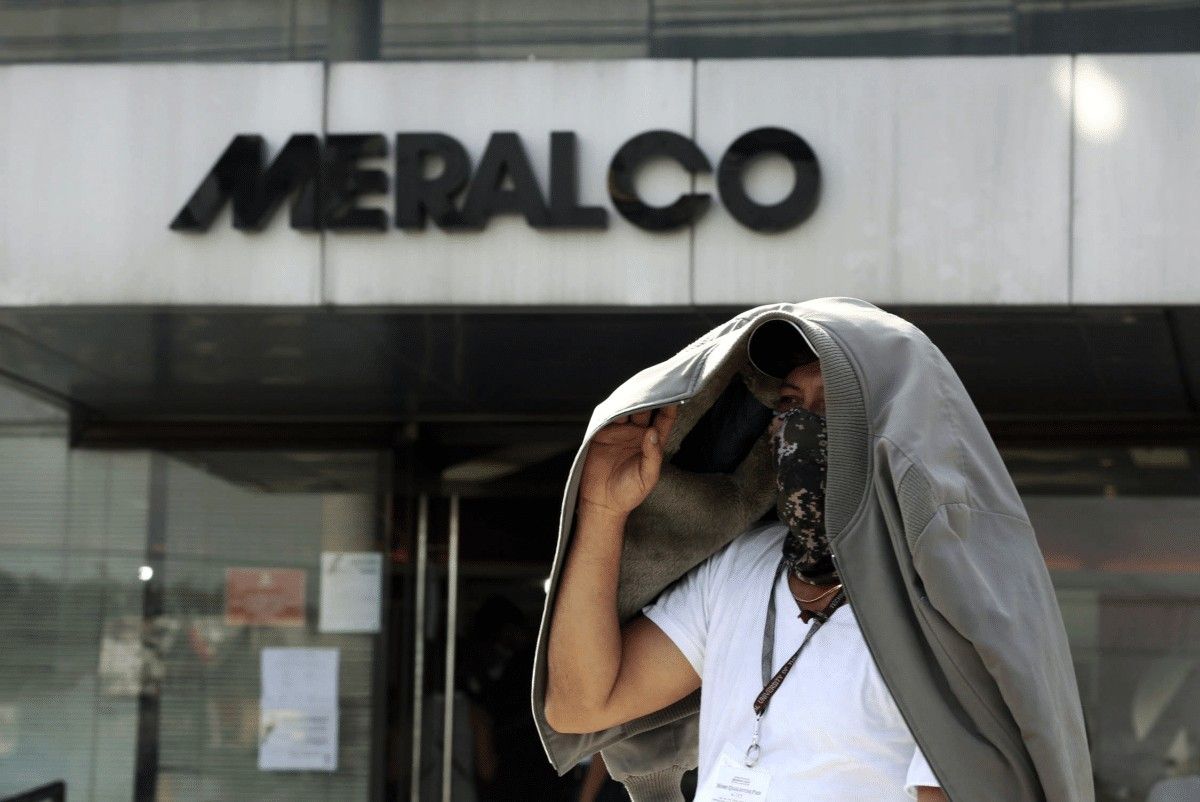
The Philippines' Energy Regulatory Commission has ordered Manila Electric Co. (Meralco), the country's dominant power distributor, to refund 9.5 billion pesos to consumers through specially designated line items on their electricity bills. The directive, issued on July 31 and expected to take effect in the next billing cycle, represents a significant correction following a period in which customers were charged at rates that no longer reflected current operational costs.
Meralco's 9.5 billion peso refund translates to P0.3449 per kilowatt-hour across the affected consumer base, with the utility required to distribute the credits within a six-month window. The determination comes after Energy Regulatory Commission chair Francis Saturnino Juan confirmed the agency's decision, stating that implementation would commence upon the ruling's receipt. The approach of issuing refunds as distinct billing line items allows consumers to clearly identify and track the credit applied to their accounts, providing transparency in what has become an increasingly contentious issue around electricity pricing in Metro Manila and surrounding regions.
At the core of this decision lies a regulatory mechanism known as the rate reset process, whereby utilities such as Meralco must present detailed submissions to the ERC covering anticipated expenditures and planned infrastructure projects over a designated period, typically spanning five years unless extended by the regulator. These comprehensive filings then become the foundation upon which tariff structures are calculated and subsequently passed through to end consumers. The system is designed to ensure that rates remain aligned with genuine operational requirements and anticipated investments, preventing utilities from either undercharging and accumulating deficits or overcharging by relying on outdated cost assumptions.
The refund specifically addresses the lapsed period between January and December 2025, during which a gap existed between the previous rate adjustment and a new one being processed by regulators. A lapsed period, in regulatory terminology, refers to the interval following the most recent tariff modification but before fresh rate adjustments take effect. Throughout this duration, distributors continue charging consumers using older, pre-adjusted rates that frequently fail to reflect contemporary operational realities. This creates a situation where utilities may collect revenues in excess of what their current approved tariff structures justify, effectively overcompensating them during the transitional interval.
During lapsed periods, the regulatory framework assumes that utilities will eventually refund any over-collected amounts once new rates become operative. However, these gaps can extend unexpectedly when rate adjustment proceedings experience delays or extensions, creating prolonged periods of misalignment between what consumers pay and what the regulatory formula actually permits. For Meralco's residential, commercial, and industrial customers across the National Capital Region and surrounding provinces, the accumulation of even modest per-kilowatt-hour overcharges across millions of accounts results in substantial aggregate over-collection figures, necessitating formal refund orders.
The ERC's decision to incorporate interest costs into the total refund quantum demonstrates the commission's recognition that Meralco benefited from the time-value advantage of holding consumer funds during the lapsed period. By including accrued interest alongside the principal over-recovery, regulators ensure that consumers receive compensation reflecting not merely the excess they paid but also the opportunity cost of capital that Meralco effectively borrowed from its customer base. This approach reflects increasing regulatory sophistication in addressing temporal dimensions of billing disputes and represents a departure from decisions that might have calculated refunds on a simple principal-only basis.
For Malaysian observers, the Meralco situation underscores the complexities embedded in utility regulation across Southeast Asia. While Malaysia's own electricity pricing regime operates under different frameworks—particularly given the involvement of state-owned entities and the regulatory structure under Tenaga Nasional Berhad and state-level authorities—the broader challenge of synchronizing tariffs with evolving operational costs remains universally relevant. The Philippines' approach to handling lapsed periods and over-collection disputes provides a comparative reference point for considering how regional regulators address similar timing misalignments between rate-setting cycles and actual service delivery costs.
Meralco's position as the country's largest power distributor means that even incremental per-kilowatt-hour refunds translate into economically significant aggregate amounts. The company serves millions of customers ranging from small residential users to major industrial facilities, making the distribution of a 9.5 billion peso refund a logistically complex undertaking. The phased approach through six months of billing cycles allows the utility to manage refund distribution without precipitating accounting disruptions, while consumers experience gradual but noticeable reductions in their monthly electricity charges.
The broader context for this decision involves persistent electricity cost pressures in the Philippines, particularly in the Luzon grid where Meralco operates. Consumers have faced substantial rate increases over recent years driven by fuel costs, renewable energy procurement obligations, infrastructure investments, and grid modernization requirements. Regulatory bodies must continuously balance utilities' need for adequate cost recovery and capital investment capacity against consumer demands for affordable electricity. Refund orders such as this one represent the mechanism through which regulators correct for instances where the balance shifted too far toward utilities during interim periods.
For electricity consumers in Metro Manila and adjacent provinces, the 9.5 billion peso refund offers tangible though temporary relief. However, the underlying structural challenge—ensuring that rate adjustment processes function smoothly without extended lapsed periods—remains unresolved. Delays in completing rate reset proceedings contribute directly to these misalignments, suggesting that streamlining regulatory timelines and accelerating ERC review processes could prevent future over-collection episodes. The sophistication of the Philippines' regulatory response contrasts with the persistence of the fundamental timing coordination problem within its rate-setting framework.

